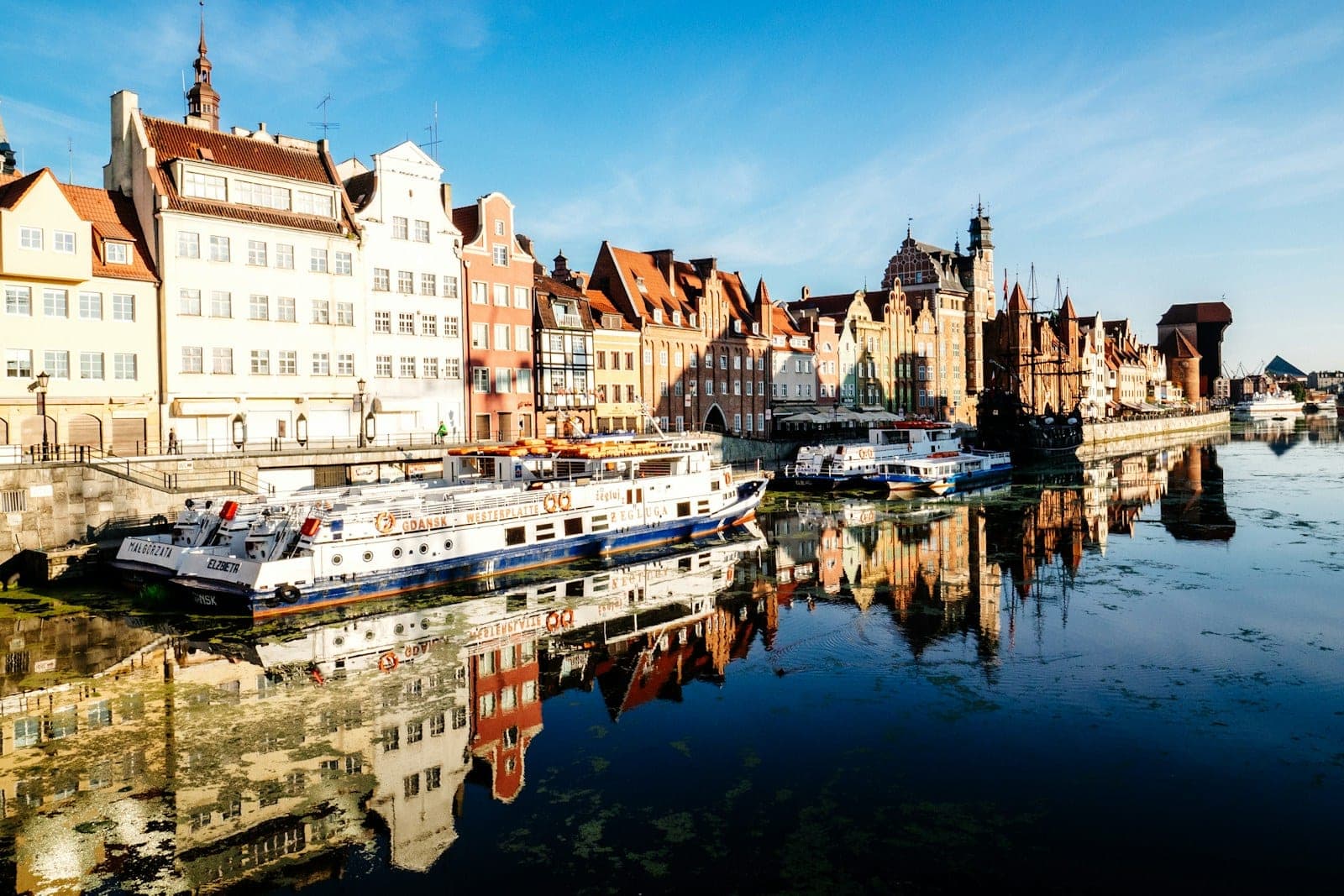
A shipyard city priced by its own success
Gdańsk has always been a port that argued with power. It was a Hanseatic trading city, then a Free City between the wars, and in August 1980 its shipyard strike produced the Gdańsk Agreement and Solidarity, a union that soon counted 10 million members. That civic streak shaped how the city housed itself. After 1945 it rebuilt a ruined centre and then grew outwards through cooperative estates, and it now faces a market that has turned the historic core into a visitor economy.
The tenure mix is harder to read than in most European cities, because Polish statistics blur ownership and cooperative membership. Census figures for Polish cities put outright ownership at about 58.1% of dwellings. Across Poland roughly 13.2% of homes are held on a cooperative title, and no separate Gdańsk figure is published. The municipality owns 15,305 flats, about 5.7% of the stock of 269,357 dwellings. The chart's private-rental wedge, around 36.2%, is the residual once the municipal stock is taken out of the 41.9% non-owner share. Read it as a ceiling, not a count, since it still holds cooperative tenancies that the ownership figure leaves out.
- Owners
- Owner-occupier44.9%
- Cooperative13.2%
- Renters
- Public & non-profit rental5.7%
- Private rental36.2%
Social housing in Gdańsk is a rule attached to homes, not a fourth tenure. About 6% of dwellings carry that rule, and most of it sits inside the municipal portfolio. Of the city's 15,786 municipal flats in 2024, 1,475 were lokale socjalne, social flats let at a deliberately minimal rent to households in hardship. The city's two social-rental companies add a middle tier for people who earn too much for a council flat but too little for the market.
The rent ladder runs from almost nothing to Western European levels. A cooperative member pays around €1.89 per square metre in basic running charges, which cover upkeep rather than a landlord's return. A municipal tenant pays about €2.83. On the open market the all-stock median is €13.43, and new contracts were advertised at a median €12.27 in early 2026 as the post-2022 rent spike cooled. Furnished and serviced flats, priced gross with utilities and furniture, reach €18.83.
- Cooperative
- Public/municipal housing
- New contracts
- All-stock median
- Furnished / serviced (gross)
Monthly rent per square metre by tier, net cold except the furnished/serviced tier, which is gross and all-in. The cooperative and municipal figures are controlled charges; the market tiers sit between four and seven times higher.
Empty space sits in awkward places. The city counted 3,069 unoccupied municipal units in 2025, yet only 29 were ready to move into; the rest need repairs the budget has not reached. A 2026 comparison of Polish cities found around 500 empty municipal units in Gdańsk frozen by unresolved legal status or demolition plans. Offices tell a different story. Regional office vacancy stood at 10.4% at the end of 2024, some 189,926 square metres, but Tricity vacancy fell to 10.4% by mid-2026 as tenants returned. The sharper pressure is tourism. Registered short-stay properties rose from 681 in 2019 to more than 4,300 in 2026, offering over 36,000 beds, and activists count 9,000 once unregistered lets are included.
Take Gdańsk's Śródmieście: over the last 20 years the historic centre has lost more than a third of its residents. It is becoming a hollow shell, a Disneyland that looks attractive to tourists but is in fact a dead, unfriendly, expensive place without a soul.Demand keeps arriving. Around 6,639 people registered as new residents in 2024, and the city believes the official count of 489,160 misses tens of thousands more. Students, Erasmus visitors and contract workers add roughly 24,000 mid-term residents. Builders have answered at scale. Gdańsk completed 6,452 homes in 2024 and approved permits for 7,713 more.
Building fast has not made homes affordable, and the squeeze now reaches middle earners. In August 2025 the median new flat cost 17,600 złoty per square metre, which briefly made Gdańsk Poland's most expensive city, ahead of Warsaw. A month's average gross pay of 10,620 złoty bought less than one square metre. Nationally, a 2025 Habitat for Humanity Poland report found that 14% of people spend over half their income on housing. A third cannot afford a suitable home yet earn too much for public help. More than half of Poles aged 25 to 34 still live with their parents. In Gdańsk, 426 households waited for a social-rental flat and 726 applied for a municipal one in 2024.
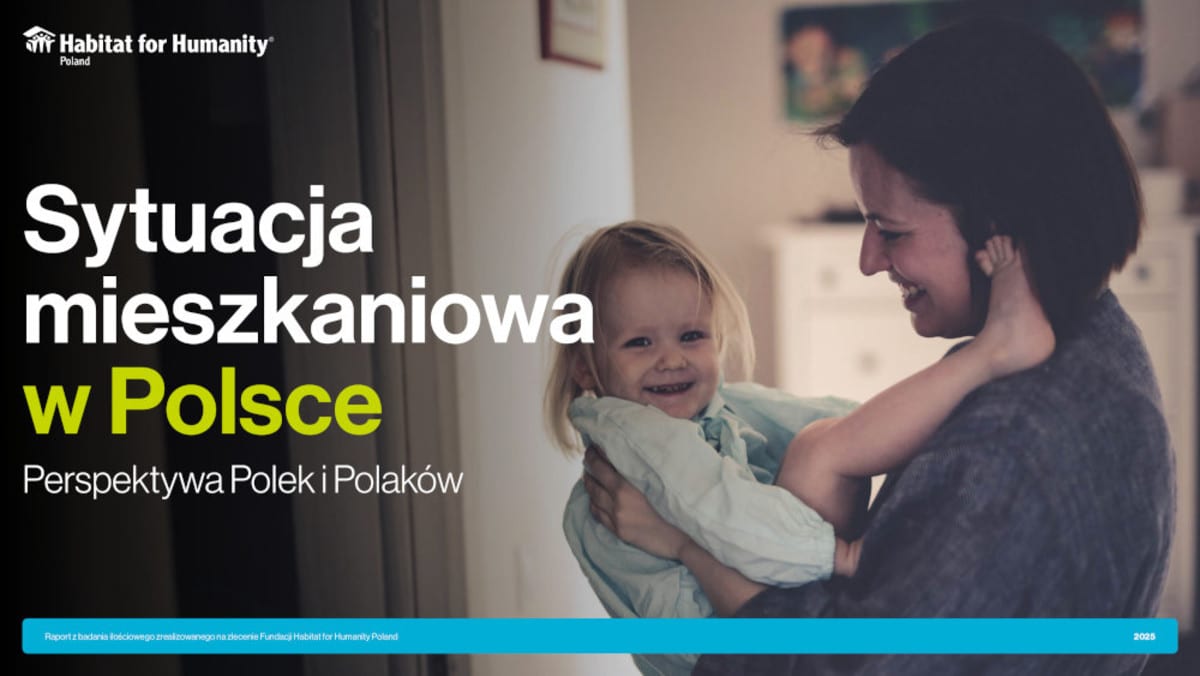
Residents do not yet rank housing as the city's top grievance. A 2025 University of Gdańsk survey put traffic jams, parking and a closed bridge first. Nationally, 51% of Poles want the state mainly to help people buy, while 20% favour social, rental and cooperative building. A Social Europe analysis of the region's cities warns that high ownership hides fast-rising rents for those locked out. That makes the cooperative estates, where many Gdańsk families still live, the obvious place to start.
From rubble to falowce: the cooperative city
The Polish housing cooperative is the spółdzielnia mieszkaniowa, a member-owned body that builds and manages blocks. Members hold one of two rights. The lokatorskie prawo is a tenant-style right that cannot be sold or inherited. The spółdzielcze własnościowe prawo is an ownership-style right that can be sold, mortgaged and passed on. Members paid a wkład budowlany, a building contribution covering their flat's construction cost, and then monthly running charges. No new ownership-style rights have been created since 31 July 2007, and most members have since converted towards full ownership.
Gdańsk's cooperative story begins in the rubble. Gdańska Spółdzielnia Mieszkaniowa was founded in January 1946 and first rebuilt war-damaged houses on a handful of streets. Its later Suchanino estate added 2,764 flats between 1974 and 1979. The Przymorze cooperative, registered in 1959, went further. It built 15,252 flats for almost 50,000 people between 1960 and 1981, including the falowce, the long wave-shaped slabs that became a symbol of the socialist seaside city. After 1989 the giants broke apart into smaller, estate-based cooperatives.
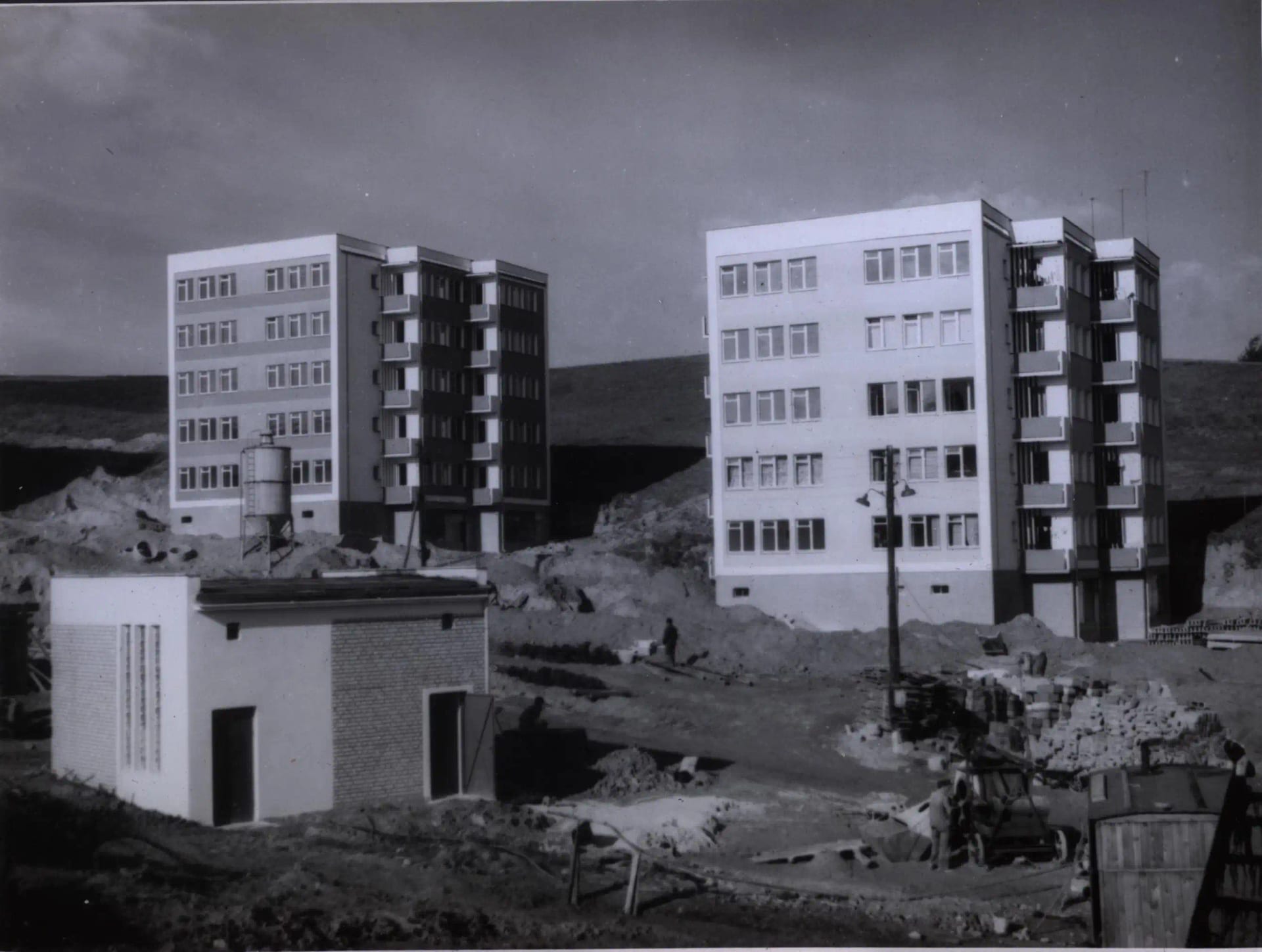
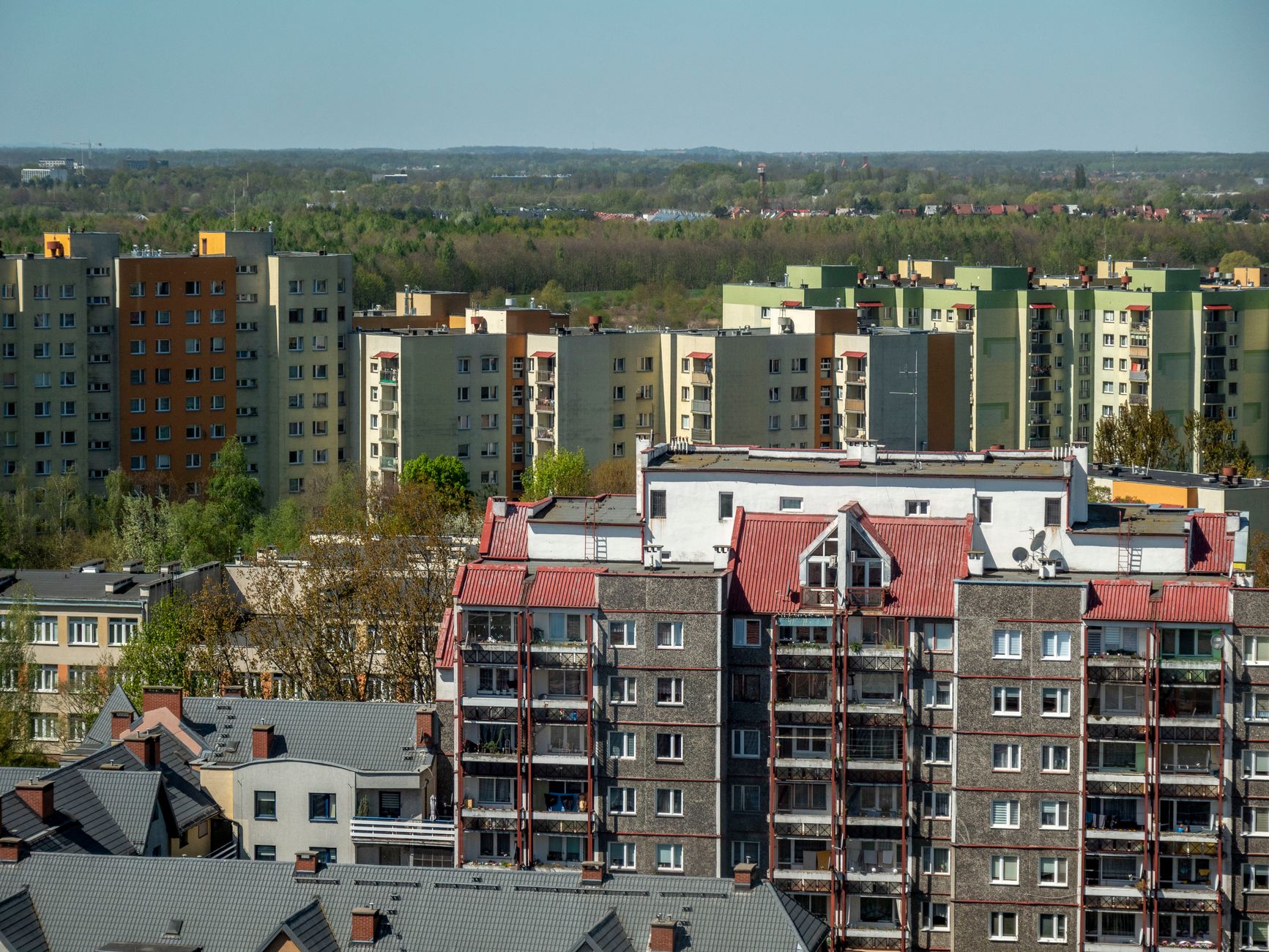
Today the sector clusters into three groups with different problems. The legacy cooperatives still hold most of the stock. Gdańska Spółdzielnia Mieszkaniowa manages 4,344 flats, and Żabianka, split in 2001 from a 1958 cooperative, runs 4,210 flats in 34 buildings. Nationally some 3,499 cooperatives manage 28.2% of flats in professionally run buildings. These bodies wrestle with ageing members, governance disputes and the cost of retrofitting concrete blocks. A study of Polish and Czech cooperatives found energy upgrades driven top-down, with little room for residents' own initiatives. A second, much smaller group is the resident-led kooperatywa mieszkaniowa, a self-build housing group. Kooperatywa Pomorze in neighbouring Gdynia completed three eight-flat buildings at about 3,000 złoty per square metre, far below developer prices of the time. A Gdańsk cohousing plan for 28 passive houses in Orunia stalled for lack of a zoning plan.
The two clusters face different walls. The legacy cooperatives need capital for renovation, and a national survey of the sector by the Institute for Urban and Regional Development credits them with pioneering building upgrades. The kooperatywa needs land and patient finance, and a Studia BAS analysis names regulation and financing as the main barriers to cooperative growth. Parliament answered part of that in 2022. The act on housing kooperatywy, in force since March 2023, lets councils sell municipal land to groups of at least 3 people in instalments and at a discount. No Gdańsk group has yet been reported using it, which leaves the next step to city hall.
Grants from Warsaw, empty flats at home
Aleksandra Dulkiewicz has run Gdańsk since 2019, when she took over after the murder of mayor Paweł Adamowicz. She won re-election in the first round in April 2024 with 57.95% of the vote. Housing sits with her deputy Emilia Lodzińska, deputy mayor for spatial policy and housing since July 2024. In November 2025 the council adopted a multi-year programme for the municipal housing stock to 2030. It plans 891 new flats through the social-rental companies, 200 through the city's social-infrastructure company Gdańska Infrastruktura Społeczna, and 107 through purchases and swaps.
Most of the money comes from Warsaw. Housing now reports to Andrzej Domański, Minister of Finance and Economy, served by the Ministry of Development and Technology (MRiT), with Tomasz Lewandowski as deputy minister. In 2025 the government shelved Pierwsze Klucze (First Keys), a planned mortgage subsidy, and put the money into supply instead. Councils can now receive non-repayable grants of up to 80% for new municipal flats or for renovating empty ones. The annual pot is set to rise to 10 billion złoty by 2030, with up to 45 billion złoty for 2025 to 2030. Lewandowski says 35,000 social and municipal flats have been contracted since 2024, against an aim of about 25,000 a year. A May 2026 bill would lend to social landlords and cooperatives at a fixed 1% or 2% over 50 years.
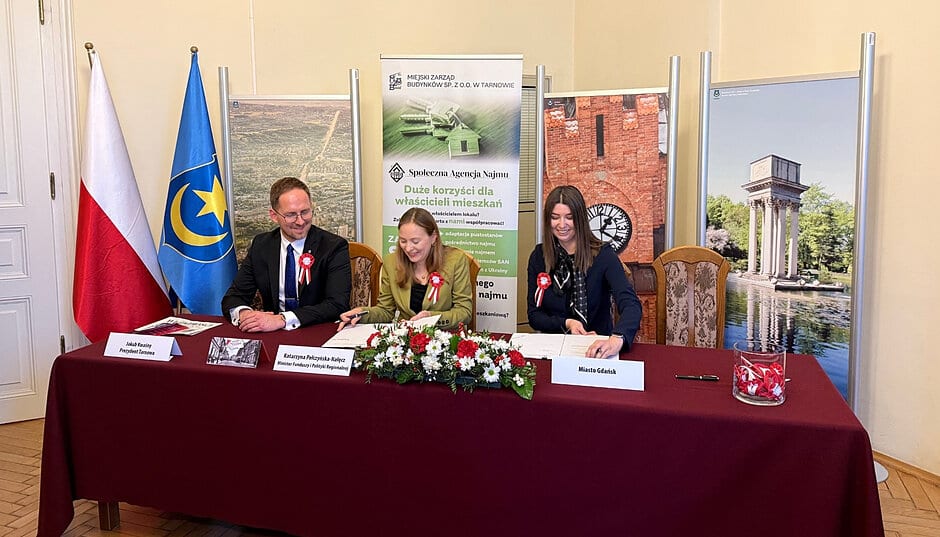
The instruments in Gdańsk are mostly municipal companies rather than cooperatives. TBS stands for Towarzystwo Budownictwa Społecznego, a social-housing company that lets flats at moderate, cost-based rents; the city owns two. Its new social rental agency leases 40 municipal and 10 private flats to households in need with a budget of 9.9 million złoty. The metropolitan SIM, a state-backed social housing initiative, never got going: neighbouring Pruszcz Gdański pulled out, calculating that a SIM flat would cost about twice as much as a TBS one. The kooperatywy law remains unused here, and the OECD's review of Polish housing argues that a stable framework for not-for-profit providers is still missing.
Empty homes are where the argument is loudest. Opposition councillor Andrzej Skiba of PiS, the Law and Justice party, backed the rental agency but called it "a baby step", pointing to three thousand municipal flats waiting for repair. A citizens' resolution with close to 600 signatures asked the council to tax short-let and investment-held flats at the business property rate. On 26 February 2026 it failed, with 8 votes for and 21 abstentions. Michał Dziergas, a Śródmieście district councillor who joined the protest outside city hall, said the aim was to show that "Gdańsk is not an investment hotel". On the post-shipyard land of Młode Miasto, a residents' survey found 70% of flats in three new blocks let short-term. Relief may come nationally. A government bill adopted in September 2026 would let councils create zones where short lets are limited or banned from 1 January 2028. Europe-wide, an Investigate Europe inquiry into vacant property shows how tax rules keep such homes off the market.
People on average incomes, not only in Gdańsk but across the whole country and Europe, have to take out a loan or a mortgage to have a home. Such incomes simply do not allow anyone to buy a flat outright, above all because housing prices are so high.Climate targets run through the same buildings. Gdańsk adopted a climate adaptation plan to 2030 in 2019, and in 2024 the city, PGE Energia Ciepła and the district-heating operator GPEC signed a letter of intent to decarbonise heating. Heat supplies 30% to 40% of the city's carbon emissions. The municipal stock is the hardest case, as 93.6% of its residential buildings predate 1945. EU integrated territorial investment funds (ZIT) now pay for energy upgrades of council tenements. From the end of 2026, national rules implementing the EU buildings directive (EPBD) require solar panels on new public buildings over 250 square metres. In practice, the cooperative panel blocks and the municipal tenements are where these carbon goals will be met or missed.
- Jan 1946[source]
Gdańska Spółdzielnia Mieszkaniowa founded
A new cooperative begins by rebuilding war-damaged houses in the ruined city.
- 1959[source]
Przymorze cooperative registered
It goes on to build 15,252 flats, including the falowce, by 1981.
- Aug 1980[source]
The Gdańsk Agreement
Striking shipyard workers win the right to independent unions, and Solidarity is born.
- Jul 2000[source]
TBS Motława founded
The city creates its own social-rental company for middle-income tenants.
- Jul 2007[source]
Ownership-style cooperative rights closed
No new spółdzielcze własnościowe rights can be created after 31 July 2007.
- Mar 2023[source]
Kooperatywy law in force
Councils may sell municipal land to resident housing groups in instalments and at a discount.
- Mar 2025[source]
Grants of up to 80% for council housing
The government raises support for municipal and social flats, with up to 45 billion złoty to 2030.
- Nov 2025[source]
Municipal housing programme 2026–2030
The council plans 891 social-rental flats, 200 via its social-infrastructure company and 107 purchases.
- Feb 2026[source]
Short-let tax resolution fails
A citizens' initiative with close to 600 signatures is rejected by the council.
- Sep 2026[source]
National short-let bill adopted by government
Councils would gain powers to create zones restricting or banning short-term letting.
- Q3 2027[source]
Social rental agency fully let
All 50 flats of the city's social rental agency are due to be occupied.
- Jan 2028[source]
Short-let ban zones can take effect
The earliest date for municipal short-let restrictions under the national bill.
- 2030[source]
Programme and climate horizon
Target year for the municipal housing programme, the national 10 billion złoty annual grant ceiling and the city's emission cuts.
From post-war cooperative rebuilding and the shipyard strike to the 2026–2030 municipal programme and short-let ban zones.
Tenements, falowce and the Imperial Shipyard
TBS Motława is the city's most dependable housing builder. Founded in 2000 and wholly owned by Gdańsk, it built 1,467 flats in 41 buildings between 2003 and 2020, from Łostowice to Letnica. Its four blocks on Rzeszowska Street add 188 flats in 2026, and nearly 500 households applied for them. Tenants pay 10% of the construction cost up front and then a moderate rent. The model has limits. Its president, Tadeusz Mękal, says building now costs 9,000 złoty per square metre, so a 50-square-metre flat costs the company about 450,000 złoty.
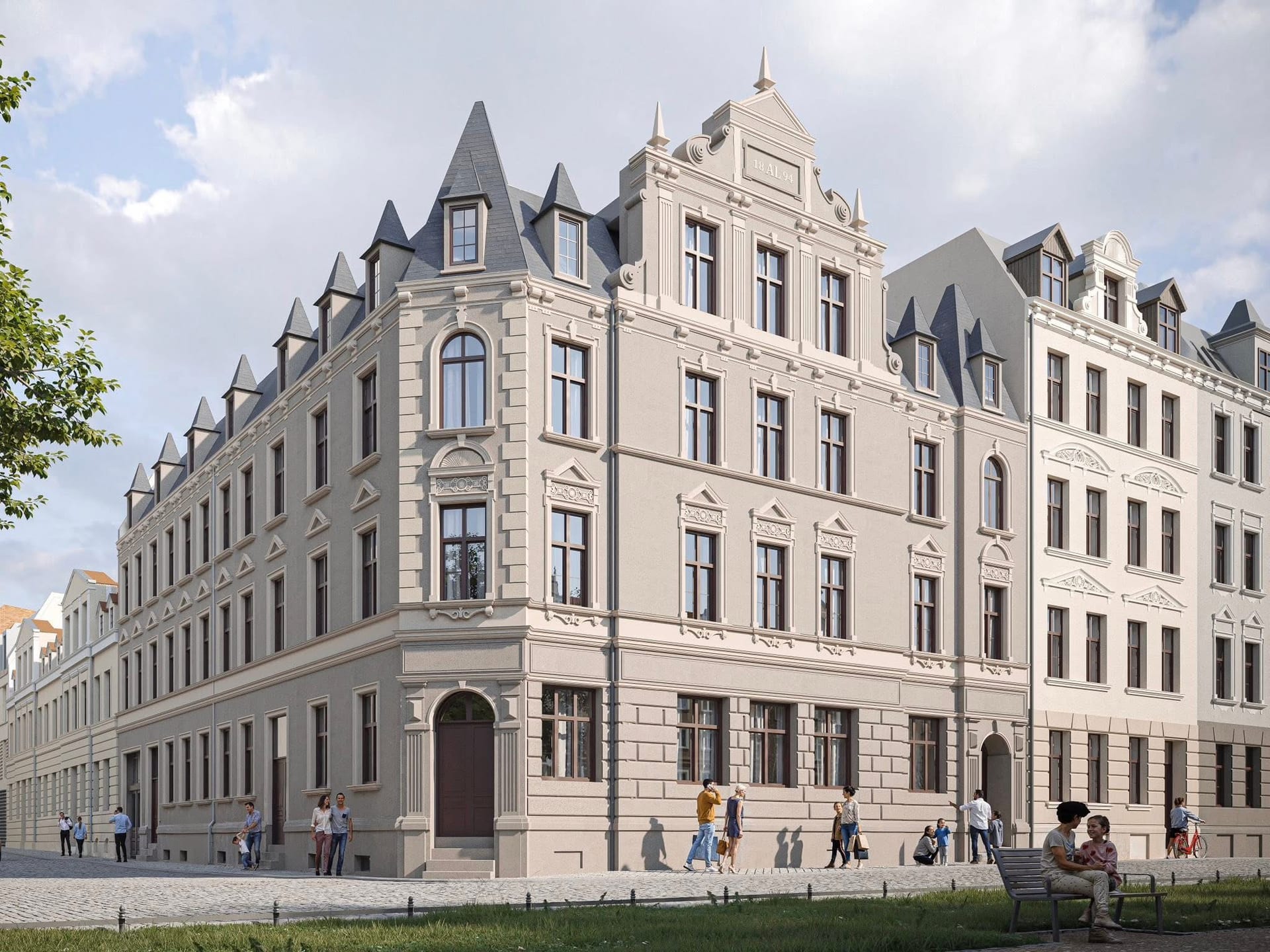
Dolne Miasto, the old Lower Town across the Motława river, shows the same company working at street scale. TBS Motława is closing a tenement block on Szczygla Street with a new infill building of 23 flats. A city capital injection of almost 6 million złoty pays for it, and an 1894 corner house beside it is being restored. The work belongs to a decade of municipal revitalisation. Biskupia Górka alone received 60 million złoty for its tenements and courtyards.
Gdańskie TBS, the city's second social-rental company, has built almost 3,000 flats in two decades. Its vice-president, Przemysław Guzow, puts rents at 17 to 18 złoty per square metre, about half the market rate. Its next estate, on Stężycka Street, would mix some 150 municipal and 50 social-rental flats. Neighbours have petitioned for a park on the site instead, the familiar collision between green space and affordable homes.
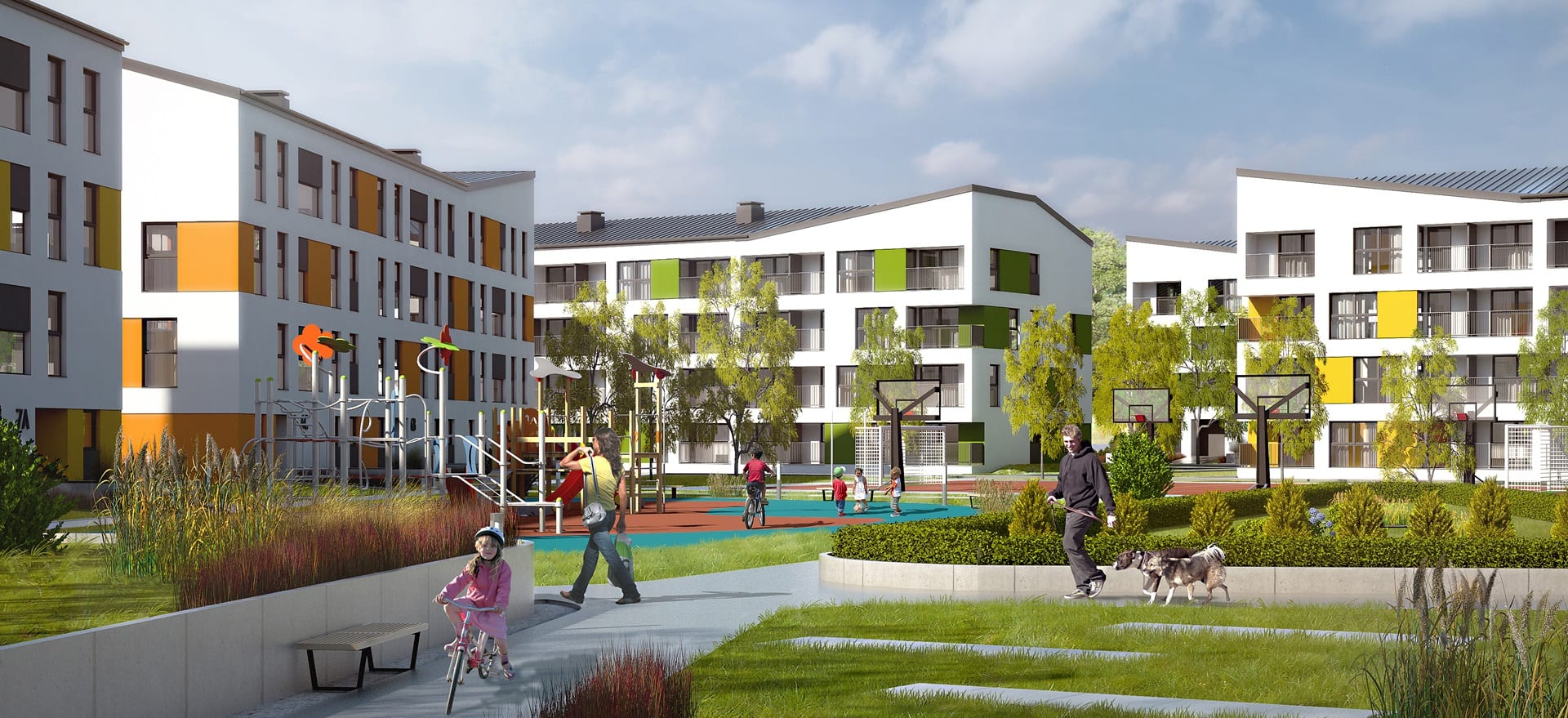
Przymorze remains the cooperative city's great monument. The falowiec on Obrońców Wybrzeża Street runs for about 860 metres and holds 1,792 flats, one of the longest residential buildings in Europe. The estate's cooperative still manages more than 15,000 flats. Its challenge now is less building than keeping a 1970s megastructure warm, safe and affordable for an ageing membership. Housing Europe's survey of cooperatives across 22 countries shows the same retrofit question facing legacy stock from Prague to Berlin.
Stocznia Cesarska, the Imperial Shipyard at the oldest end of the former Gdańsk Shipyard, is the city's largest test of adaptive reuse. Its Belgian developers, Alides and Revive, commissioned a masterplan from the Danish practice Henning Larsen and restored the first historic buildings. In April 2026 they agreed to sell the site for about 550 million złoty to the developer Develia, which plans at least 3,000 homes, with building from 2027. The European Solidarity Centre, opened in 2014 on the strike's historic ground, anchors the district. The Gdańsk civic urbanism forum FRAG called the sale the loss of potentially the best investor in Młode Miasto's history and fears lower standards. Next door in Młode Miasto, short lets have already taken over new blocks. The OpenHeritage research on community-led reuse offers a different route, keeping residents and small makers in such sites.
Garnizon in Wrzeszcz shows the private version of the same idea. A developer turned 25 hectares of Prussian army barracks into a mixed district with more than 2,000 flats and offices, reusing the old brick buildings. It shows how a heritage site can become a whole neighbourhood, but its homes are sold at market prices. Europe's wave of emptying offices, mapped by Cushman & Wakefield, suggests more such conversions ahead, though the Tricity's falling vacancy makes office-to-home schemes less urgent here.
Po pierwsze DOM ("Home First"), Gdańsk's Housing First programme, is the most decommodified project in the city. Run by the St Brother Albert Aid Society with the city, it gives people leaving homelessness their own flat plus specialist support. Its EU-funded pilot of 2019 to 2021 was worth 5,391,745 złoty. The new social rental agency extends the same logic to private landlords, who hand over flats in exchange for guaranteed rent. Neither is large. Together with the two social-rental companies and the old cooperatives, they give Gdańsk the parts of a non-market system, if not yet the scale.

References
Statistics13Click on any number to see the source
Housing market
Cooperative, social & public
Adaptive reuse & vacancy
Population & migration
From our library18
- Co trzeci Polak zbyt biedny na najem lub kupno mieszkania, a za bogaty na wsparcie — Knowledge
- Over half of Poles aged 25-34 live with parents — Knowledge
- Housing Crisis Threatens to Fracture Central and Eastern Europe — Knowledge
- Gdańska Spółdzielnia Mieszkaniowa — Organisation
- Powszechna Spółdzielnia Mieszkaniowa Przymorze — Organisation
- Spółdzielnia Mieszkaniowa Żabianka — Organisation
- Between efficiency and democracy: Explaining support and resistance towards energy transition and prosumer solutions in Polish and Czech housing cooperatives — Knowledge
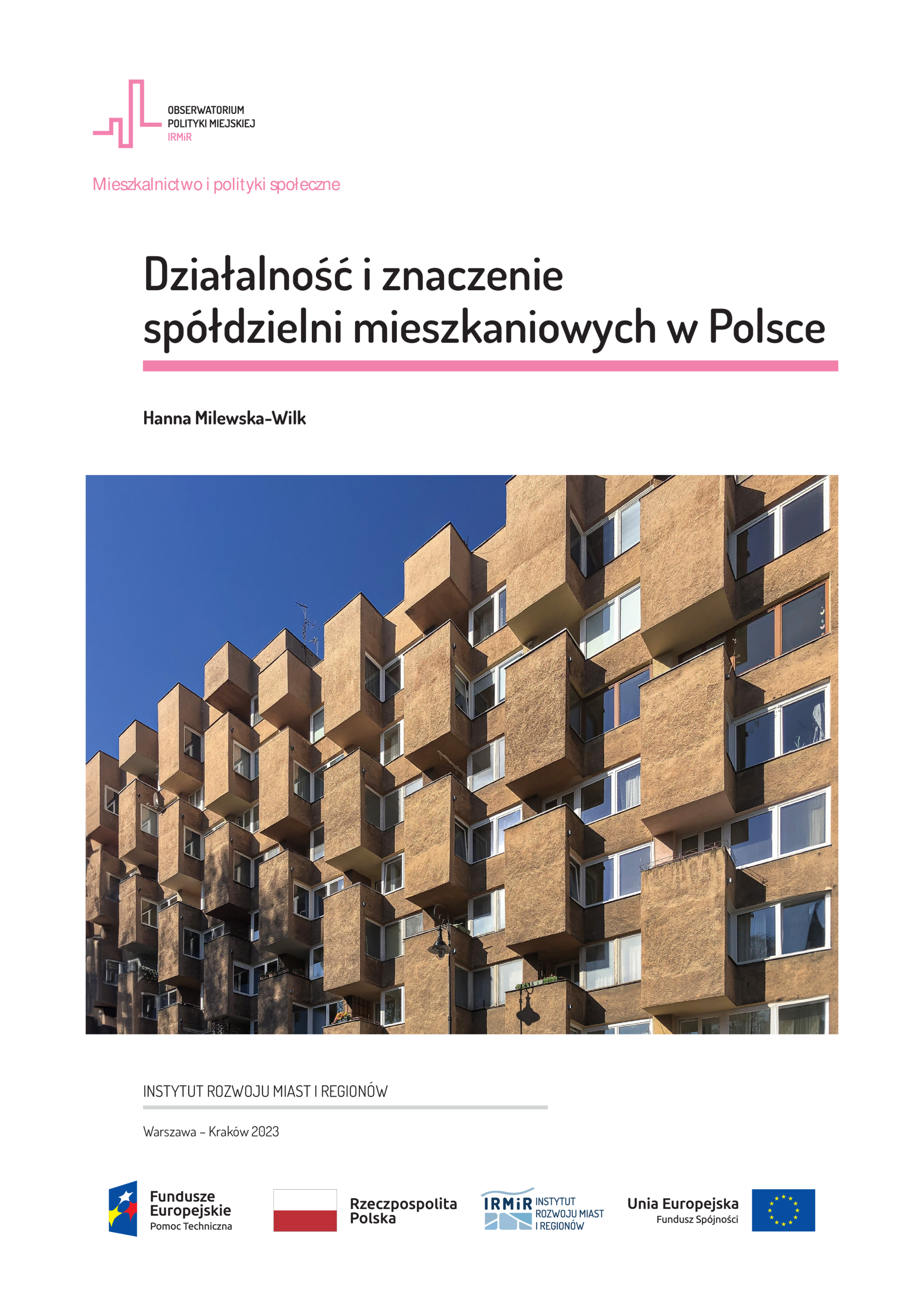
- Działalność i znaczenie spółdzielni mieszkaniowych w Polsce — Knowledge
- Spółdzielnie mieszkaniowe na rynku nieruchomości w Polsce w XXI w.: Bariery i szanse rozwoju — Knowledge
- Społeczna Agencja Najmu Gdańsk — Project
- Housing Reforms in Czechia and Poland — Knowledge
- The empty house: a window into Europe’s vacant property problem — Knowledge
- TBS Motława — Organisation
- Gdańskie Towarzystwo Budownictwa Społecznego (GTBS) — Organisation
- Housing Cooperatives in Europe - Resilience and Adaption to Changing Need — Knowledge
- Open Heritage - Community-Driven Adaptive Reuse in Europe: Best Practice — Knowledge
- Rethinking European Offices 2030 - Risks and Opportunities from Obsolesence — Knowledge
- Po pierwsze DOM – Housing First Gdańsk — Project
Further sources49
- en.wikipedia.org source — en.wikipedia.org
- en.wikipedia.org source — en.wikipedia.org
- Drogie mieszkania w Gdańsku. Prezydent odpowiada — Puls Gdańska
- Miasto zbuduje ponad 500 lokali komunalnych — Puls Gdańska
- propertynews.pl source — propertynews.pl
- media.gdansk.pl source — media.gdansk.pl
- Walczą z najmem krótkoterminowym: petycja Stop Airbnb — PropertyNews
- gdansk.naszemiasto.pl source — gdansk.naszemiasto.pl
- gdansk.pl source — gdansk.pl
- money.pl source — money.pl
- pl.wikipedia.org source — pl.wikipedia.org
- gdansk.gedanopedia.pl source — gdansk.gedanopedia.pl
- liderspoldzielczosci.pl source — liderspoldzielczosci.pl
- trojmiasto.pl source — trojmiasto.pl
- trojmiasto.pl source — trojmiasto.pl
- eli.gov.pl source — eli.gov.pl
- prawo.pl source — prawo.pl
- gdansk.pl source — gdansk.pl
- gdansk.pl source — gdansk.pl
- gdansk.pl source — gdansk.pl
- pl.wikipedia.org source — pl.wikipedia.org
- bankier.pl source — bankier.pl
- gov.pl source — gov.pl
- rmf24.pl source — rmf24.pl
- gov.pl source — gov.pl
- gdansk.pl source — gdansk.pl
- metropoliagdansk.pl source — metropoliagdansk.pl
- radiogdansk.pl source — radiogdansk.pl
- trojmiasto.pl source — trojmiasto.pl
- Poranek napięcia w Gdańsku: sprawa mieszkań pod ratuszem — Puls Gdańska
- Młode Miasto Gdańsk: krótki najem, długa lista problemów — Krytyka Polityczna
- nowin.pl source — nowin.pl
- turystyka.rp.pl source — turystyka.rp.pl
- gdansk.pl source — gdansk.pl
- gdansk.pl source — gdansk.pl
- O kondycji budownictwa komunalnego w Gdańsku — OKO.press
- gdansk.pl source — gdansk.pl
- gov.pl source — gov.pl
- gdansk.pl source — gdansk.pl
- gdansk.pl source — gdansk.pl
- gdansk.pl source — gdansk.pl
- gdansk.pl source — gdansk.pl
- trojmiasto.pl source — trojmiasto.pl
- en.wikipedia.org source — en.wikipedia.org
- bryla.pl source — bryla.pl
- trojmiasto.pl source — trojmiasto.pl
- gdansk.pl source — gdansk.pl
- zawszepomorze.pl source — zawszepomorze.pl
- propertynews.pl source — propertynews.pl