Europe's housing, explained properly
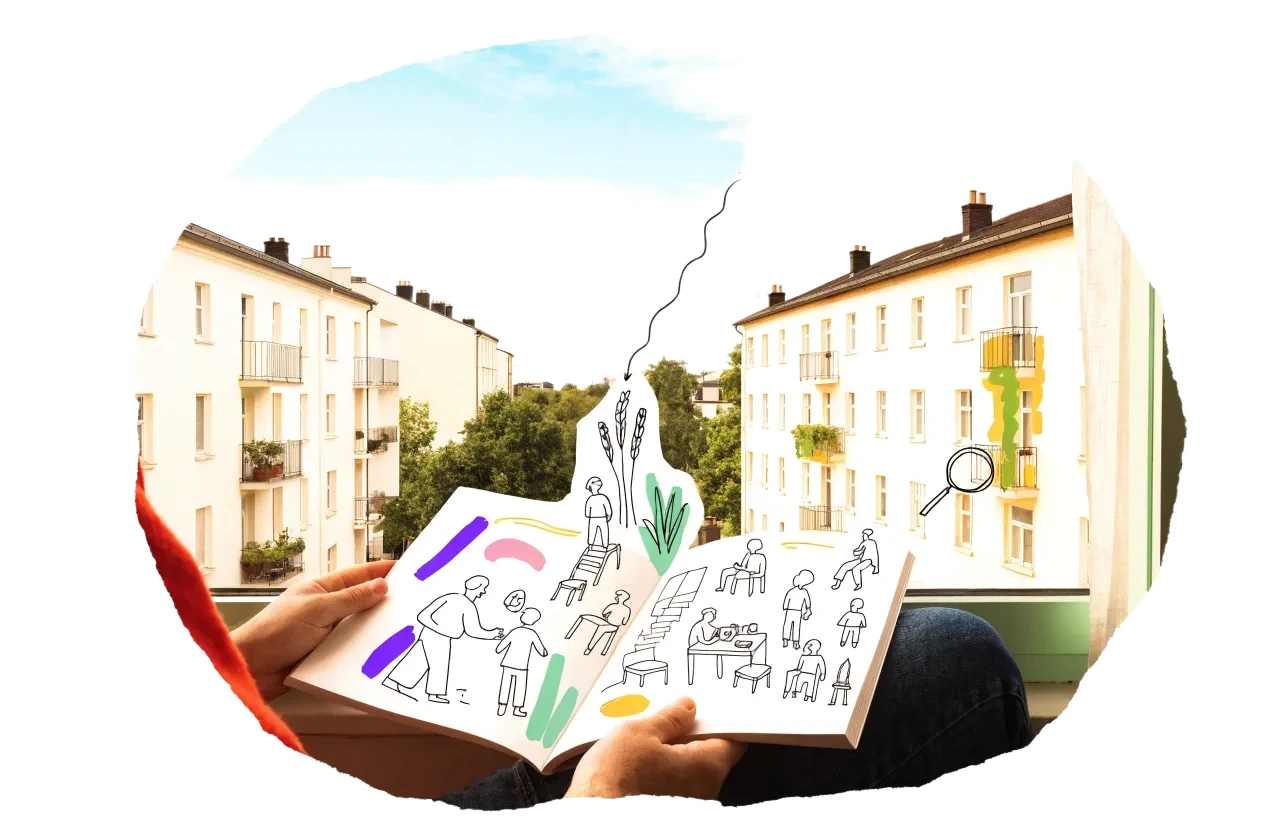
Deep dives
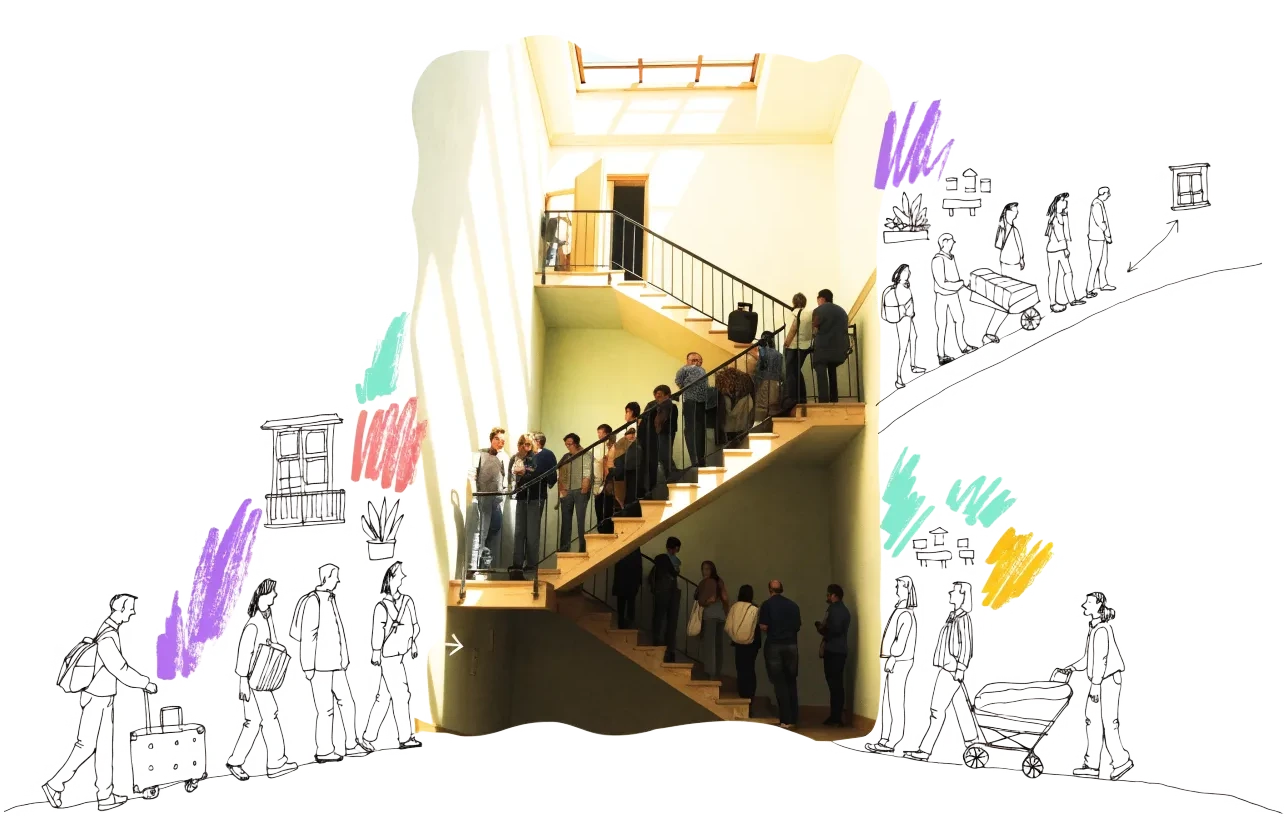
Why is it so hard to find a home in Europe?
Prices have come loose from incomes, empty buildings sit next to housing queues, and the people trying to move are the ones nobody counts. A guided tour of the crisis and its six drivers.
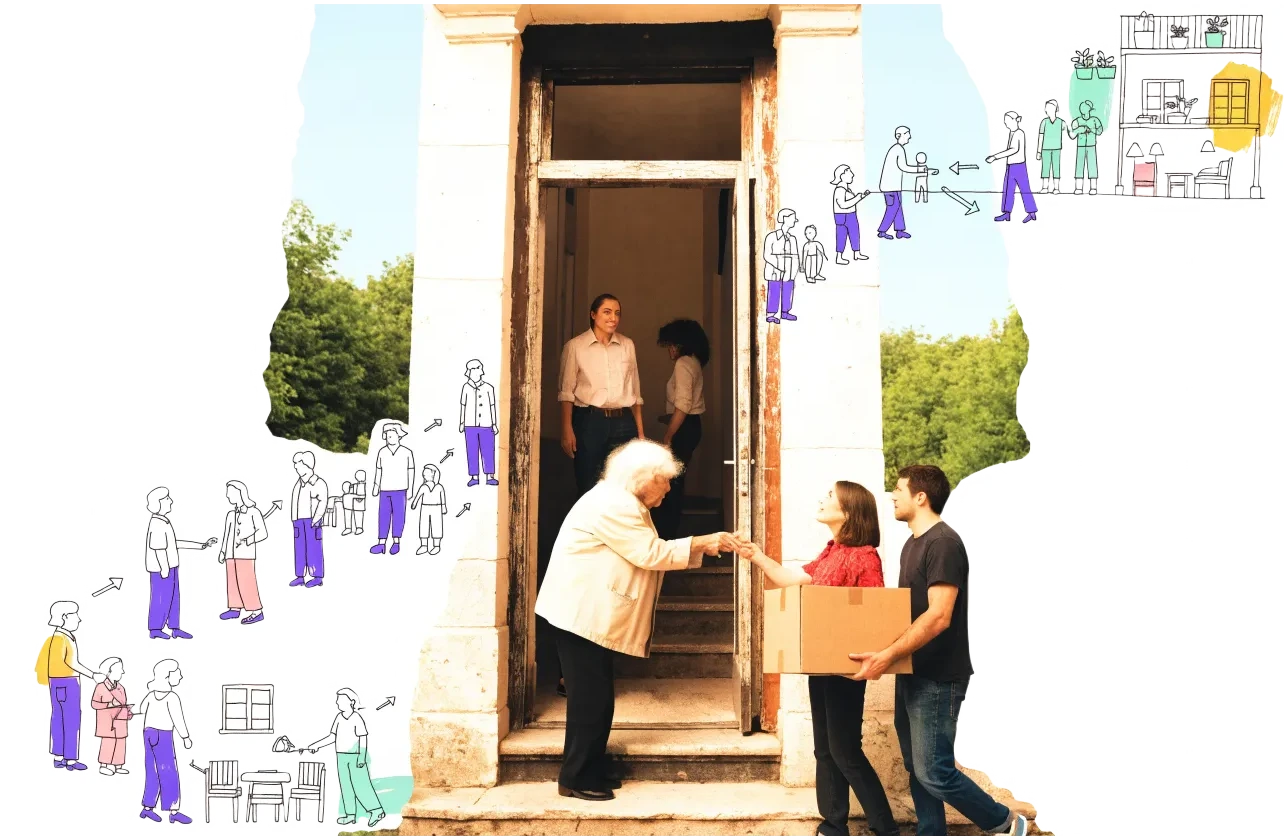
Housing that isn't for sale
Nearly eight million European homes are held in cooperative forms, from Zurich to Warsaw. What members actually own, why the model protects affordability, and why the waiting lists are closed in the cities that want it most.
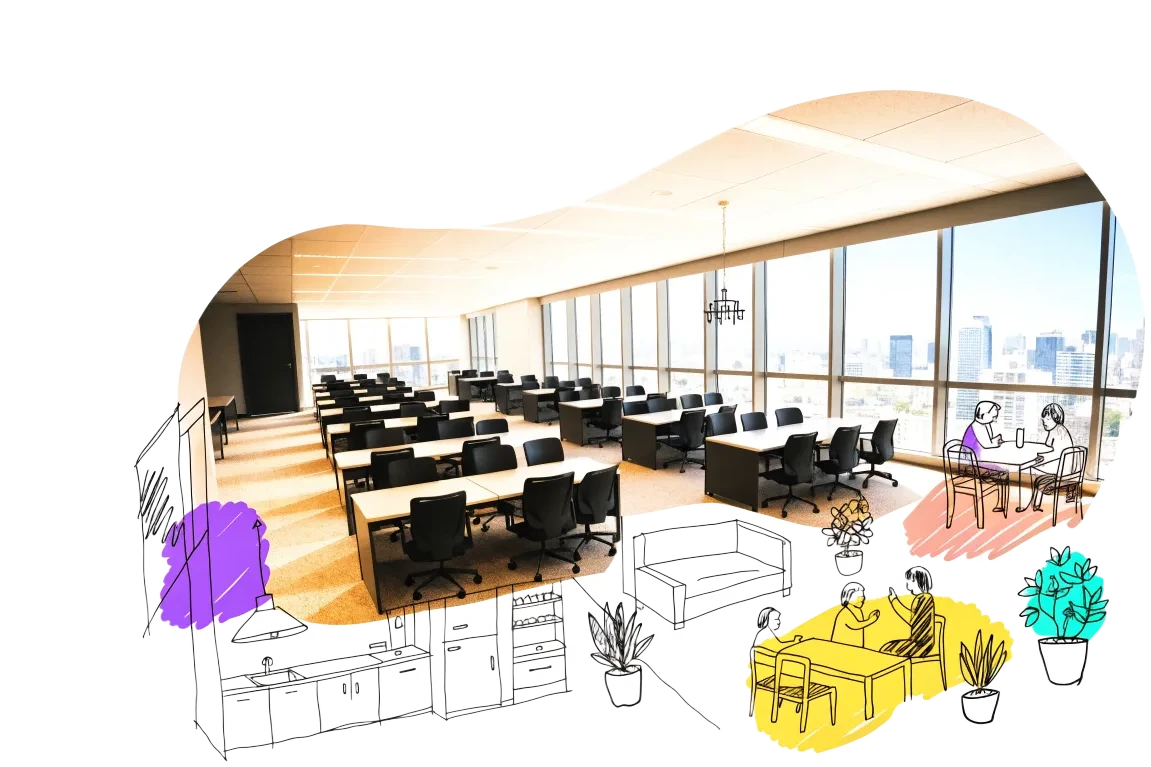
Turning empty offices into homes
Europe does not lack buildings; it lacks buildings in the right use. How much housing sits inside vacant offices, what a conversion costs and saves, which rules help, and the projects that have already done it.
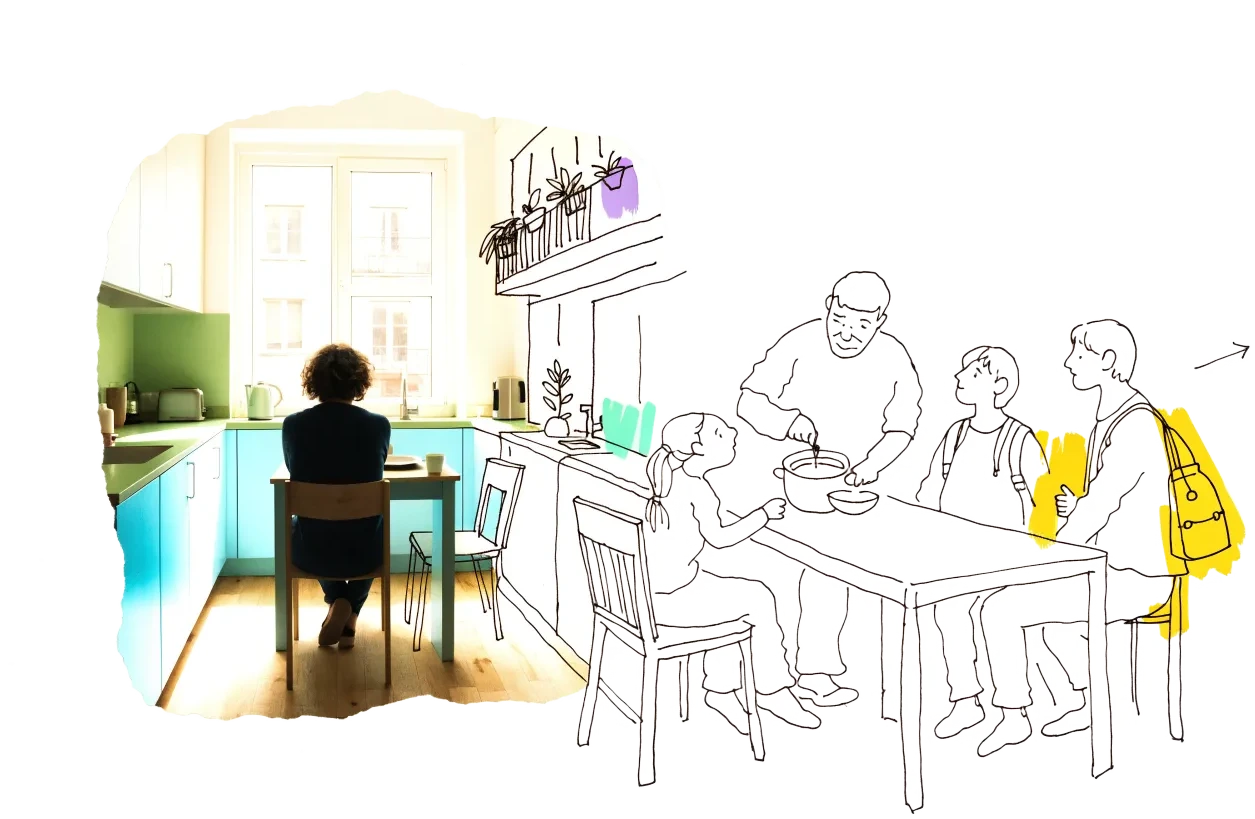
Can the way we live make us less lonely?
Europe now measures loneliness, and it is not only older people who feel it. What the research says about cohousing, cooperative living and health, what shared living looks like when it is designed well, and when it is just a smaller room at a higher price.
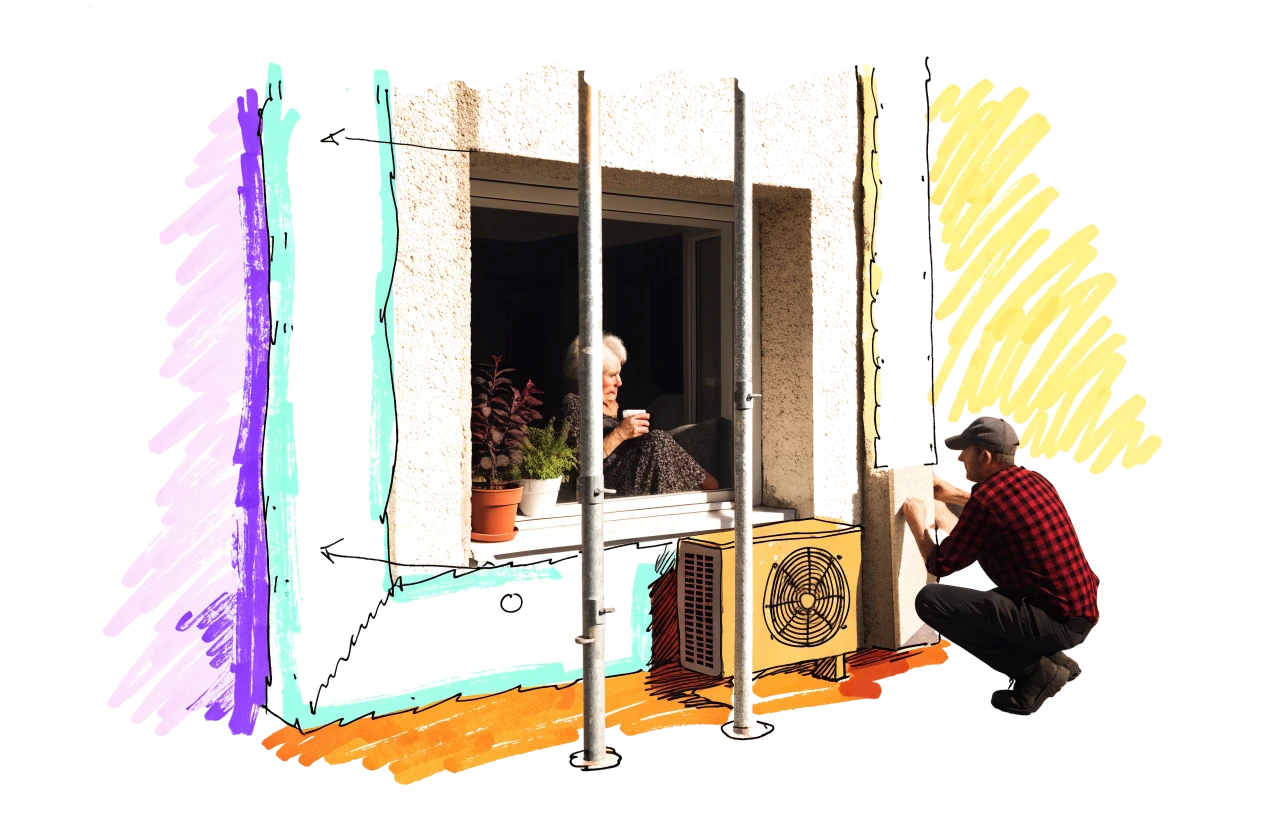
Warmer homes, same rent?
Europe has to renovate most of its homes within a generation, and a carbon price on heating fuel is on its way. Done badly, that means higher bills for the poorest and 'renovictions' for tenants. What a fair renovation wave looks like, and who is already doing it.
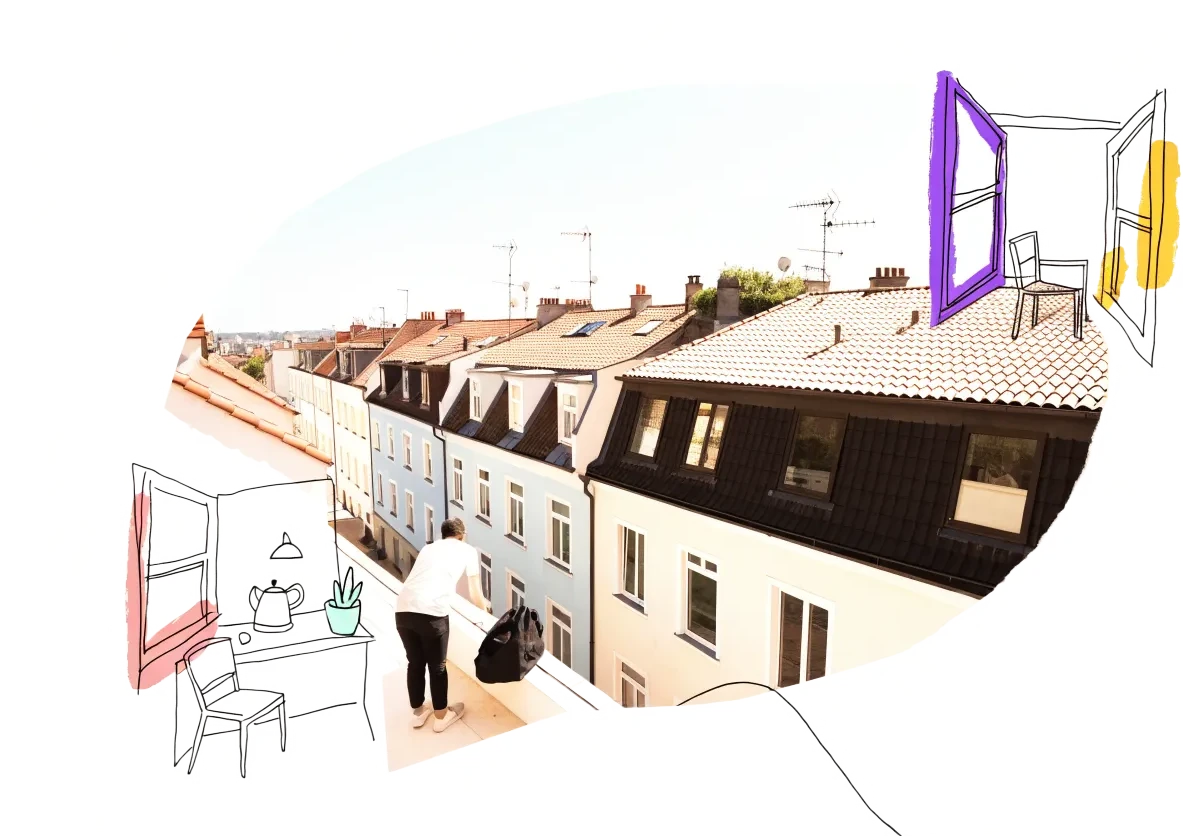
Why can't young Europeans leave home?
In much of Europe young people leave their parents' home later than their parents did, and housing is the main reason. Who is hit hardest, what the wait does to careers, families and moving for work, and what young people are building for themselves.
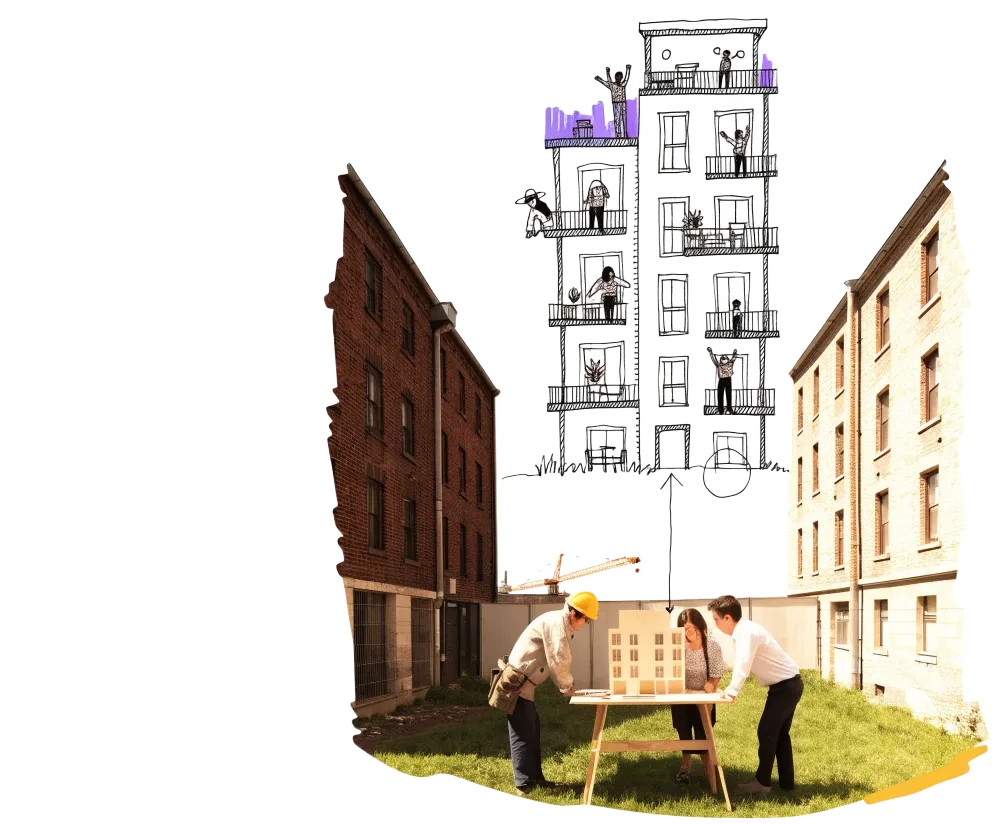
Who is already building the homes Europe needs?
Across Europe, cooperative developers, land foundations, community land trusts and non-profit builders already create homes that stay affordable, some for a century, some since last year. Who they are, where they work, how they bring empty buildings back to life, and what makes one a good local partner.
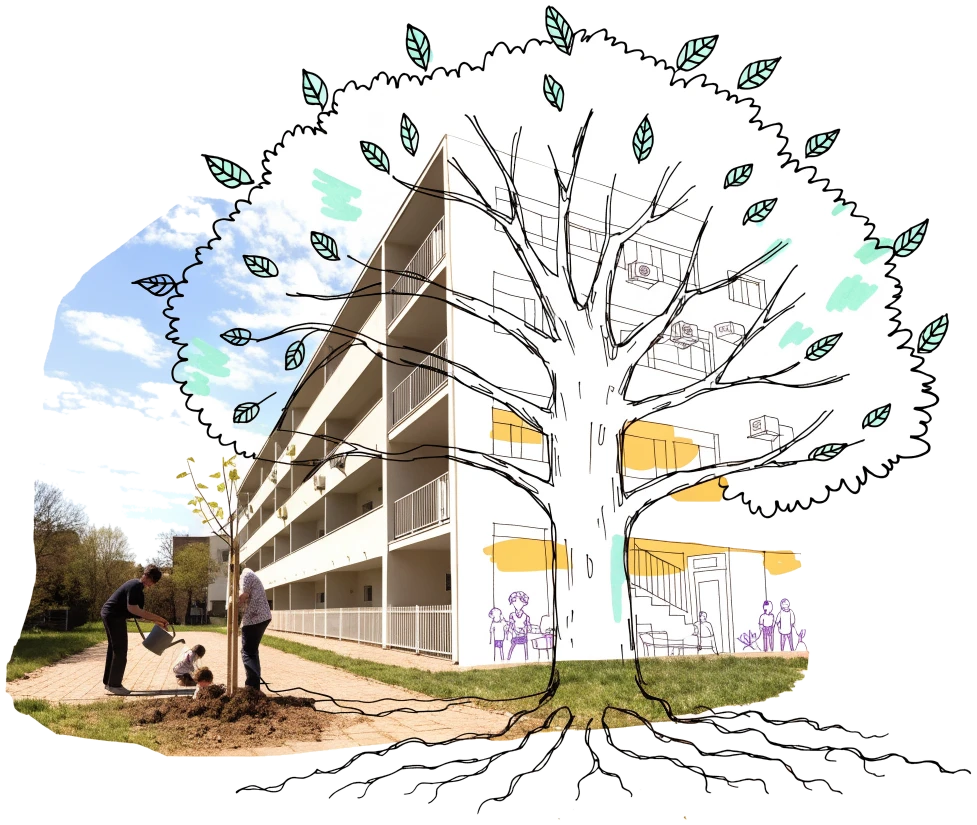
What does it take to invest in homes that aren't for sale?
More pension funds, foundations and public banks want to fund affordable homes without owning them for ever. What 'patient' and 'impact' capital in housing actually earns, the structures that keep a building affordable after the investor leaves, and where the model has failed.
Browse by topic
All topics →Crisis, Policy & Movements
Diagnosis, regulation and civic response to Europe's housing emergency
Cooperative & Community-led Housing
Alternatives to extractive real estate — collective, democratic and inclusive housing models
Buildings, Reuse, Climate & Construction
Adaptive reuse, architectural design and the climate transition for housing
Finance, Business Models & Innovation
Patient capital, non-speculative housing models and sector innovation
Then go and look
Every number in these reads comes from somewhere. Follow it into the data, or into the buildings.