Topic
Buildings, Reuse, Climate & Construction
Adaptive reuse, architectural design and the climate transition for housing
39knowledge49orgs25projects17events4subtopics
All Topics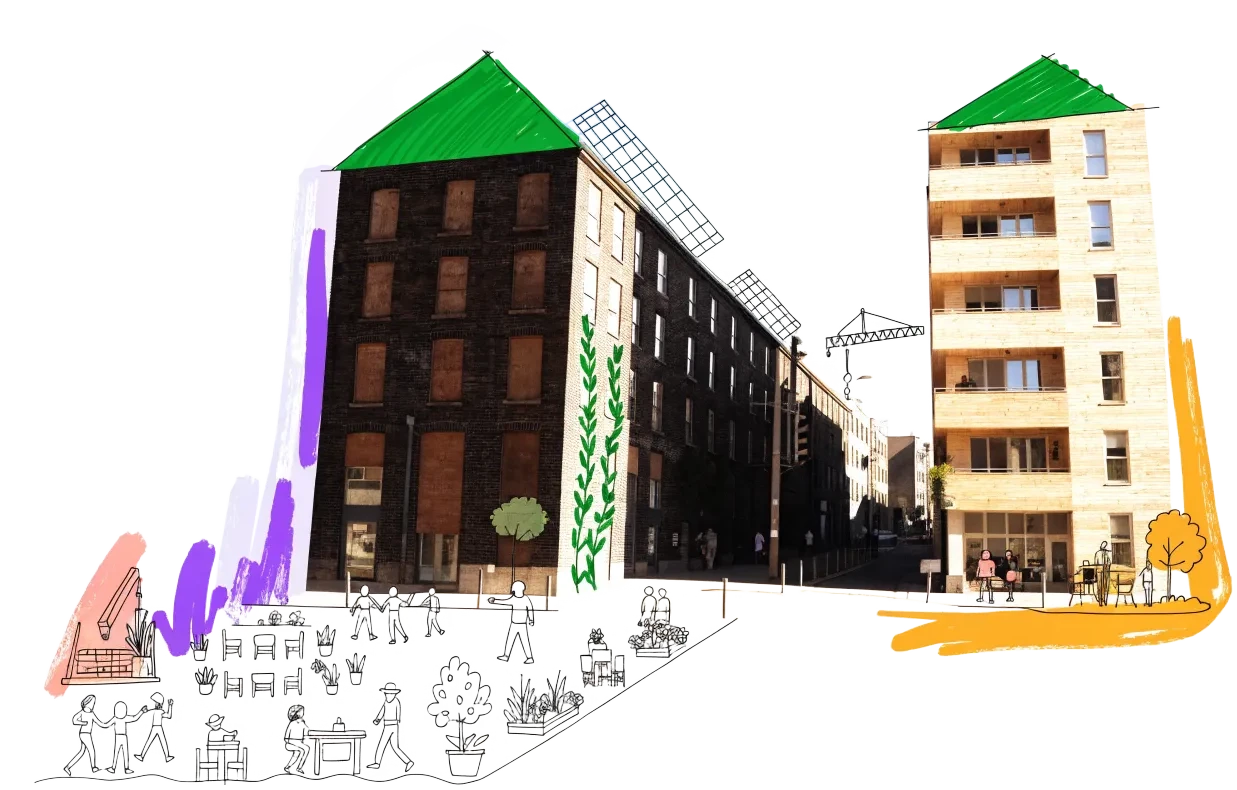
The physical transformation of Europe’s housing stock sits at the intersection of the climate emergency and the affordability crisis. With the built environment responsible for a vast share of emissions, frameworks like the New European Bauhaus underscore the urgent need to build within planetary boundaries. This cluster explores how we can rethink our existing urban fabric rather than defaulting to new construction. It spans the adaptive reuse of obsolete assets, such as vacant offices and brownfield sites, alongside neighbourhood-scale regeneration that revitalises communities without displacing them. By embracing circular construction methods and innovative architectural typologies, the housing sector can turn neglected spaces into climate-resilient homes that serve both society and the environment.
Below, you will find a curated collection of resources and initiatives driving this transition. The knowledge section offers strategic insights into reclaiming vacant spaces, tackling office obsolescence, and navigating urban development programmes, including lessons from Germany’s shared housing models. You can explore the work of pioneering organisations such as Bauhaus Earth, Assemble, and 011h, who champion circularity and progressive design. The page highlights concrete projects that bring these concepts to life, from the cooperative ABZ Tower im Koch-Quartier to the grassroots regeneration of Can Batlló and Bajesdorp. Finally, a directory of upcoming events, including the Adaptable Building Conference and the Urban Future Festival, provides opportunities to connect with practitioners actively shaping the future of sustainable urban development.
Below, you will find a curated collection of resources and initiatives driving this transition. The knowledge section offers strategic insights into reclaiming vacant spaces, tackling office obsolescence, and navigating urban development programmes, including lessons from Germany’s shared housing models. You can explore the work of pioneering organisations such as Bauhaus Earth, Assemble, and 011h, who champion circularity and progressive design. The page highlights concrete projects that bring these concepts to life, from the cooperative ABZ Tower im Koch-Quartier to the grassroots regeneration of Can Batlló and Bajesdorp. Finally, a directory of upcoming events, including the Adaptable Building Conference and the Urban Future Festival, provides opportunities to connect with practitioners actively shaping the future of sustainable urban development.
Go deeper
Long reads that explain buildings, reuse, climate & construction properly, with every number linked to its source.
Adaptive reuse across EuropeTurning empty offices into homesEurope does not lack buildings; it lacks buildings in the right use. How much housing sits inside vacant offices, what a conversion costs and saves, which rules help, and the projects that have already done it.11 min readRead Cohousing, shared living and the loneliness gapCan the way we live make us less lonely?Europe now measures loneliness, and it is not only older people who feel it. What the research says about cohousing, cooperative living and health, what shared living looks like when it is designed well, and when it is just a smaller room at a higher price.11 min readRead The renovation wave and who pays for itWarmer homes, same rent?Europe has to renovate most of its homes within a generation, and a carbon price on heating fuel is on its way. Done badly, that means higher bills for the poorest and 'renovictions' for tenants. What a fair renovation wave looks like, and who is already doing it.11 min readRead
4 subtopics in Buildings, Reuse, Climate & Construction
Adaptive Reuse & Asset Activation
Turning Europe's underused buildings into homes — from conversion strategy to owner-side activation
35knowledge40orgs34projects4events
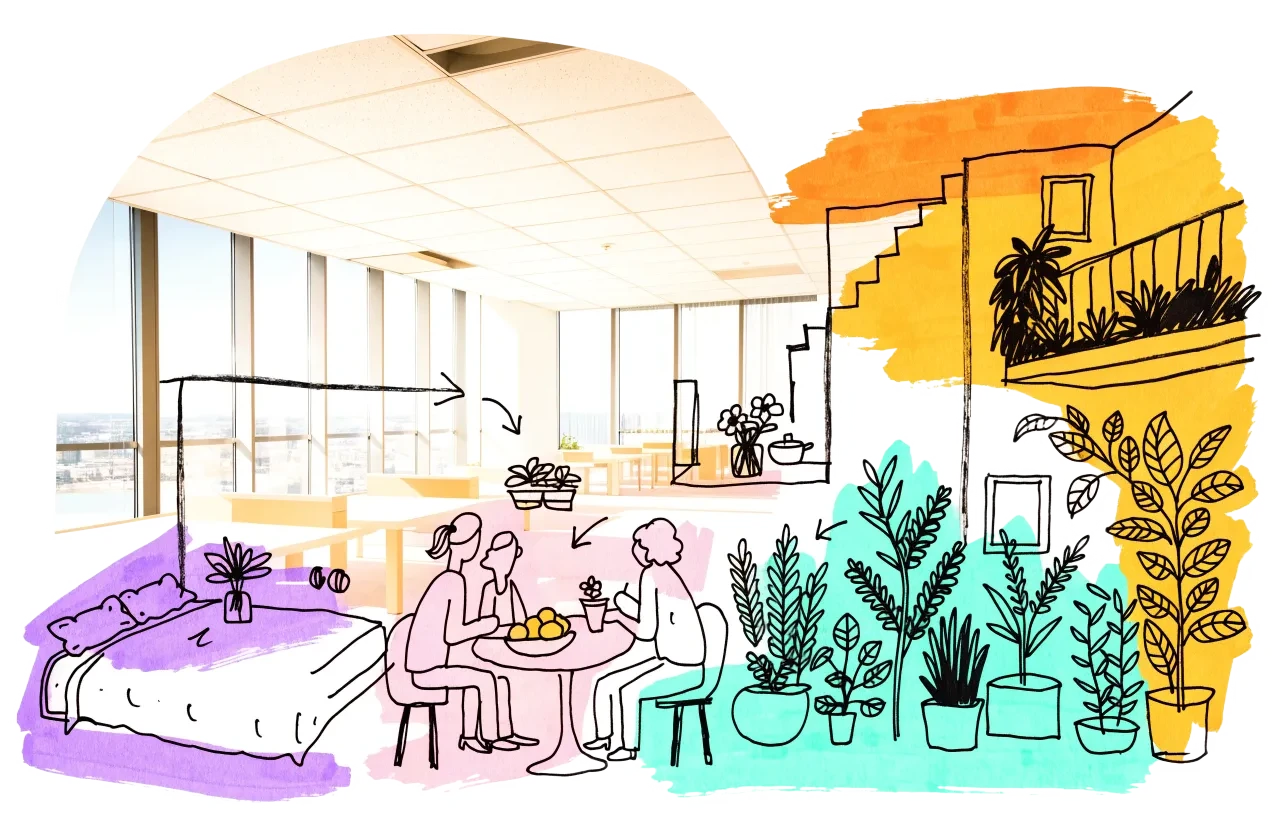
Urban Regeneration & Neighbourhoods
Neighbourhood-scale renewal without displacement — anti-displacement, 15-minute cities, mixed-use placemaking
54knowledge143orgs45projects38events
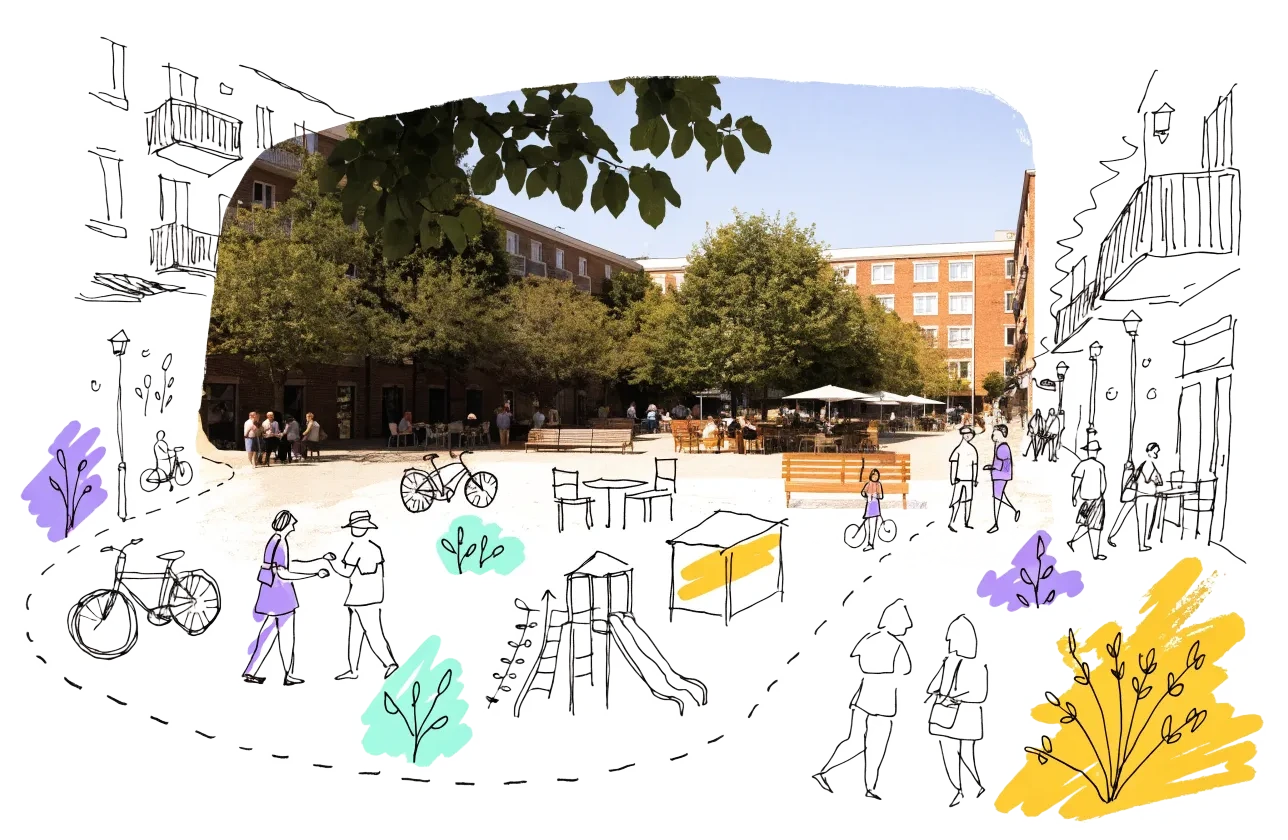
Architecture, Design & Building Typologies
Innovation in how housing is designed, planned and built
137knowledge186orgs39projects26events
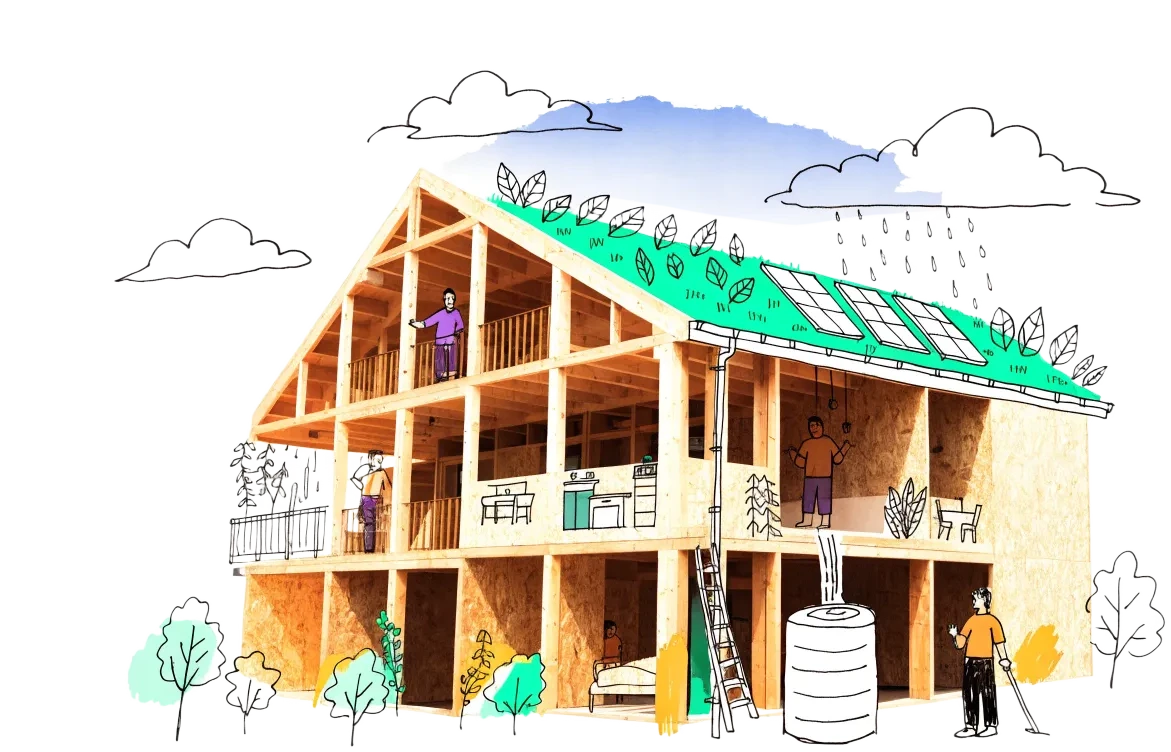
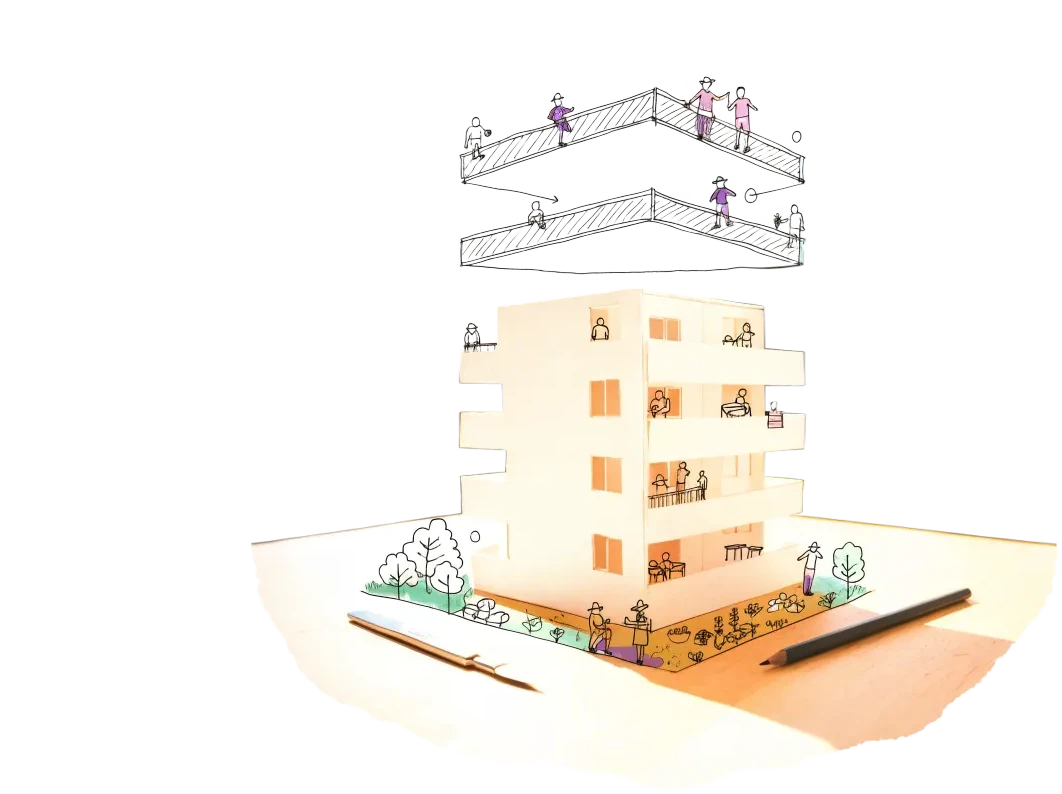
Sustainable Construction & Climate-resilient Homes
Building within planetary boundaries — from circular construction to climate-resilient homes
324knowledge264orgs29projects58events
Knowledge highlights across Buildings, Reuse, Climate & Construction
Vacant and underoccupied EU homes could house 100 million; housing costs, energy poverty worsen health.
European Affordable Housing Plan – Response to Call for Evidence
Shows how reusing vacant/underused space could replace years of housing construction and save millions tCO2e.
Sufficiency in the building sector – for the EU Whole Life Carbon Roadmap
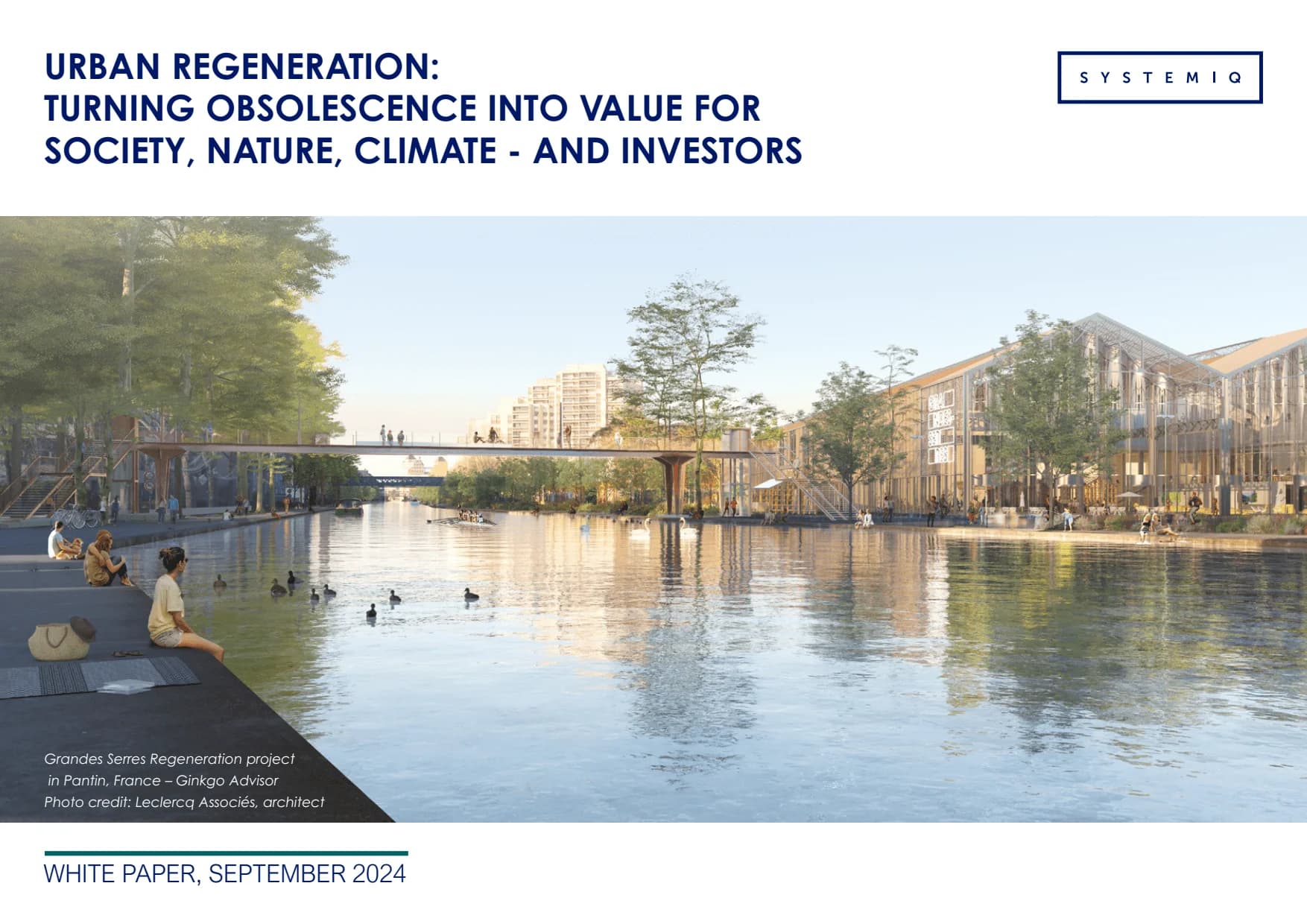
Claims 300km² empty space, 1,000km² brownfields; mid-teens returns; taskforces to scale private regeneration.
Urban Regeneration - Turning obsolescence into value for society, nature, climate – and investors
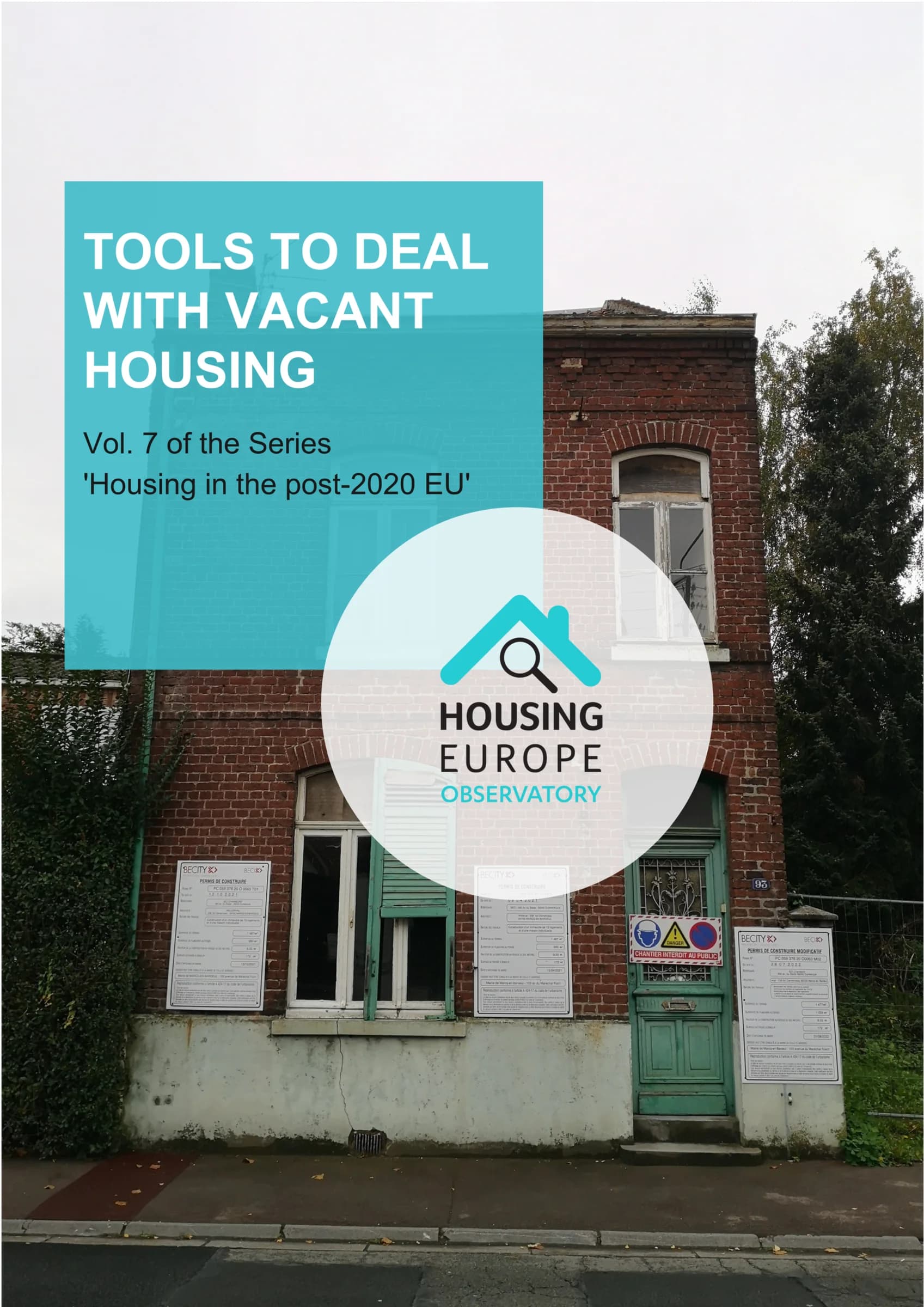
Policy menu maps vacancy causes, measurement tricks, and carrots-and-sticks to return homes to use.
Tools to Deal with Vacant Housing
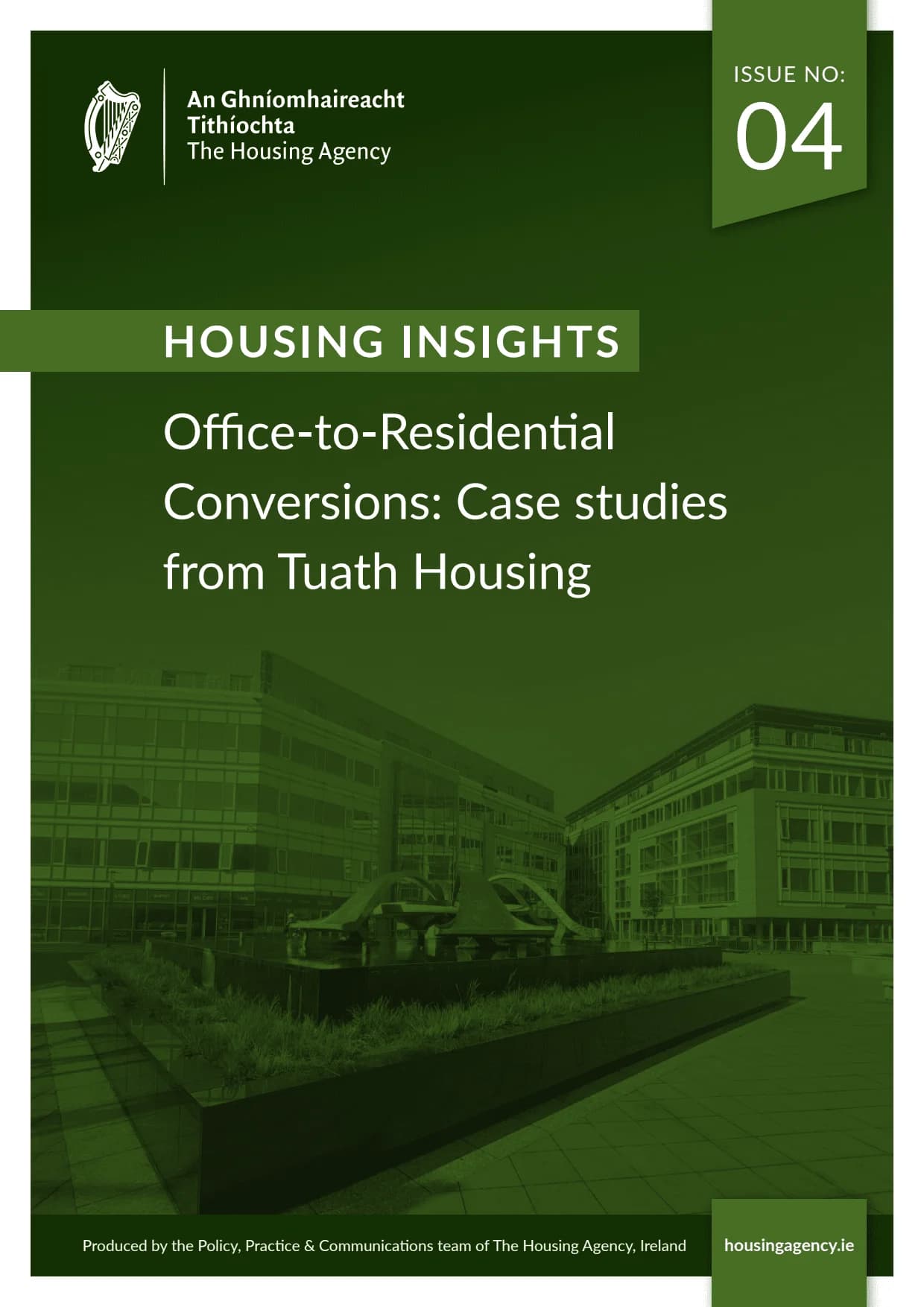
Irish office conversions delivered 121 social homes, occupied, averaging €309–353k and 73% lower embodied carbon.
Housing Insights - Office-to-Residential Conversions: Case studies from Tuath Housing

Report proposes common-good compass to repurpose vacant offices, malls, car infrastructure, churches; maps Hamburg zones.
Obsolete Stadt - Raumpotenziale für eine gemeinwohlorientierte, klimagerechte und koproduktive Stadtentwicklungspraxis in wachsenden Großstädten
Organisations active in Buildings, Reuse, Climate & Construction
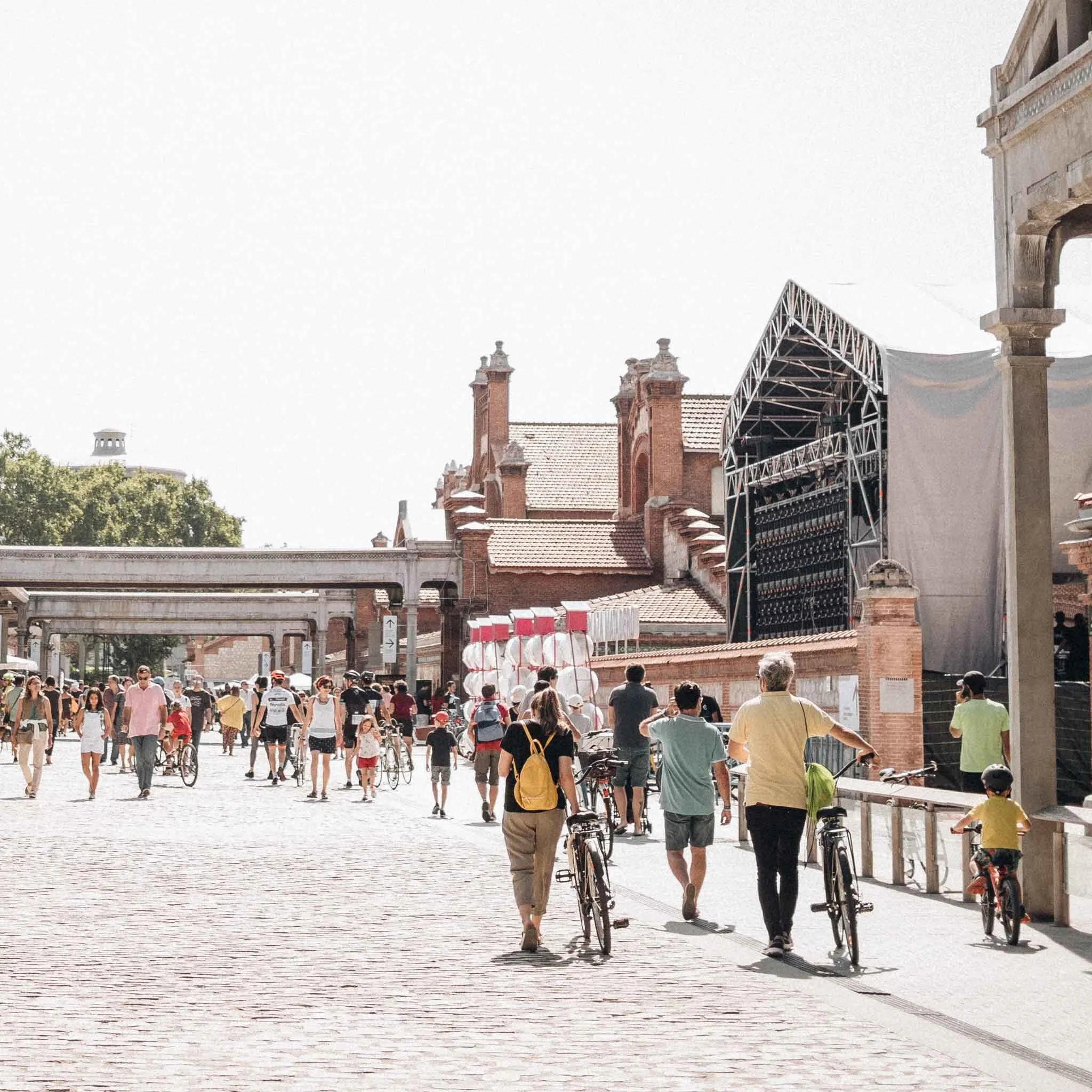
A city made by people
Amsterdam, Netherlands
AC Arquitetos
Lisbon, Portugal

AG Residential
Brussels, Belgium
ETH Zurich Systemic Design Labs
Zurich, Switzerland
Climate Positive Europe Alliance (CPEA)
Brussels, Belgium
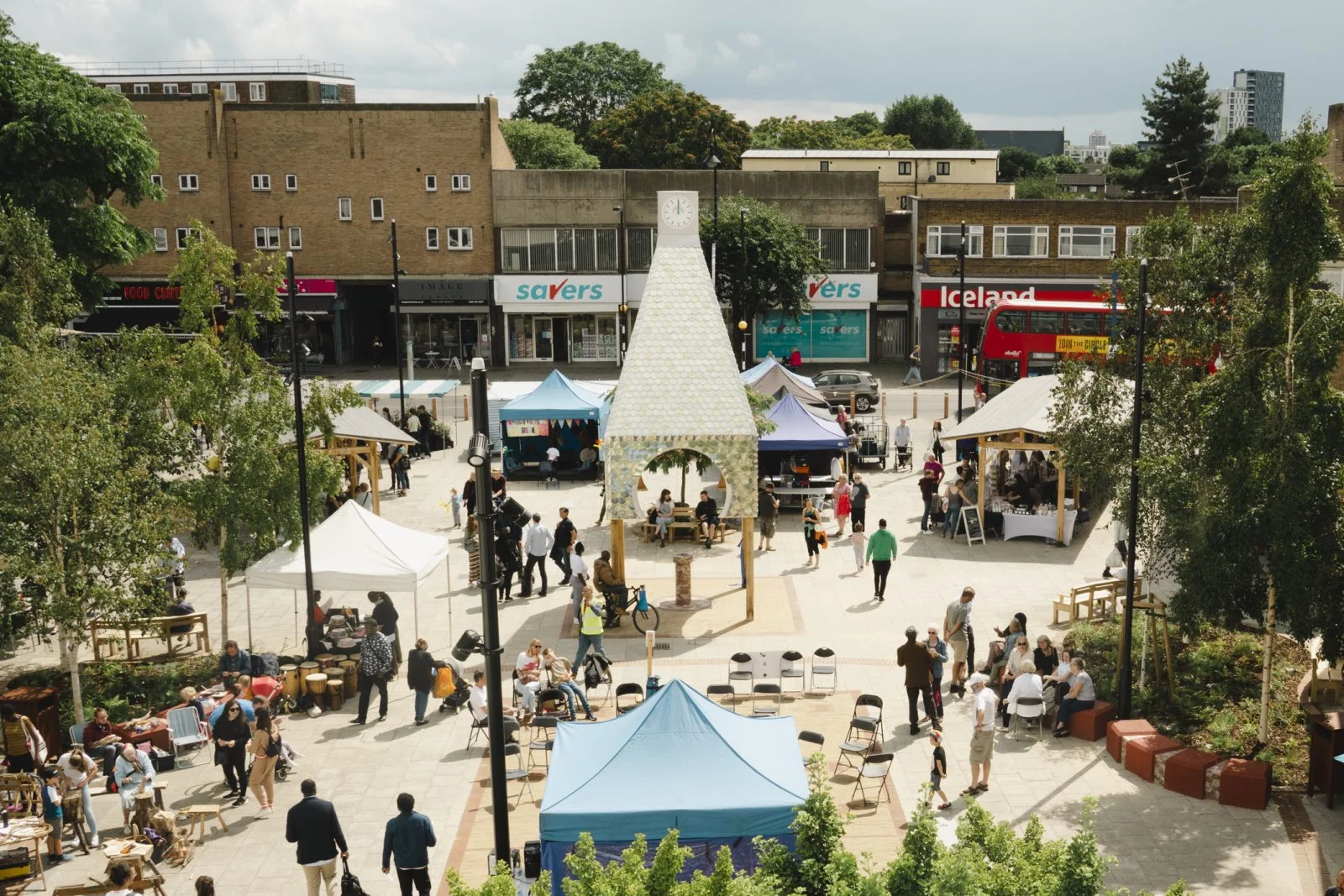
Assemble
London, UK
A-Quadrat Architekten + Ingenieure
Hamburg, Germany
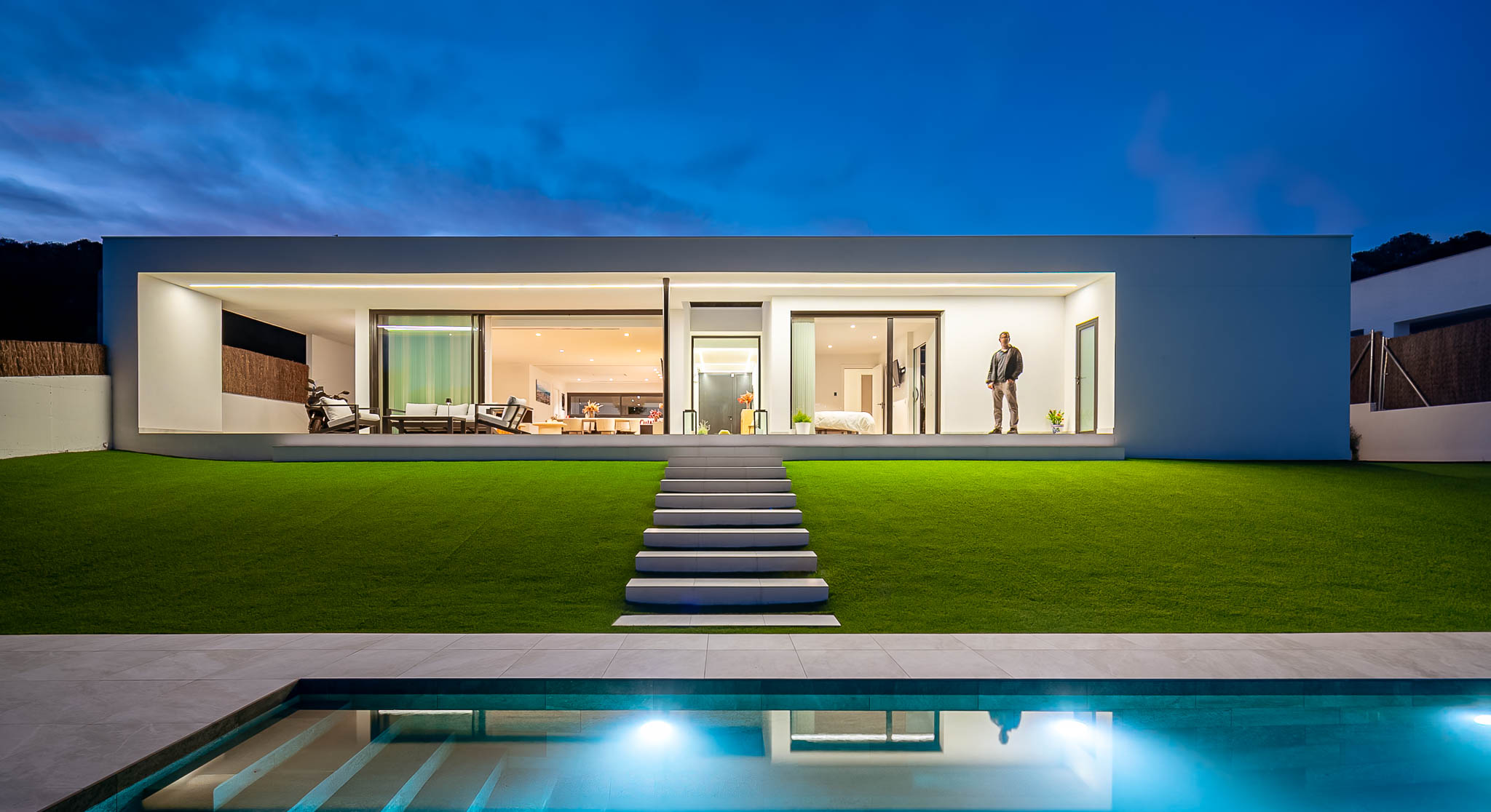
08023 Architects
Barcelona, Spain
1KOMMA5°
Berlin, Germany

ARTE Genova
Genoa, Italy
AM (Royal BAM Group)
Amsterdam, Netherlands
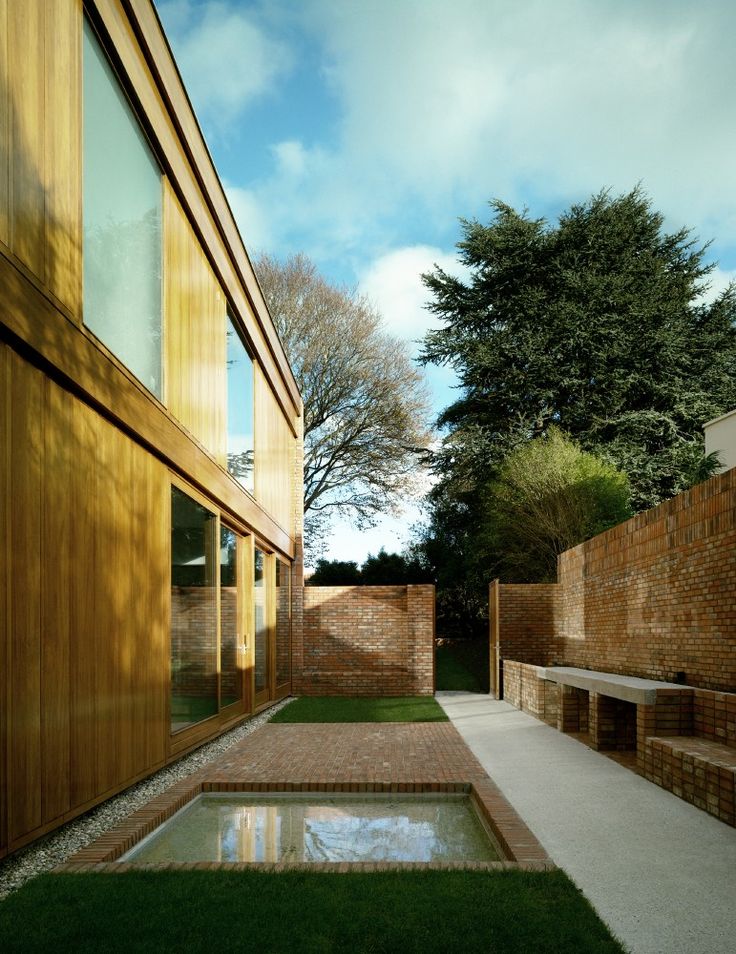
Aughey O’Flaherty Architects
Dublin, Ireland
Projects across Buildings, Reuse, Climate & Construction
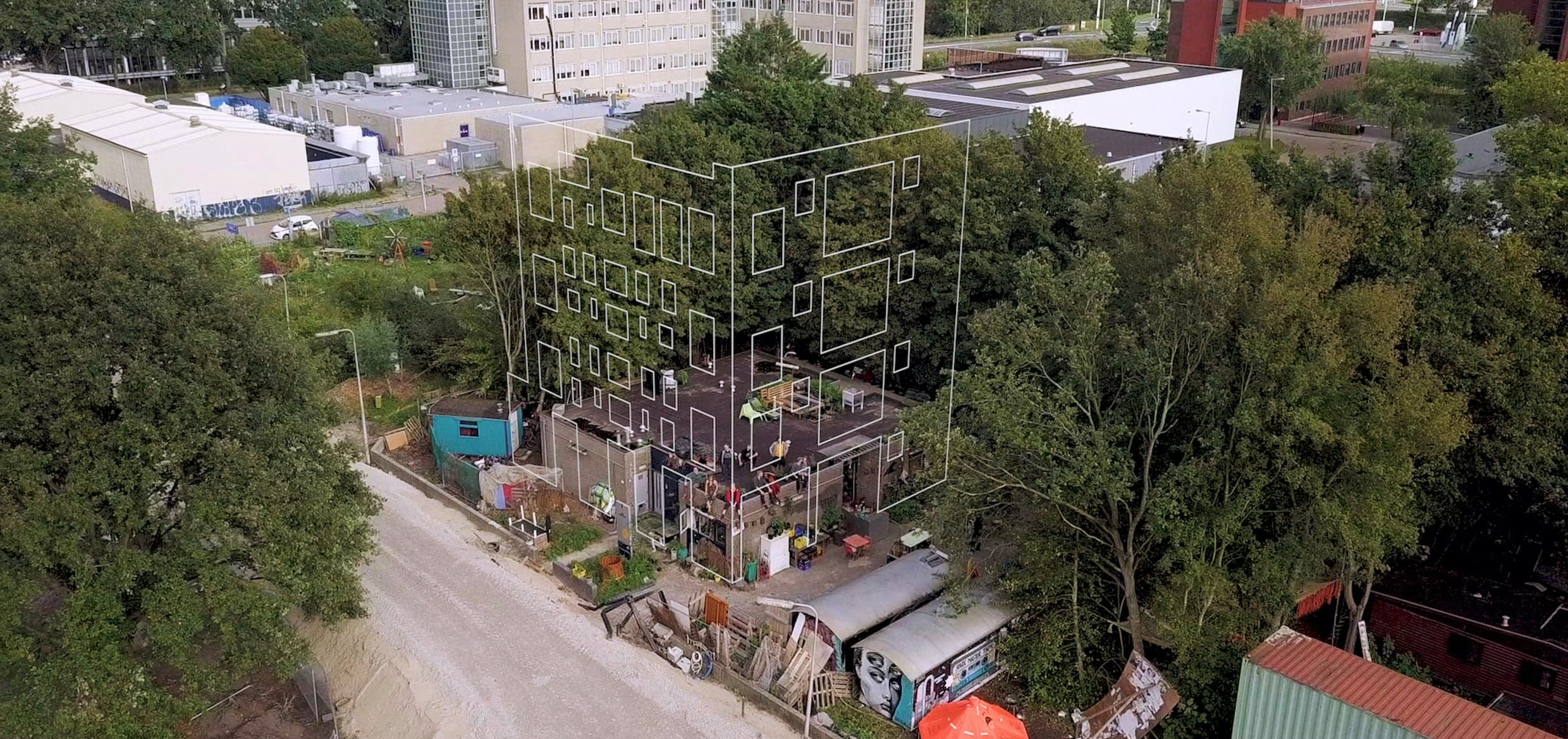
Former prison site transformed into cooperative housing with artist studios, café, theater, and permaculture garden.
Bajesdorp
Amsterdam, Netherlands
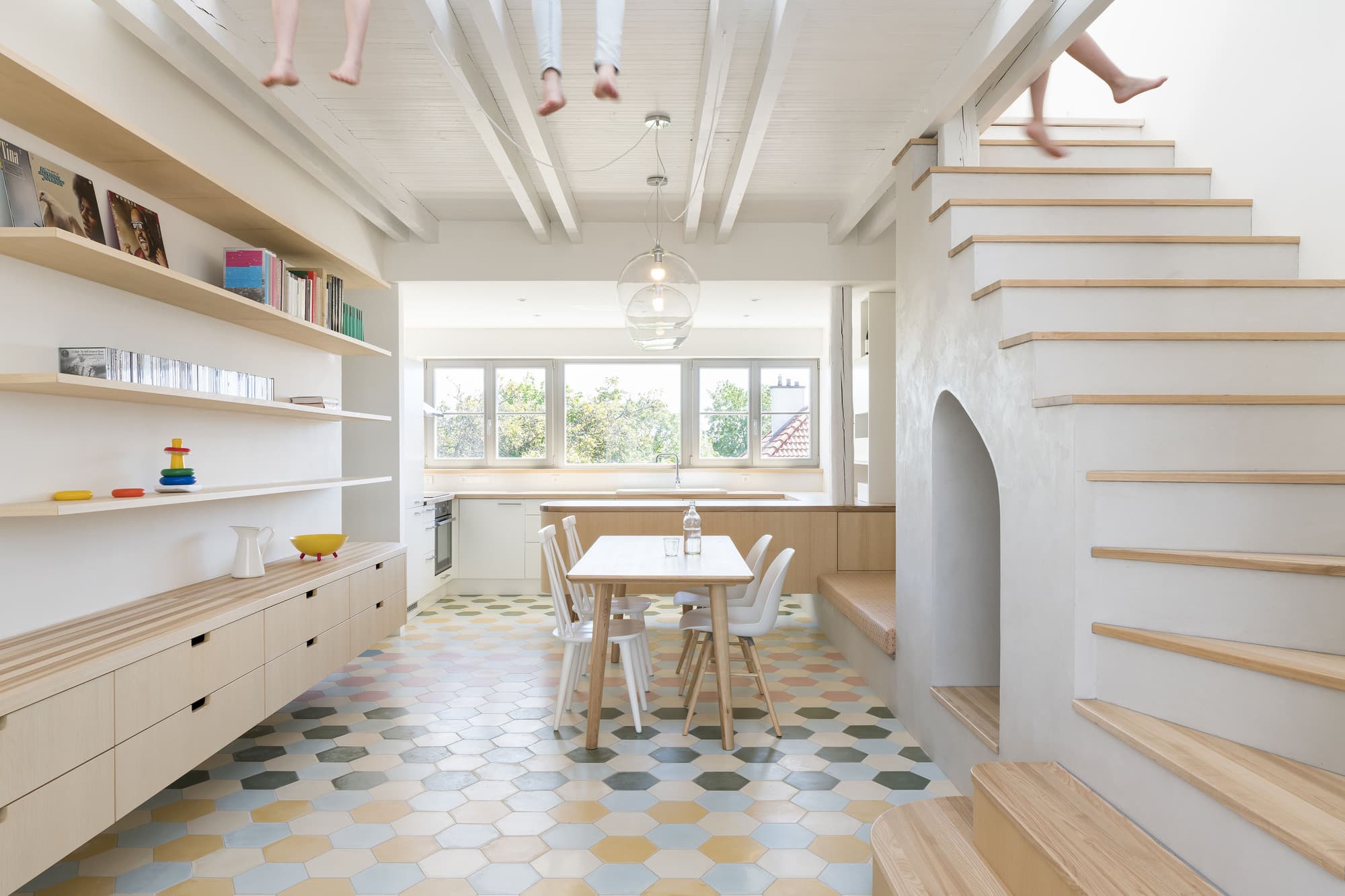
Three‑storey historic villa transformed into three separate apartments with shared cellar facilities.
Baugruppe
Prague, Czechia
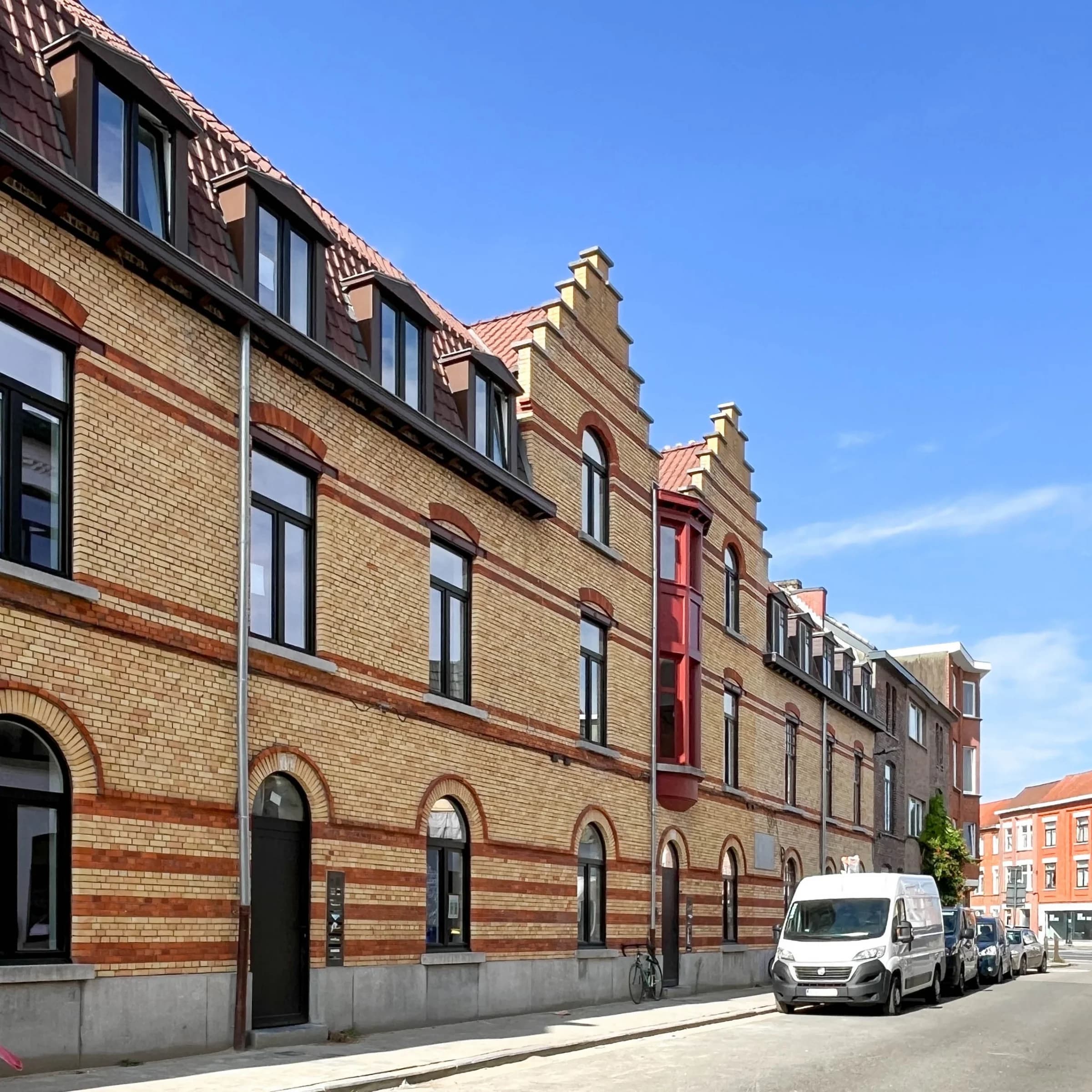
1912 historic buildings, award-winning redesign cuts energy 80%, includes solidarity housing unit.
Bellefleur
Ghent, Belgium
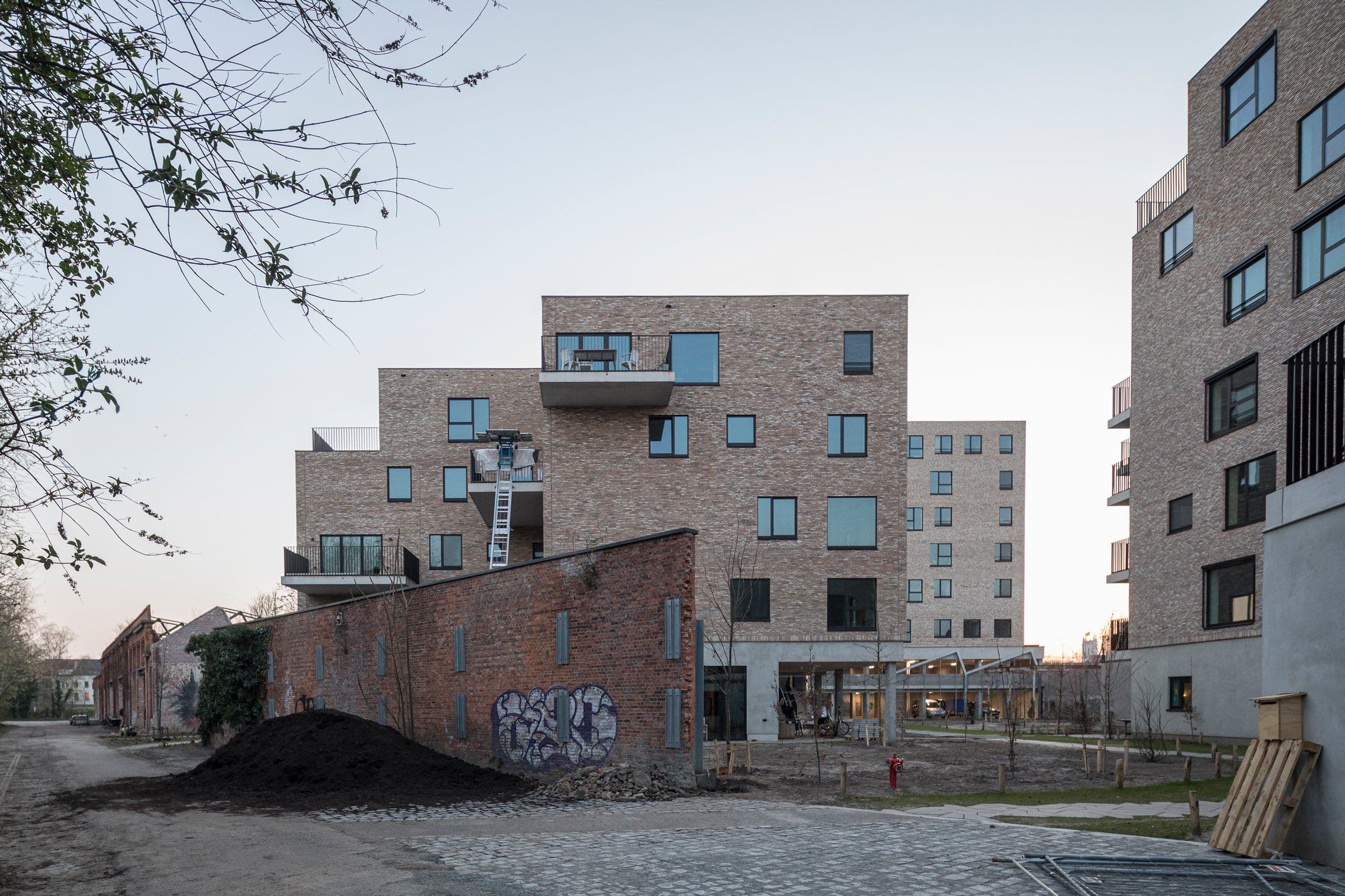
Former factory turned into 59‑unit co‑housing with health centre, roof garden, and award nominations.
Bijgaardehof
Ghent, Belgium
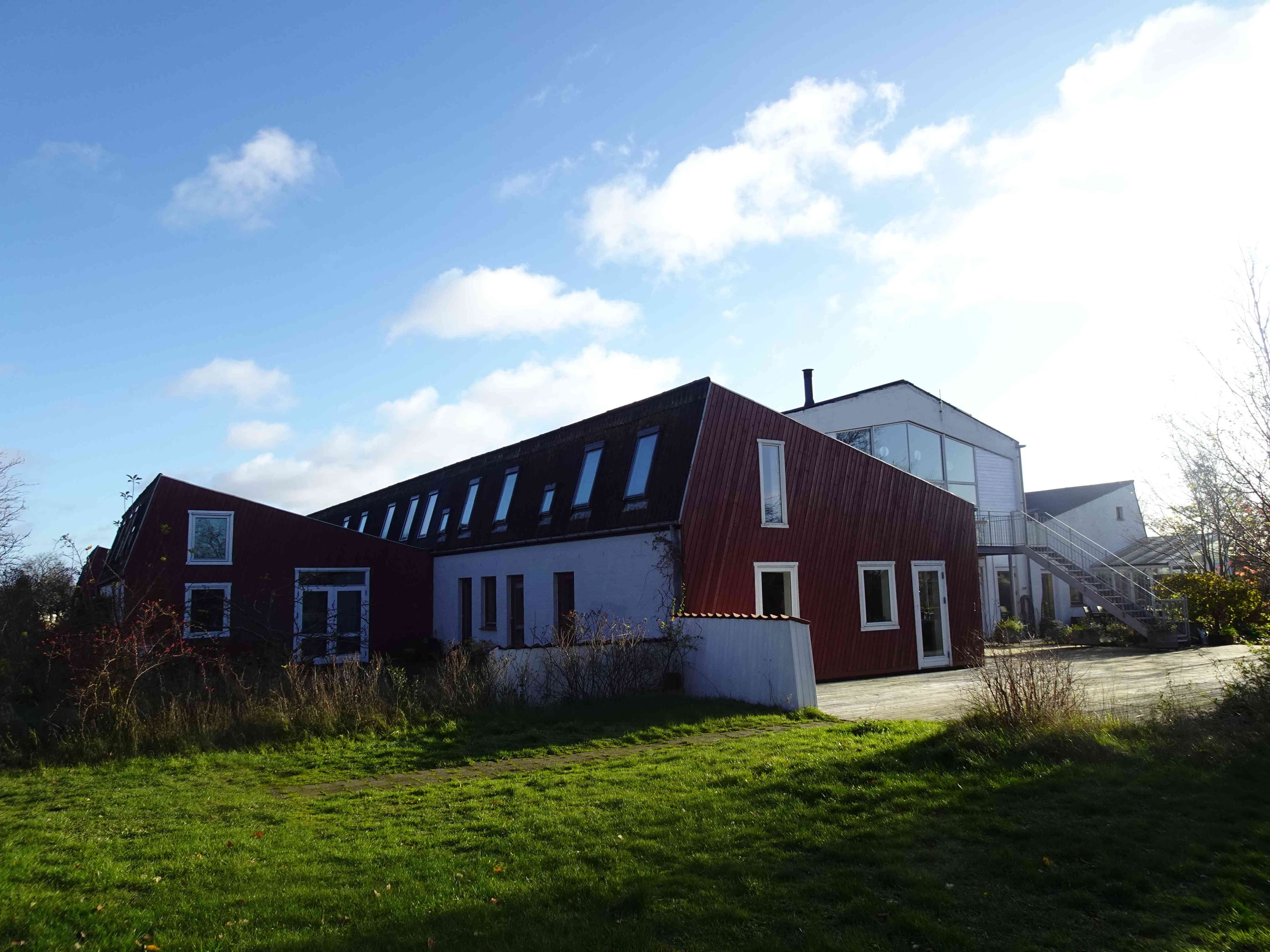
Converted iron foundry hosts 20 homes, communal hall, apple garden, and historic Danish cohousing.
Bofællesskabet Jernstøberiet
Roskilde, Denmark
Former 1880s brewery reborn as 28 homes, communal garden, historic industrial charm.
Brasserie Aerts
Brussels, Belgium
Events related to Buildings, Reuse, Climate & Construction
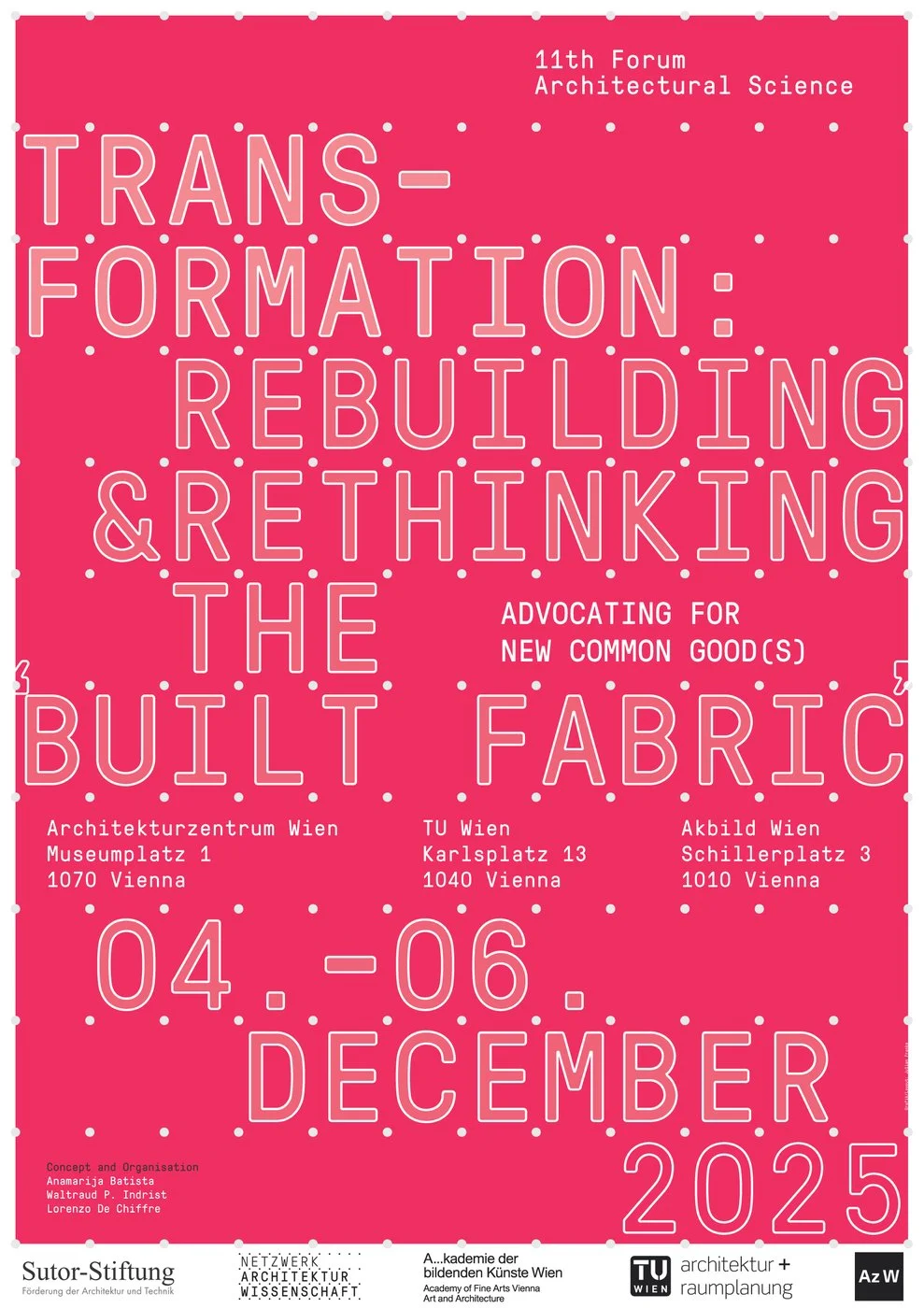
Researchers, architects, and planners explore sustainable transformation of existing buildings and urban fabric.
Transformation: reBuilding and reThinking the ‘Built Fabric’ Advocating for New Common Good(s)
Vienna, Austria
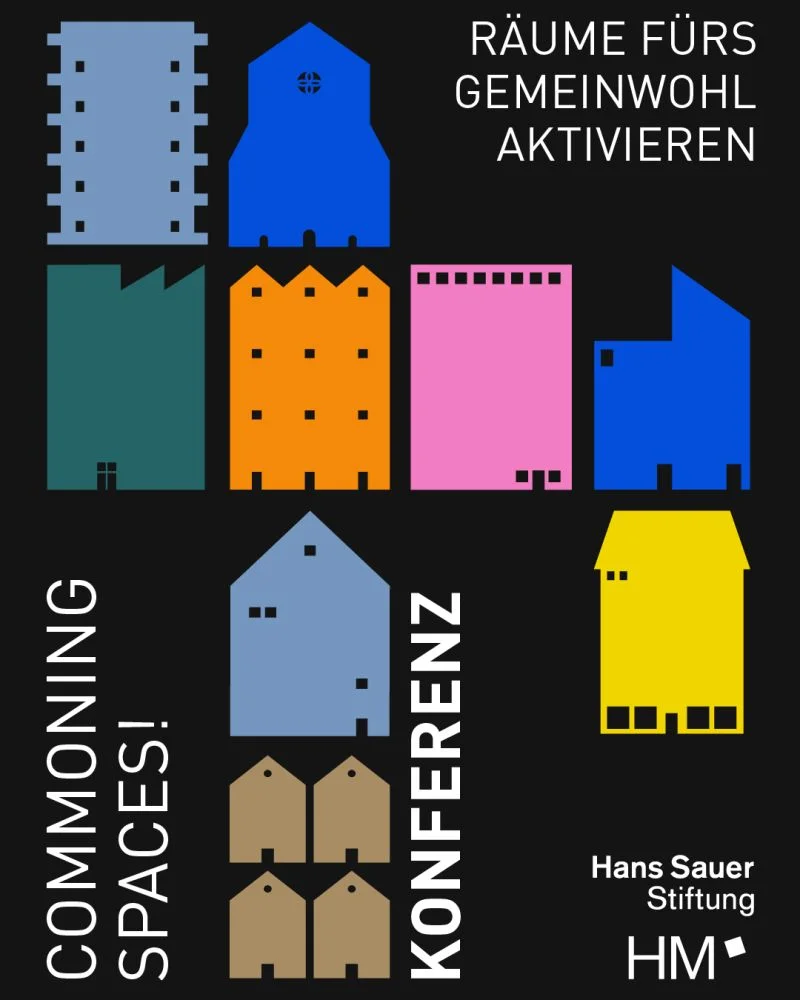
Practitioners, researchers and organizations focusing on repurposing underused spaces for the common good.
Konferenz „Commoning Spaces! – Räume fürs Gemeinwohl aktivieren“
Munich, Germany
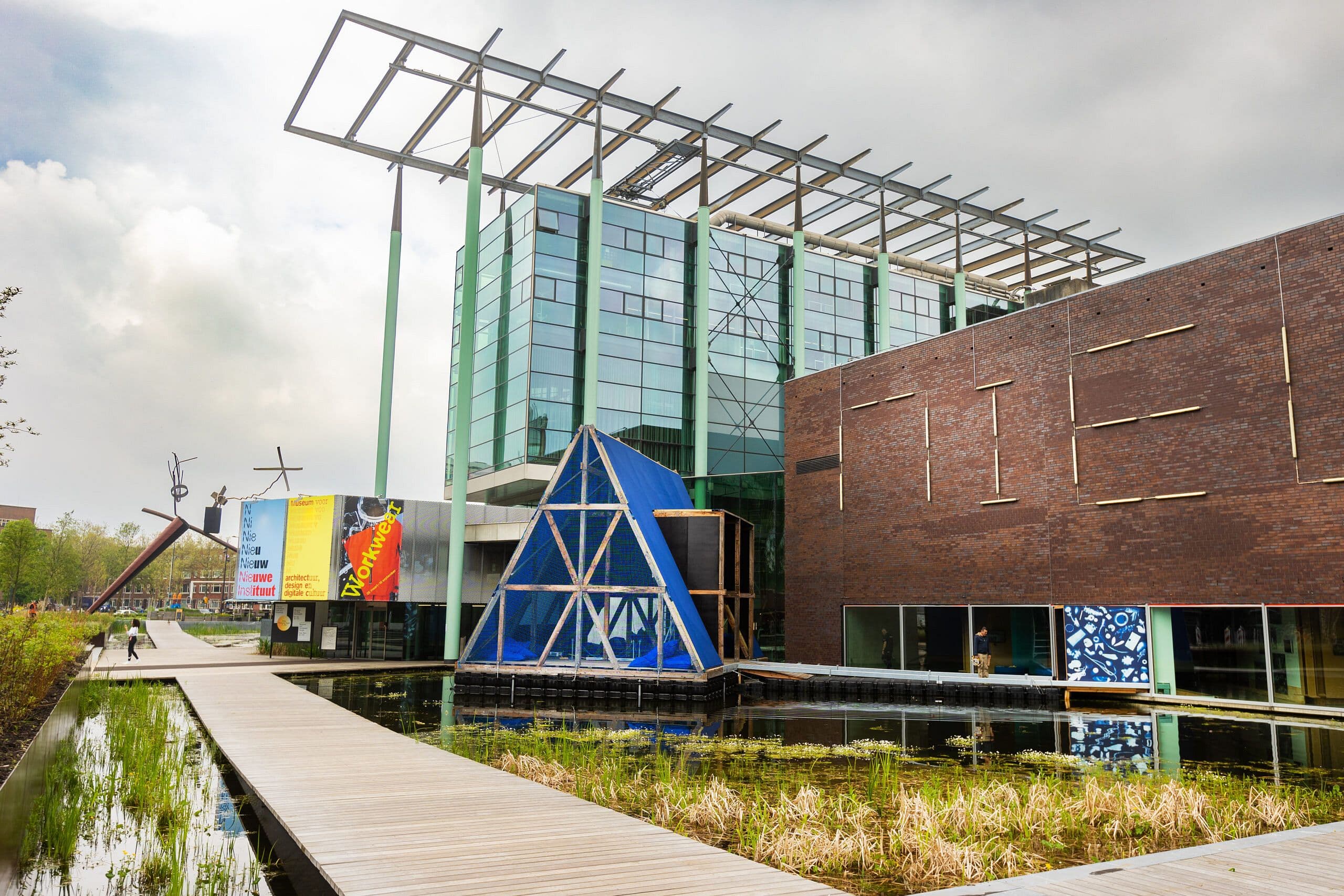
Architects, planners, developers, and policymakers explore adaptable, sustainable building solutions.
Adaptable Building Conference
Rotterdam, Netherlands
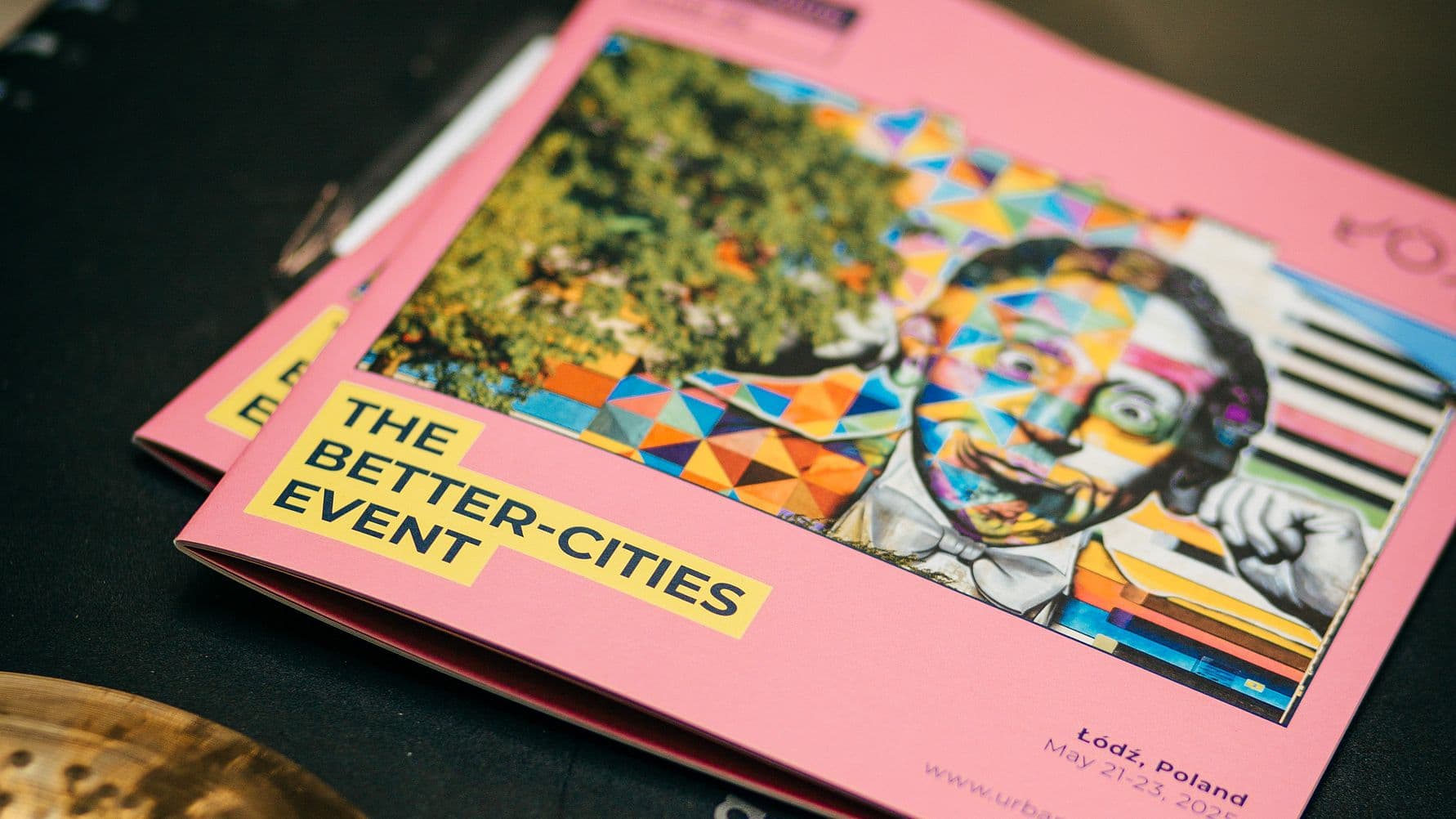
Professionals and leaders gather to explore sustainable urban development, regeneration, and climate‑focused building retrofits.
Urban Future Festival #UF25
Łódź, Poland
Other clusters

Have resources to share?
Help grow our knowledge base by submitting research, case studies, or other resources related to buildings, reuse, climate & construction.
Submit a Resource