Buildings, Reuse, Climate & Construction
Urban Regeneration & Neighbourhoods
Neighbourhood-scale renewal without displacement — anti-displacement, 15-minute cities, mixed-use placemaking
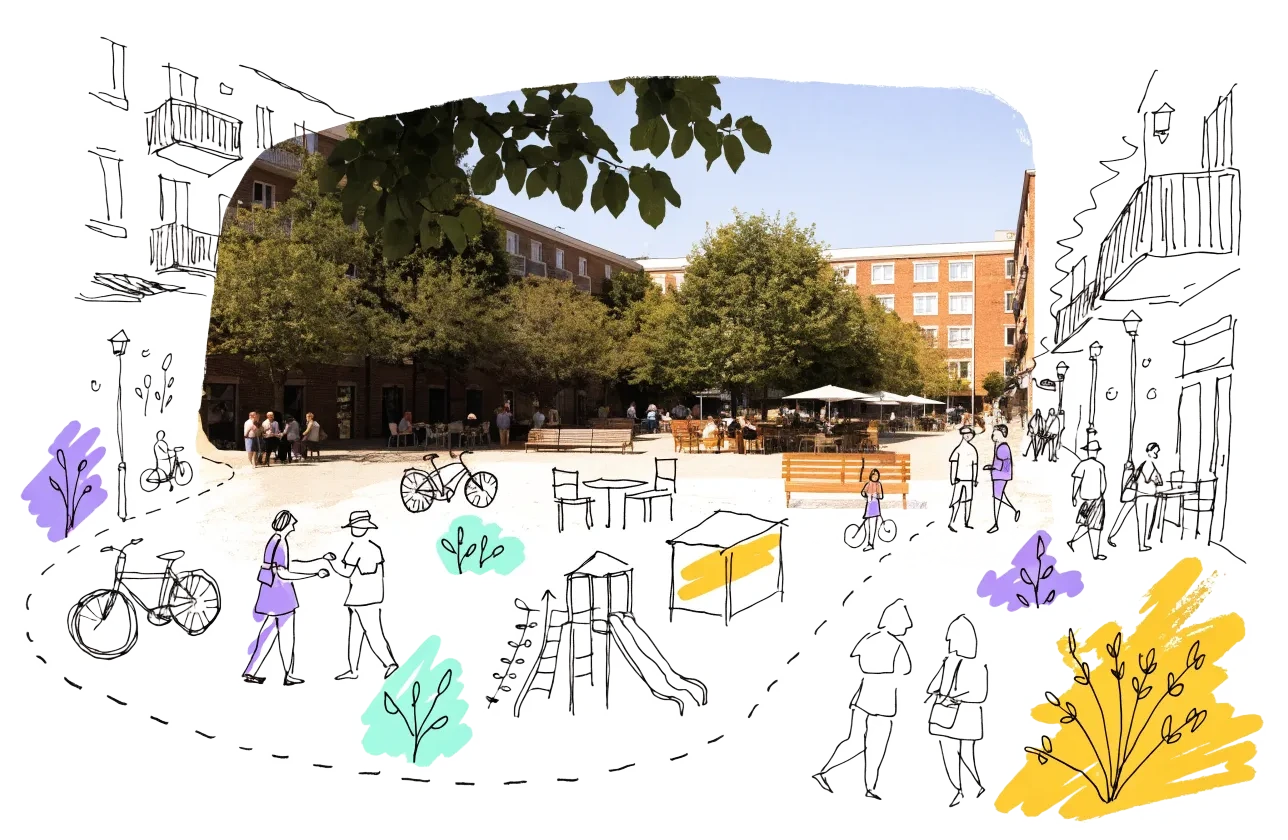
As European cities grapple with spatial obsolescence and climate change, neighbourhood-scale regeneration offers a pathway to revitalise declining areas while fostering complete, walkable communities. Central to this is the fifteen-minute city concept, which advocates for daily needs to be met within a short walk or cycle, alongside mixed-use development and green infrastructure. Yet, physical renewal must not compromise social equity. Aligned with the European Union's focus on a just transition, contemporary planning demands robust anti-displacement strategies to protect residents from gentrification and renovictions. By prioritising participatory planning and the adaptive reuse of vacant buildings, regeneration can transform underused spaces into genuine community assets, ensuring the benefits of neighbourhood transformation are shared by everyone.
Below, you will find resources exploring these dynamics, ranging from research on avoiding renovictions and the affordability of Germany's large housing estates to studies on community-driven adaptive reuse and office-to-housing conversions. The page highlights pioneering organisations such as Actors of Urban Change and Architectuurwijzer, alongside concrete examples of inclusive renewal like Can Batlló and Bikes and Rails. You can also discover upcoming opportunities to debate these themes at gatherings including the EURA 2026 Annual Conference, the DUT Conference, and the polis Convention Düsseldorf. Explore the materials to learn how co-operative housing models and community-led participation are actively reshaping the built fabric of our cities for the common good.
Below, you will find resources exploring these dynamics, ranging from research on avoiding renovictions and the affordability of Germany's large housing estates to studies on community-driven adaptive reuse and office-to-housing conversions. The page highlights pioneering organisations such as Actors of Urban Change and Architectuurwijzer, alongside concrete examples of inclusive renewal like Can Batlló and Bikes and Rails. You can also discover upcoming opportunities to debate these themes at gatherings including the EURA 2026 Annual Conference, the DUT Conference, and the polis Convention Düsseldorf. Explore the materials to learn how co-operative housing models and community-led participation are actively reshaping the built fabric of our cities for the common good.
Key Aspects
Anti-Displacement
Policies and strategies that protect existing residents during neighbourhood change
Adaptive Reuse
Converting vacant and underused buildings into community assets
Participatory Planning
Engaging residents meaningfully in decisions about their neighbourhoods
Mixed-Use Development
Creating walkable, complete neighbourhoods with housing, services, and employment
Green Infrastructure
Integrating sustainability and climate resilience into regeneration projects
15-minute neighbourhoods
Designing for daily needs within walking and cycling distance
Just transitions
Ensuring climate and energy renewal benefits everyone, not just the well-off
Knowledge Resources

Osiedle Maltańskie bez tajemnic. Konflikt, który podzielił Poznań
The Q in Nürnberg lebt: Das kommt 2026 auf dem früheren Quelle-Areal
Begato, svelate le nuove palazzine al posto dell'ex Diga: "A ottobre entrano i primi abitanti" (Genova24)
Olga-Areal in Stuttgart: Stadtreparatur mit Bürgern
Residents rate post‑industrial loft conversion’s social impact, revealing surprising neighbourhood perceptions from 2017 survey.
Lofty „U Scheiblera” w Łodzi z perspektywy mieszkańców najbliższego otoczenia
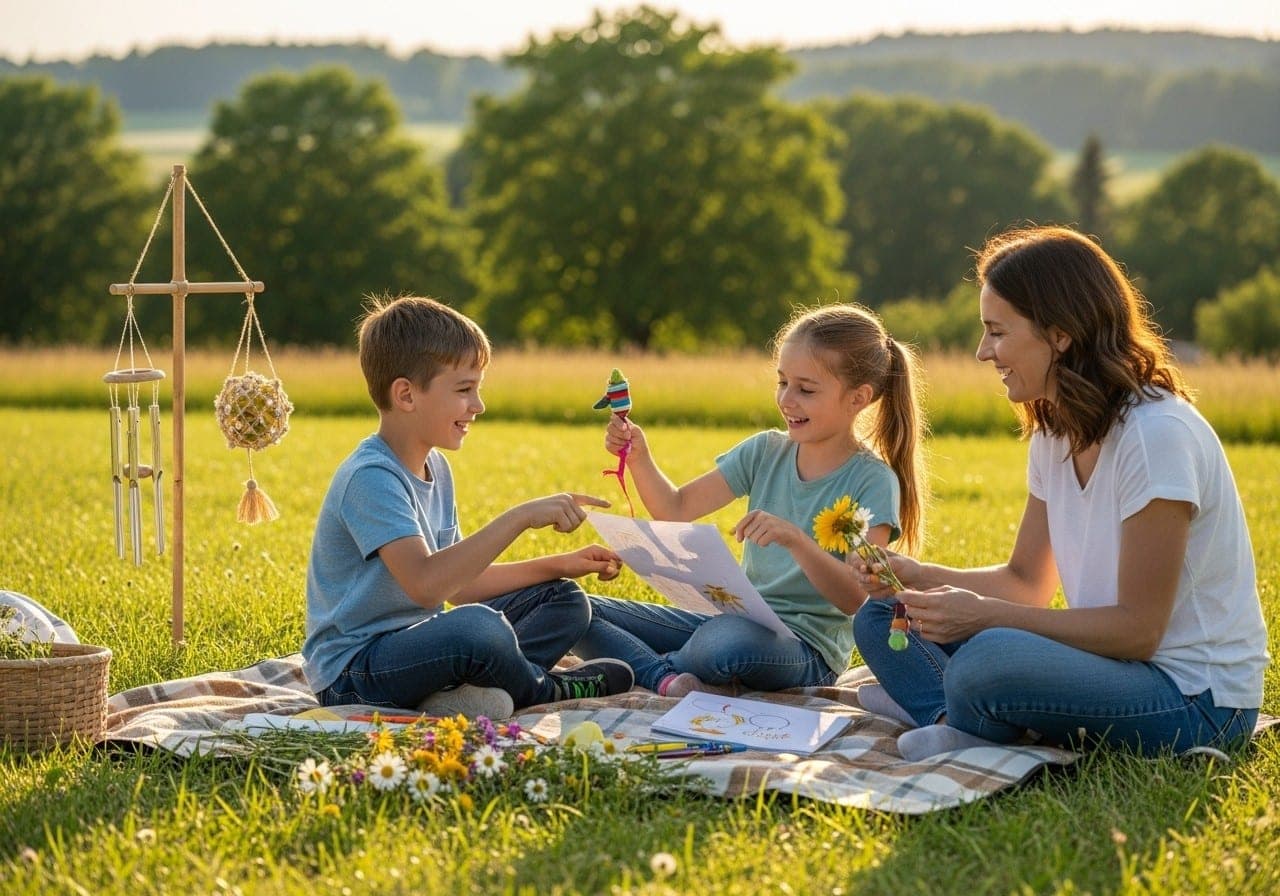
Stuttgart residents rate life quality high, yet 69% cite soaring rents and endless construction as top concerns.
Stuttgart-Umfrage 2025: Mehrheit der Bürger lebt gerne in Stuttgart
Related Organisations
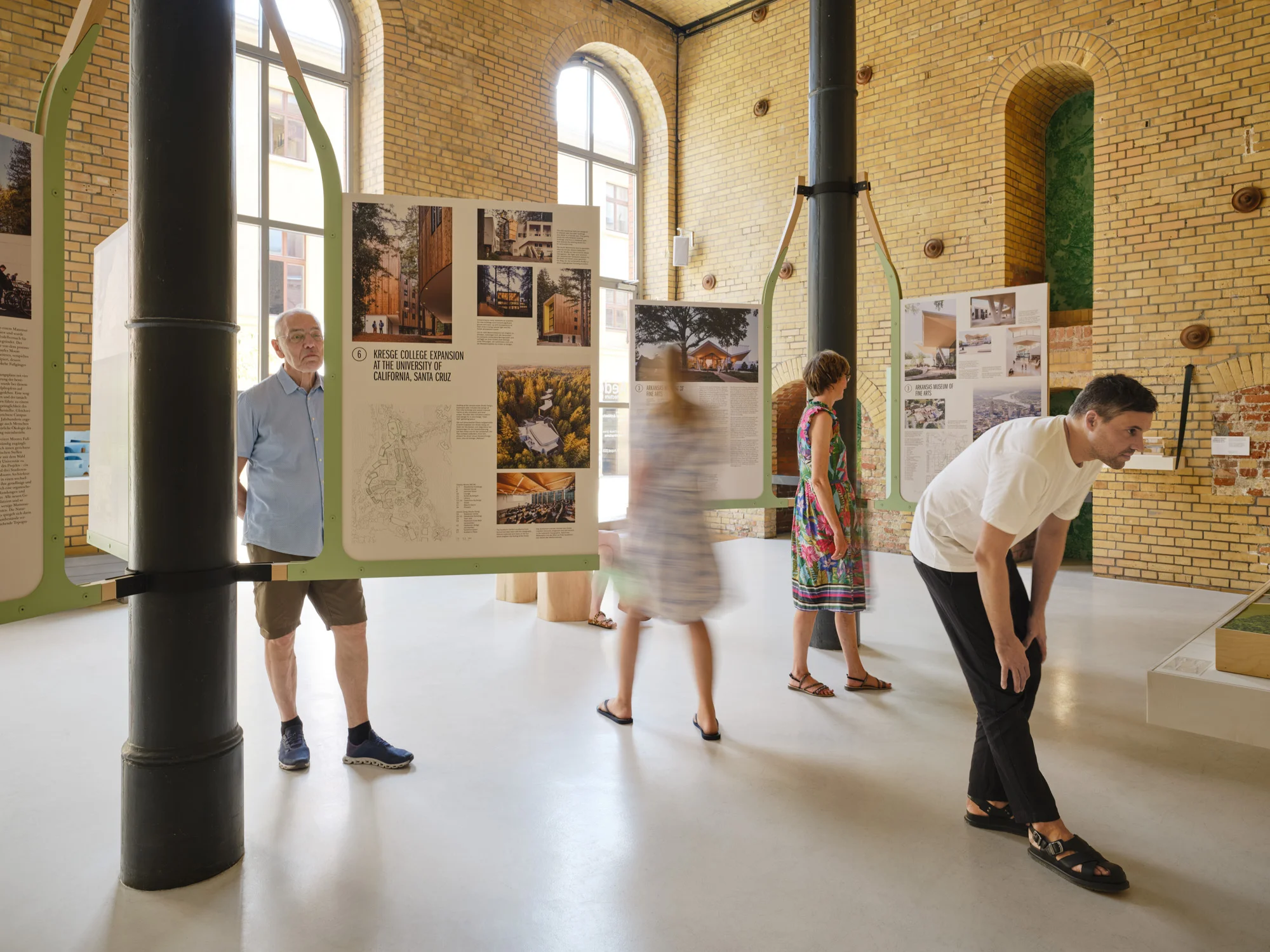
Aedes
Berlin, Germany
Happy City Lab
Geneva, Switzerland
wohnbund e.V.
Leipzig, Germany
Kamikaze Arkitekter
Malmö, Sweden
HafenCity University Hamburg (HCU)
Hamburg, Germany
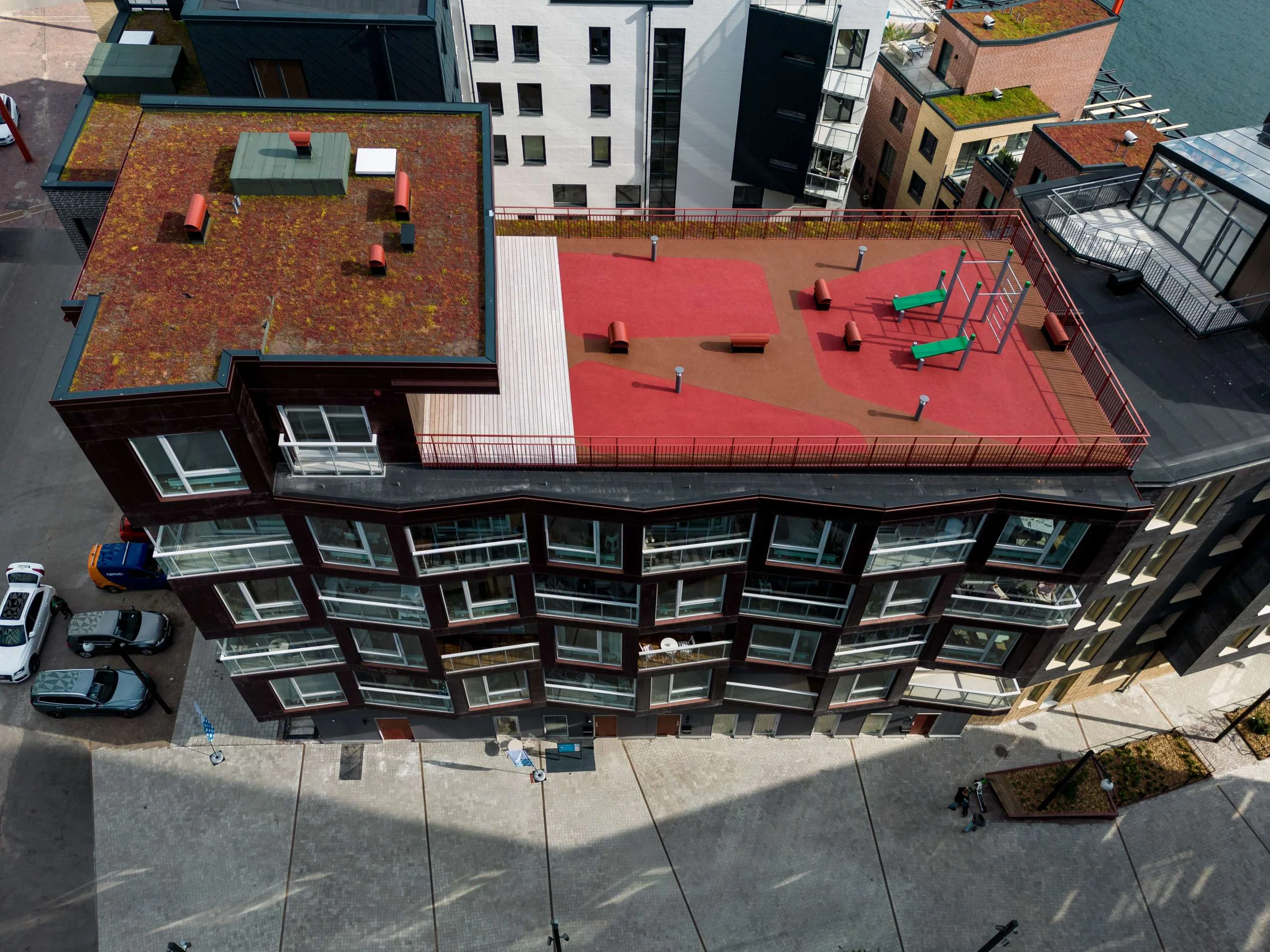
Kanozi Arkitekter
Gothenburg, Sweden
New European Bauhaus
Brussels, Belgium
GABU Heindl Architecture
Vienna, Austria
De Grote Verbouwing | The Great Transformation
Brussels, Belgium
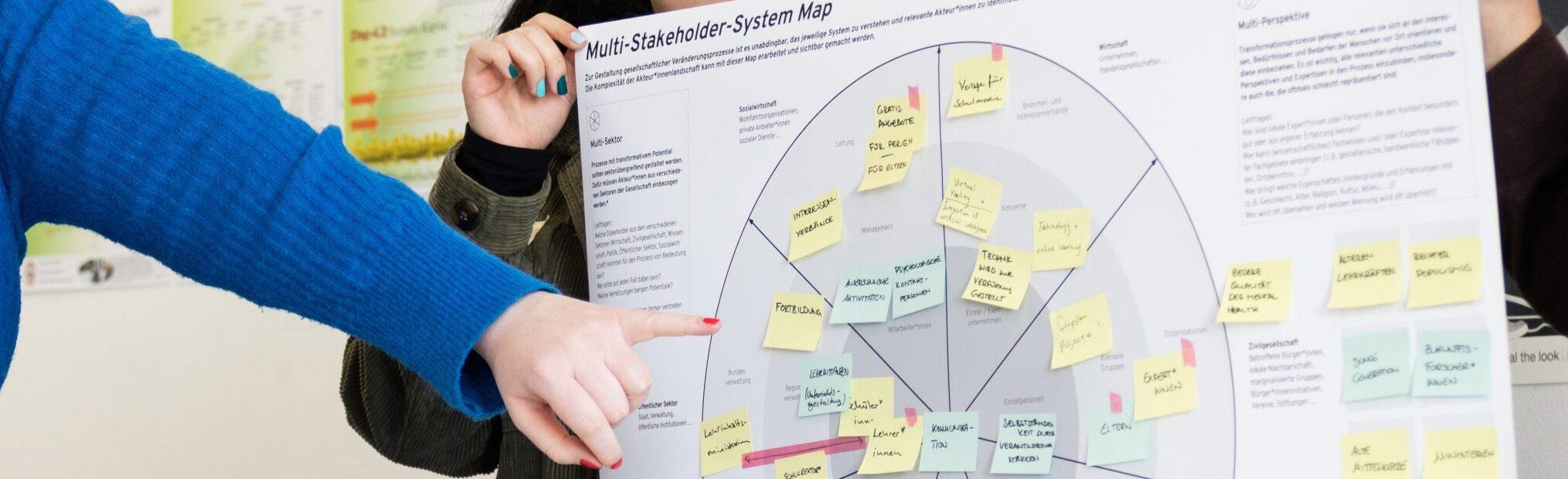
Hans Sauer Stiftung
Munich, Germany

dan pearlman
Berlin, Germany

Verein Berliner Kaufleute und Industrieller (VBKI)
Berlin, Germany
Related Projects
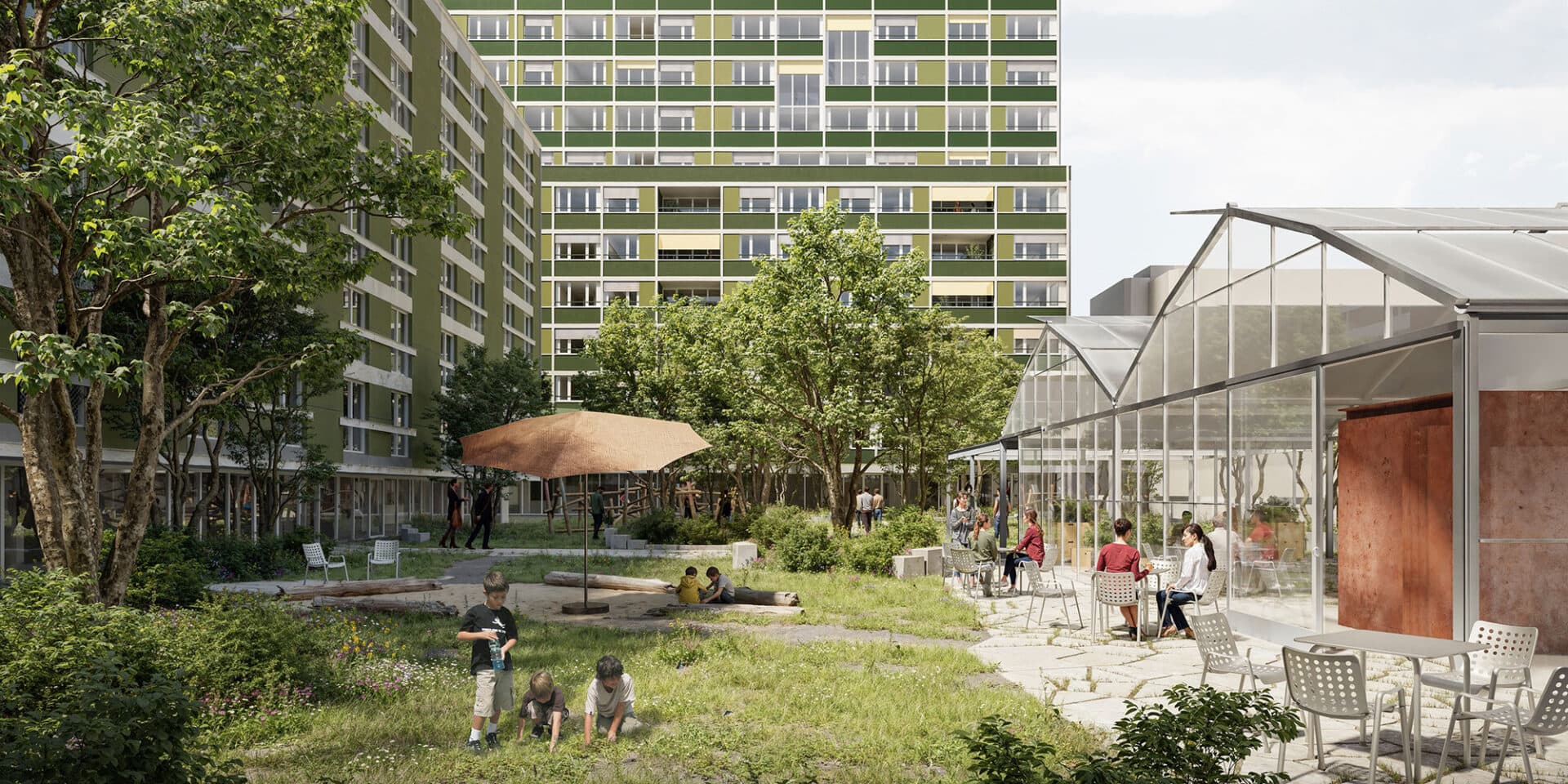
200‑unit high‑rise, 350 non‑profit homes, 12,000 m² park, historic coal warehouse, 2000‑Watt standards.
ABZ Tower im Koch-Quartier
Zurich, Switzerland
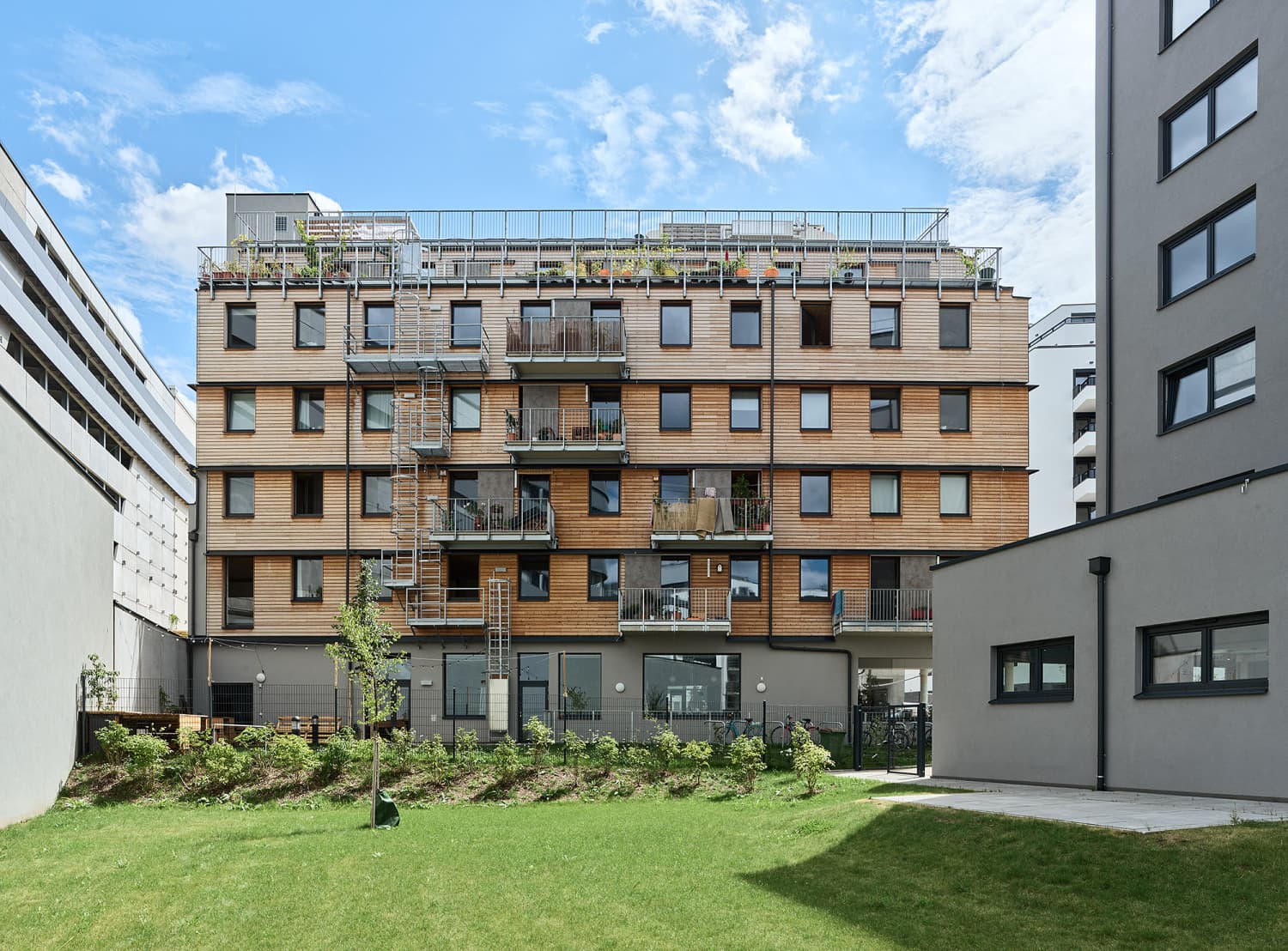
Timber‑frame passive house with 18 units, solar power, bike workshop, rooftop terrace in Vienna.
Bikes and Rails
Vienna, Austria
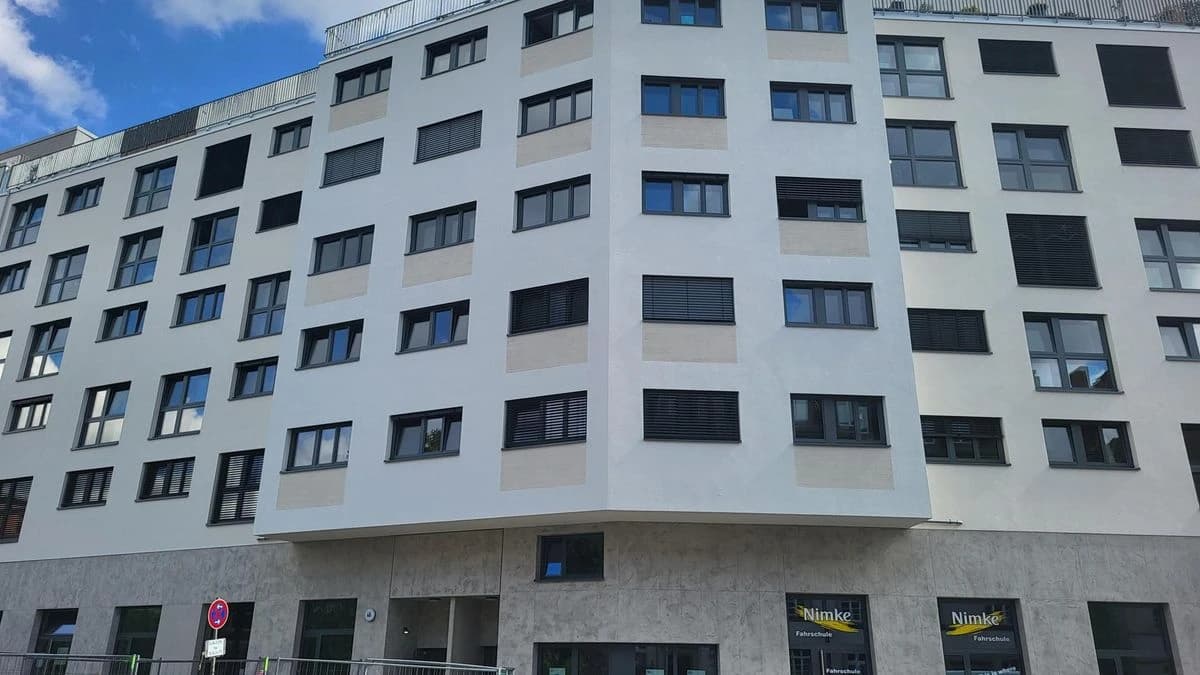
50 apartments, 13 rent‑controlled units, 600 m² commercial space, energy‑efficient KfW40 design.
Blaue Insel
Berlin, Germany
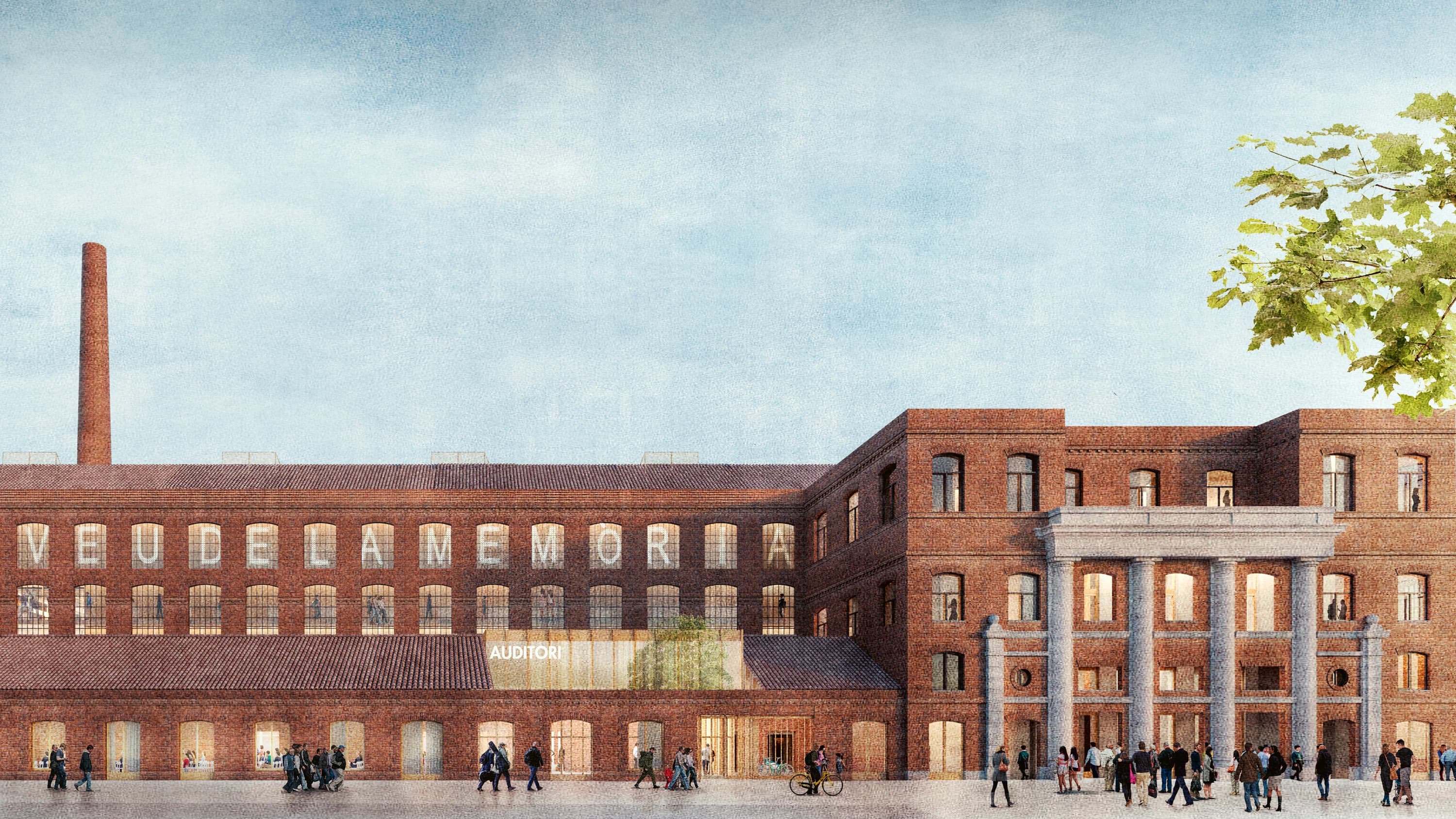
A former textile mill now hosts 42 projects across 13,000 m², managed entirely by residents.
Can Batlló
Barcelona, Spain
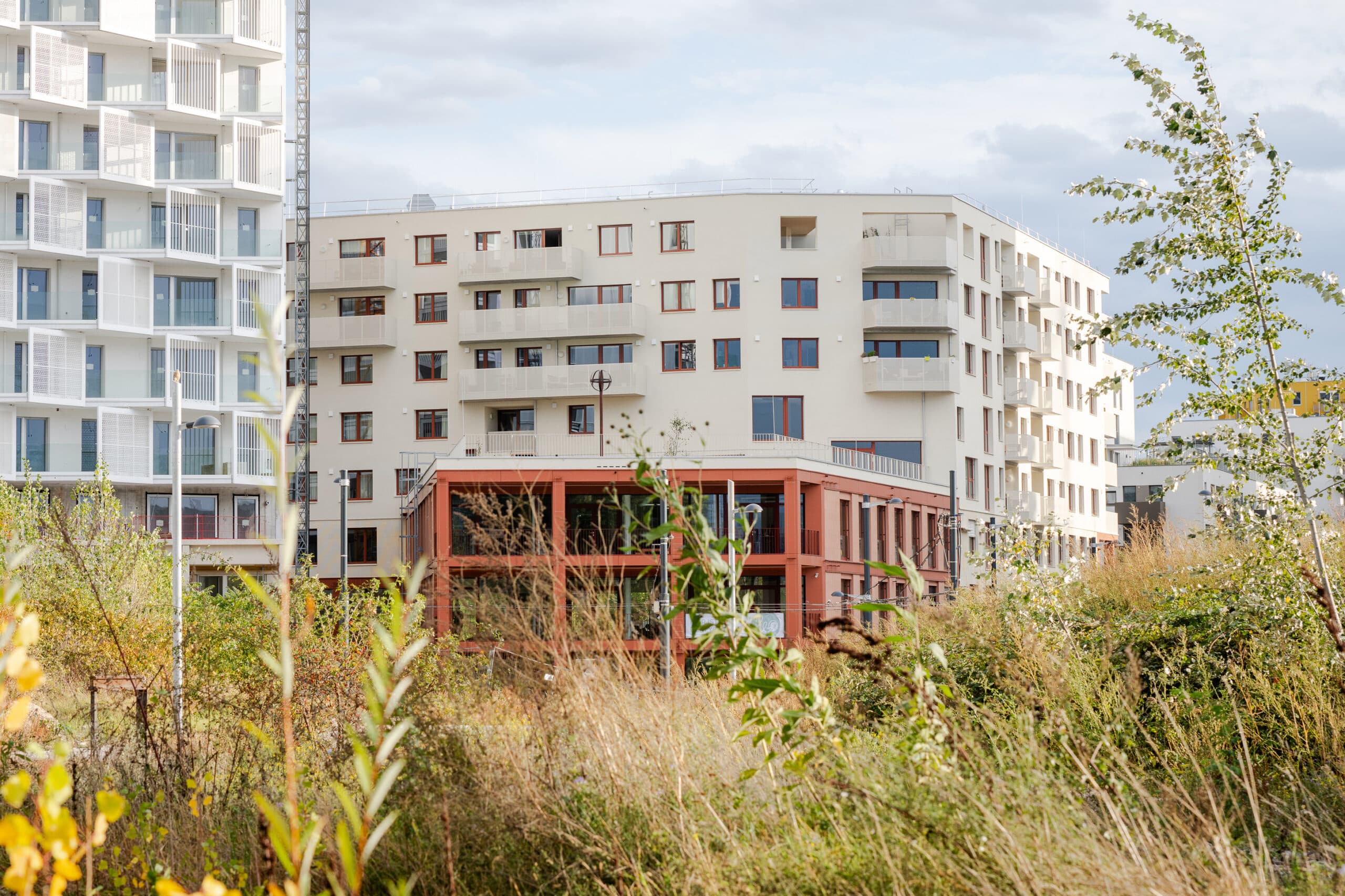
250 residents share rooftop garden, kindergarten, coworking spaces, and guest rooms in Vienna.
Die Hauswirtschaft
Vienna, Austria
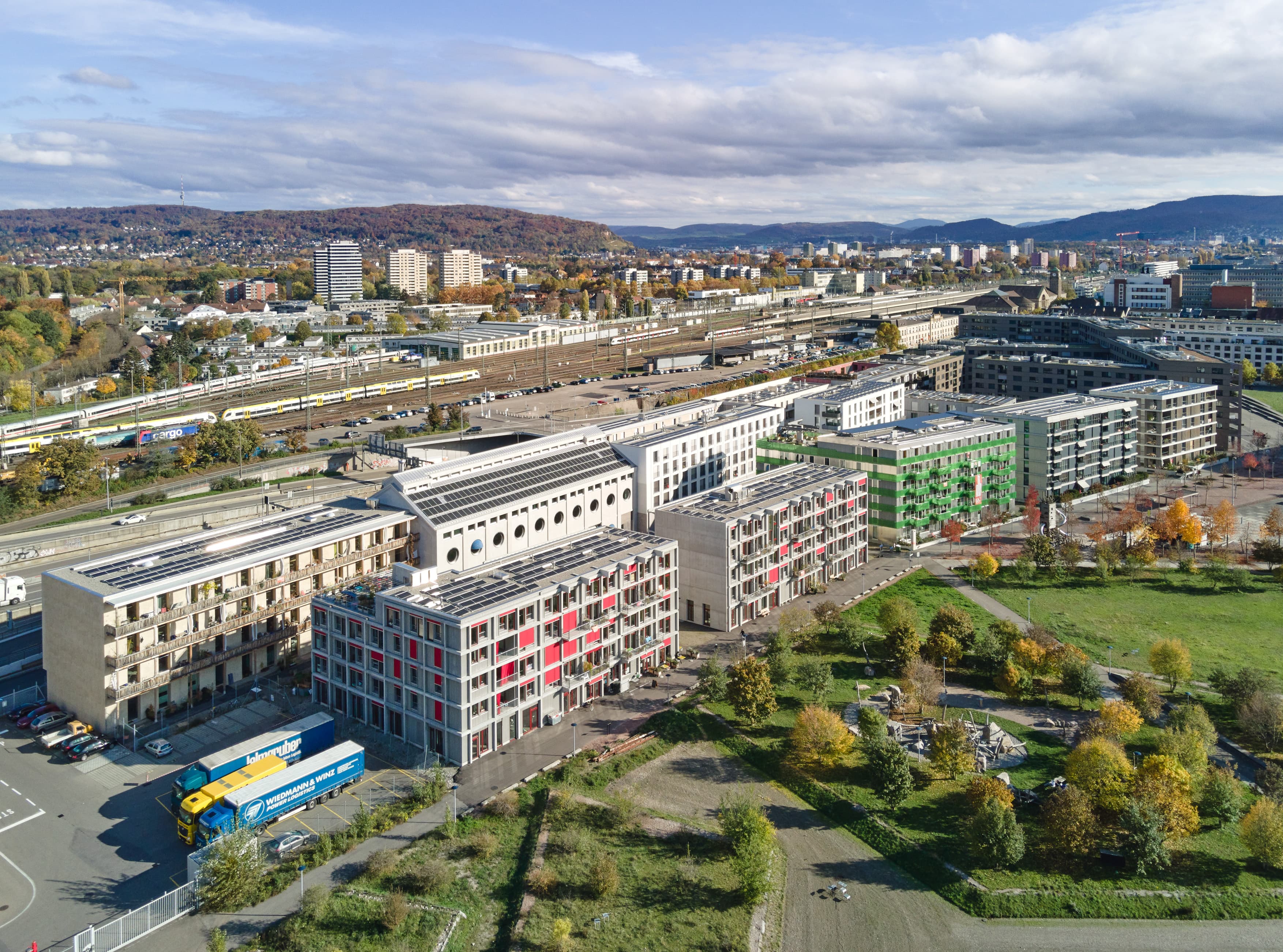
Former industrial site now powers Basel district with 100% renewable energy and rooftop photovoltaics.
Erlenmatt Ost
Basel, Switzerland
Related Events
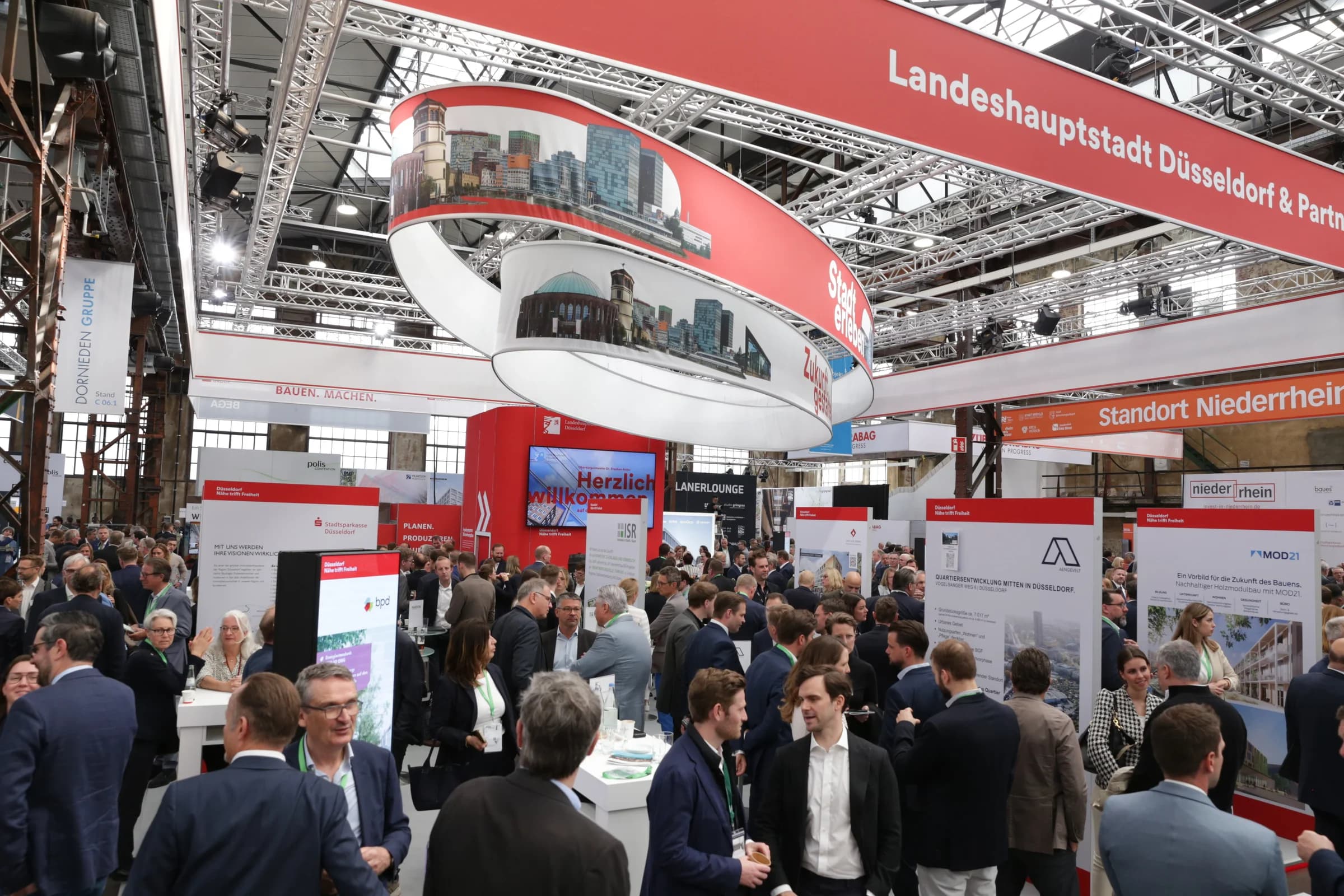
Urban planners, developers, and officials gathering to discuss sustainable city development and project innovation.
polis Convention Düsseldorf 2026
Düsseldorf, Germany
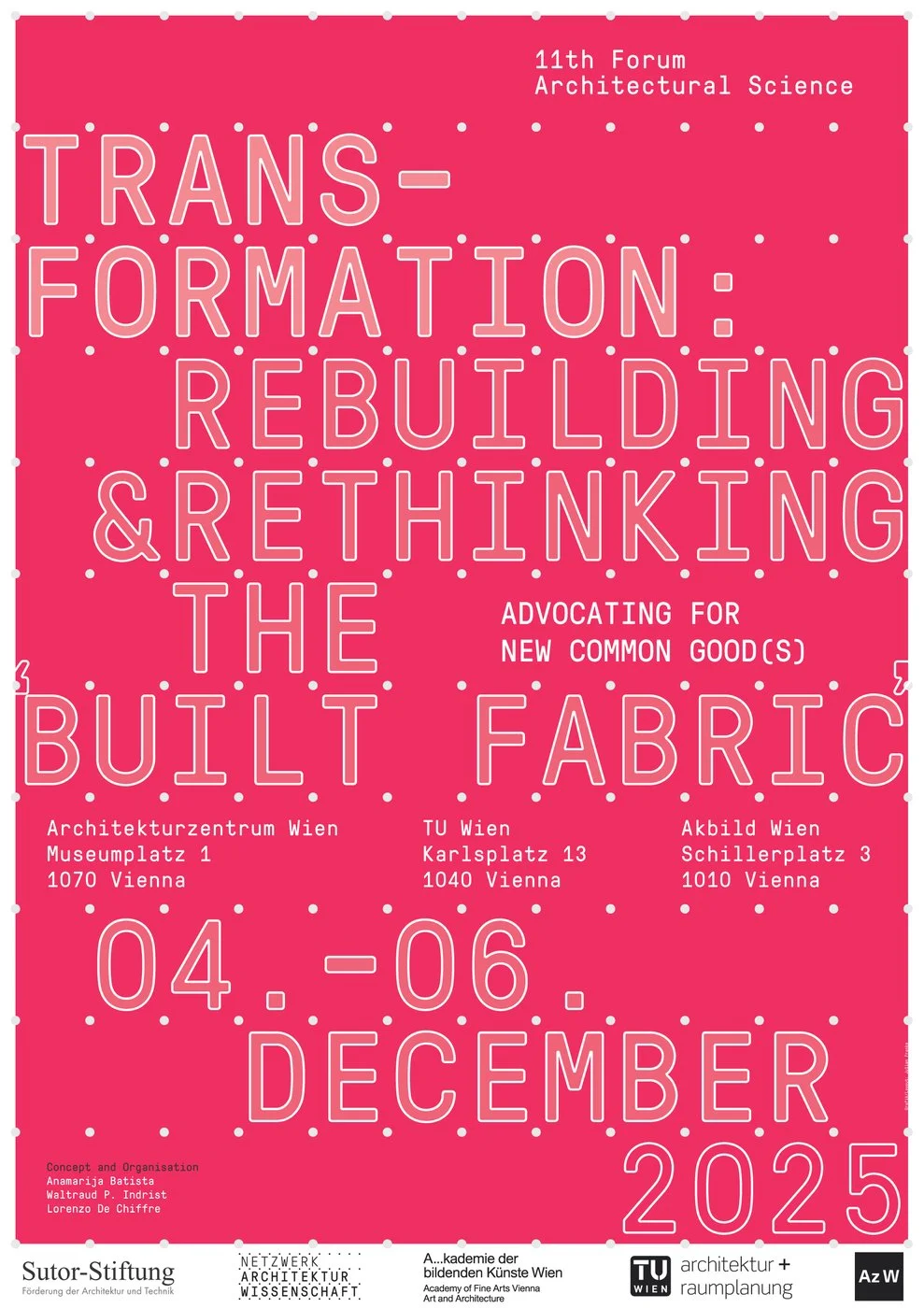
Researchers, architects, and planners explore sustainable transformation of existing buildings and urban fabric.
Transformation: reBuilding and reThinking the ‘Built Fabric’ Advocating for New Common Good(s)
Vienna, Austria
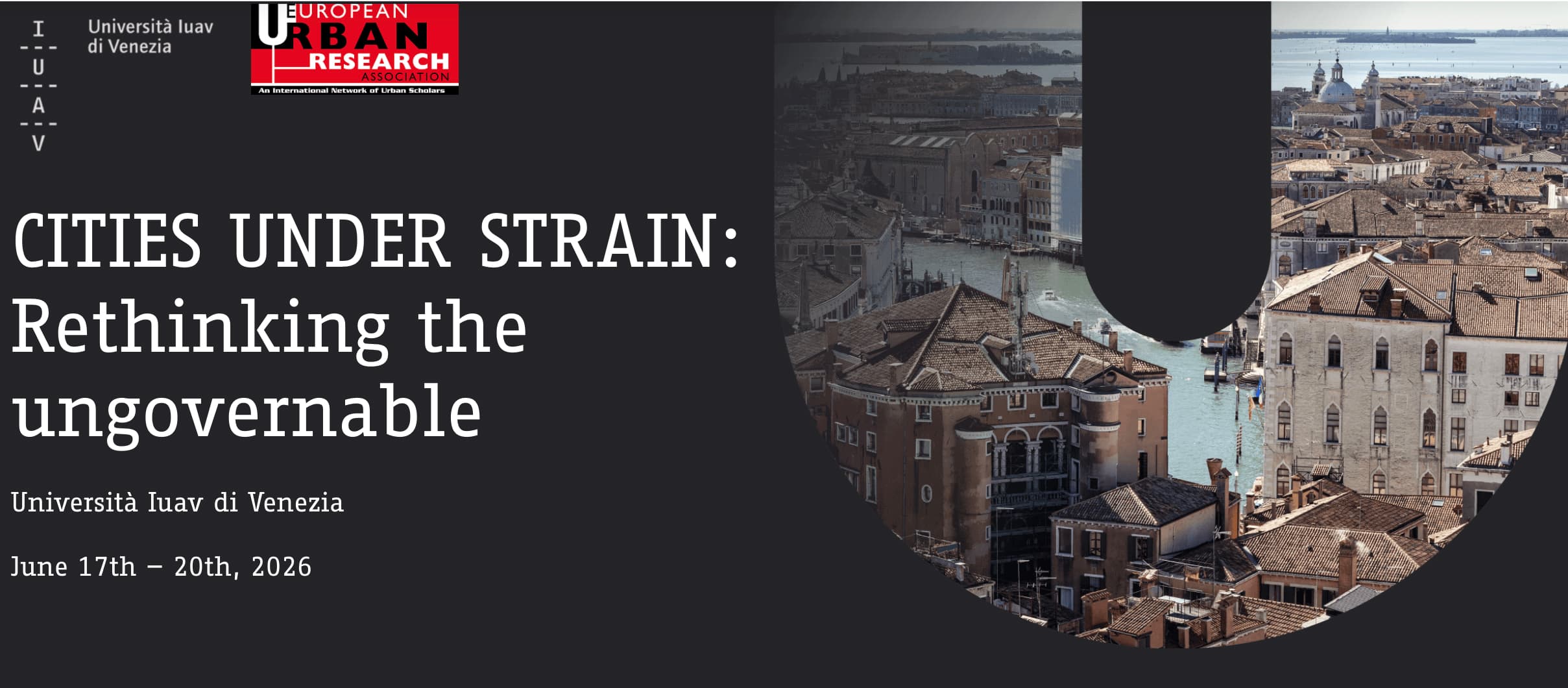
Urban scholars and practitioners addressing governance, justice, and crisis impacts on European cities.
EURA 2026 Annual Conference
Venice, Italy
For Living Lab stakeholders to network, share practices, and shape policy-driven innovation.
OpenLivingLab Days 2026
Brussels, Belgium
Other topics in Buildings, Reuse, Climate & Construction
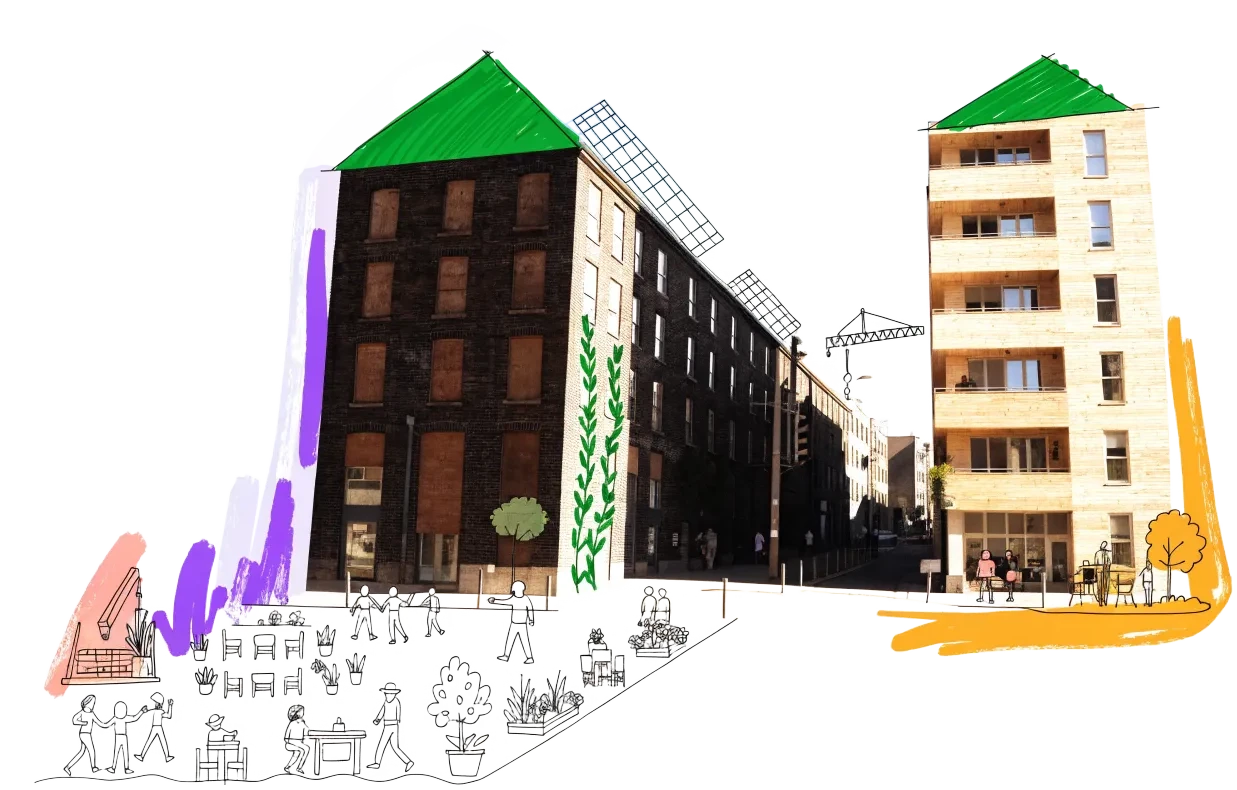
Have resources to share?
Help grow our knowledge base by submitting research, case studies, or other resources related to urban regeneration & neighbourhoods.
Submit a Resource