Buildings, Reuse, Climate & Construction
Architecture, Design & Building Typologies
Innovation in how housing is designed, planned and built
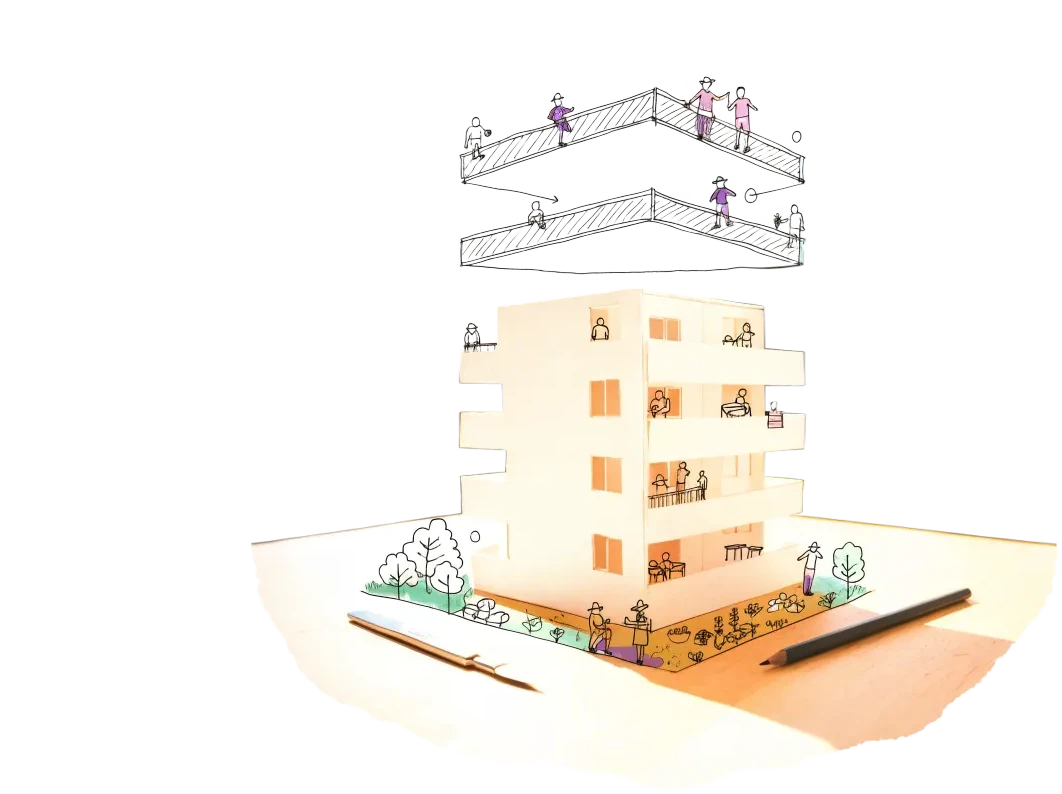
The European housing sector faces immense pressure to deliver sustainable homes whilst navigating complex urban densities, demanding architectural innovation that moves beyond conventional models. From rethinking traditional building typologies such as perimeter blocks and mid-rise developments to integrating mixed-use morphologies that layer residential spaces with civic functions, the way we construct our neighbourhoods is rapidly evolving. Modular and prefabricated off-site construction methods are becoming vital for reducing delivery times, whilst mass timber and biobased materials align with European goals for decarbonisation in the built environment. Furthermore, adaptive design ensures buildings can accommodate flexible tenures and changing community needs, demonstrating that forward-thinking architecture is fundamental to resilient cooperative housing.
Below, you will find a curated collection of resources exploring these shifts, including reports on flexible living and circular buildings, alongside deep dives into the conditions shaping architecture in Berlin and Zurich. The page highlights pioneering organisations driving this transition, from automated architecture specialists like AUAR to established practices such as ARUP and AllesWirdGut. You can also explore exemplary projects that put these concepts into practice, including the modular Circle House, the collaborative spaces of Blåsut Kollektivhus, and the mixed-use A House for Artists. Finally, we invite you to connect with the wider community by discovering upcoming industry events, ranging from the polis Convention in Düsseldorf to the Built by Nature Annual Summit, where the future of housing design takes shape.
Below, you will find a curated collection of resources exploring these shifts, including reports on flexible living and circular buildings, alongside deep dives into the conditions shaping architecture in Berlin and Zurich. The page highlights pioneering organisations driving this transition, from automated architecture specialists like AUAR to established practices such as ARUP and AllesWirdGut. You can also explore exemplary projects that put these concepts into practice, including the modular Circle House, the collaborative spaces of Blåsut Kollektivhus, and the mixed-use A House for Artists. Finally, we invite you to connect with the wider community by discovering upcoming industry events, ranging from the polis Convention in Düsseldorf to the Built by Nature Annual Summit, where the future of housing design takes shape.
Go deeper
Long reads that explain architecture, design & building typologies properly, with every number linked to its source.
Key Aspects
Building typologies
Low-rise, mid-rise, tower, perimeter block, courtyard, slab
Mass timber & biobased construction
Wood-led approaches to mid-rise housing
Modular & prefabricated housing
Off-site construction reducing time and cost
Mixed-use morphologies
Residential layered with commercial, civic, productive uses
Adaptive design
Buildings designed for tenure flexibility and reconfiguration
Design competitions
Showcasing innovation across European contexts
Knowledge Resources

So gefragt wie kostengünstig (Plattenbau in Dresden-Gorbitz)
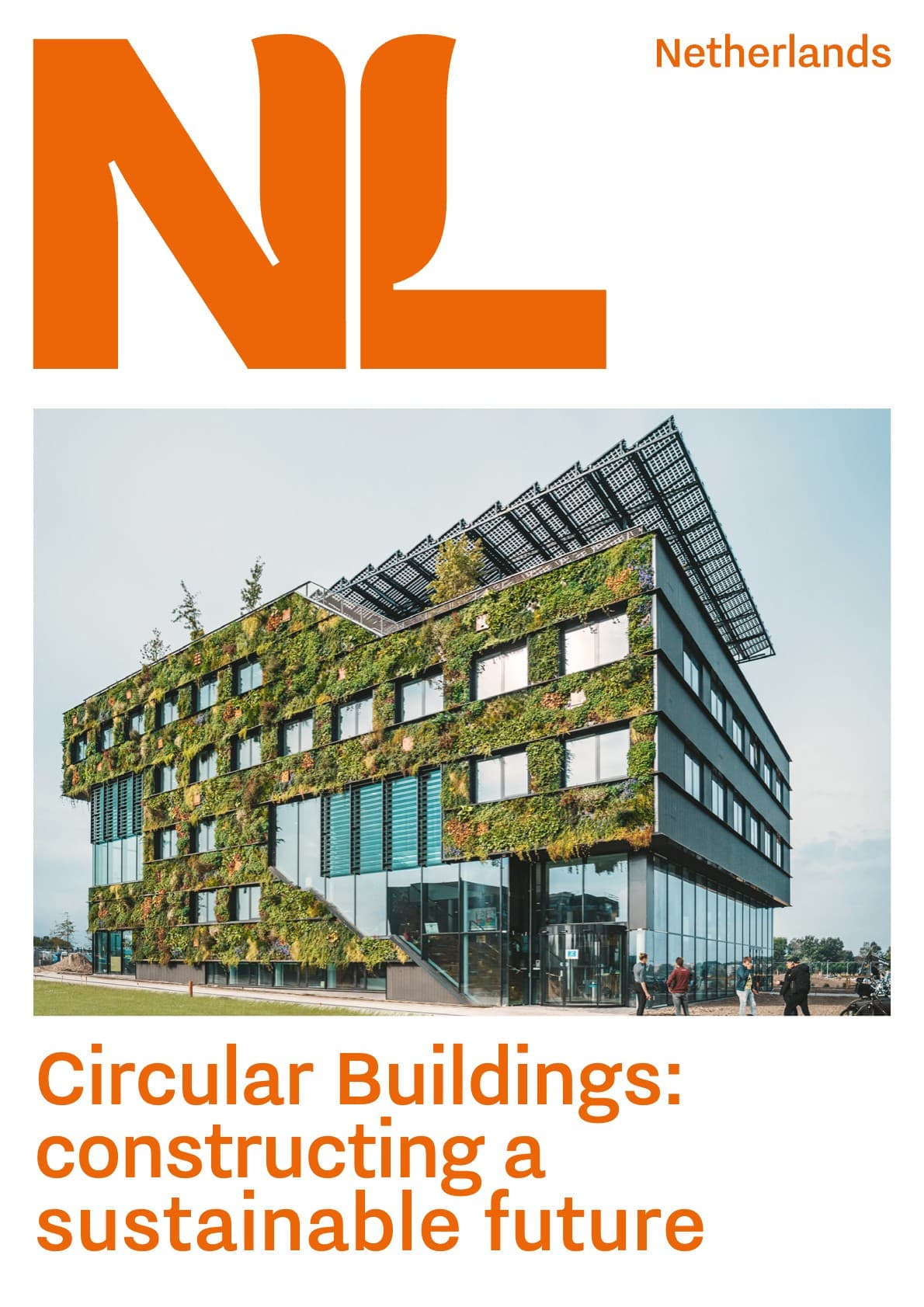
25 case studies plus policy-and-metrics playbook to scale closed-loop materials across construction value chains.
Circular Buildings: constructing a sustainable future
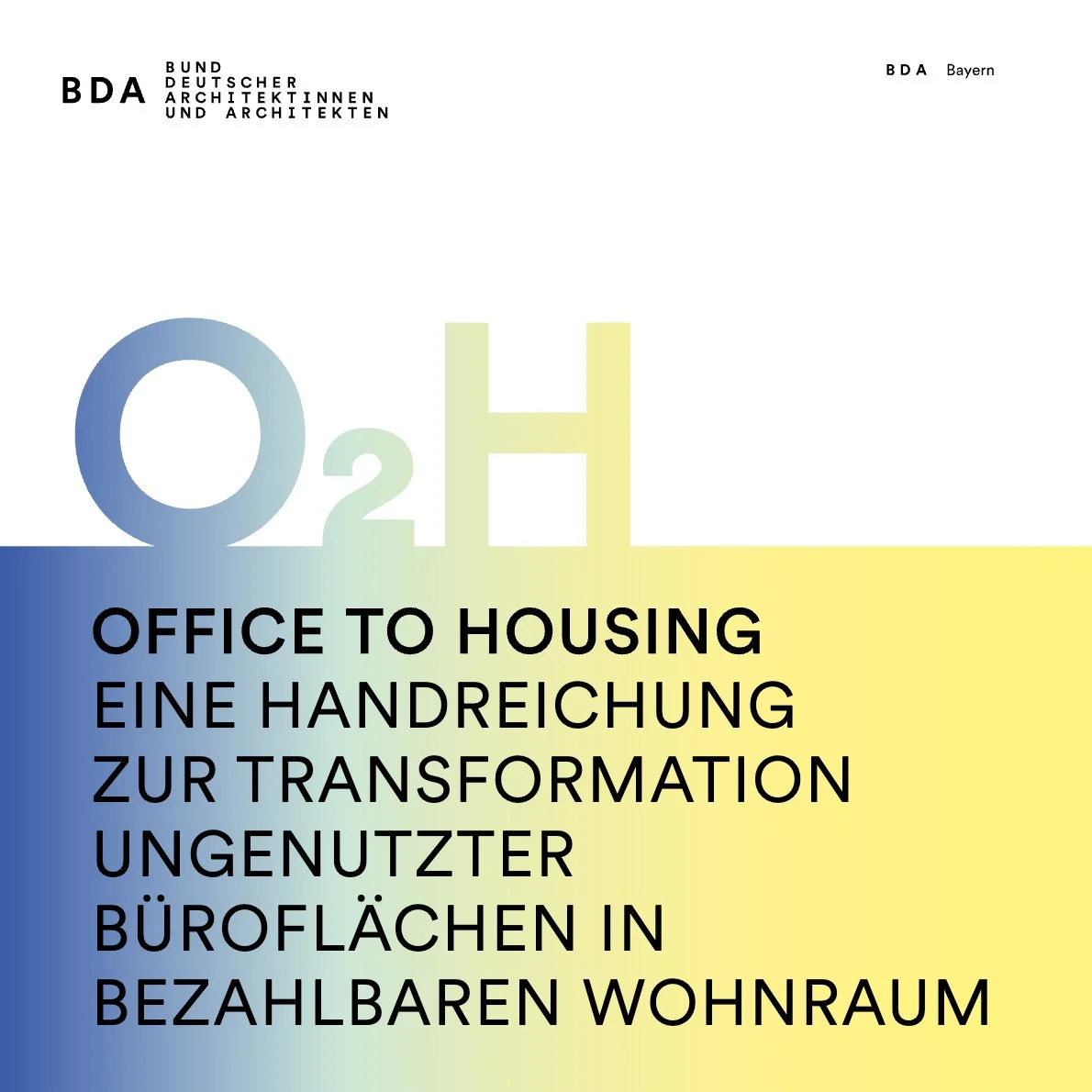
Guides architects through legal, technical, and financial hurdles turning vacant workspaces into affordable homes.
Office to Housing
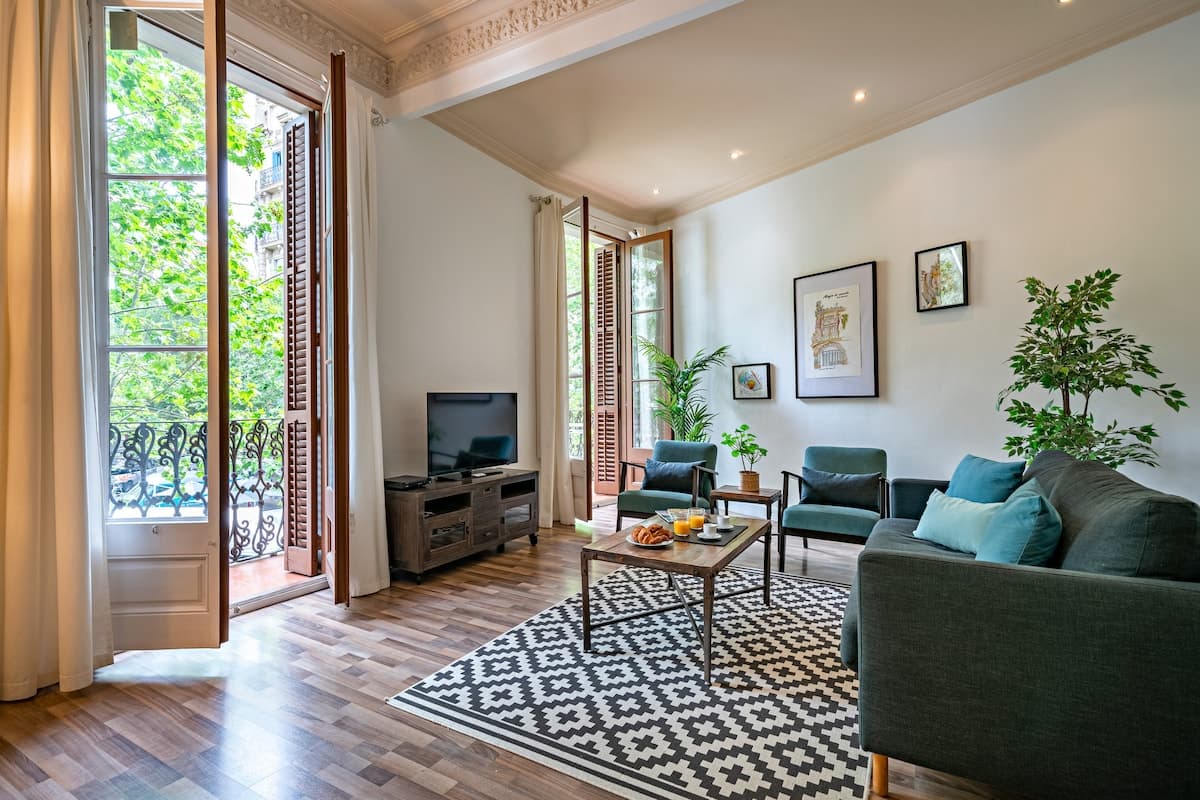
In Barcelona, top Airbnb areas saw ~7% rent and ~17% sale-price jumps; households fell.
Do short-term rental platforms affect housing markets? Evidence from Airbnb in Barcelona
Portugal study links Airbnb expansion to price rises in Lisbon/Porto historic centers after 2014 reforms.
The impact of Airbnb on residential property values and rents: Evidence from Portugal
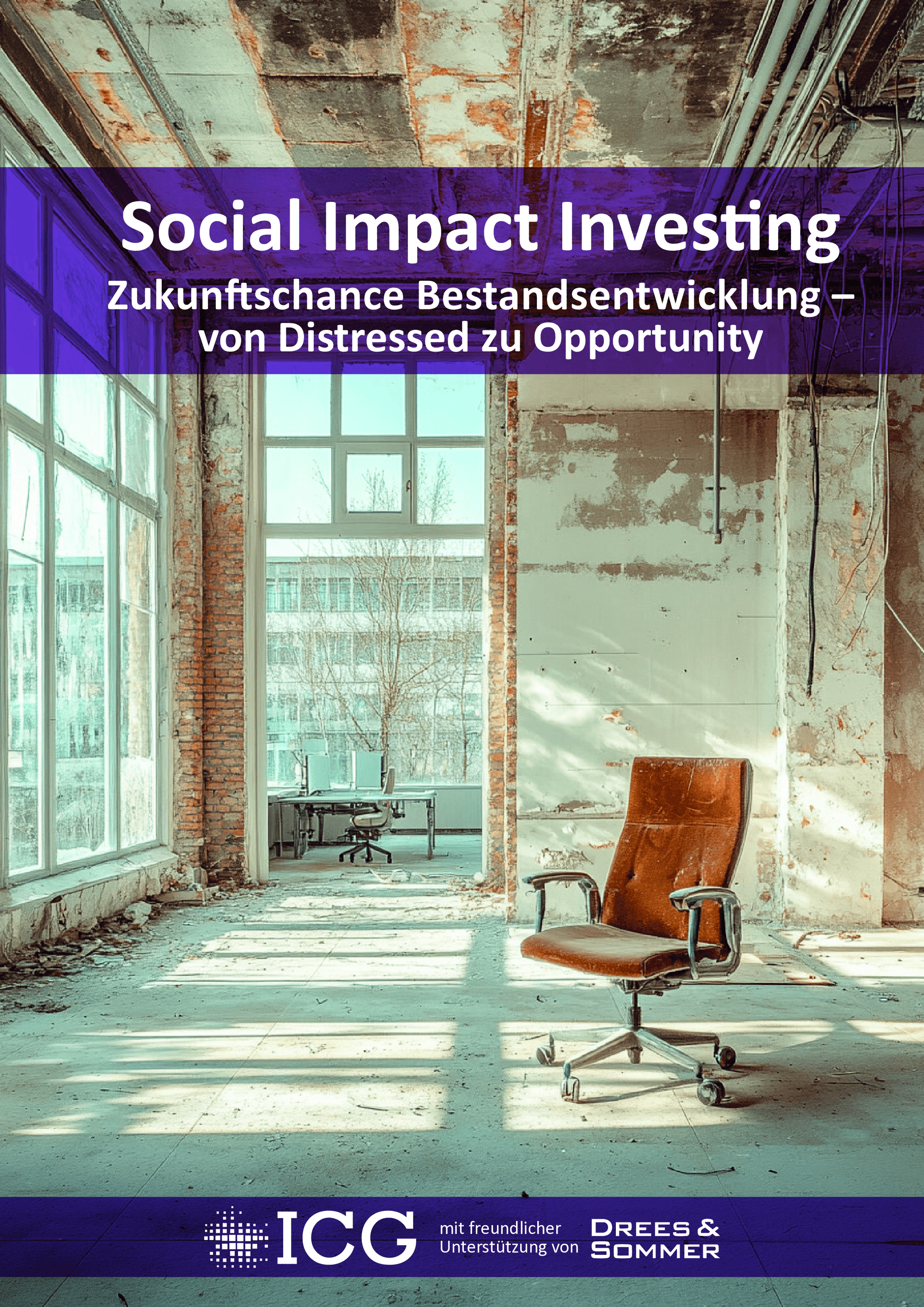
Guide reframes distressed buildings into mixed-use city catalysts using ESG valuation, governance, and interim uses.
Social Impact Investing - Zukunftschance Bestandsentwicklung
Related Organisations
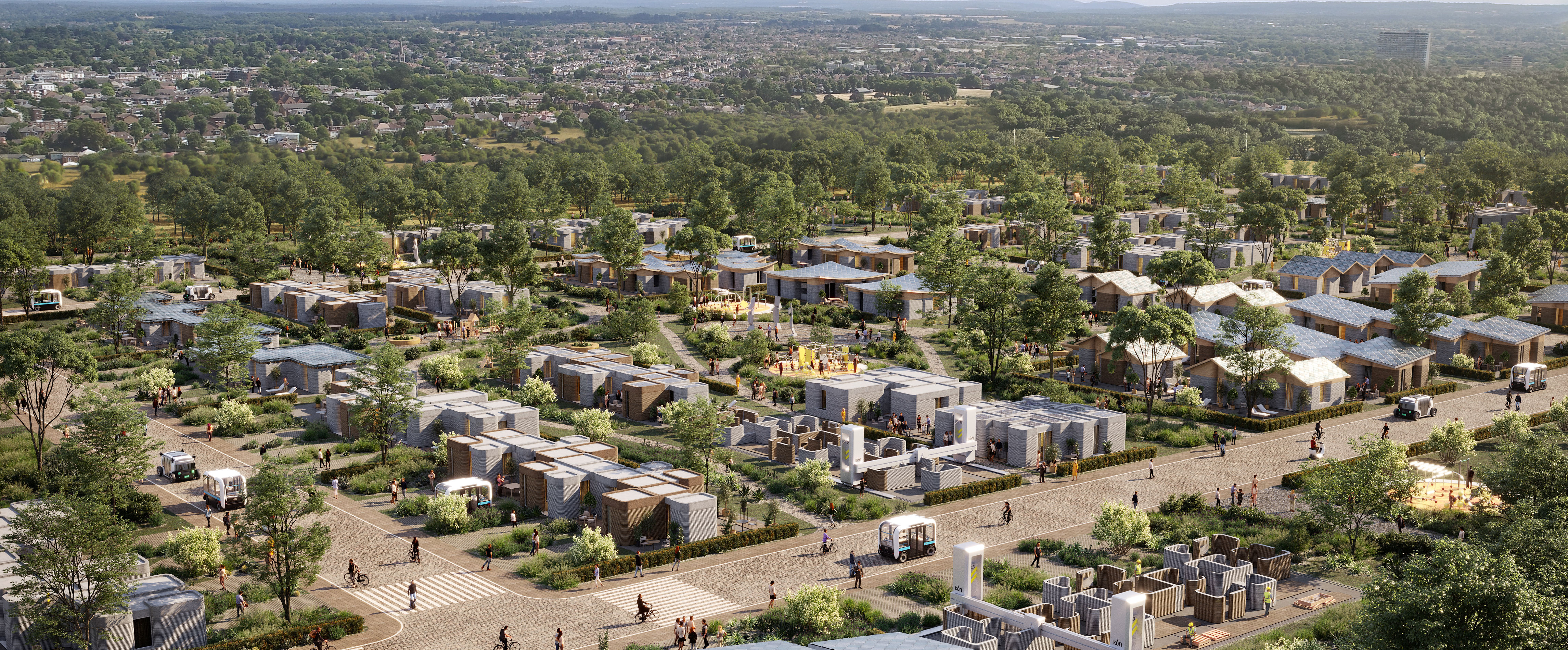
Beta Realities
Berlin, Germany
Skyhill
Stockholm, Sweden
LXSY
Berlin, Germany
MASSLAB
Lisbon, Portugal
TOMAS - Transformation of Material and Space
Berlin, Germany
Wüstenrot Stiftung
Ludwigsburg, Germany
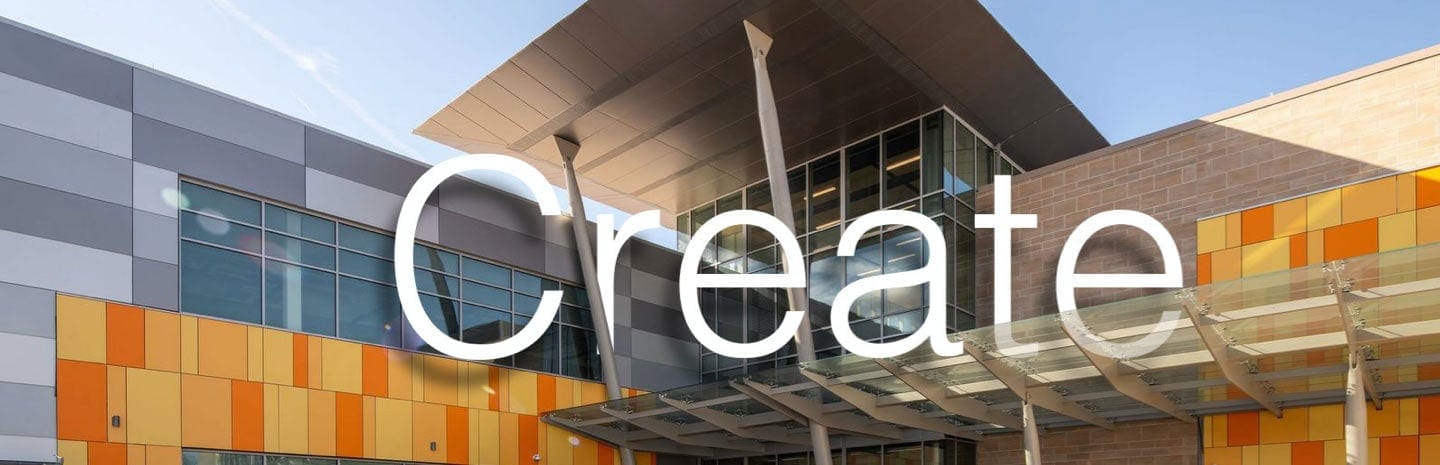
Fundermax
Klagenfurt, Austria
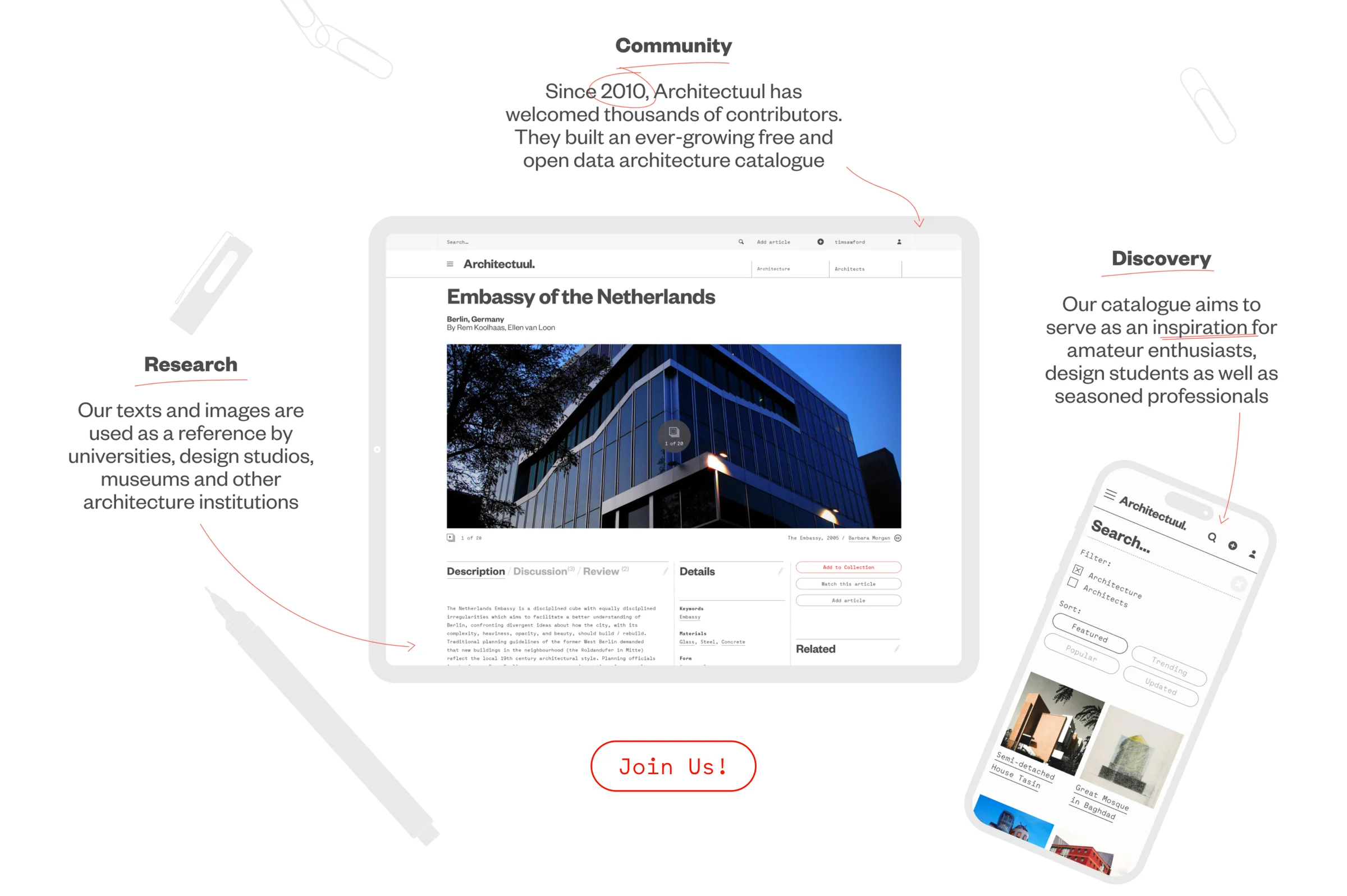
Architectuul
Bauwelt
Gütersloh, Germany
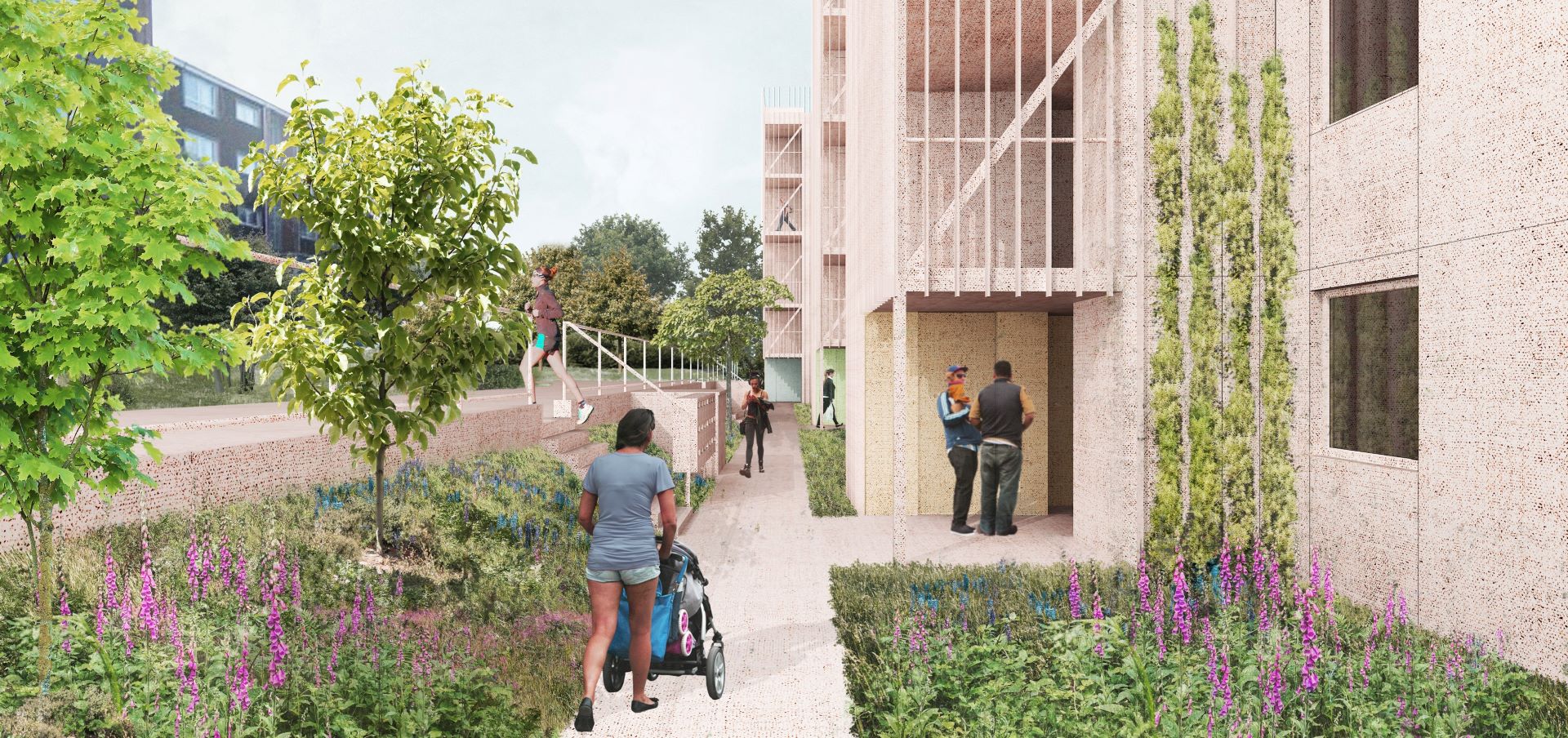
KIN
London, UK
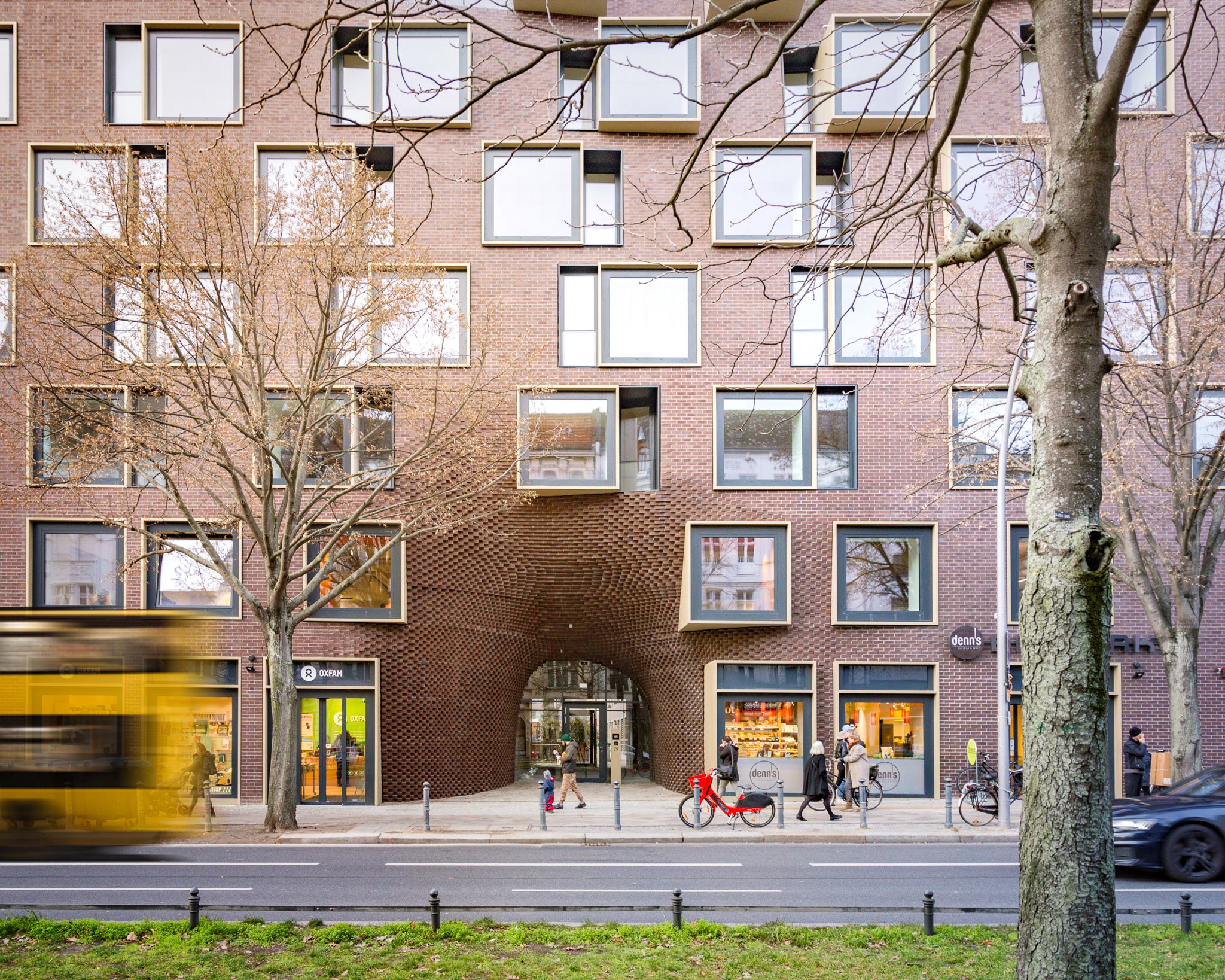
GRAFT
Berlin, Germany
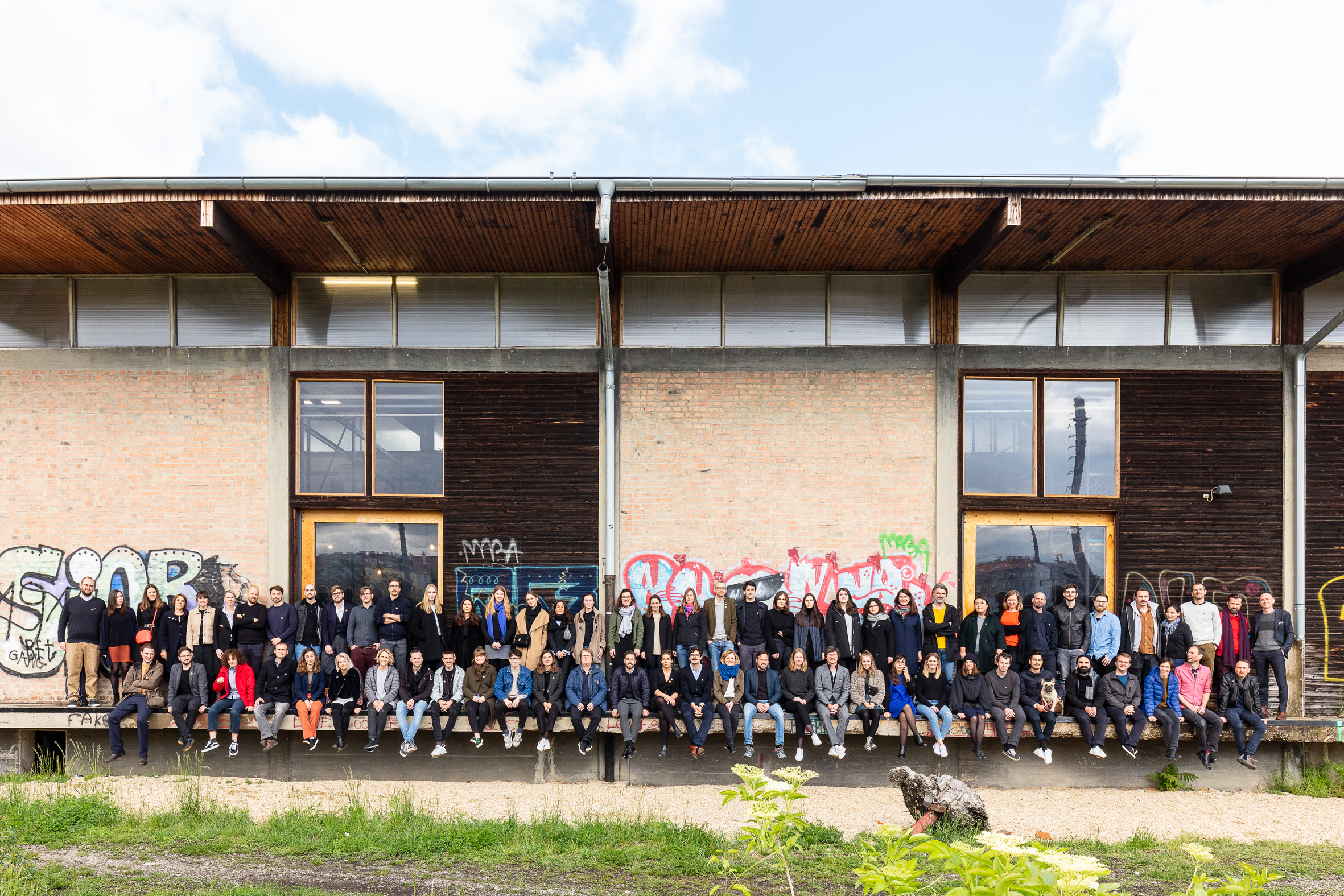
AllesWirdGut
Vienna, Austria
Related Projects
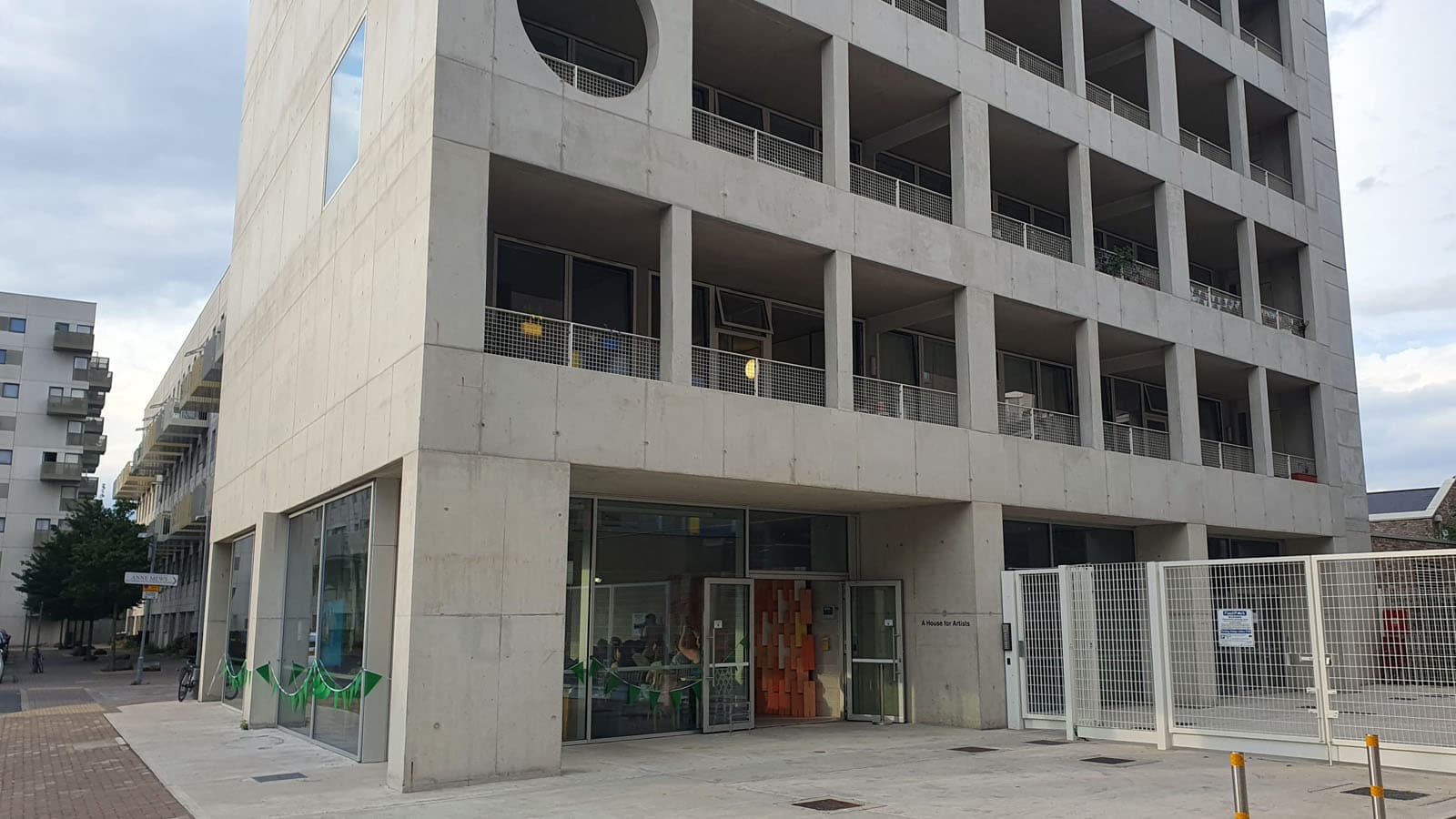
12 artists live in stacked concrete apartments with flexible walls and a public exhibition space.
A House for Artists
London, UK
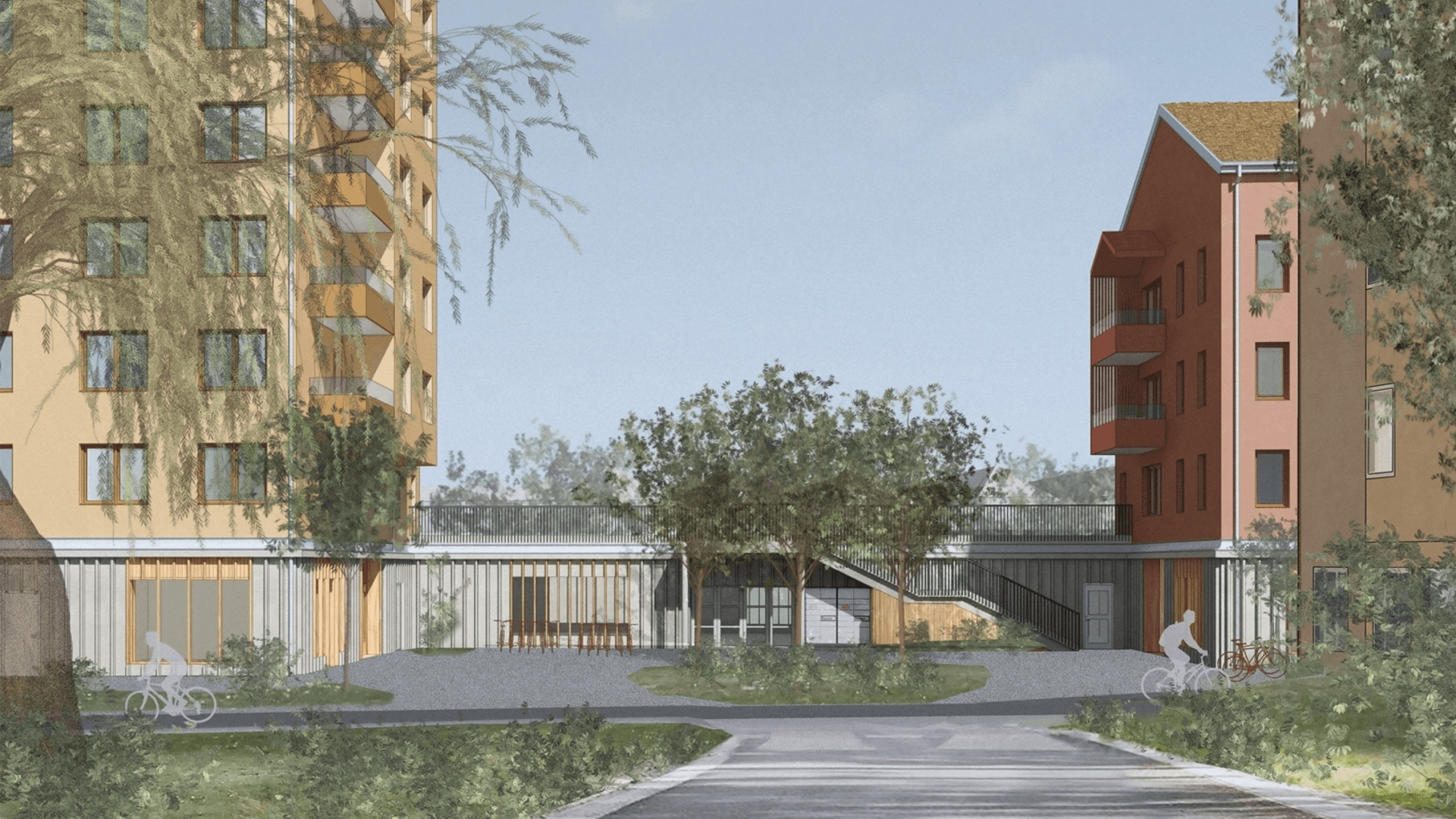
Sixty rentals, two towers, lamellhus design, early‑20th‑century communal roots, metro‑adjacent.
Blåsut Kollektivhus
Stockholm, Sweden

Two interconnected volumes house 29 apartments, rainwater recovery, solar panels, and resident‑customized shells.
Brutopia
Brussels, Belgium
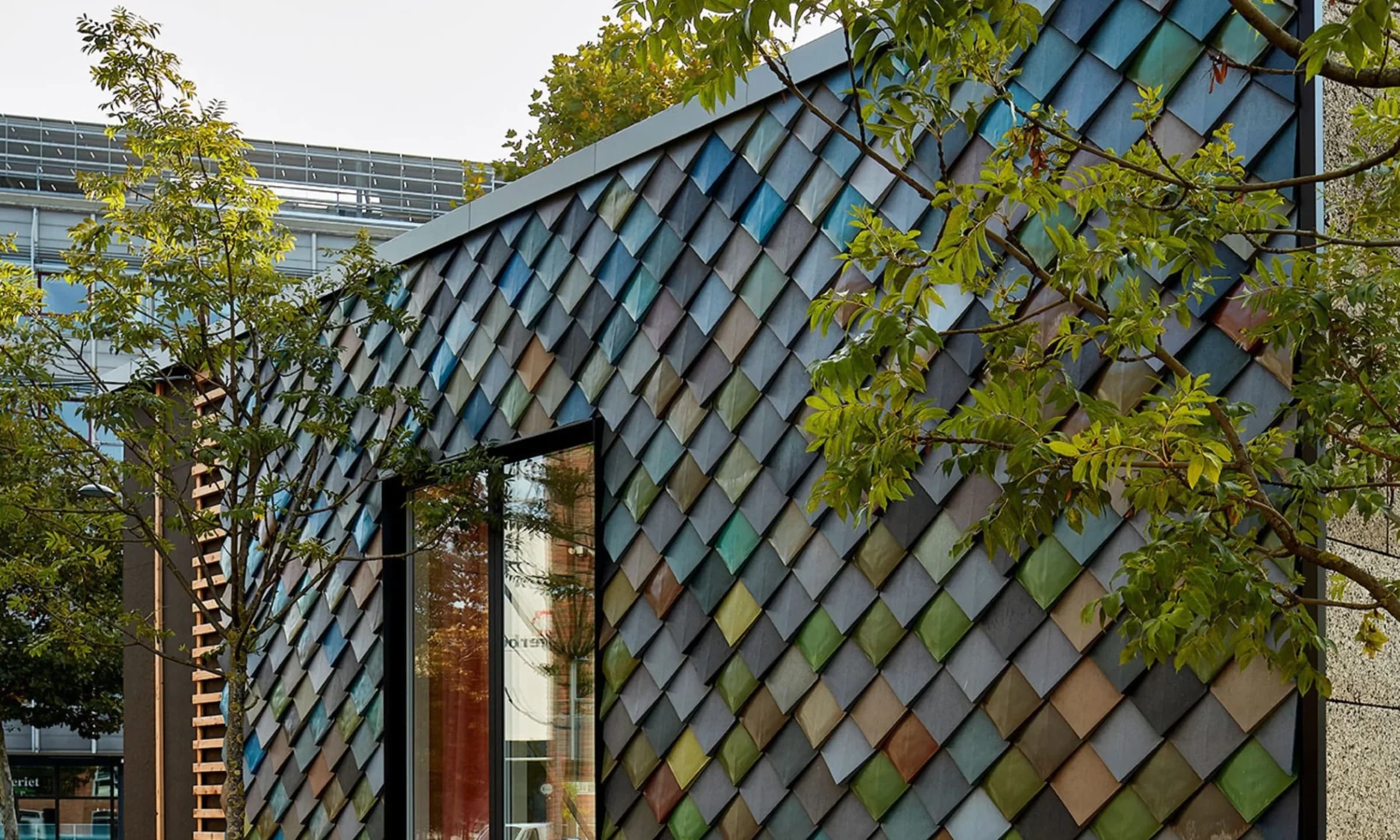
Sixty social housing units, 90% reusable materials, and a five‑storey circular tower.
Circle House
Aarhus, Denmark
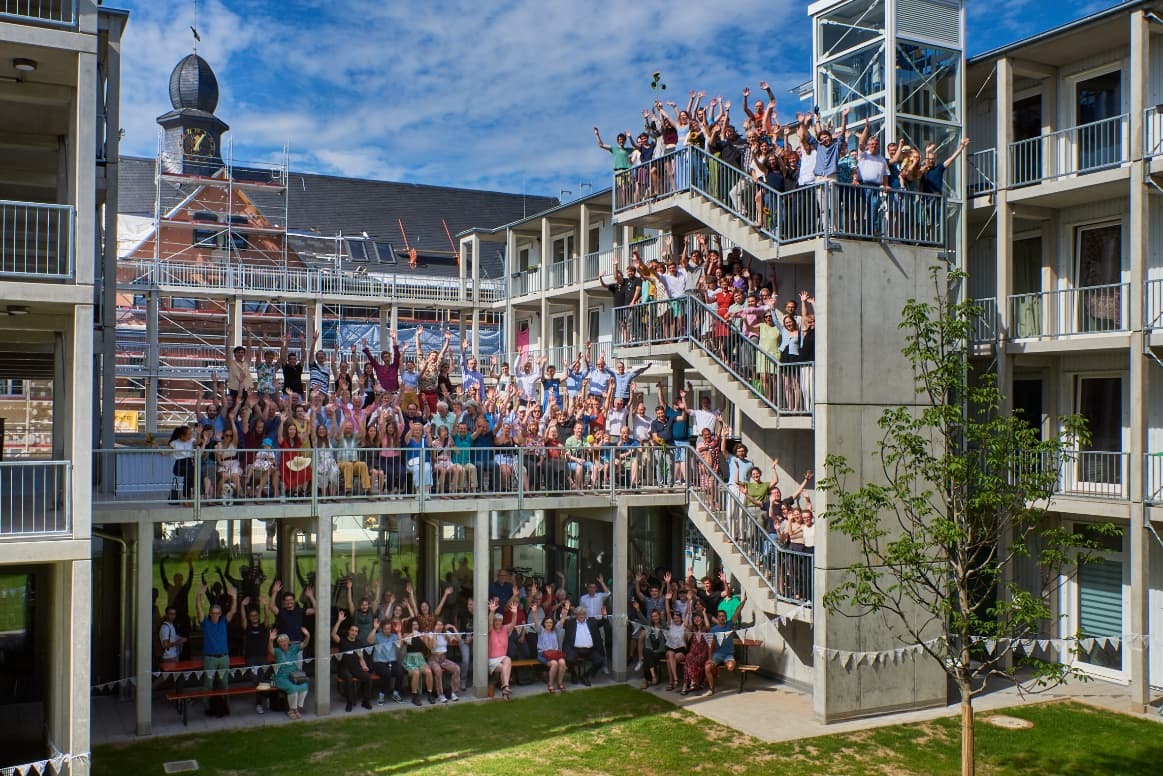
Timber-built, four‑storey residence for 176 students on former US Hospital site, featuring reconfigurable spaces and an orientation‑year program.
Collegium Academicum
Heidelberg, Germany
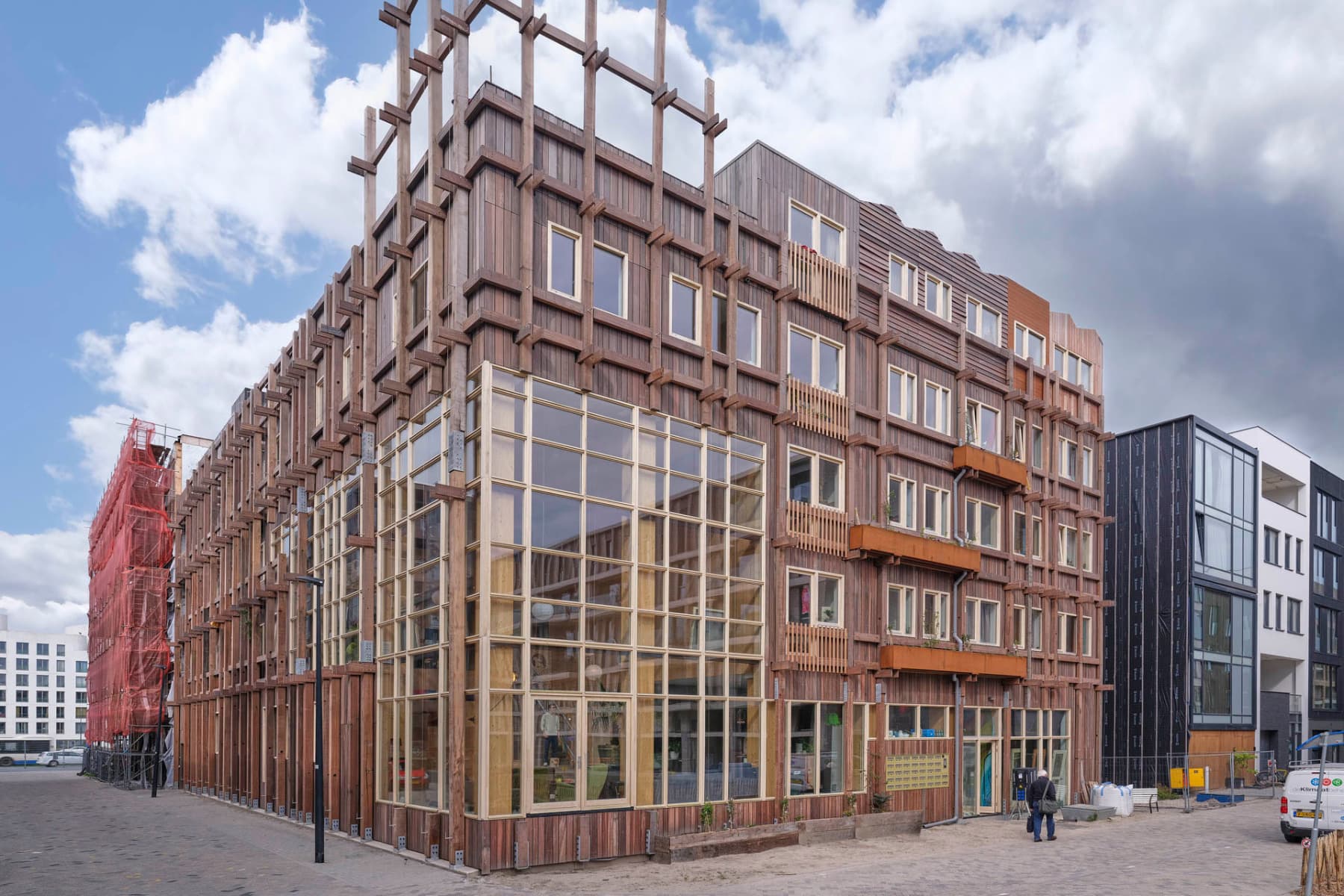
Energy‑positive coop with 30% communal space, reclaimed wood façade, and award‑winning design.
De Warren
Amsterdam, Netherlands
Related Events

Real estate leaders gather to network, invest, and accelerate development projects worldwide.
MIPIM 2027
Cannes, France
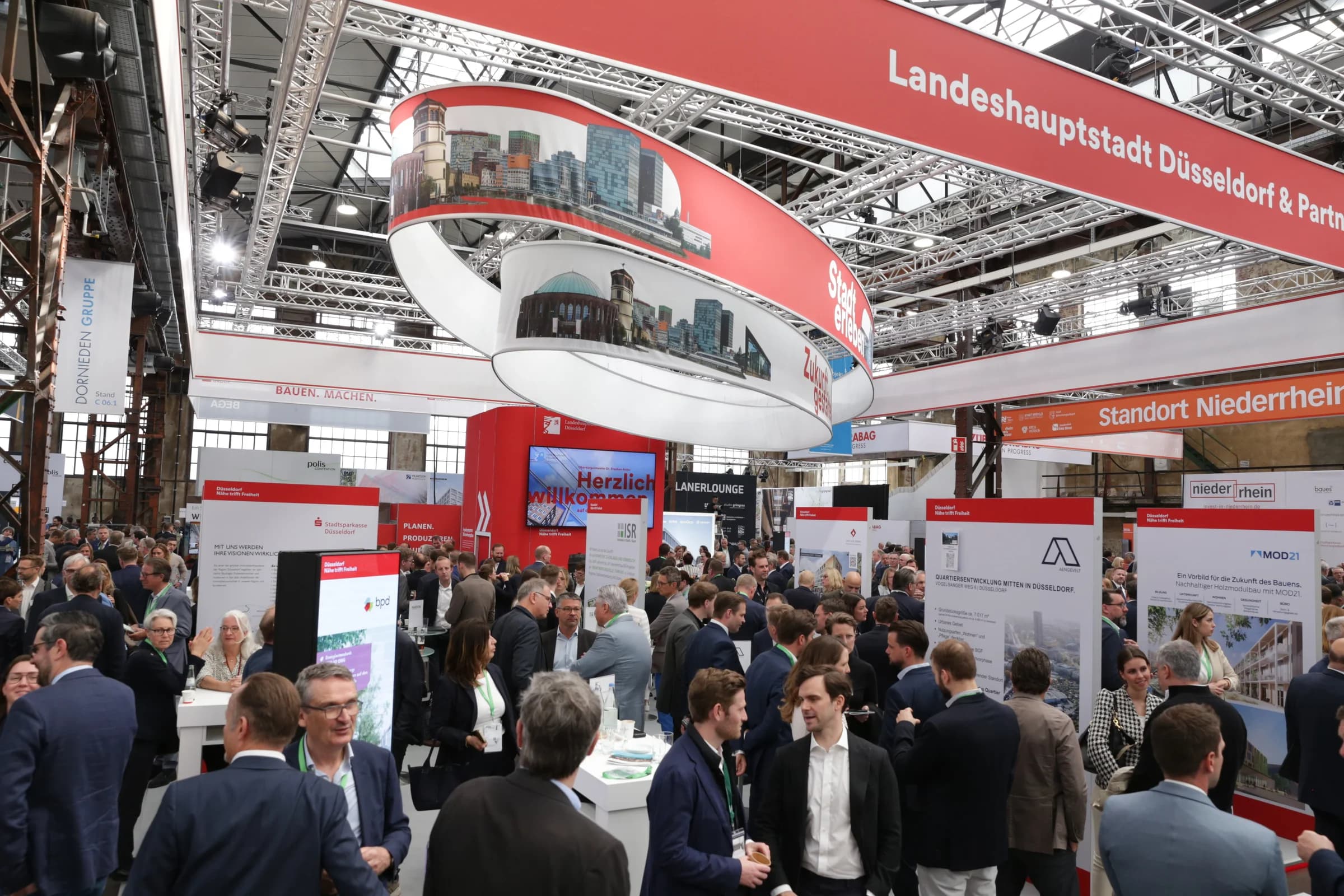
Urban planners, developers, and officials gathering to discuss sustainable city development and project innovation.
polis Convention Düsseldorf 2026
Düsseldorf, Germany
Stakeholders across architecture, industry, finance, and policy explore resilient urban design for uncertain futures.
Architecture Matters 2026
Munich, Germany
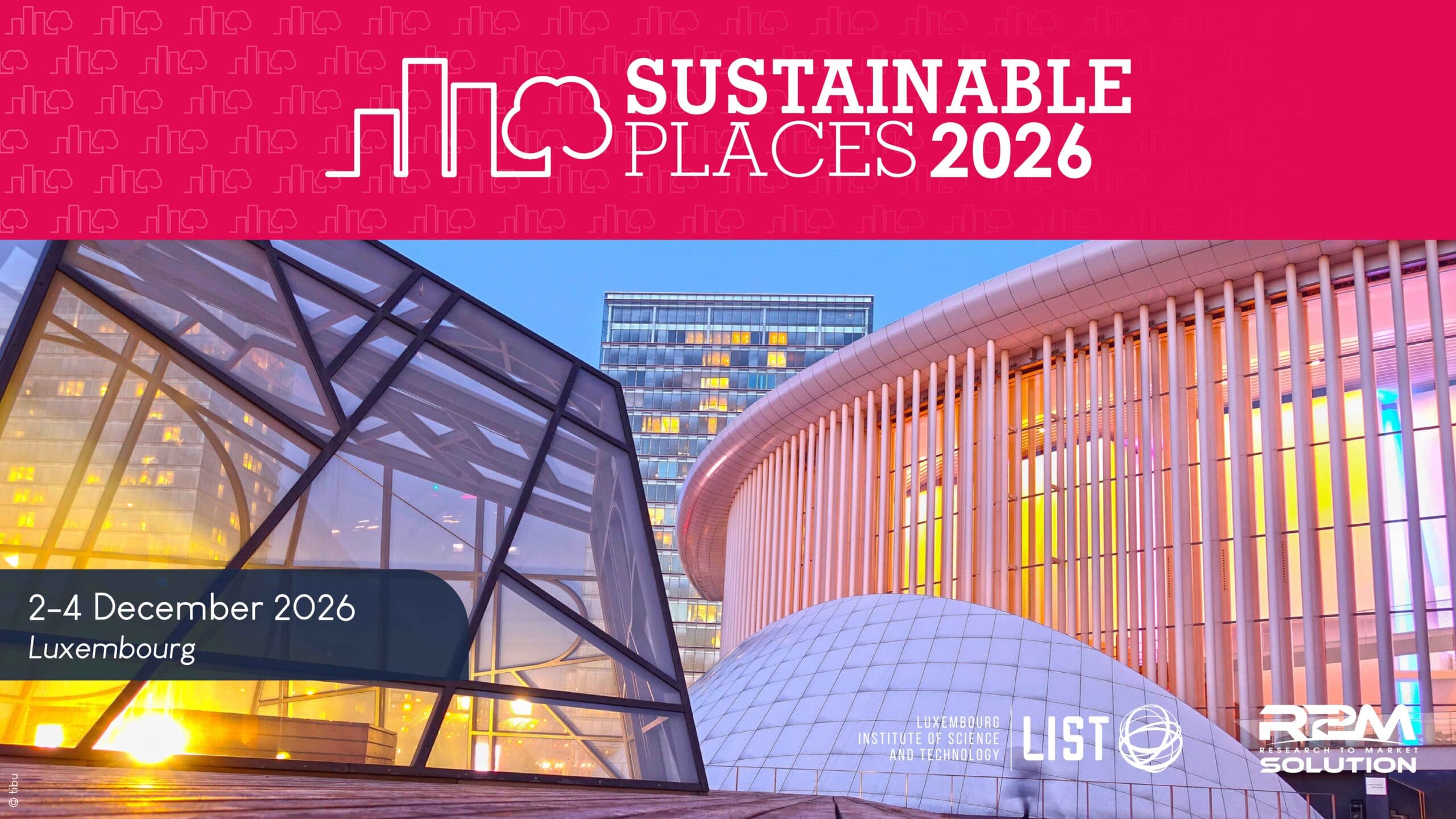
Professionals, policymakers, and academics collaborate on sustainable building innovation and climate‑focused solutions.
Sustainable Places 2026
Luxembourg City, Luxembourg
Other topics in Buildings, Reuse, Climate & Construction
Have resources to share?
Help grow our knowledge base by submitting research, case studies, or other resources related to architecture, design & building typologies.
Submit a Resource