Adaptive Reuse & Asset Activation
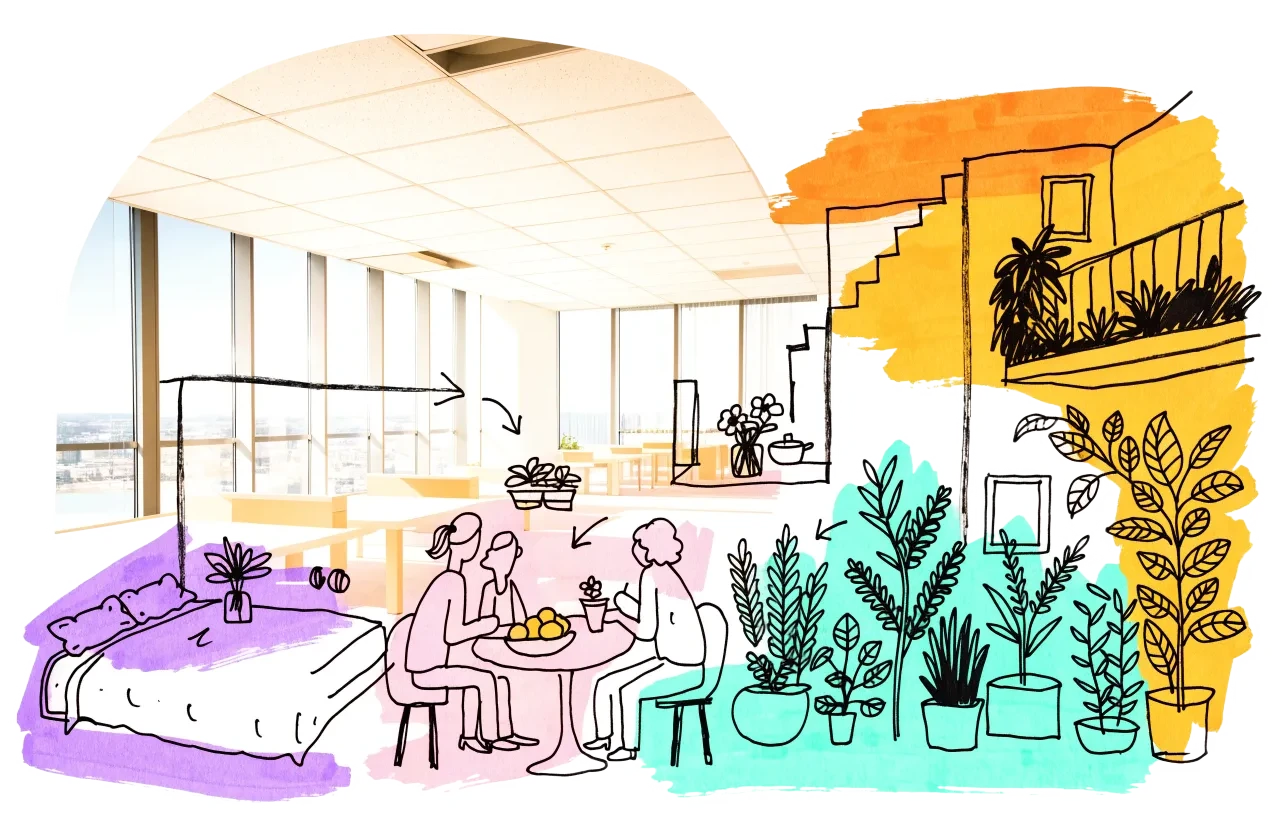
The collection below brings together the knowledge, actors, and real-world examples driving this movement. Readers will find research on collaborative activation, insights from the Task Force Bureaux on office conversions, and responses to the European Affordable Housing Plan. The page highlights pioneering organisations like Bauhaus Earth, Assemble, and Concular, alongside cooperatives actively reshaping the built fabric. You can explore completed transformations through projects like Bijgaardehof and Bajesdorp, which demonstrate the practical realities of heritage reuse and brownfield regeneration. Finally, a curated list of events, including the Adaptable Building Conference and Urban Future Festival #UF25, offers opportunities to connect with practitioners. Explore these resources to discover how vacant spaces are being reclaimed to tackle housing crises.
Go deeper
Long reads that explain adaptive reuse & asset activation properly, with every number linked to its source.
Key Aspects
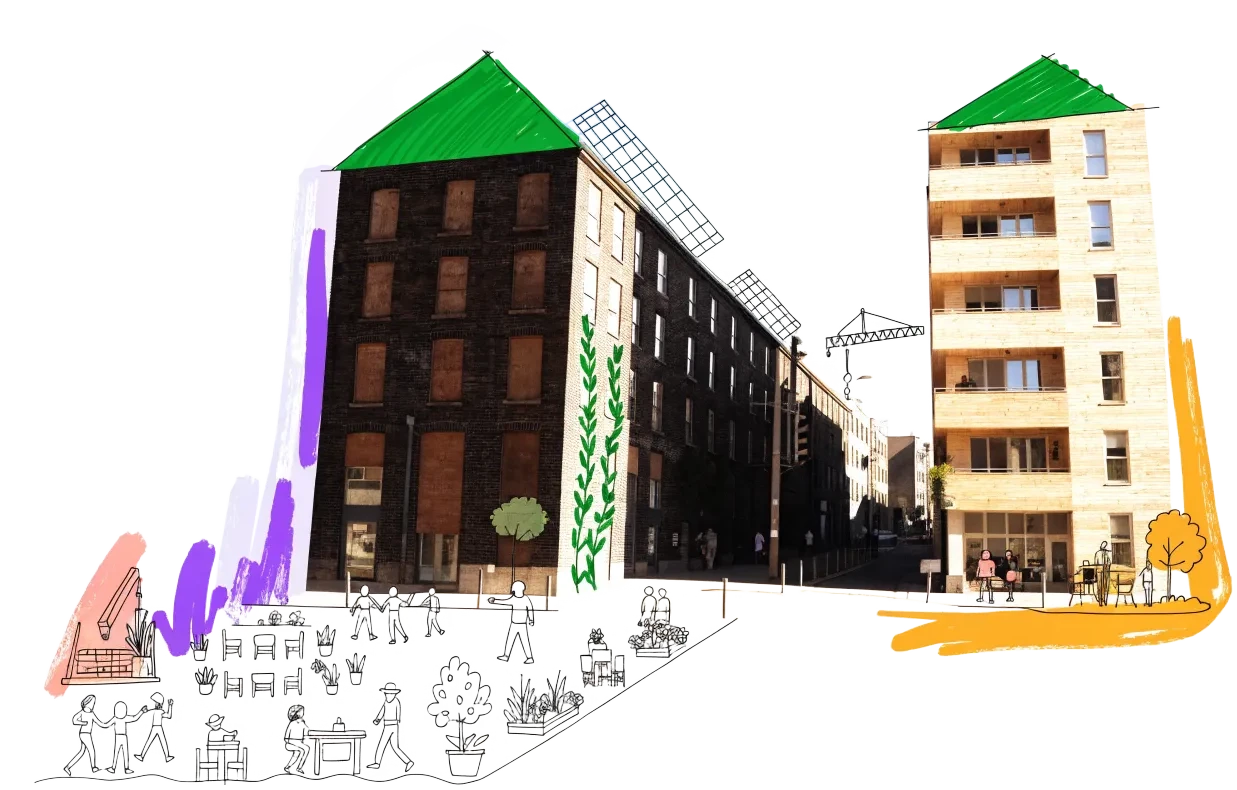
Office-to-residential conversion
Fully or partially vacant office stock converted into cooperative homes
Retail-rooftop densification
Adding cooperative housing layers on top of supermarkets and retail parks
Heritage & civic reuse
Revitalising churches, town halls and industrial heritage with mixed cooperative use
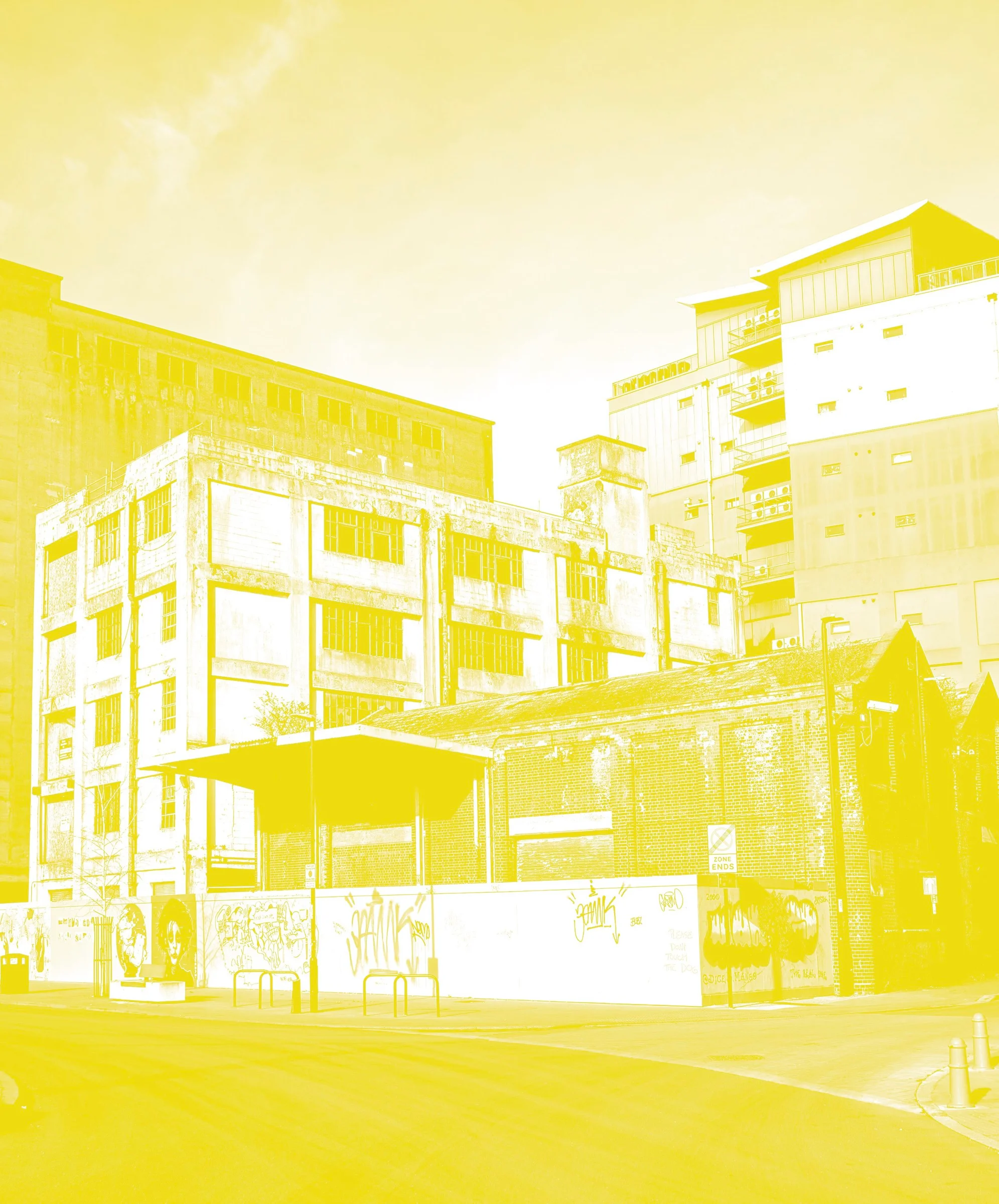
Brownfield activation
Partnering with impact-driven developers on industrial regeneration sites
Vacancy mapping
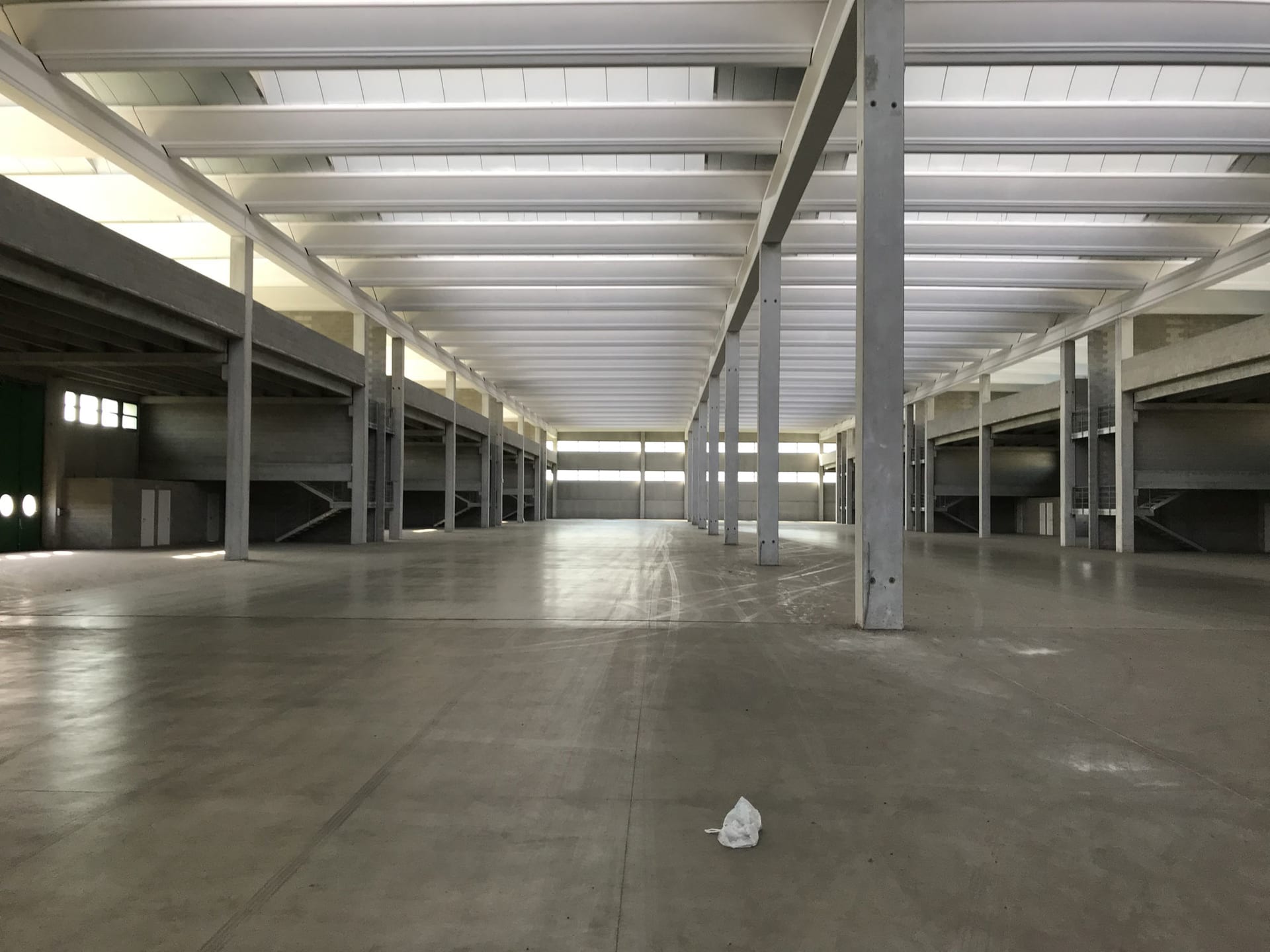
Identifying offices, warehouses, churches and brownfields with conversion potential
Asset-owner motivations
Understanding what private, institutional and public owners actually want
Deal structures
Sale, long-term leasehold, joint venture and impact-investment models
Regulatory pathways
Navigating planning permission, change-of-use and building code adaptations
Knowledge Resources
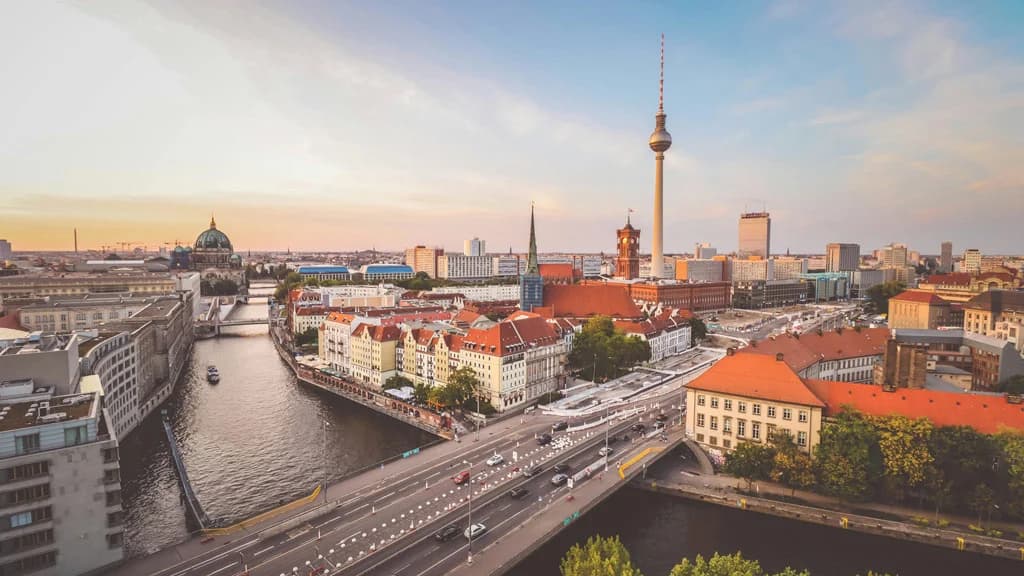
Office-to-Residential Conversion: A New Value Proposition for the German Market
Sufficiency in the building sector – for the EU Whole Life Carbon Roadmap
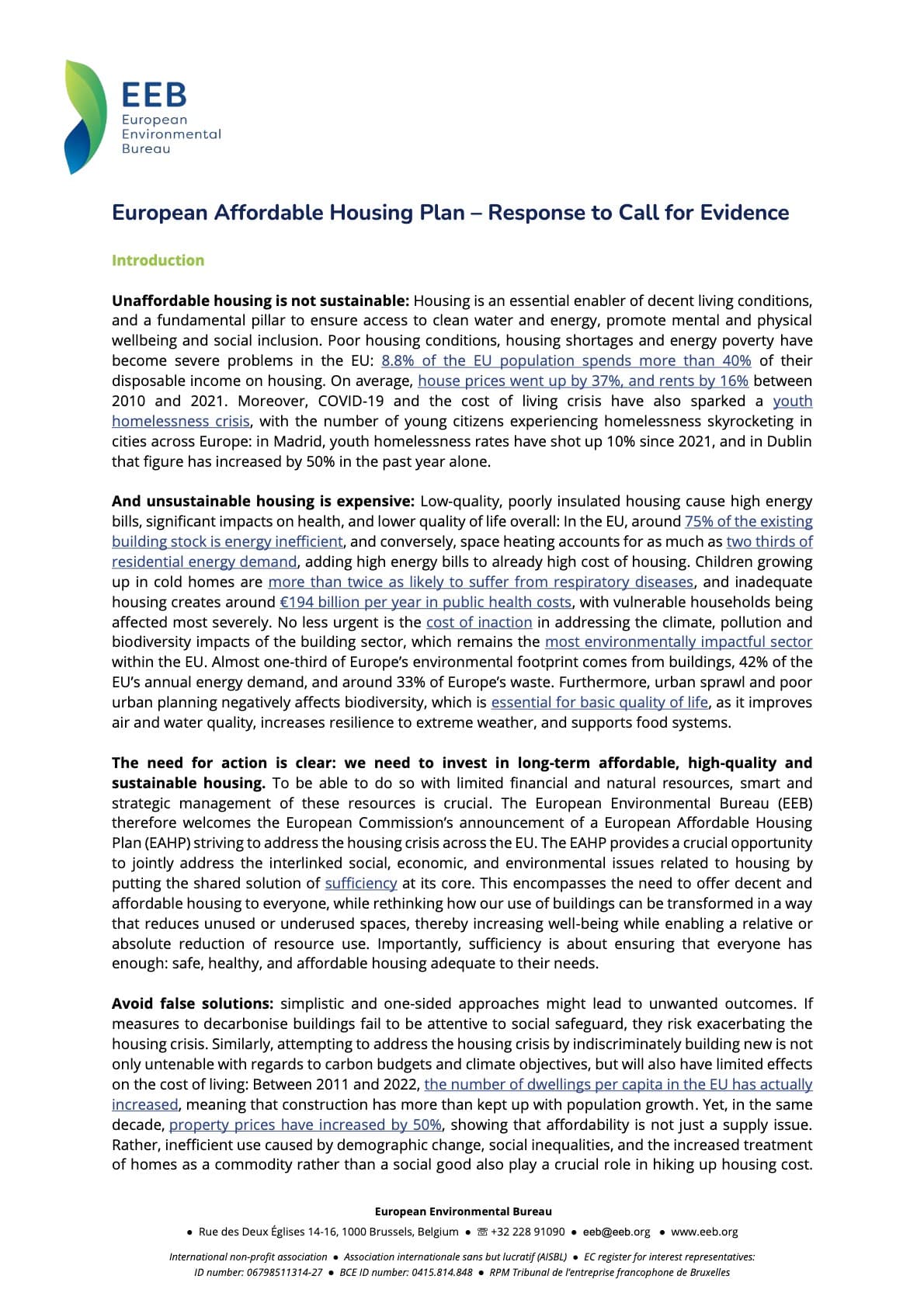
European Affordable Housing Plan – Response to Call for Evidence
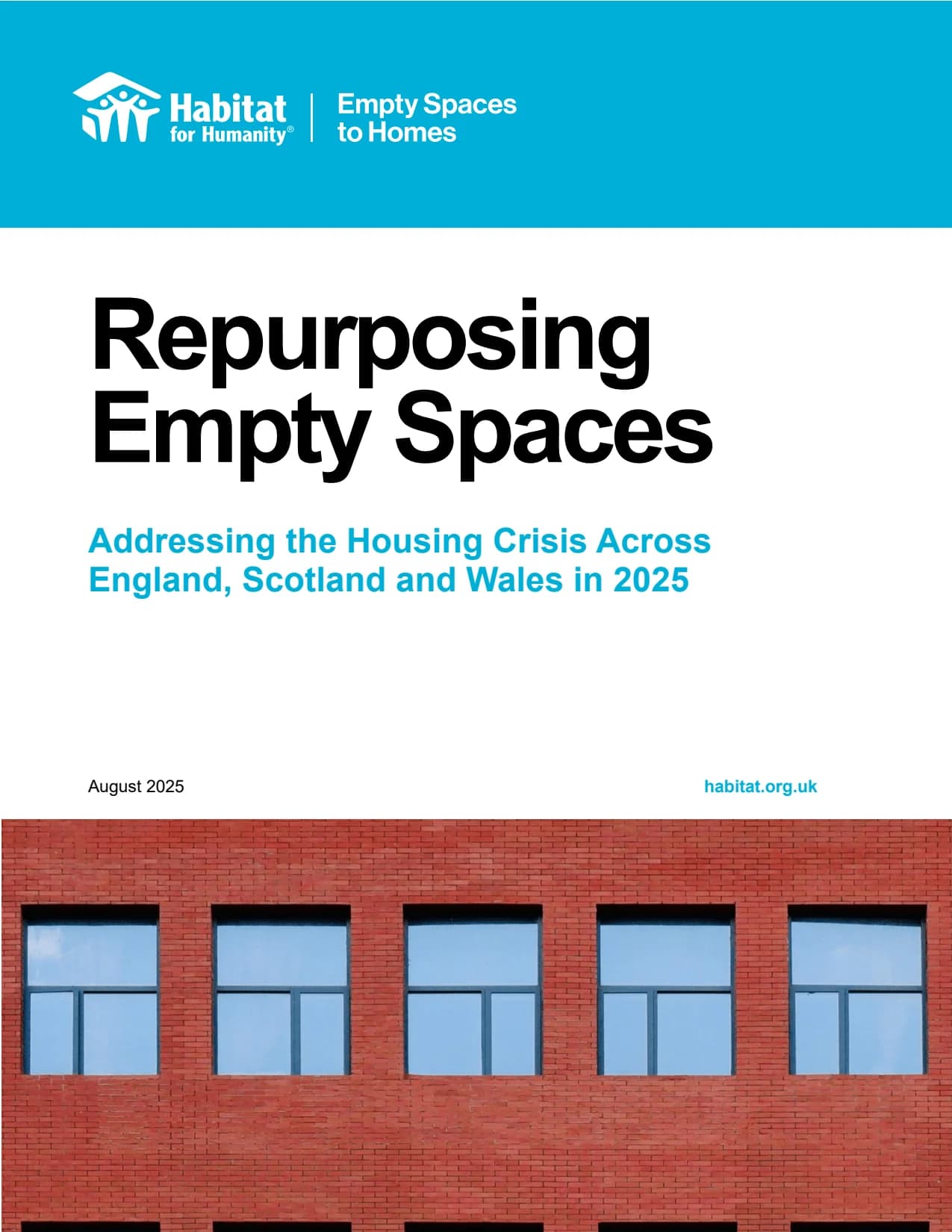
Repurposing Empty Spaces - Addressing the Housing Crisis Across England, Scotland and Wales in 2025
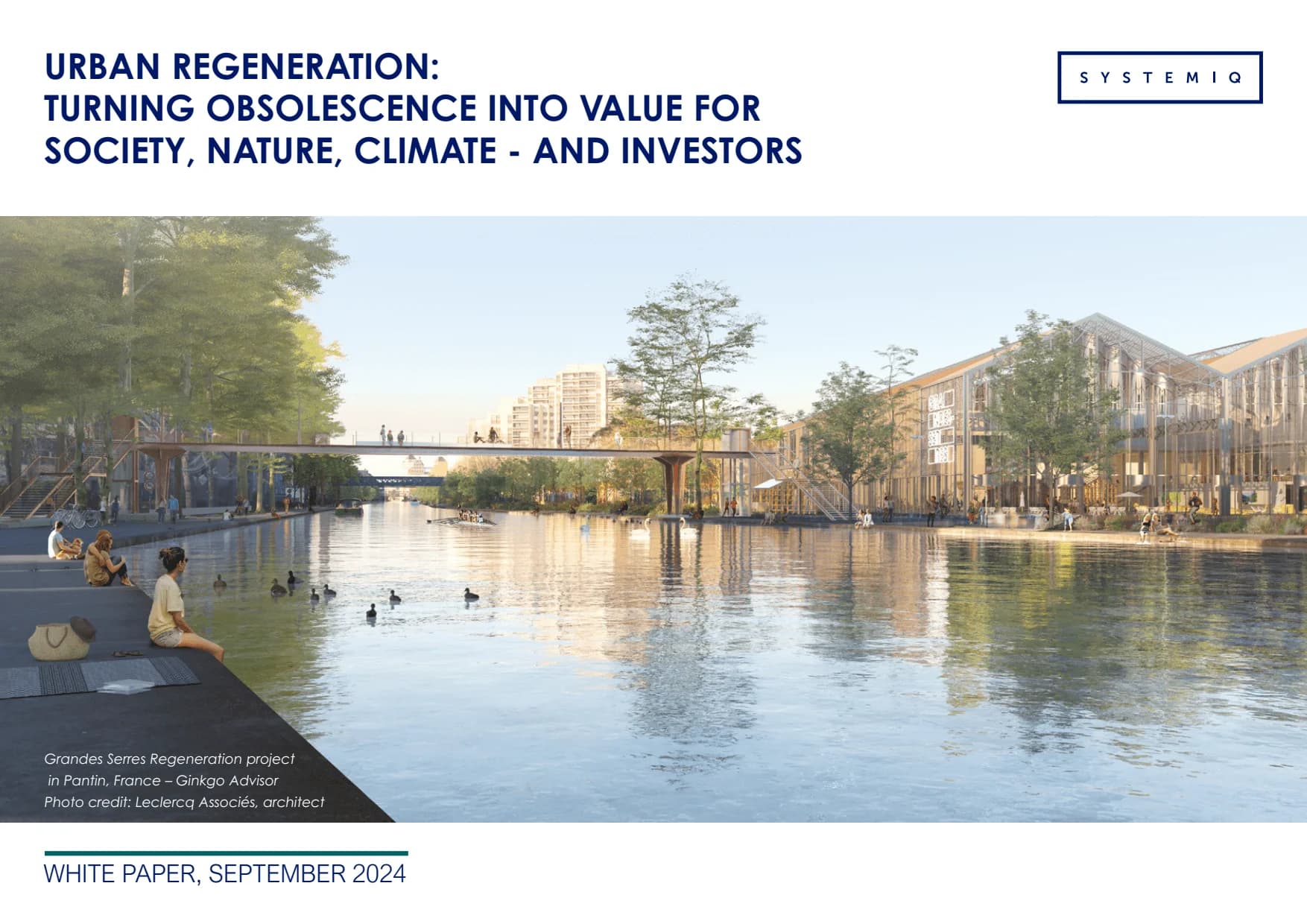
Urban Regeneration - Turning obsolescence into value for society, nature, climate – and investors
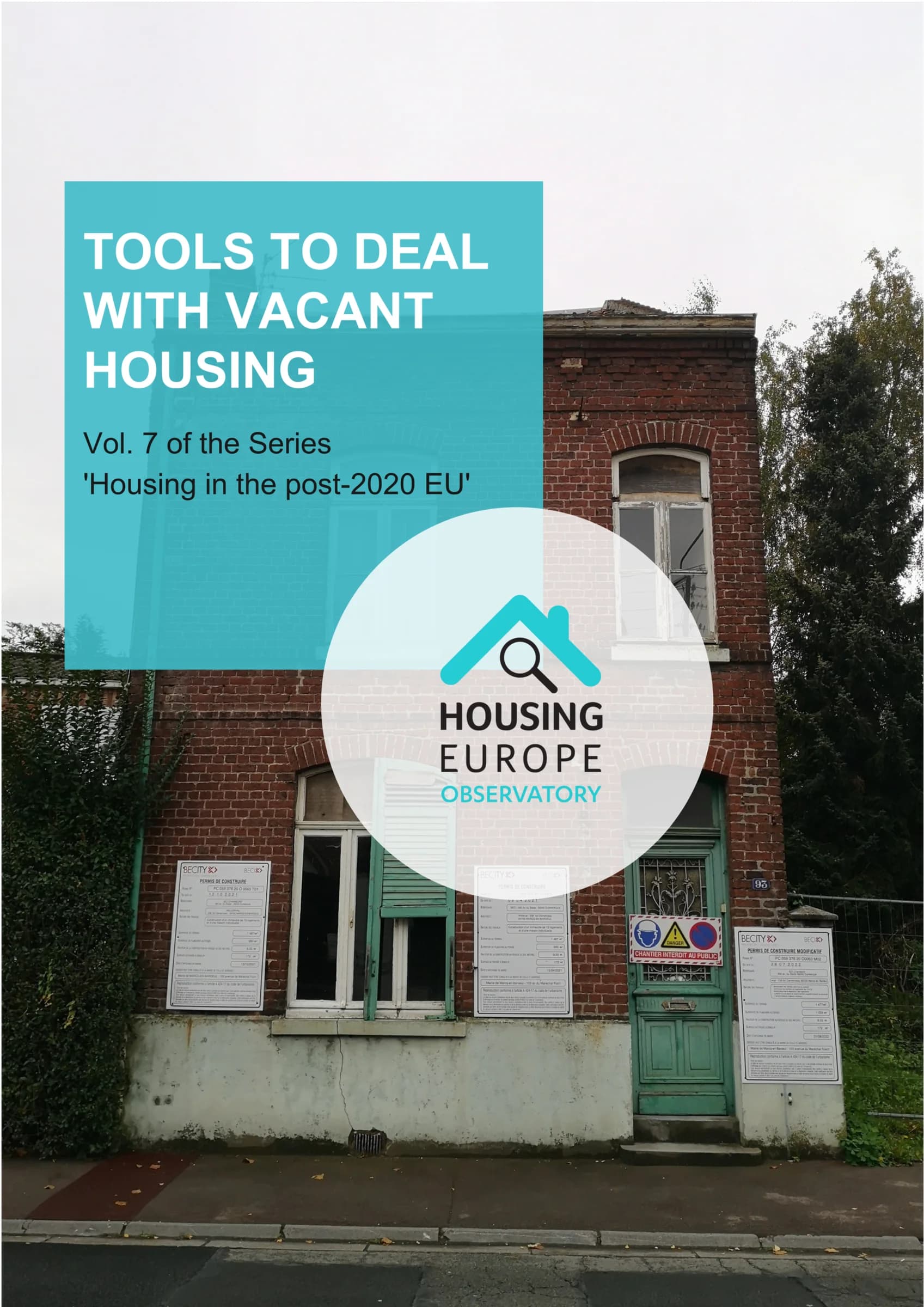
Tools to Deal with Vacant Housing
Related Organisations
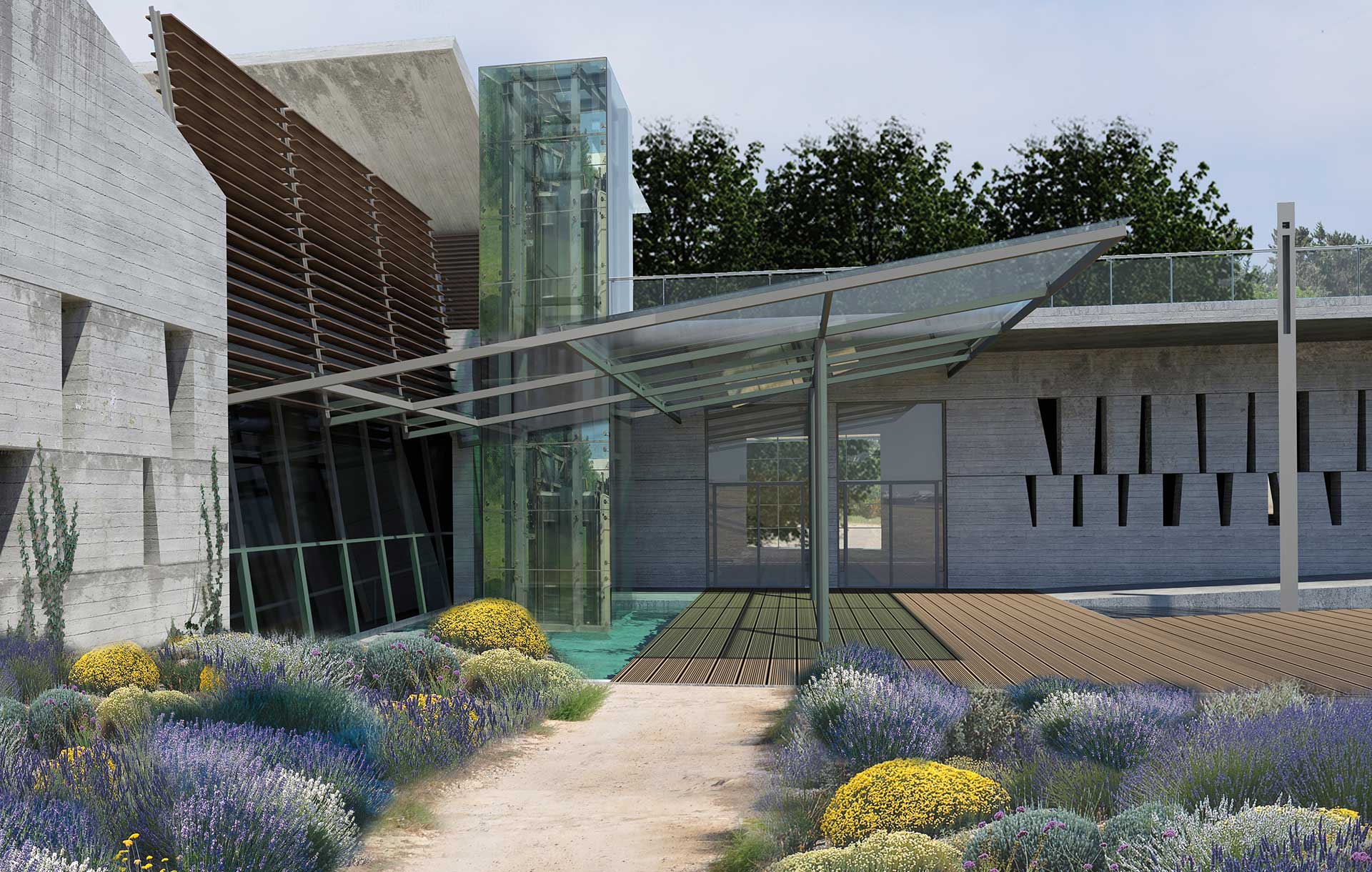



Related Projects
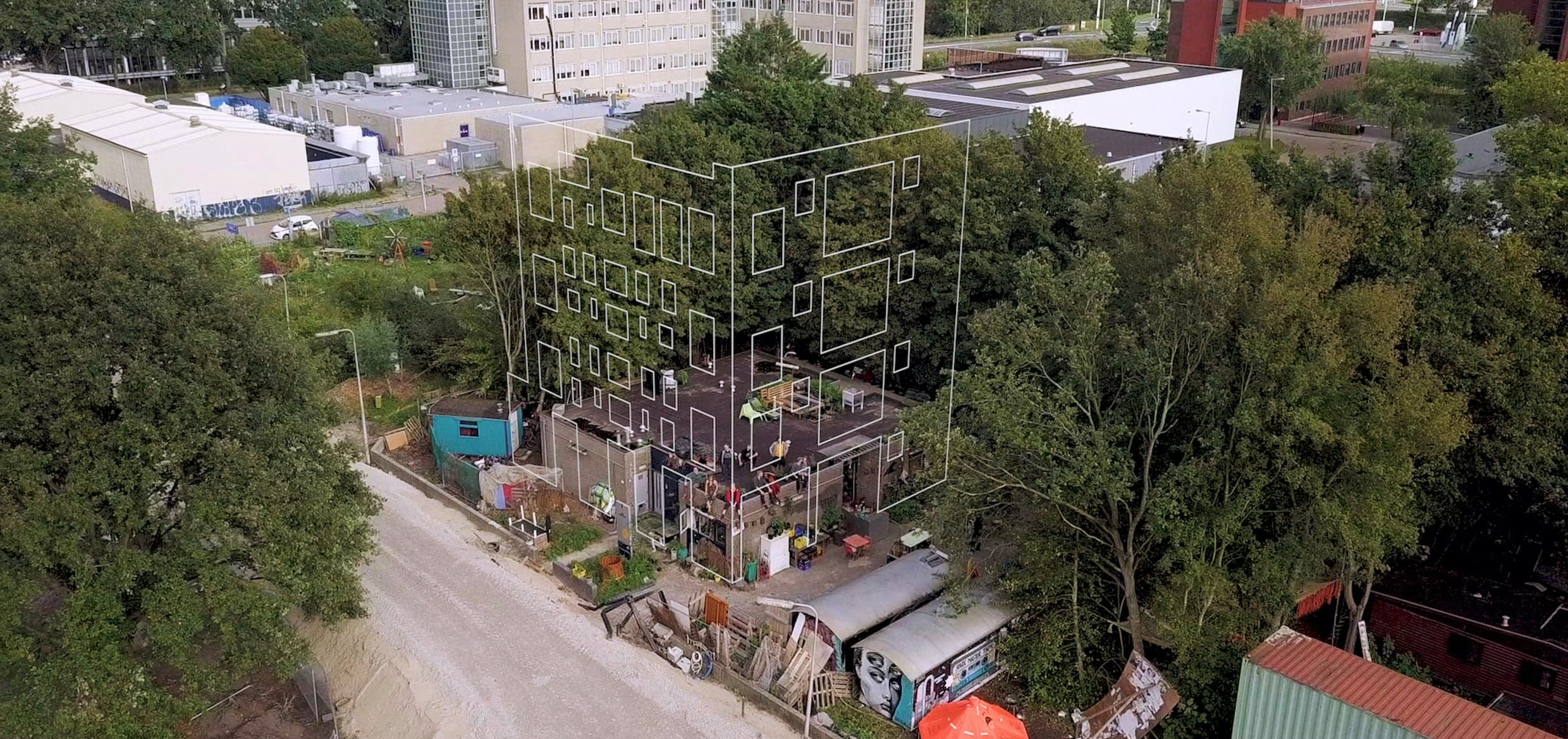
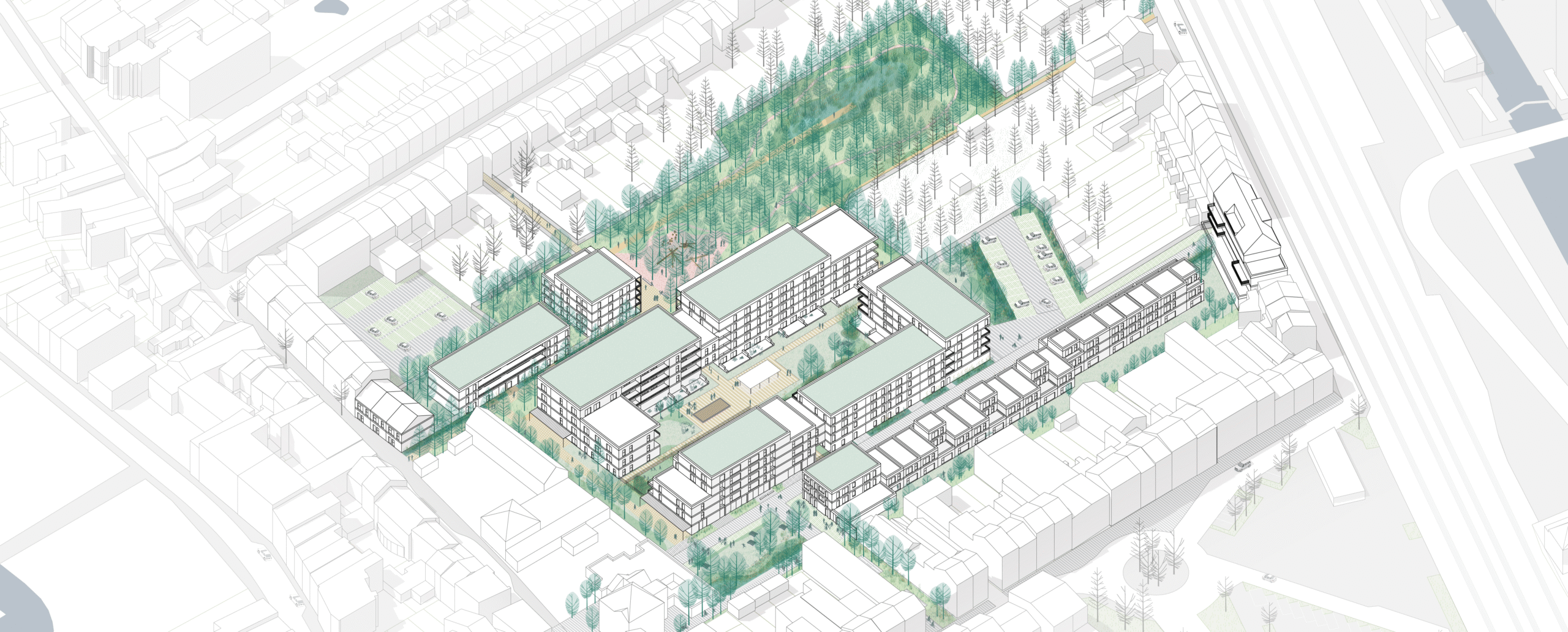
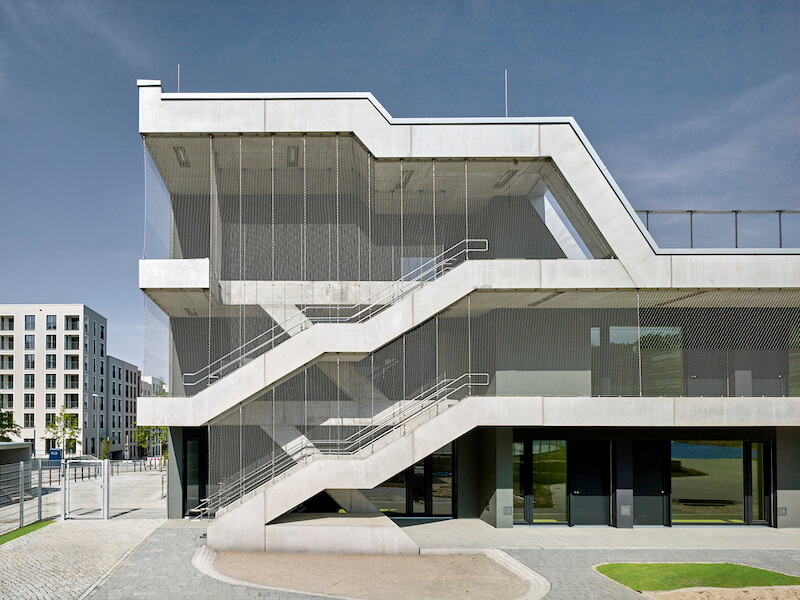
Bajesdorp
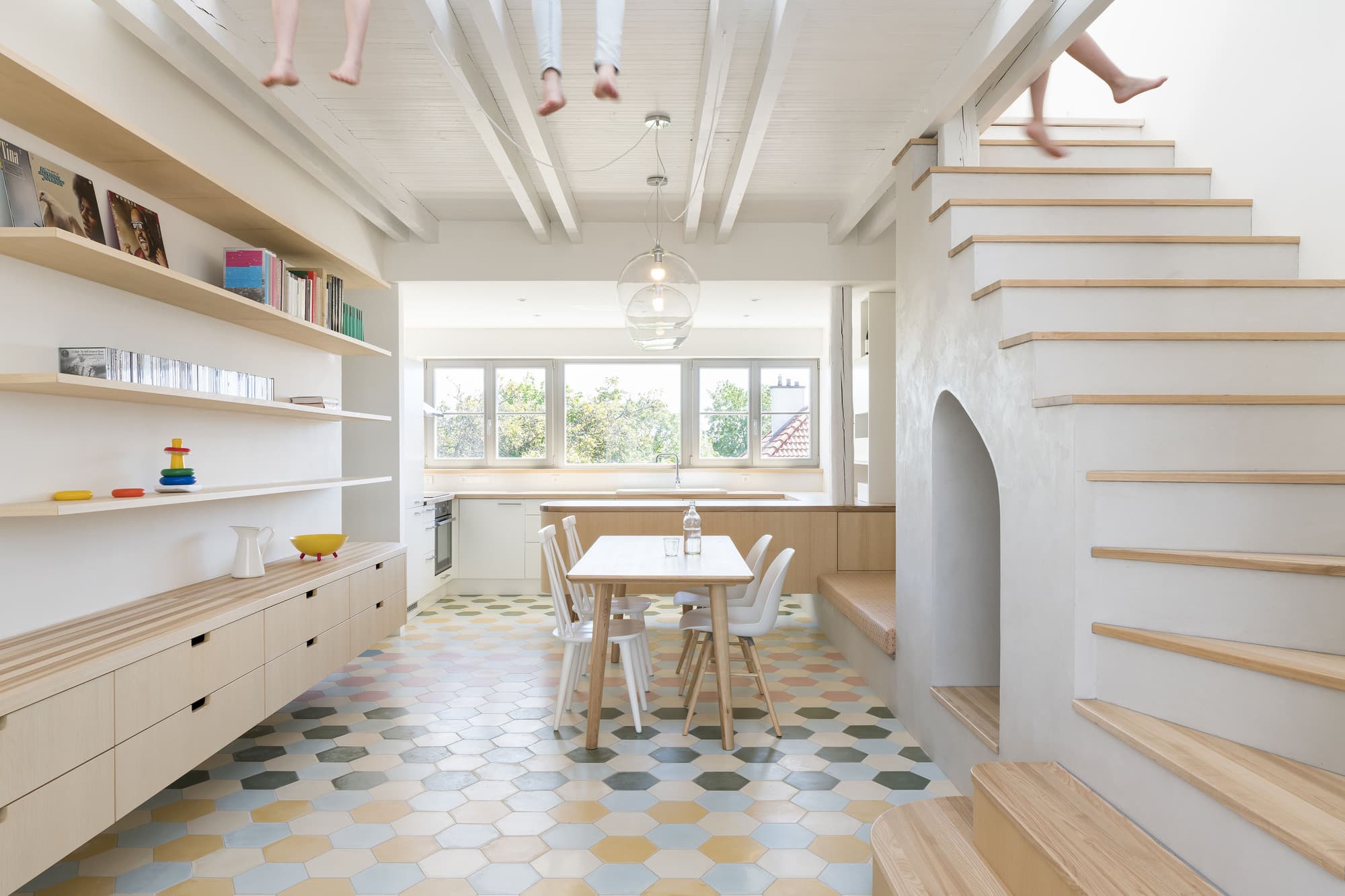
Baugruppe
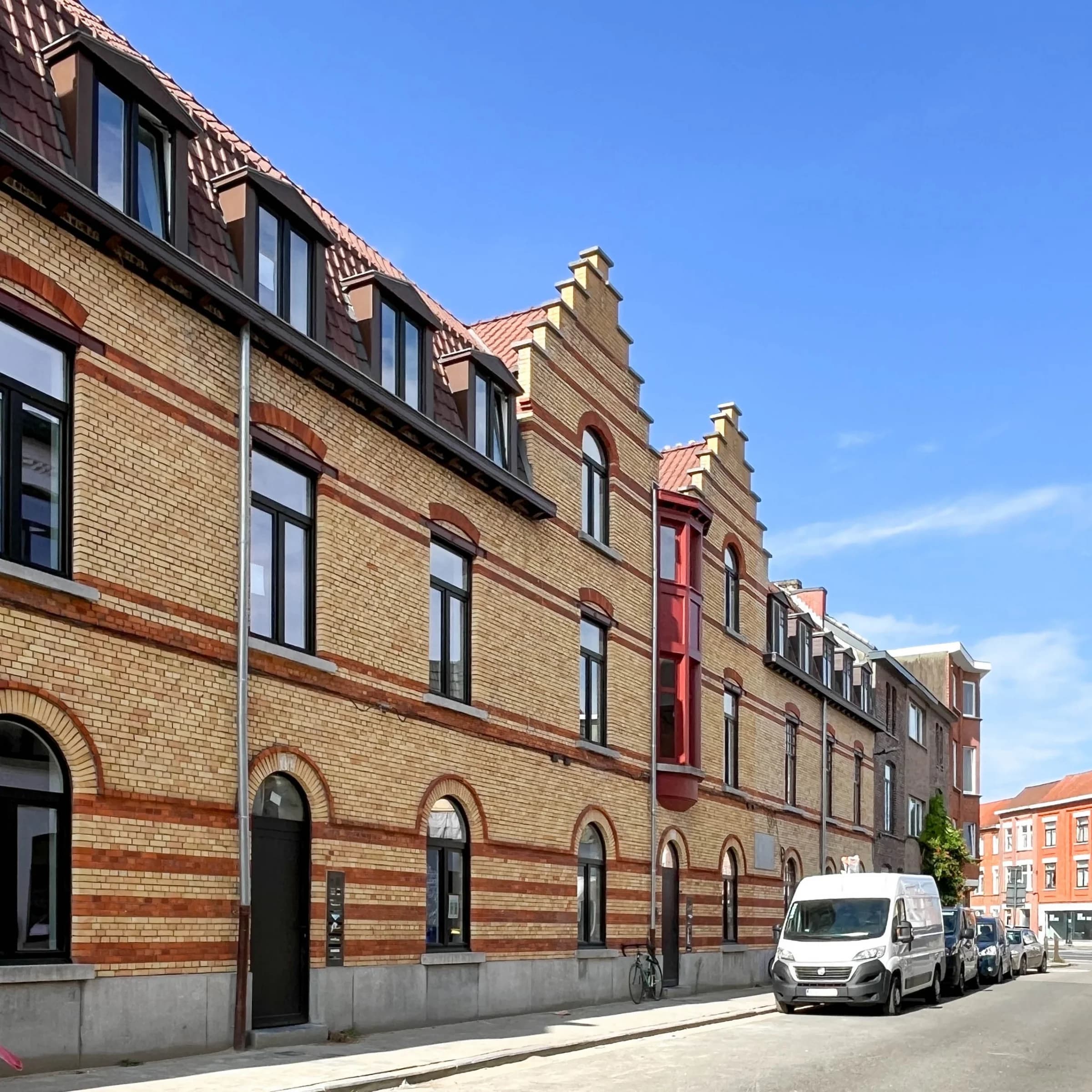
Bellefleur
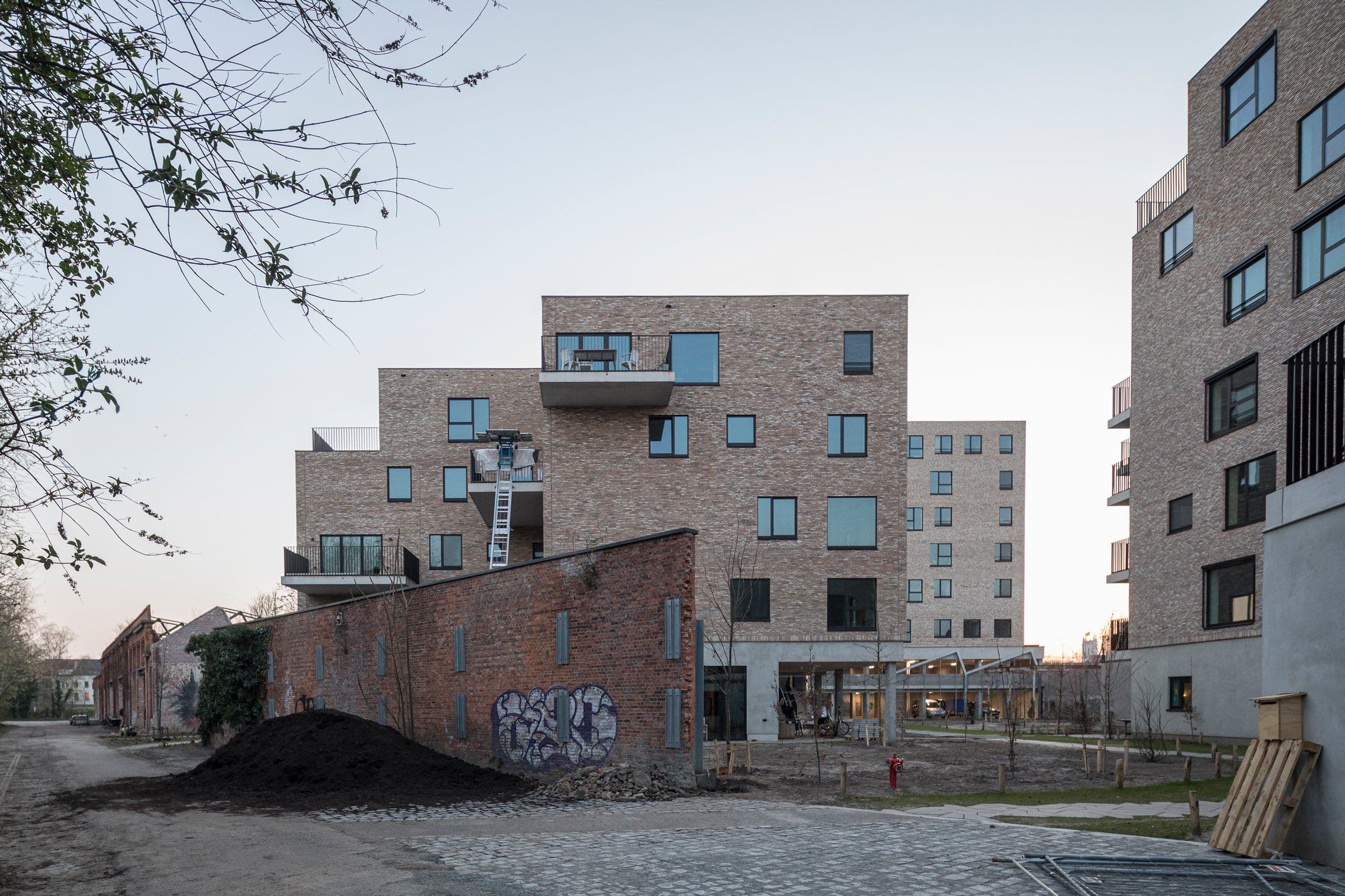
Bijgaardehof
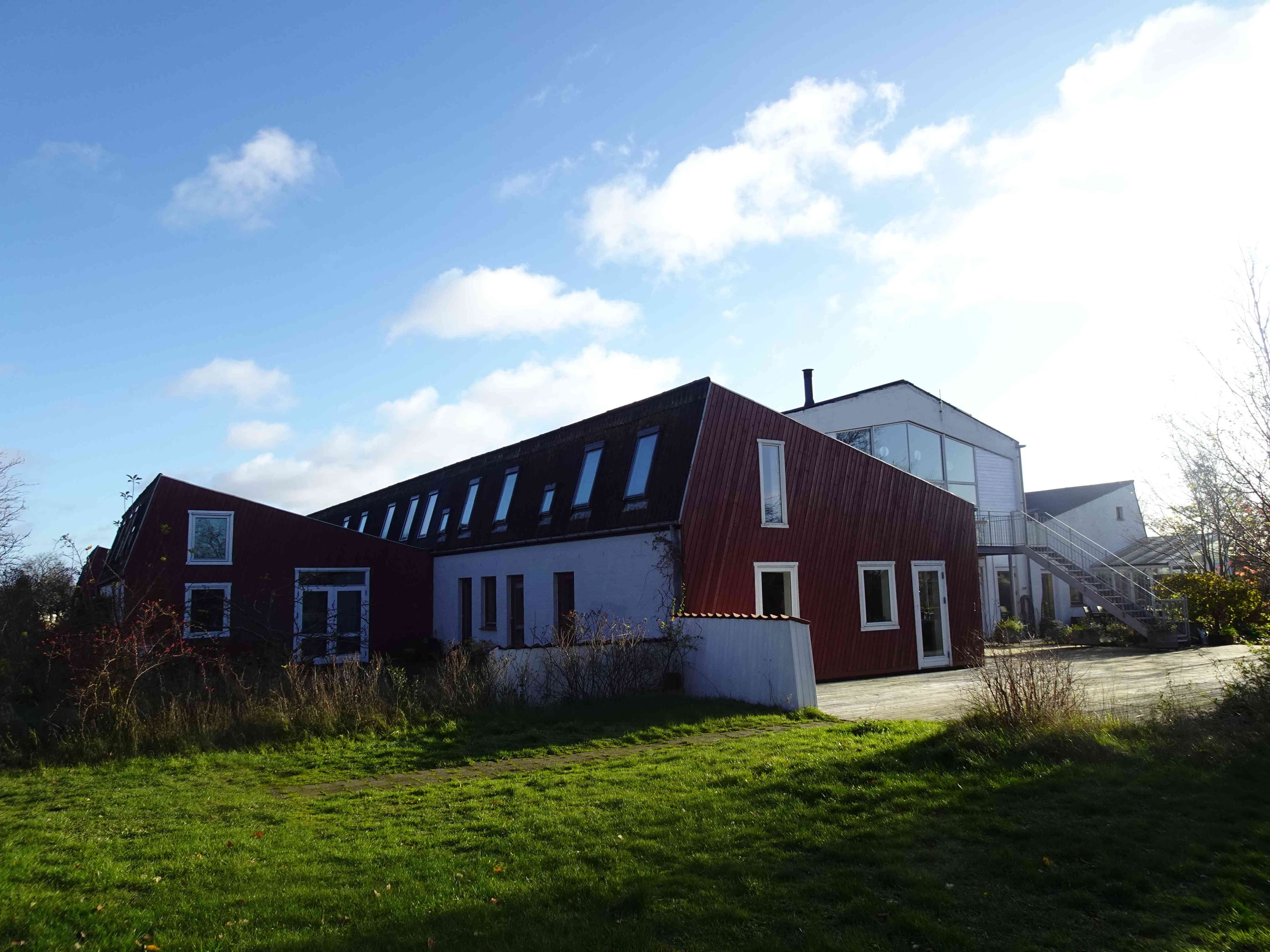
Bofællesskabet Jernstøberiet

Brasserie Aerts
Related Events
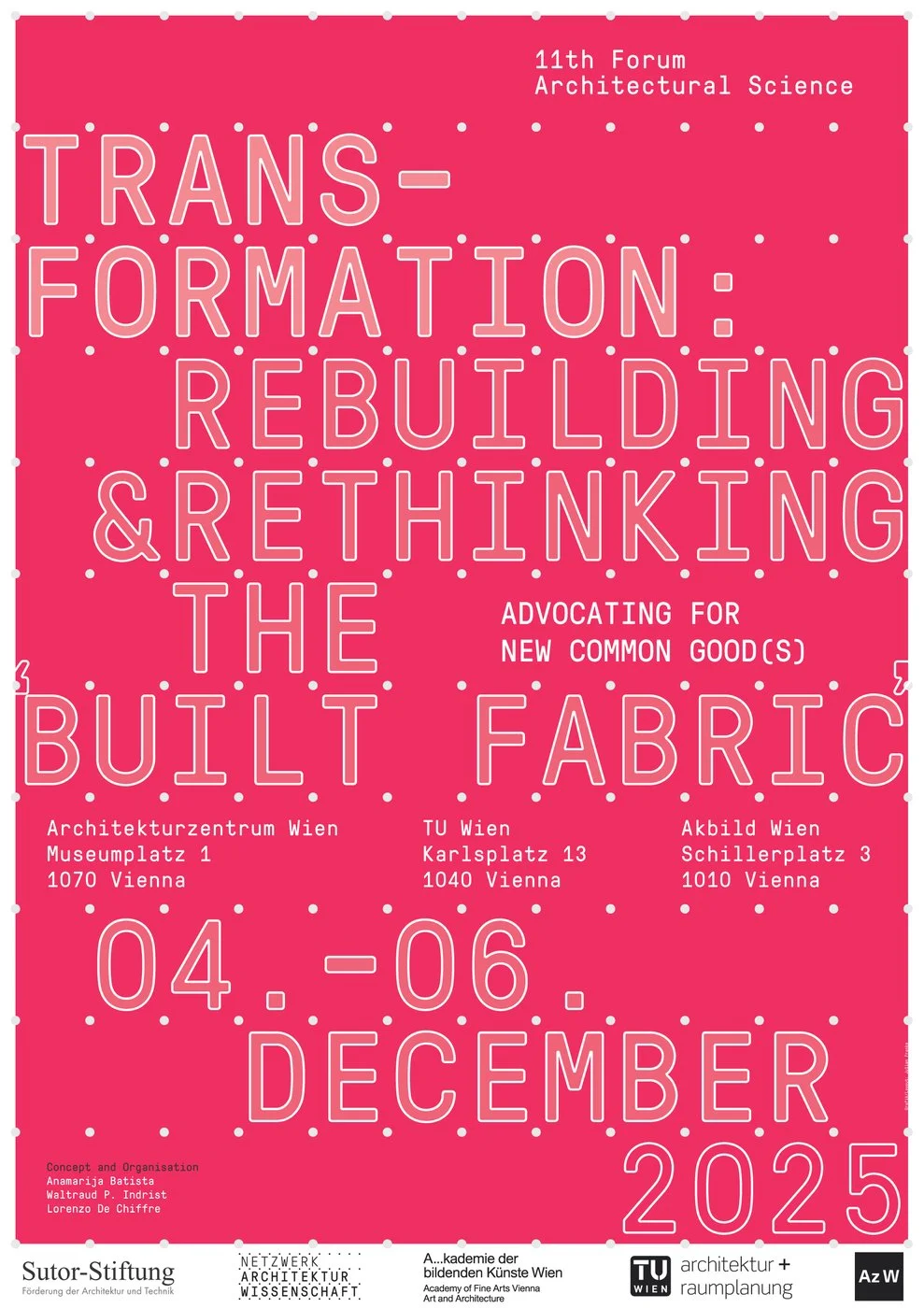
Transformation: reBuilding and reThinking the ‘Built Fabric’ Advocating for New Common Good(s)
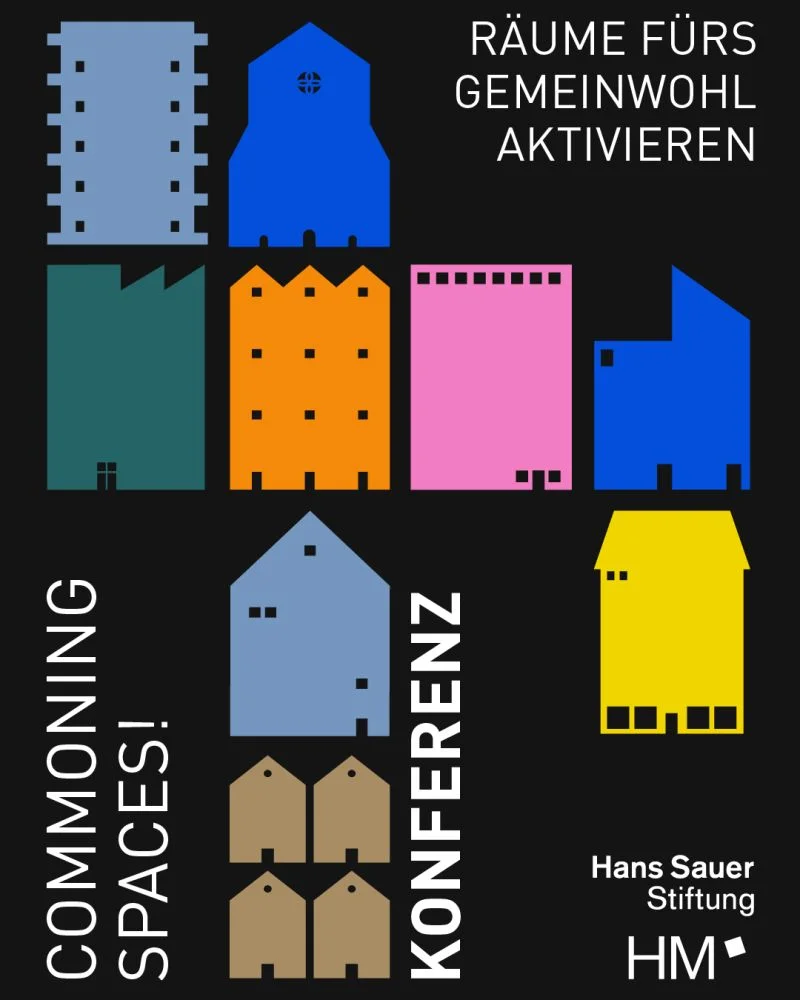
Konferenz „Commoning Spaces! – Räume fürs Gemeinwohl aktivieren“
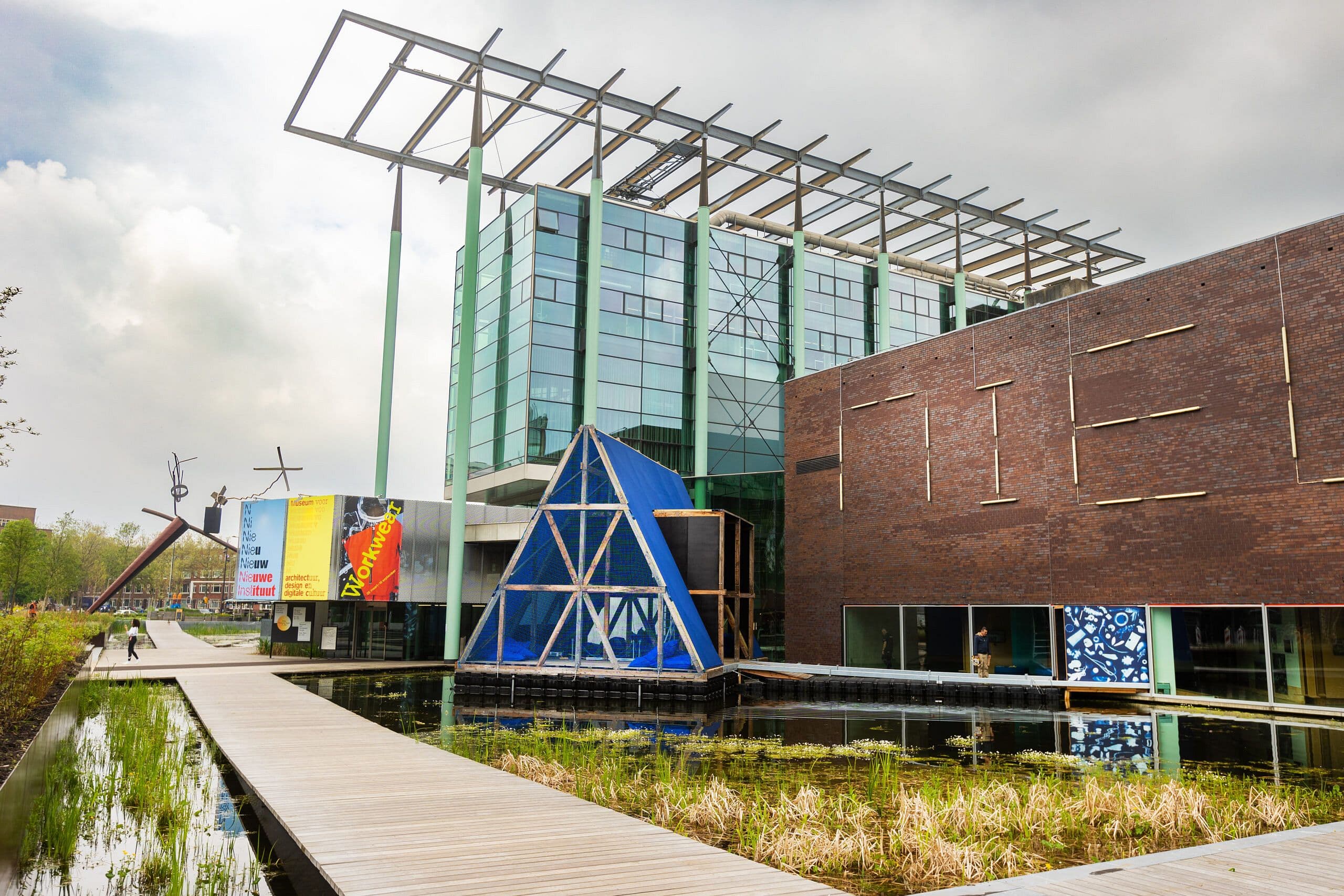
Adaptable Building Conference

Urban Future Festival #UF25
Other topics in Buildings, Reuse, Climate & Construction
Have resources to share?
Help grow our knowledge base by submitting research, case studies, or other resources related to adaptive reuse & asset activation.
Submit a Resource