Cooperative Housing & Democratic Ownership
Overview
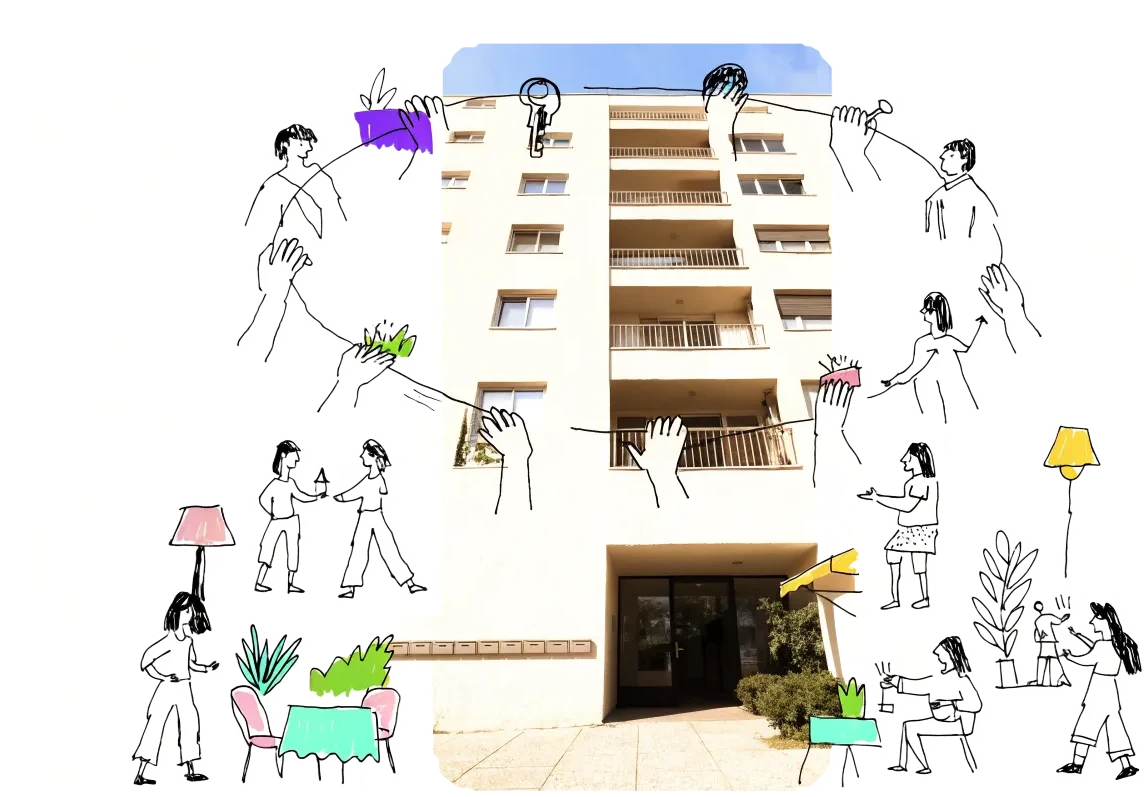
Housing cooperatives offer a vital alternative to profit-driven real estate by enabling residents to collectively own and democratically manage their homes. This model prioritises long-term affordability, secure tenure, and sustainable community building over financial maximisation. Amidst escalating housing crises across Europe, limited equity models and collective maintenance initiatives provide a proven buffer against displacement, ensuring stable housing costs across generations. The breadth of this approach extends from shared spaces that foster strong social bonds to innovative energy initiatives that reduce environmental impact. Furthermore, the European Cooperative Society framework allows these democratic structures to scale across borders, fostering pan-European networks that share capital, standards, and members to strengthen the movement continent-wide.
Below, you will find a curated collection of resources, organisations, projects, and events that illustrate the practical impact of cooperative housing. The knowledge base includes detailed case studies on the Stirchley Co-operative Development in Birmingham, the innovative Hallenwohnen setting in Zurich, and recent reports advocating for expanded cooperative models in Scotland. Visitors can explore active organisations such as ALTE MU eG and AHA Budapest, alongside specific community-led projects like Abante Jubilar Sevilla and 13 ha Freiheit. Finally, the events section highlights opportunities to engage with the wider movement, ranging from discussions on overcoming scale issues for cooperative investments to the upcoming International Social Housing Festival 2027. Take time to browse these materials and discover how democratic ownership is reshaping the future of European housing.
Key Aspects
Democratic Governance
Members have equal voting rights in decisions affecting their homes and community
Affordability
Limited equity models keep housing costs stable across generations
Community Building
Shared spaces and collective activities foster strong social bonds
Long-term Security
Residents have stable tenure without fear of displacement or rent increases
Sustainable Management
Collective maintenance and energy initiatives reduce costs and environmental impact
European framework
The SCE (Societas Cooperativa Europaea) enables cooperative structures across borders
Pan-European scale
Networks of cooperatives sharing capital, members and standards across countries
Go deeper
Long reads that explain cooperative housing & democratic ownership properly, with every number linked to its source.
Knowledge Resources

Think Europe - Impact Investing im Immobiliensektor
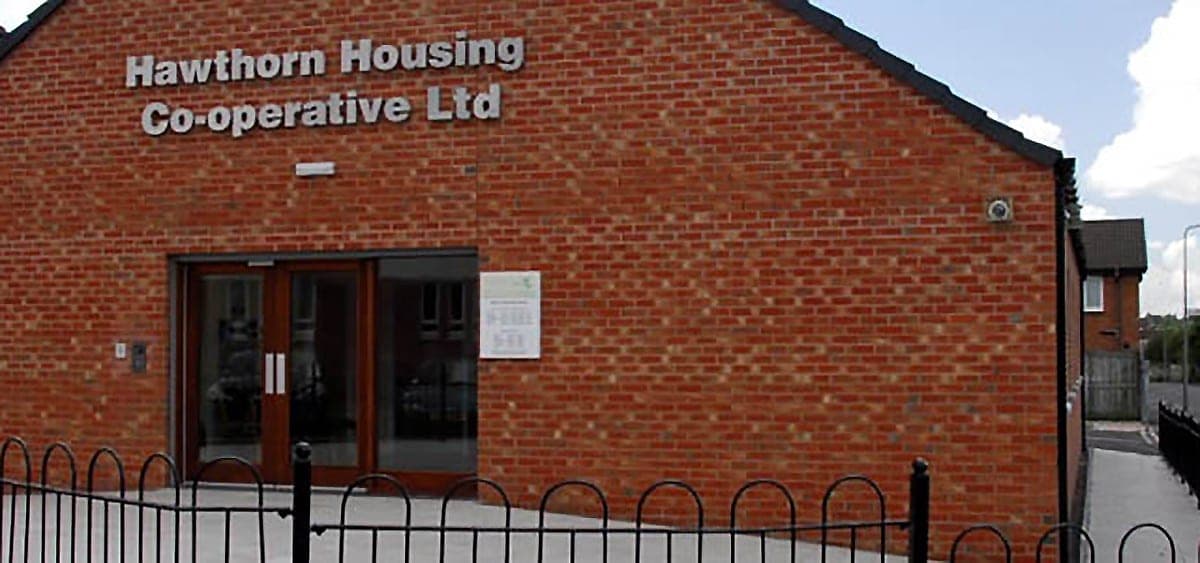
Housing co-op opens 48 new homes in Glasgow

Reidvale members reject Places for People Scotland transfer
New report calls for more housing co-ops in Scotland
Lister Housing Co-operative Ltd (Scottish Land Commission case study)
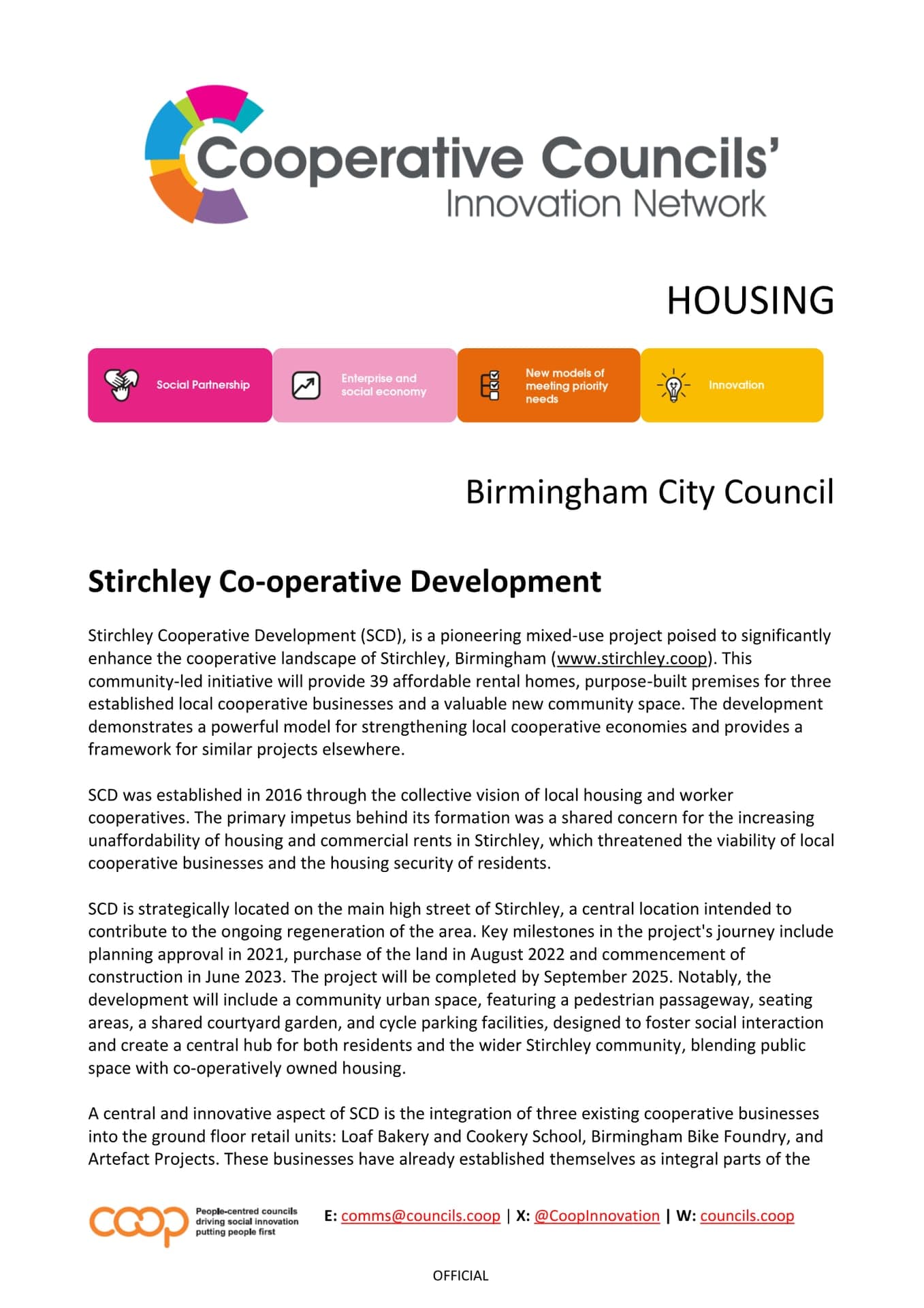
Community Councils Innovation Network case study: Birmingham (Stirchley Co-operative Development)
Related Organisations
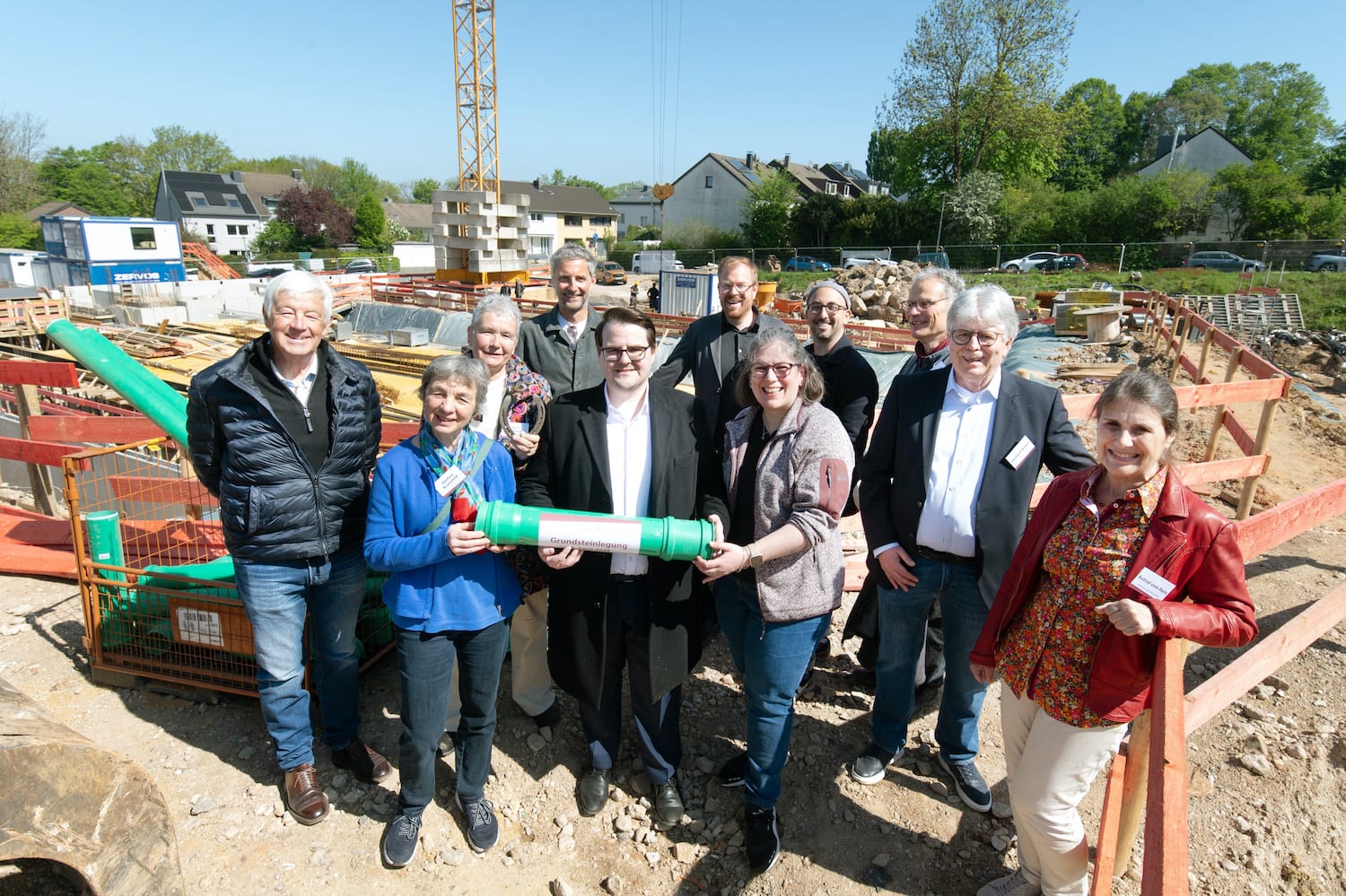







Related Projects
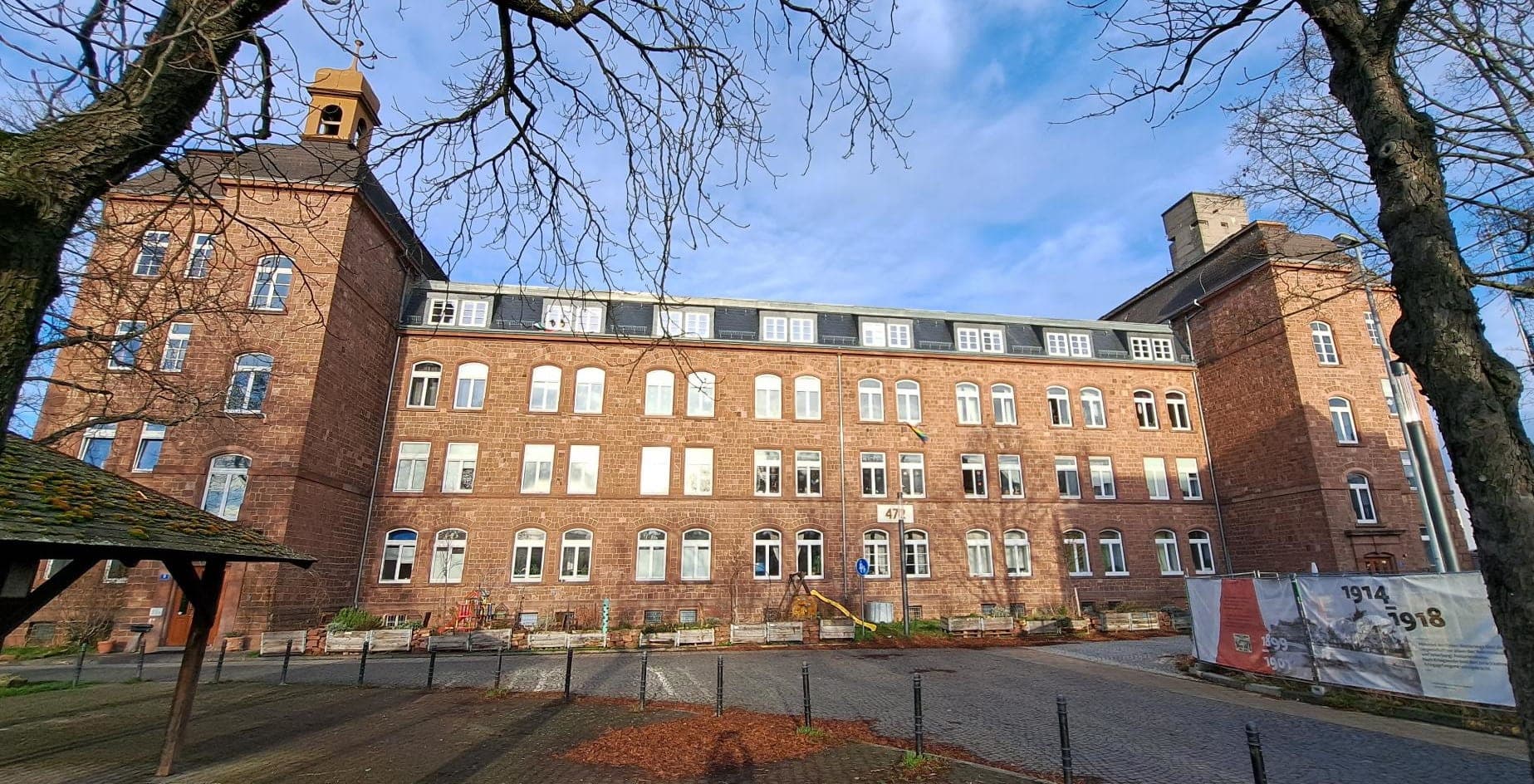
13 ha Freiheit (Turley)
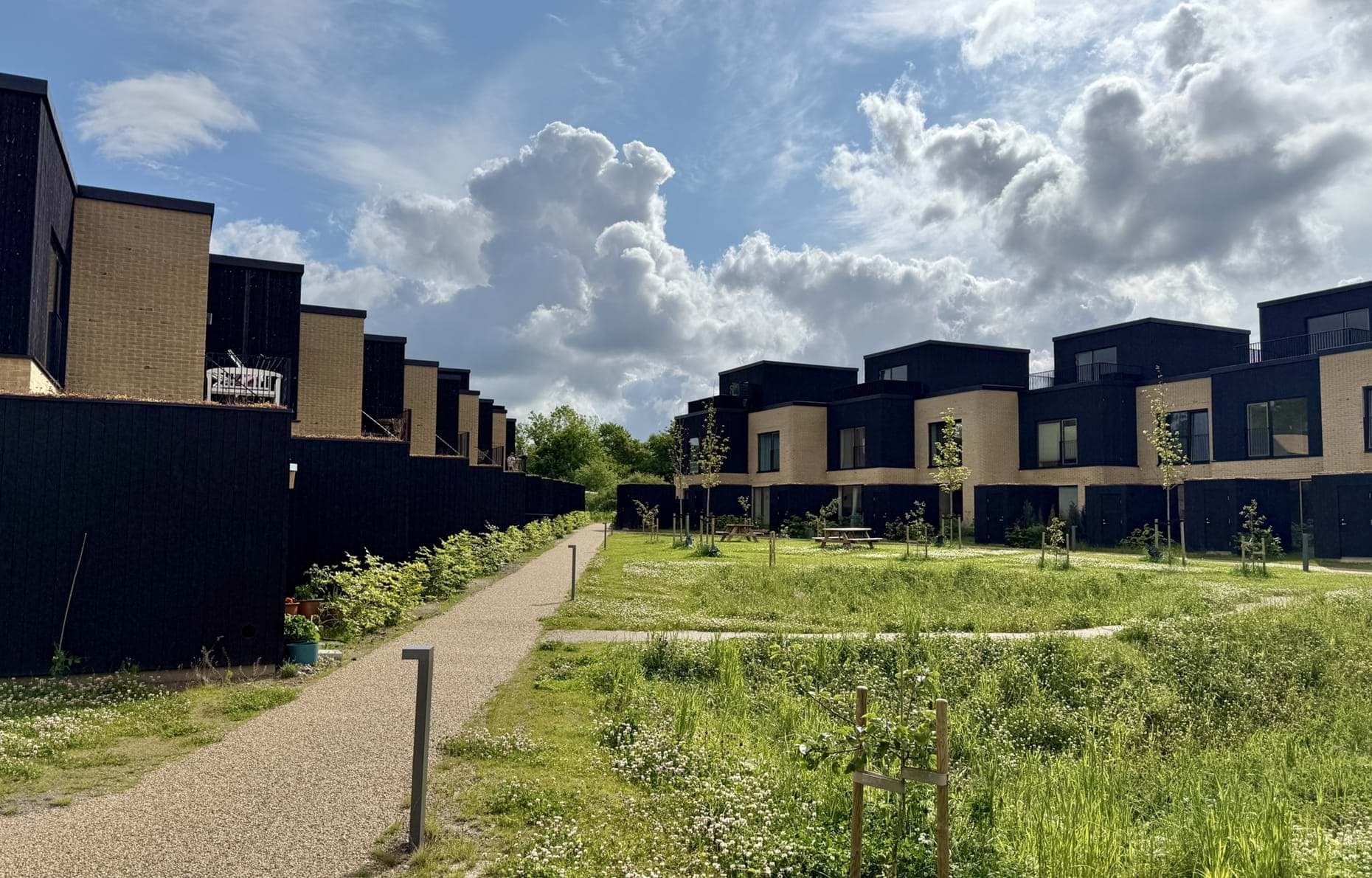
A/B haveHUSENE

ALTE MU – Das kreative Dorf in der Stadt
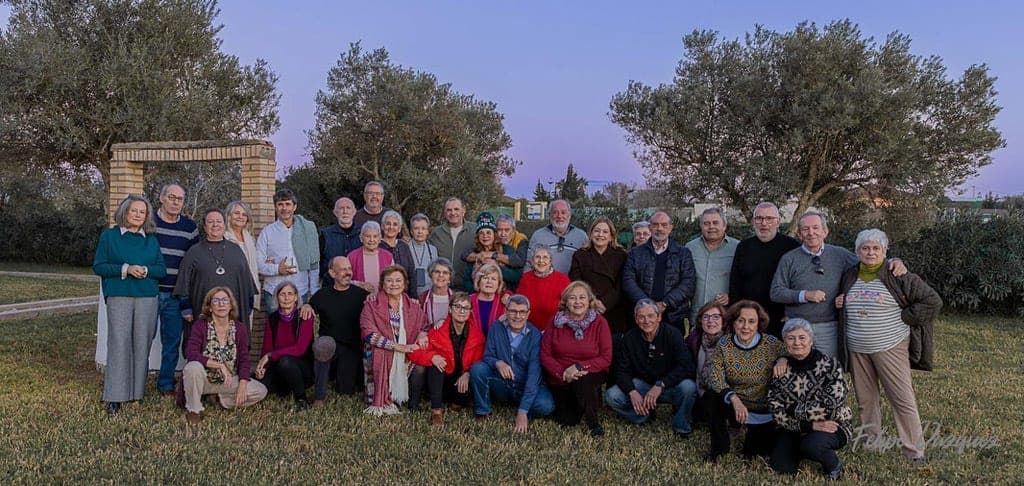
Abante Jubilar Sevilla
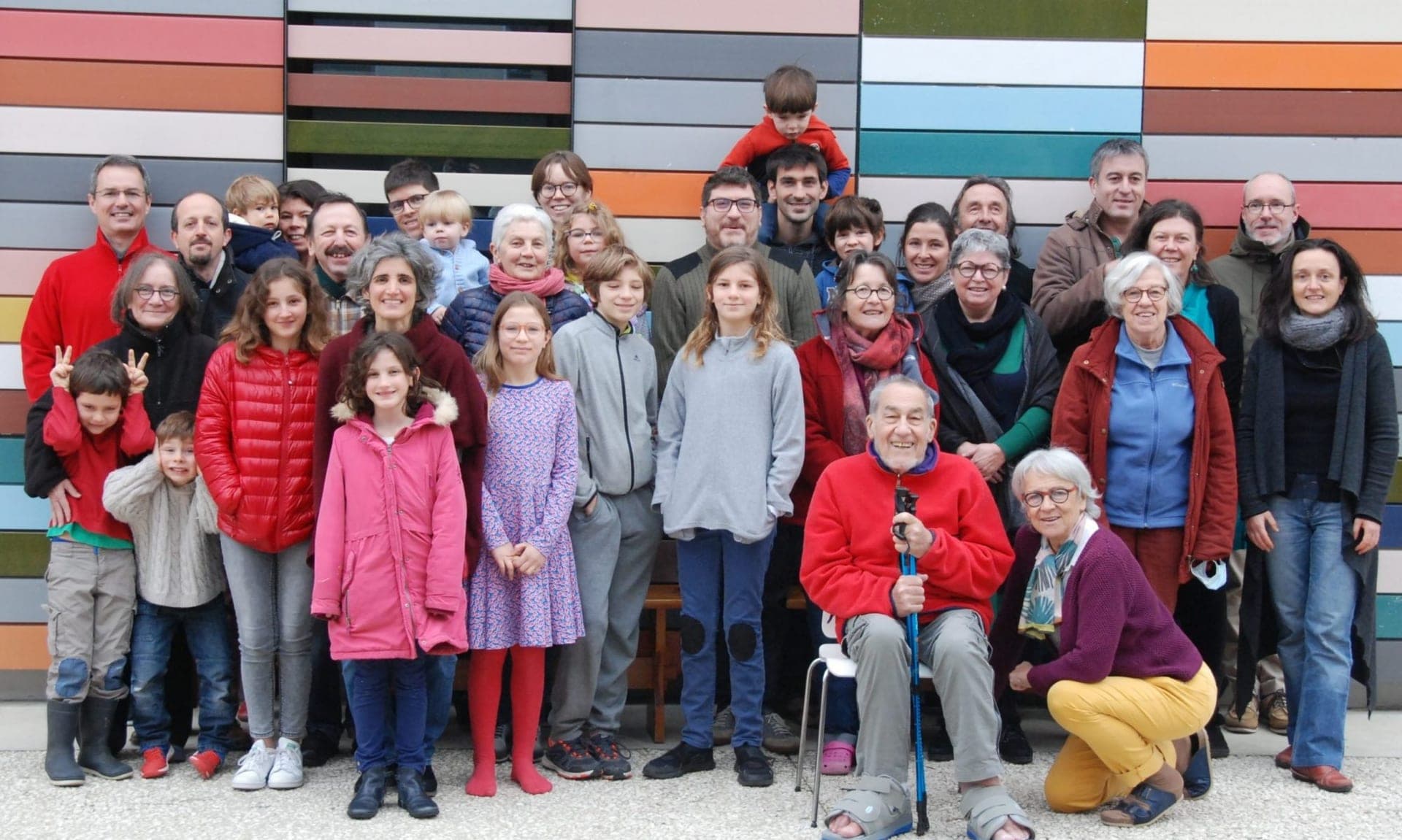
Abricoop

AdAptiv
Related Events

Overcoming the scale issue for cooperative housing investments

CHI Conference: Growing Cooperative Housing: Connecting Practice, Communities & Cooperation

Youth Voices, Cooperative Choices: Advancing a Democratic Economy in Enlarged Europe

Understanding Legal Frameworks for Cooperative Housing: Insights from the ILRAI Report
Other topics in Cooperative & Community-led Housing

Have resources to share?
Help grow our knowledge base by submitting research, case studies, or other resources related to cooperative housing & democratic ownership.
Submit a Resource