Overview of the Report
This analysis, produced by Correctiv Europe, is authored by journalists Lilith Grull and Frida Thurm with data visualisation by Johannes Gille and Luc Martinon. It investigates housing affordability across European municipalities using the ESPON House4All dataset, focusing on the ability of professional nurses to rent or purchase a 45‑square‑metre apartment. The study combines local housing price data (collected from over 100 million online listings between March 2024 and March 2025) with nurse salary information from national statistical offices, OECD, and Eurostat.
Key Affordability Findings
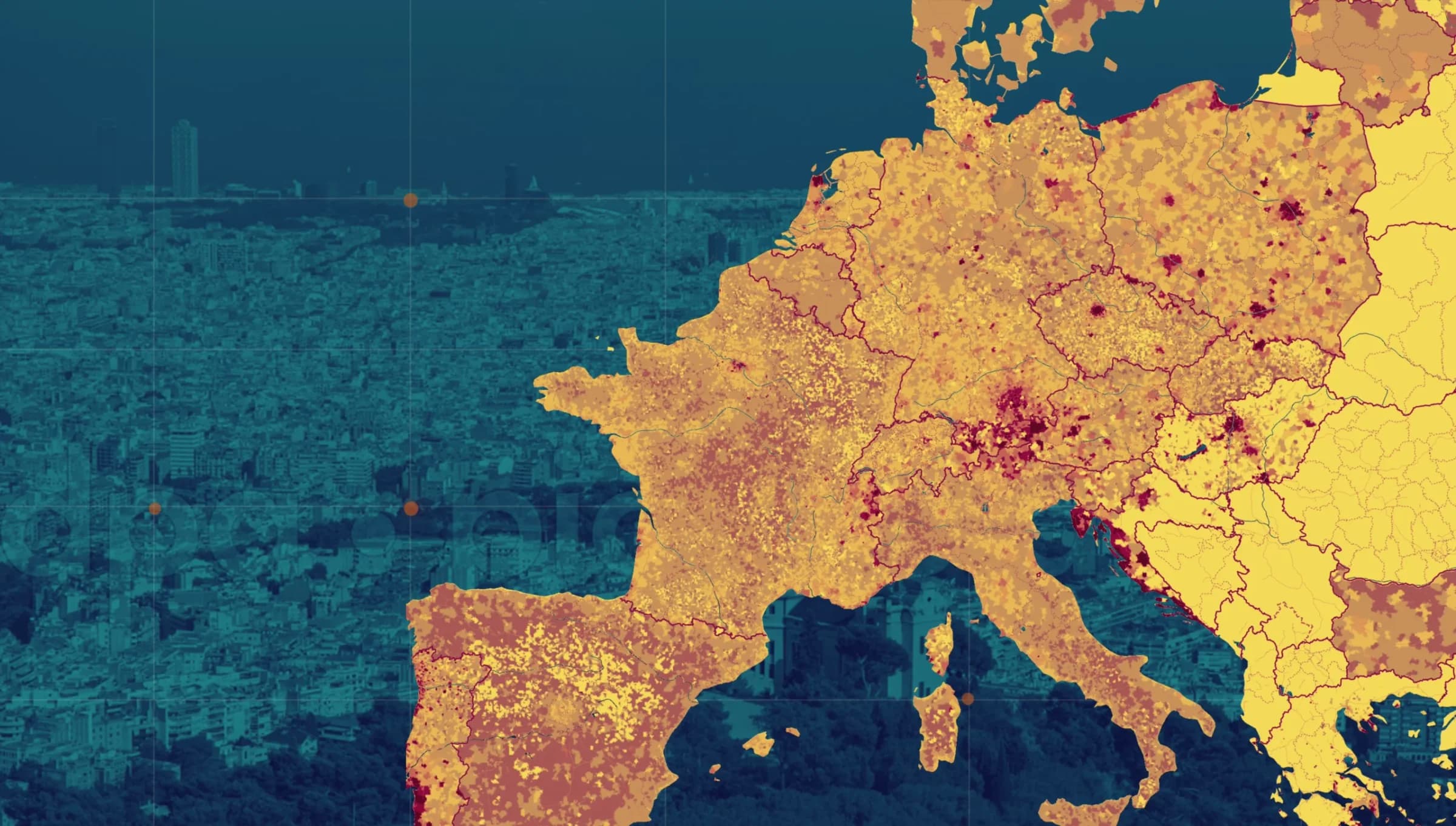
More than 15 percent of municipalities in the EU, Norway, Iceland and Switzerland have housing costs that exceed a nurse’s net salary for a 45 m² apartment, whether renting or buying. In Paris, rent would consume over 45 percent of a nurse’s salary, far above the 30 percent affordability threshold. In German cities such as Freiburg, rents also surpass this limit. In Garmisch‑Partenkirchen, property purchase costs would absorb more than half of a nurse’s earnings.
Price Trends Across the EU
Between 2015 and 2025, average EU rents rose by 21.1 percent, while purchase prices increased by 63.6 percent. Major German cities experienced rent growth of around 50 percent over the past decade. The analysis shows that housing price growth is uneven, with some regions remaining relatively affordable while densely populated urban areas become increasingly out of reach for middle‑income workers.
Drivers of High Housing Costs
The report identifies several structural factors:
- Land price escalation, accounting for roughly 80 percent of global house‑price growth since World War II.
- Financialisation, where institutional investors purchase residential properties, tripling their activity over the last ten years and pushing prices upward.
- Policy influences, such as minimum‑wage hikes and generous loan terms that increase demand.
- Tourism and short‑term rentals, which raise local prices in popular destinations.
- Urbanisation, with migration concentrating demand in cities.
- Insufficient new construction, with a projected 13 percent drop in completions in 2026 vs 2023.
- Increased living space per person, driven by single‑household growth.
- Money laundering, adding speculative pressure on real estate markets.
Impact on Nursing Workforce
Nurses serve as an indicator of broader middle‑class affordability. In Germany, the median gross monthly nurse salary is €4,329, comparable to the overall median. Where nurses cannot secure housing, other skilled workers also face similar barriers, threatening recruitment and retention of essential staff in hospitals and care facilities.
Regional Disparities and Population Effects
Although only 15 percent of municipalities are classified as unaffordable, these areas often have higher population densities, meaning over one‑third of EU residents live in places where a small apartment is beyond a nurse’s financial reach. Rural regions tend to remain more affordable, but the overall picture shows a widening gap between housing costs and incomes.
Policy Responses and Solutions
The study references various measures proposed or implemented across Europe: rent controls, housing allowances, social‑housing investments, land‑value taxes, and incentives for property swaps. The European Commission’s “European affordable housing plan” (December 2025) aims to lower legal hurdles, increase EU funding, and create an investment platform to boost construction.
Practical Initiatives on the Ground
In Freiburg, a hospital has hired a property agent and secured a residence hall for trainee nurses, while a local initiative has mobilised private owners to offer 160 apartments, of which 40 have already been allocated. Such targeted actions illustrate how local collaborations can mitigate immediate shortages.
Sustainable Housing Perspective
For a pan‑European audience focused on sustainability, the report underscores that unaffordable housing not only hampers social equity but also undermines climate goals. High‑cost urban living encourages longer commutes and reduces the feasibility of compact, energy‑efficient neighbourhoods. Addressing land‑price inflation, promoting inclusive zoning, and increasing the supply of affordable, well‑insulated housing are essential steps toward a more sustainable and socially balanced Europe.