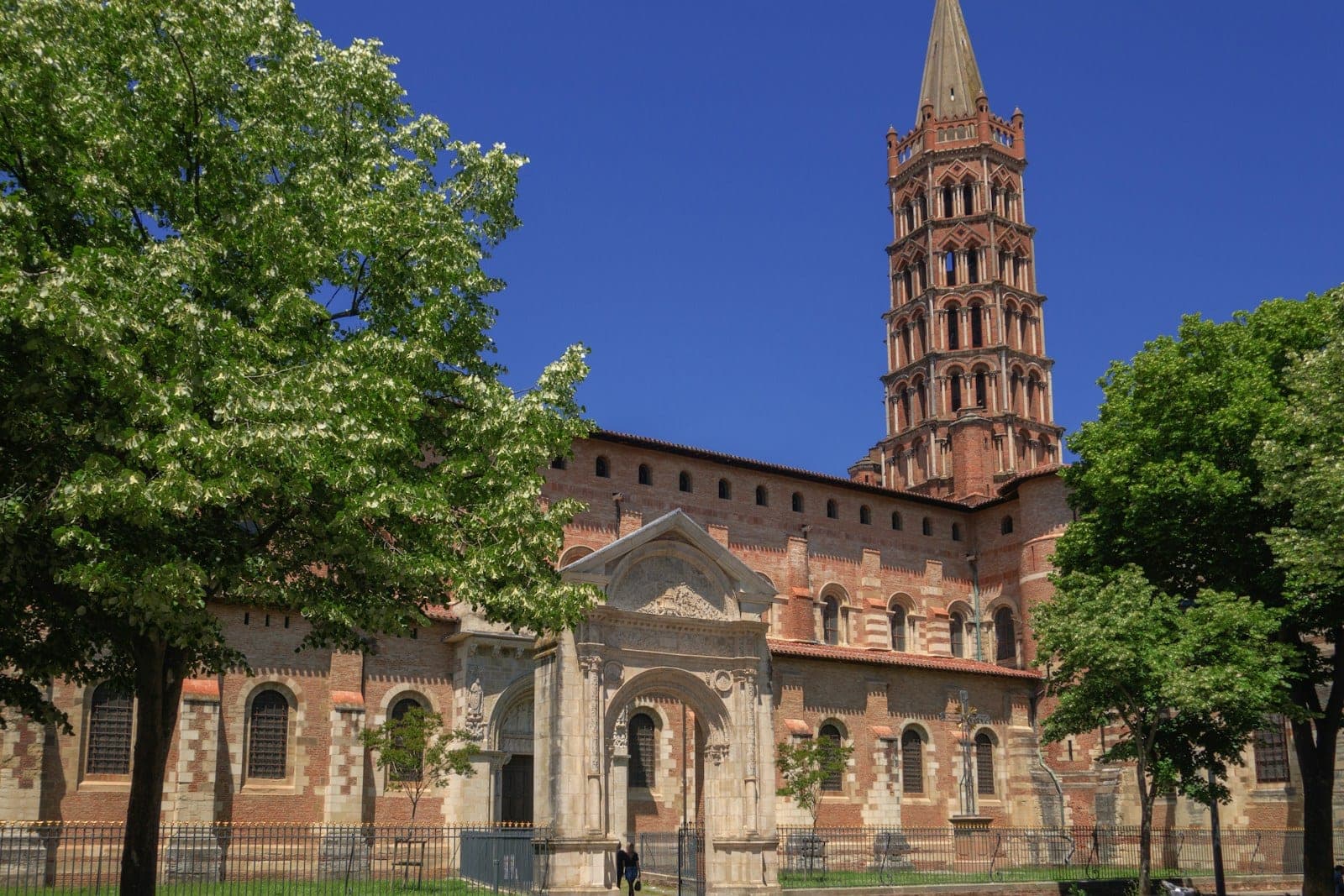
Pink brick, long queues
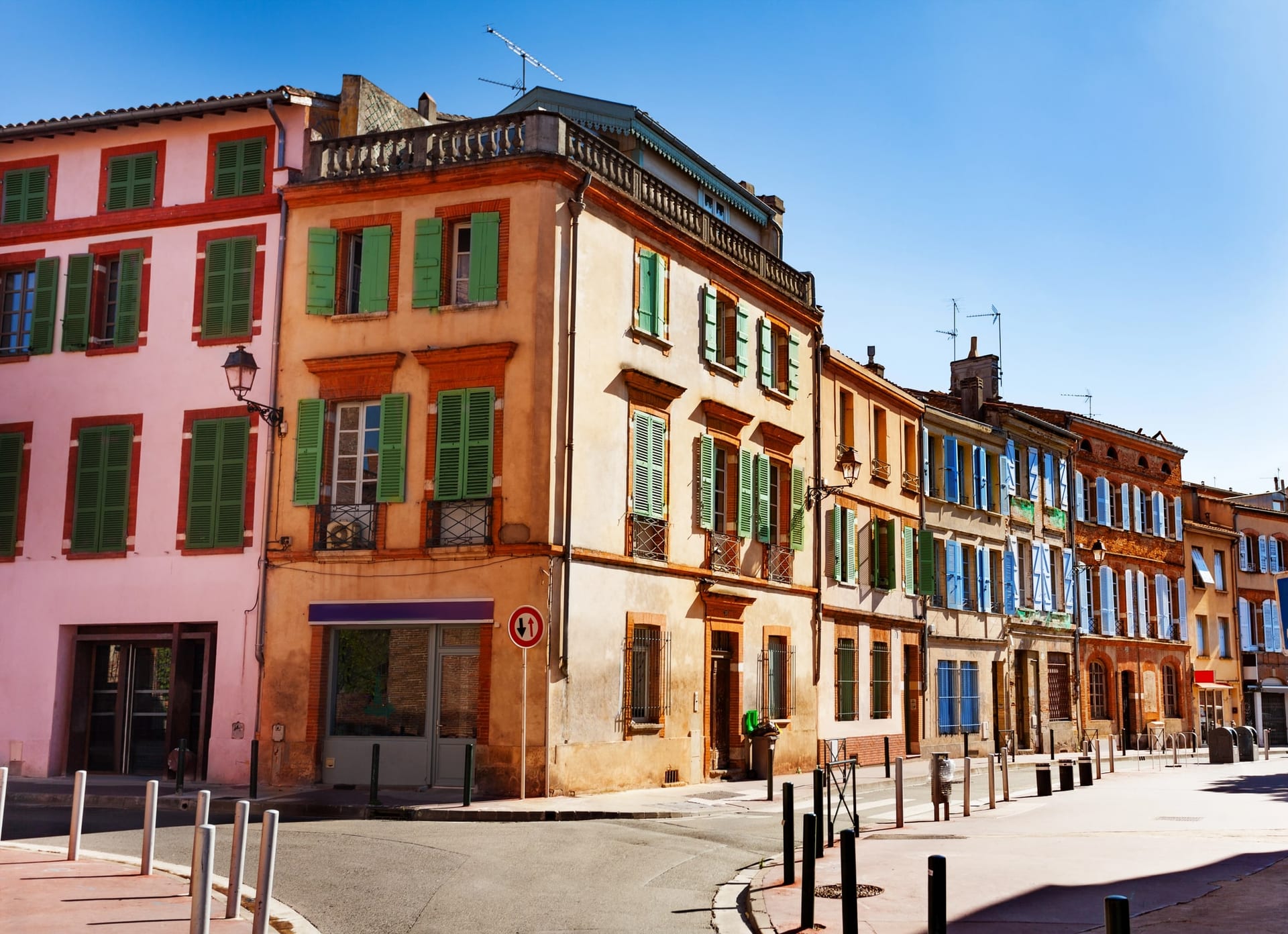
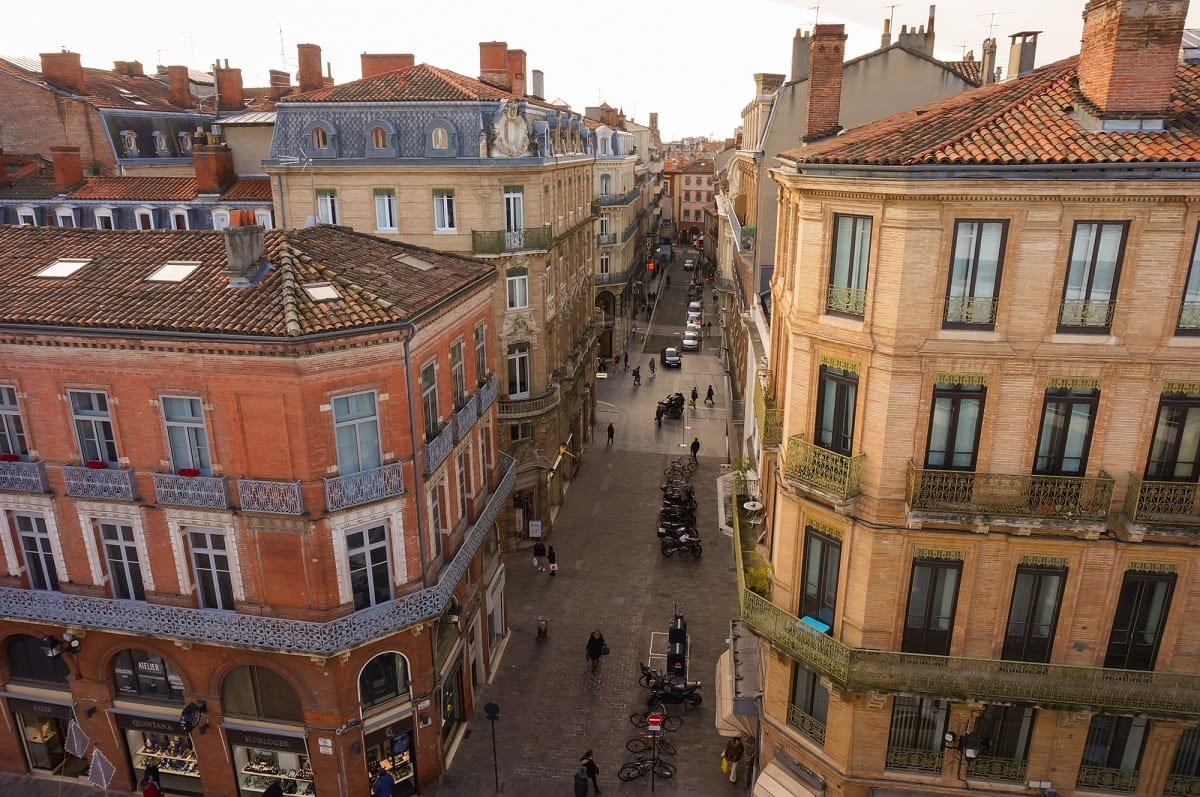
Toulouse is built of fired clay. The flat Garonne plain had no good stone, so the city raised its churches, mansions and terraces in the brick that earned it the name la ville rose (the pink city). The humblest version was the maison toulousaine, a single-storey brick house with a long garden behind, built for the market gardeners of the outer districts. Today that low, horizontal city houses one of the fastest-growing populations in France, drawn by aircraft, space and a very large student body.
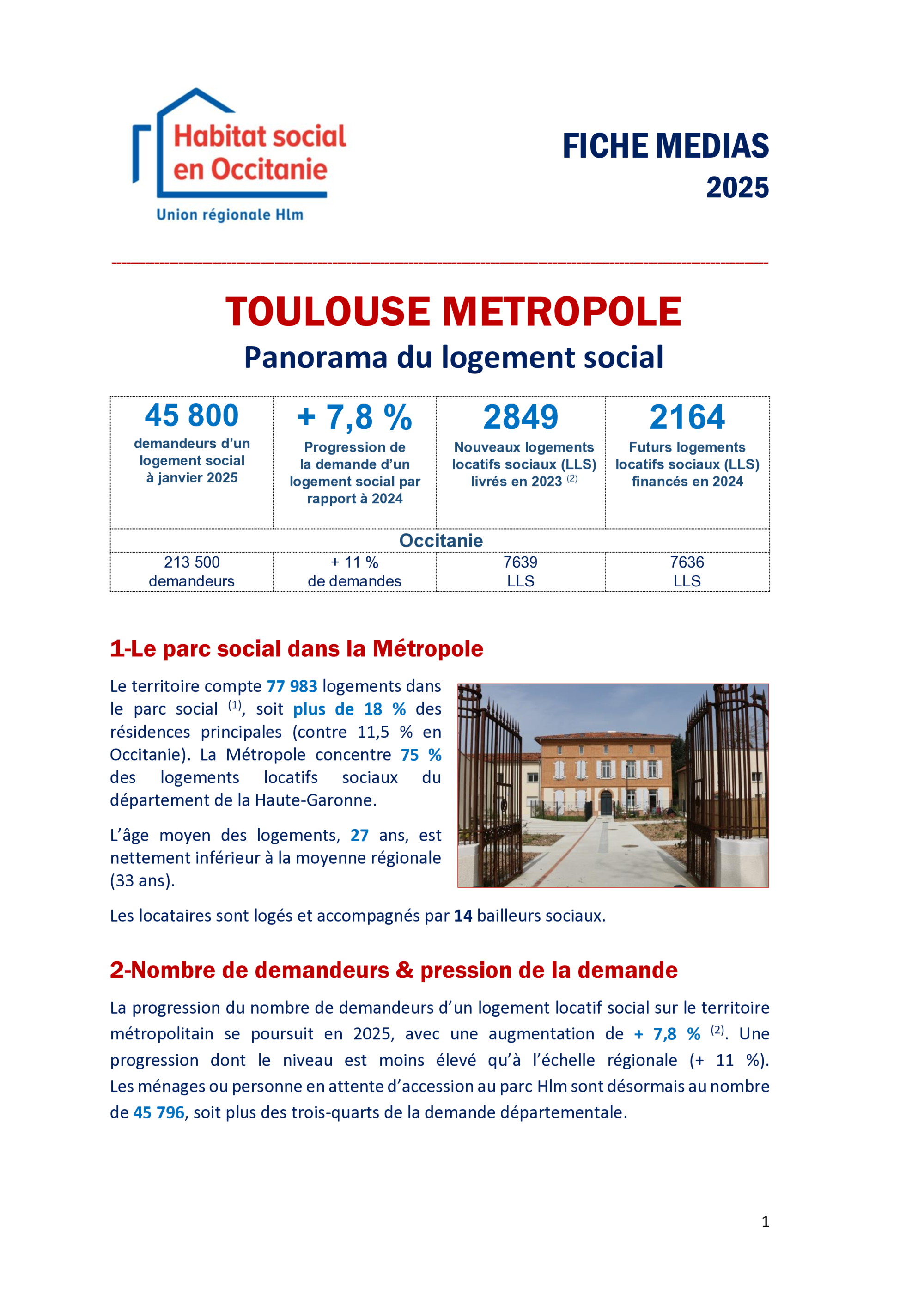
Most of those people rent. INSEE's census counts 32.2% of households as owner-occupiers and 65.8% as tenants. Public and non-profit landlords hold 13.3% of homes, some 37,213 dwellings let by HLM bodies (habitations à loyer modéré, France's regulated social landlords). Cooperative tenure barely registers in the statistics: residents' cooperatives count their homes in dozens, and the cooperative HLM companies file theirs under social rent. That leaves 52.5% in private rental, the true centre of gravity, and 2.0% of households housed free of charge by family or employer.
- Owners
- Owner-occupier32.2%
- Renters
- Public & non-profit rental13.3%
- Cooperative0.00%
- Private rental52.5%
- Other2.0%
- Housed free of charge2.0%
Social housing in France is a set of rules as much as a set of buildings. A home counts as social when it is let under conventionnement (an agreement with the state capping rent and tenant income), whoever owns it. In the city the regulated layer and the HLM stock coincide at 13.3%. Across the wider metropolitan authority the regional social-housing federation counts 77,983 social homes. Eligibility is broad: about 70% of French households fall under the standard income ceiling.
Rent climbs in clear steps. A social tenant pays around €6.15 per square metre a month. The median across the private stock is €11.90, and a new lease signed in 2024 came in at €12. The local rent observatory's 2025 results put new market rents inside the city itself at €13.30. Furnished lets, with utilities and furniture priced in, reach about €14.
- Public/municipal housing
- All-stock median
- New contracts
- Furnished / serviced (gross)
Monthly rent per m², net of charges except the furnished tier, which is gross.
Empty homes exist, though fewer than the headline suggests. The census counts 8.2% of dwellings as vacant, some 26,618 homes, most of them between tenants or awaiting works. Only about 4,000 private homes had stood empty for more than two years at the last count. Offices are tight too: vacancy runs at 4.2%, or 207,420 m² of floor ready to let. Tourist lets take a larger bite, with an estimated 6,000 homes listed mainly on Airbnb.
The arrivals do not stop. The wider city region gained about 19,000 residents a year between 2017 and 2023, the second-largest gain in France after Paris. Some 41,950 people move into the commune from elsewhere each year, and 123,071 students are enrolled in its urban area. Private building has faltered as demand rose. Investors bought 29% of new flats sold to individuals in 2025, down from 55% a year earlier, after the Pinel tax break ended and interest rates jumped.
The strain is sharpest at the bottom. 24.0% of the commune's residents live below the poverty line, far above the surrounding department. In the metropolitan area 45,796 households wait for a social home, and fewer than one in six is housed within a year. Mediacités reports that close to 5,300 households received a formal demand for unpaid rent in 2024, twice as many as in 2020. It has also reached working families. The Fondation pour le logement's Toulouse focus finds that a couple with two children and two salaries now struggles to find a home unless it moves to a priority district or leaves the metropolis. Nationally, 82% of French people say finding a home is hard, and Housing Europe's 2025 overview counts nearly 2.8 million pending social-housing applications across France.
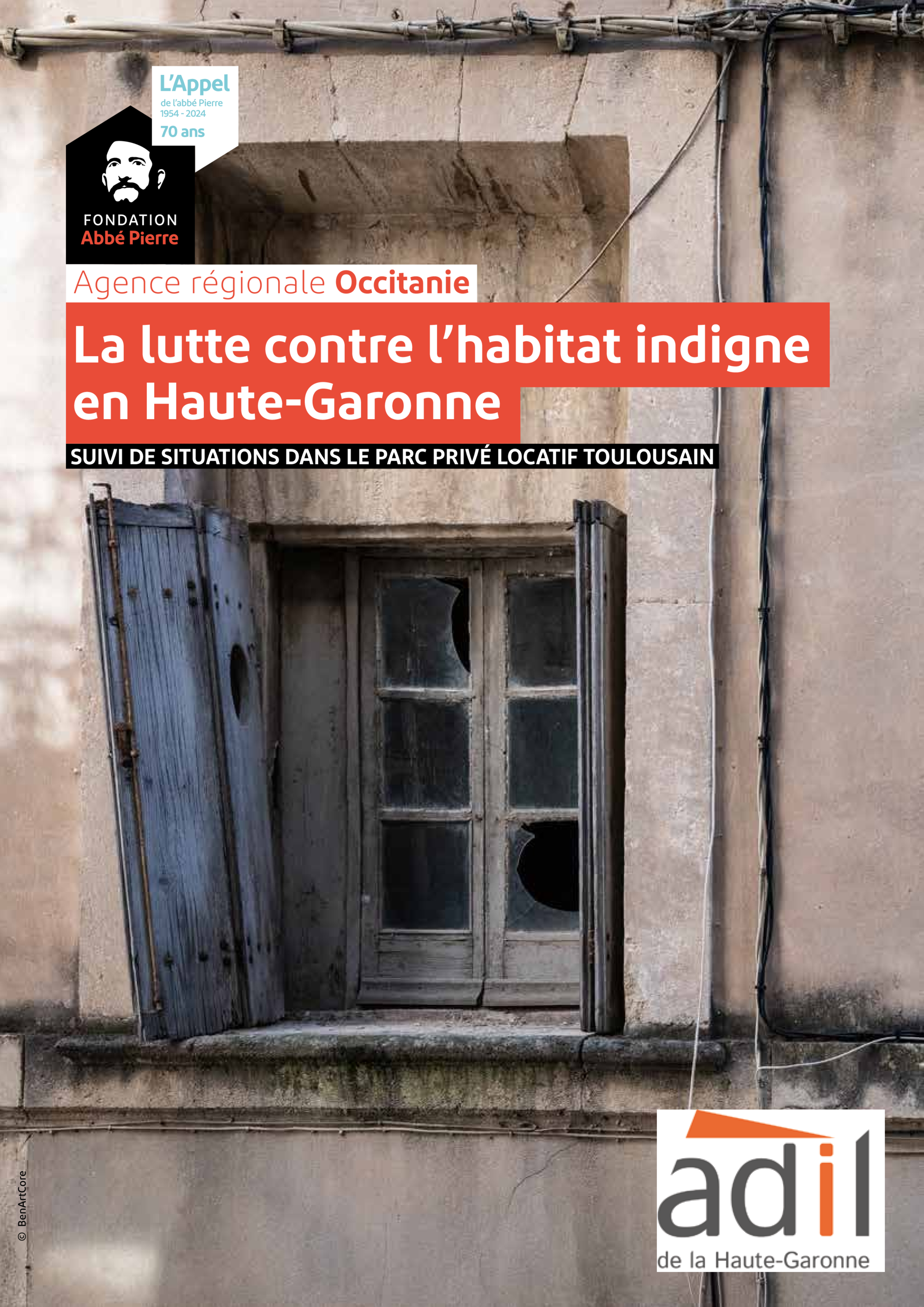
Today, in Occitanie, very modest and modest households simply can no longer find housing. In Toulouse, for example, a household with two children and two salaries cannot find a home today.Between the social queue and the private market sits a third road, still narrow: homes held by cooperatives and land trusts, which in Toulouse are older than most people assume.
From the Castors to the land trust
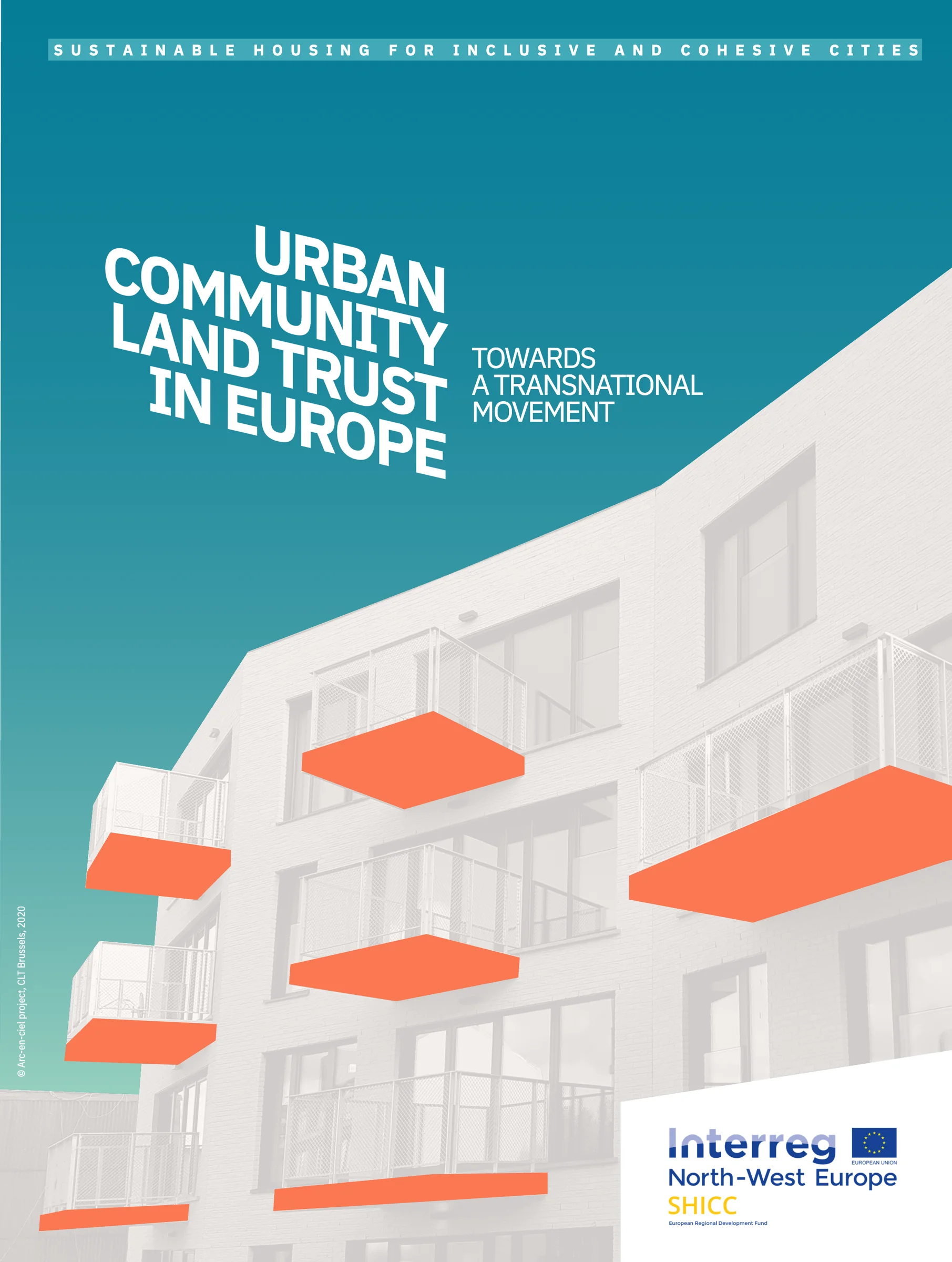
Cooperative housing in Toulouse takes three forms. The first is the coopérative d'habitants (residents' cooperative), revived by the 2014 ALUR housing law: members own shares in a company that owns the building, and each household rents its flat from that company. The second is the coopérative HLM, a cooperative social landlord that lets homes and helps modest households buy them. The third is newer. Under the bail réel solidaire or BRS (a solidarity ground lease), a household buys the walls while an organisme de foncier solidaire or OFS (a non-profit land trust) keeps the land and caps every resale price. A guide to urban community land trusts treats the OFS as France's version of the CLT.
The tradition runs deep. The city's HBM office (habitations à bon marché, the forerunner of HLM) was founded in 1921 and built the Croix de Pierre garden city, 1,800 homes between 1925 and 1939. After the war, some 100 families of workers from the aircraft maker SNCASE built their own houses at Bagatelle as Castors (self-build cooperators), with the state advancing the money. A cooperative founded in 1949 grew into Les Chalets; in 1966 a change in the law turned it into a company, which took over 3,316 cooperative homes. The residents' cooperative itself had no legal footing between the 1970s and 2014.
The sector now clusters into three camps with different troubles. The HLM cooperatives are large and professional: Groupe des Chalets manages more than 17,000 rental homes, and nationally 162 cooperative HLM societies manage 208,744 social homes. Their problem is scale and cost, like any social landlord. The land-trust camp is growing fast: Les Chalets' Occitalys Foncier and STON, a cooperative OFS, sell BRS homes. The planning agency's BRS study counts nearly 400 homes put on sale at a median €2,900 per m², about 30% below the open market. Its challenge is awareness among buyers, banks and notaries.
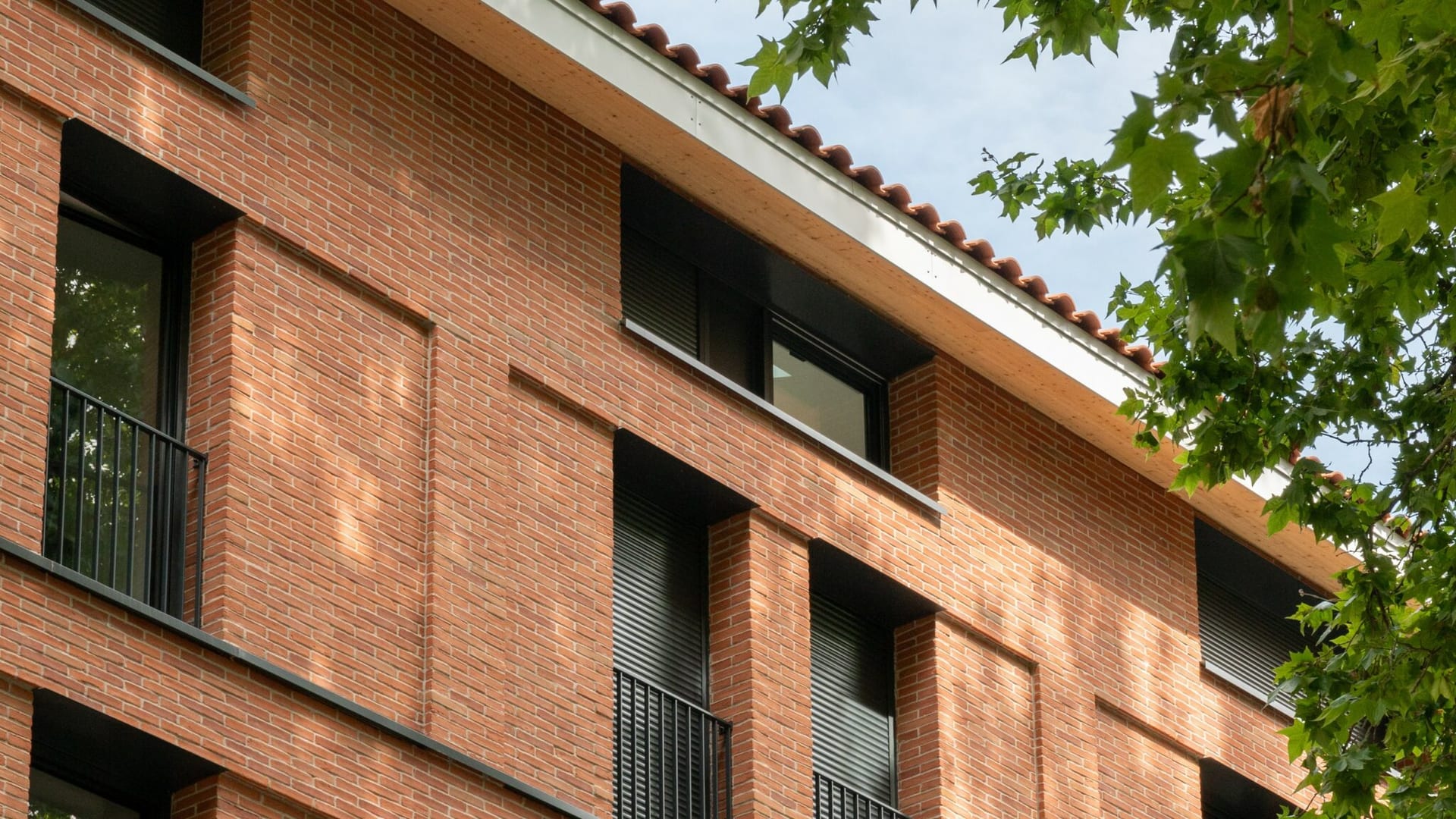
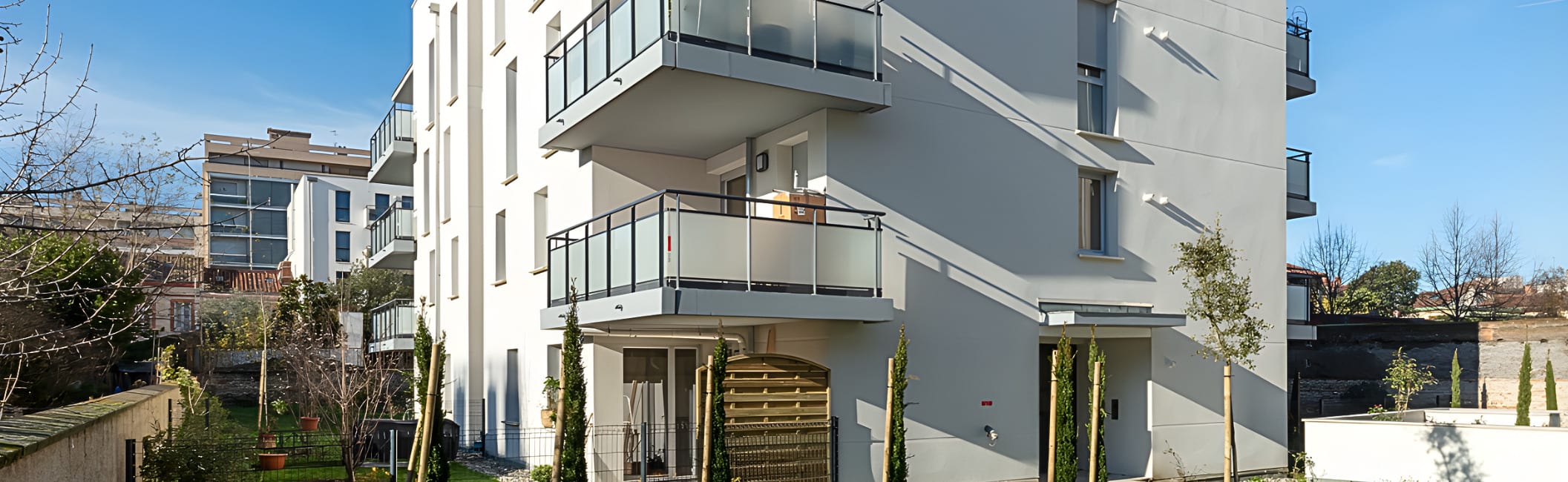
The smallest camp is the residents' cooperative, and it depends on the other two. Toulouse's pioneers build through a social landlord, then buy the building back or co-own the project. They draw on Habicoop, the national residents'-cooperative federation, and on Hab-Fab, the Occitanie resource cooperative for participatory housing. Nationally, Habitat Participatif France sits at the centre of a movement that a 2023 review of how cities can promote collaborative housing sizes at roughly 400 inhabited projects. Very few combine with social rent, which is exactly what Toulouse's examples try to do.
The Métropole has started to treat this as policy rather than curiosity. Its land-strategy team promotes the BRS as a secure first step into ownership, because the OFS buys the home back if a resale stalls. Development zones reserve plots for participatory groups. How far those tools reach depends on the choices the new council makes.
A mayor who builds, a left that would cap
Toulouse kept its mayor. On 22 March 2026 Jean-Luc Moudenc won the run-off with 53.87% against the united-left list of François Piquemal. In April he was returned as president of Toulouse Métropole for a third term. His housing answer is a programme for building more at controlled prices. In development zones, 70% of authorised homes would be price-controlled, half social rent and half subsidised ownership. He also promises to retrofit all of Toulouse Métropole Habitat's stock, close to 20,000 homes, by 2030, and to scale up the BRS.
Each level of government holds a different lever. The state writes tenancy law, funds HLM building through the Caisse des Dépôts and its Banque des Territoires arm, and sets the SRU quota (the Solidarity and Urban Renewal law's social-housing minimum). Toulouse meets that quota comfortably, at 22.07% against a 20% target. The 2026 budget added the statut du bailleur privé (a private-landlord tax regime), which ties relief to nine-year lettings. The Métropole holds the plan. Its PLUi-H (combined planning and housing plan), adopted on 18 December 2025 after the courts annulled its predecessor, sets nearly 60% of the decade's homes at controlled prices, with 35% social. The region's audit court warned in May 2026 that the social-housing system is running out of breath, with waits lengthening from 13 to 16 months since 2021.
For cooperatives, the instruments are land and the BRS. Development zones let the Métropole reserve plots for participatory groups and set the tenure mix, and the planned rise in subsidised ownership leans on OFS sales. Housing Europe's review of cooperatives cites the BRS as one of the hybrid models Europe is watching. What Toulouse lacks is a dedicated funding line for residents' cooperatives; each one still assembles its money project by project.
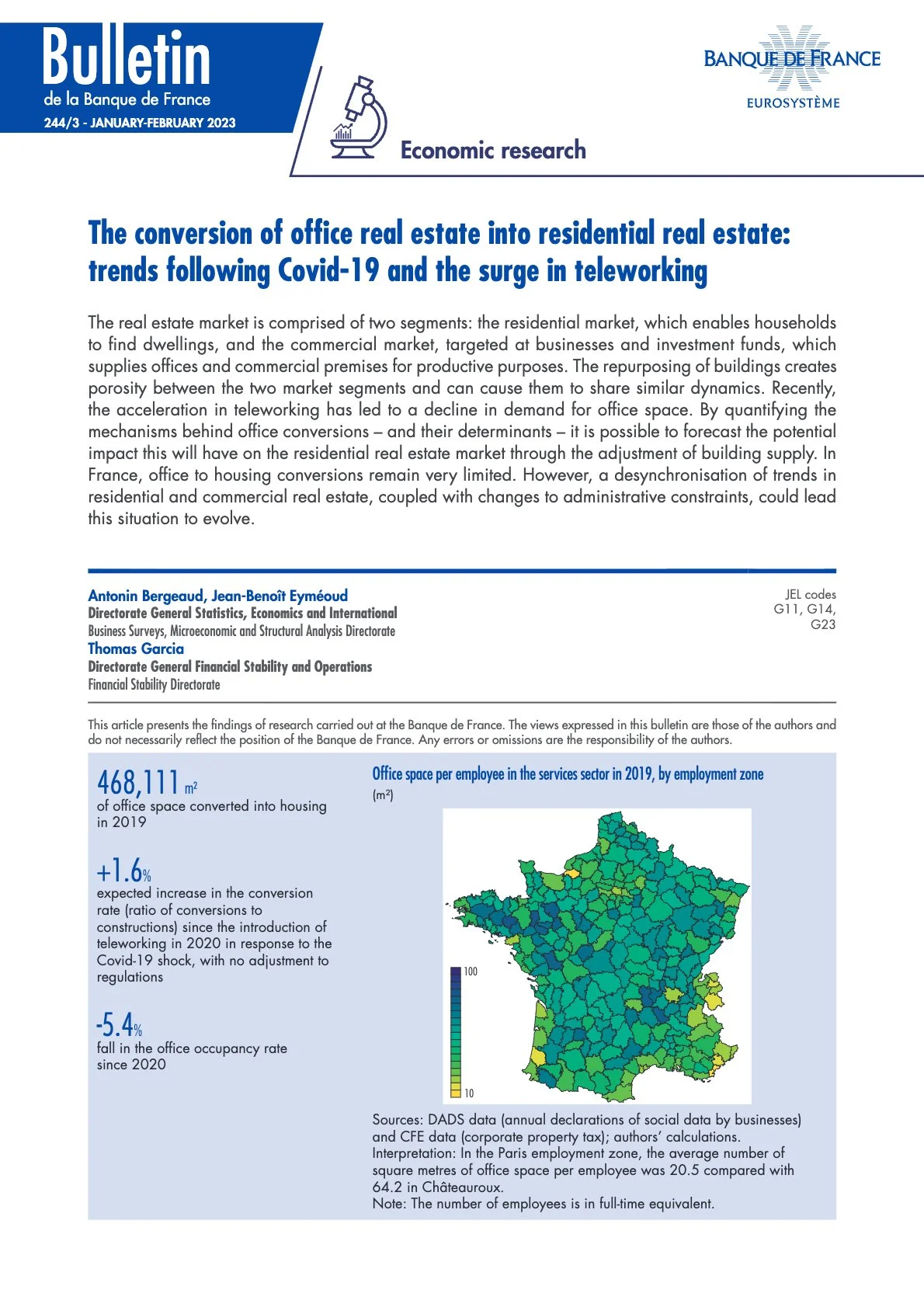
Empty space gets a mix of carrots and rules. Toulouse Métropole joined the national plan against vacant homes in 2021 and uses the Zéro Logement Vacant tool to contact owners. France also taxes homes left empty in its tight markets, a model the EEB's response to the European Affordable Housing Plan cites for other countries. Since November 2023 a new tourist let must be offset by a home of equal size returned to long lease, and the 2024 Le Meur law lets communes cut the annual cap further. For offices, a June 2025 law eases conversion into housing. A Banque de France study of conversions shows why expectations stay modest: before the pandemic they supplied about one new French home in a hundred.
Climate goals now run through the same buildings. France stopped the letting of the worst energy-rated homes in 2025, with further steps due in 2028 and 2034. The ZAN rule (zéro artificialisation nette, net-zero land take) obliges the Métropole to cut its consumption of farmland and nature by 50% over ten years, after the first plan fell precisely on that point. That pushes growth onto brownfield sites and existing stock, where public and cooperative landlords do most of the retrofitting.
Rent control divides the city's politics most sharply. In 2020 the Métropole declined to join the national rent-cap trial, saying it did not meet the decree's conditions. During the 2026 campaign, Piquemal promised to apply it; Moudenc's camp replied that capping rents shrinks supply and that only building brings rents down.
Rent control is essential to stop speculation, make the private rental stock accessible again and give residents back purchasing power.Rent control does not work. This policy, far from lowering rents, has the opposite effect by drastically reducing the supply of rental homes.- 1921[source]
Toulouse's HBM office is founded
The city's first public housing body starts the programme that will build the Croix de Pierre garden city.
- 1962[source]
Candilis team wins the Le Mirail competition
A satellite town planned on 800 hectares west of the river; building runs from 1964 to 1972 and stops unfinished.
- 21 Sep 2001[source]
The AZF factory explodes
The blast kills 31 people and damages some 27,000 homes across the city.
- 2006[source]
La Cartoucherie eco-district launched
The former munitions site becomes the city's flagship mixed-tenure district.
- 1 Jan 2015[source]
Toulouse Métropole created
The urban community becomes a metropolis, taking on housing and planning for its member communes.
- Apr 2019[source]
€1bn urban-renewal pledge
The state signs up to renewing Grand Mirail, Empalot and two other districts, with €275 million from ANRU.
- Feb 2022[source]
First metropolitan housing plan annulled
The appeal court confirms that the 2019 PLUi-H would not slow land consumption.
- 1 Nov 2023[source]
Tourist lets must be offset
New short-term lets must be matched by a home of the same size returned to long lease in the same zone.
- 18 Dec 2025[source]
New PLUi-H adopted
Nearly 60% of planned homes are to be price-controlled, including 35% social.
- 22 Mar 2026[source]
Moudenc re-elected
The incumbent mayor wins the run-off with 53.87% against the united left.
- 25 Nov 2026[source]
National rent-control trial expires
The experiment Toulouse declined to join reaches its legal end date unless extended.
- 2031[source]
Land-take halving deadline
National law requires land consumption over the decade to fall below half the previous ten years.
From the first public housing office to the land-take deadline.
Neither camp disputes that the answer must be built somewhere. The places where that is already happening sit on former arsenals, office parks and 1960s estates.
Arsenals, test centres and a new town half-built
La Cartoucherie is where Toulouse tested its ideas at district scale. Launched in 2006 on the former GIAT munitions works west of the Garonne, it plans some 3,900 homes, and its first residents arrived in December 2015. Oppidea, the metropolitan development company, reports 2,500 already delivered and at least 25% social across its two big districts. The site's past was costly: the city sued the arms maker over pollution clean-up, and the case was settled only in 2018 (Wikipedia summarises the dispute).
Abricoop is the building that made the cooperative form real here. Created in 2014 by the association La Jeune Pousse, it is Toulouse's first residents' cooperative: 17 households at 3 rue du Docteur Suzanne Noël, 15 of the homes classed as social. Seuil architecture designed the timber-framed block, Les Chalets built it and Abricoop bought it back off-plan. Each family holds shares worth 20% or so of its home's cost, and some pay in more to help others. The route was long, running from the group's early years in the late 2000s to occupation around 2018, and it still relied on a social landlord's balance sheet. Abricoop sits on the board of Habicoop, a sibling of Villeurbanne's Village Vertical.
It belongs to Les 4 Vents, the participatory block that Oppidea calls the largest in France. Les Chalets built most of its homes, delivered in 2018, and small groups shaped the rest.
La Hutte Finale carried the model to ZAC Guillaumet, the former aeronautics test centre in the north-east. Its association signed a co-development agreement with Les Chalets for 19 homes with a common room, shared guest rooms and laundries, delivered in 2023. The architects were D'une ville à l'autre and PROJET 310. The district around it splits housing 45% social rent and 55% ownership, and the scheme shows the partnership's limit: groups still need a landlord willing to share the risk.
L'Eclat, on rue Blanchard in Saint-Michel, opened in January 2022 as the first BRS residence in Occitanie. Its 19 land-trust homes sit beside rent-to-buy and social flats. Les Chalets' land trust, Occitalys Foncier, now shares the market with STON. The trade-off is the same for both: a BRS home is cheaper because its owner gives up most of any resale gain. Similar trusts in Lyon and Lille, the Foncière Solidaire du Grand Lyon and the Lille metropolitan OFS, face the same trade-off.
Tersud is Toulouse's answer to empty offices. The Montaudran block was left empty and looted around 2018. Vinci Immobilier began converting it in January 2026 into 232 homes: studios for young workers let by In'li Sud-Ouest, and social and subsidised-ownership flats for Promologis. Both are subsidiaries of Action Logement, the employer-funded housing group. Delivery is due in 2028. A BPIE report on office conversions argues such projects can cut carbon sharply against new build, though French costs often run higher.
Toulouse Métropole Habitat is the public landlord carrying the heaviest load. Founded in 1921, it lets 19,128 homes, which it describes as almost a third of the conurbation's rental stock. Much of that stock stands in Le Mirail, the new town Georges Candilis and his partners designed in 1962 for 100,000 people and never finished.
Grand Mirail's renewal is the most contested project in the city. The programme is budgeted at €1.05bn. Les Chalets began pulling down the empty Messager block, 260 homes, in January 2026. Residents' and architects' collectives are demanding a moratorium on further demolitions and have already saved the Cambert building. Whether Toulouse renews its estates by rebuilding or by retrofitting what stands is the open question these projects leave behind.
References
Statistics10Click on any number to see the source
Housing market
Tenure & affordability
Adaptive reuse & vacancy
Population & migration
From our library23
- Fiche médias Toulouse Métropole 2025 — Knowledge
- Observatoire local des loyers 2025 – communiqué de presse — Knowledge
- Inquiétante aggravation des expulsions locatives à Toulouse — Knowledge
- L'habitat indigne en Occitanie : focus sur Toulouse — Knowledge
- The State of Housing in Europe 2025: Trends in a Nutshell — Knowledge
- Urban Community Land Trust in Europe — Knowledge
- Bail réel solidaire : une solution pour l'accession abordable — Knowledge
- Habicoop — Organisation
- Hab-Fab — Organisation
- Habitat Participatif France — Organisation
- Why and how cities can promote affordable and sustainable Collaborative Housing — Knowledge
- Logement : le plan Moudenc pour empêcher l'explosion des prix à Toulouse — Knowledge
- Caisse des Dépôts et Consignations — Organisation
- Banque des Territoires — Organisation
- Logement social dans la grande agglomération toulousaine : un système à bout de souffle — Knowledge
- Housing Cooperatives in Europe - Resilience and Adaption to Changing Need — Knowledge
- European Affordable Housing Plan – Response to Call for Evidence — Knowledge
- The conversion of office real estate into residential real estate: trends following Covid-19 and the surge in teleworking — Knowledge
- Encadrement des loyers à Toulouse : Piquemal promet, Moudenc refuse catégoriquement — Knowledge
- Village Vertical — Project
- Foncière Solidaire du Grand Lyon — Organisation
- Organisme de Foncier Solidaire de la Métropole Lilloise (OFSML) — Organisation
- Conversion of offices into affordable housing — Knowledge
Further sources55
- maison toulousaine
- Habitat Social en Occitanie, fiche médias Toulouse Métropole 2025
- Observatoire local des loyers, AUAT, January 2026
- INSEE, recensement 2023, LOG T2
- France 3 Occitanie, November 2021
- Toulouse Immo 9, October 2024
- AUAT from INSEE census data
- INSEE Flash Occitanie no. 148
- L'ObserveR de l'immobilier toulousain
- Mediacités, 24 March 2025
- Ifop, September 2024
- Housing Europe, State of Housing in Europe 2025
- Sylvie Chamvoux-Maitre, director of the Occitanie agency of the Fondation pour le logement des défavorisés (France's main housing charity)
- Toulouse Métropole Habitat, notre histoire
- Castors
- Groupe des Chalets
- Les entreprises coopératives, Coop'HLM 2024
- STON
- AUAT, November 2025
- Ville de Toulouse, résultats du second tour
- returned as president of Toulouse Métropole
- Le Journal Toulousain, 27 February 2026
- Ministère du Logement, inventaire SRU 2025
- statut du bailleur privé
- 18 December 2025
- La Lettre M, December 2025
- Zéro Logement Vacant
- 2024 Le Meur law
- a June 2025 law
- declined to join
- François Piquemal, LFI member of parliament for Haute-Garonne and united-left candidate for mayor (speaking in December 2025)
- Collectif pour Candilis
- FENVAC
- Oppidea
- Légifrance
- Batiweb
- Cour administrative d'appel de Bordeaux
- Le Journal Toulousain
- ANIL
- Loi Climat et Résilience, article 191
- Oppidea, February 2024
- Wikipedia summarises the dispute
- Toulouse's first residents' cooperative
- Seuil architecture
- Touléco Green, 2016
- Les Chalets built most of its homes
- co-development agreement with Les Chalets
- Ministère du Logement, label ÉcoQuartier
- the first BRS residence in Occitanie
- left empty and looted
- Vinci Immobilier
- Promologis
- Toulouse Métropole Habitat
- La Lettre M
- demanding a moratorium