From pithead to rent roll
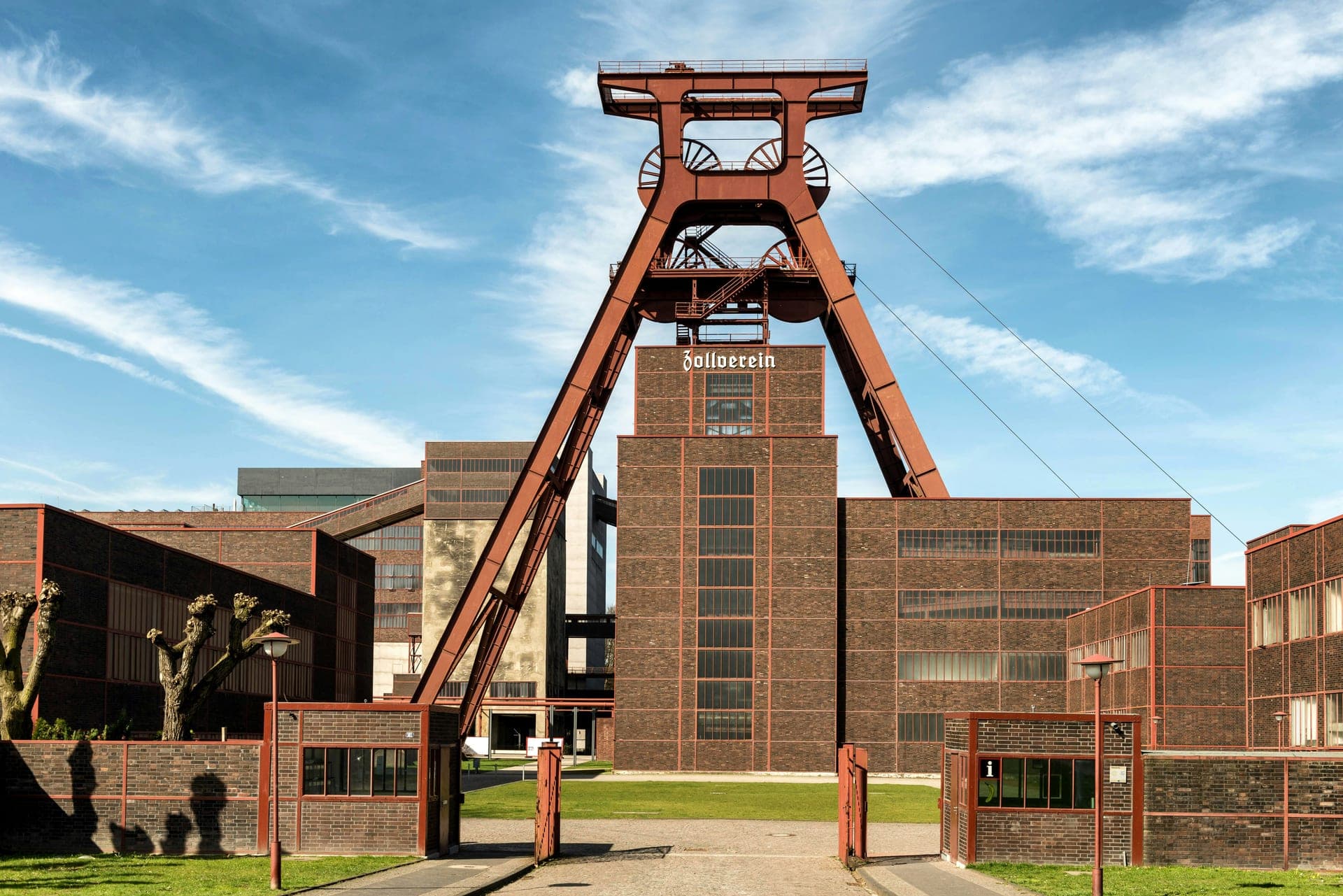
Essen was built on coal and steel. The Zollverein colliery, worked from 1851 to 1986, was once the largest and most modern hard-coal mine in the world and is now a UNESCO World Heritage Site. The Krupp works housed thousands of families in company estates, and that habit of foundation, company and municipal landlords still shapes who owns Essen's flats. When the pits closed the city shrank and aged. Now it is growing again, and a stock built for miners must serve students, pensioners and newcomers at once.
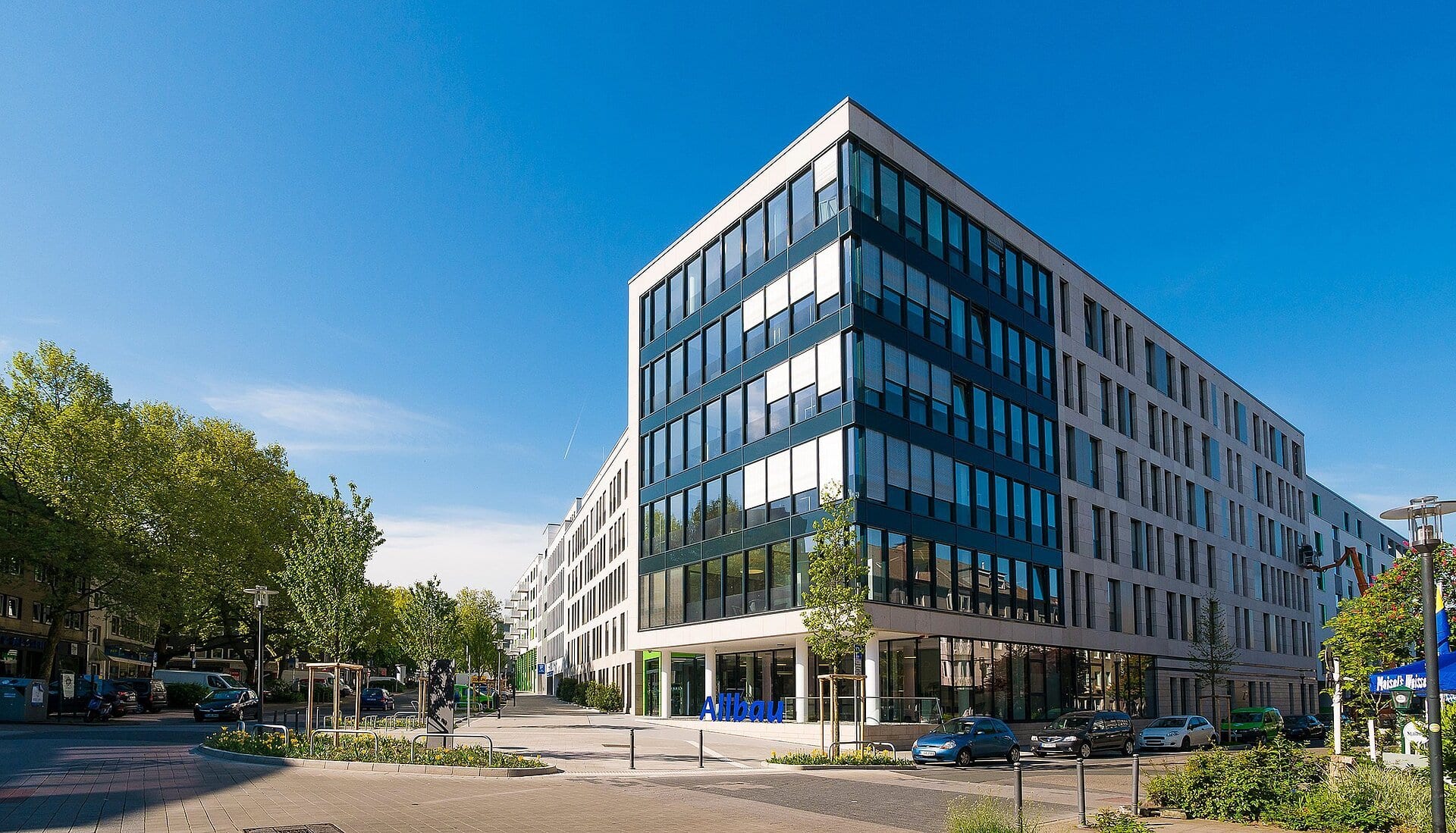
This is a renters' city. Just 26% of homes are owner-occupied, while 74% are rented. Cooperatives hold 2.6% of the stock, or 8,200 homes. Public and non-profit landlords hold 5.6%, some 17,700 homes, which is almost exactly the portfolio of the municipal company Allbau. Private landlords own the rest of the rented stock, 65.8%, by far the largest slice.
- Owners
- Owner-occupier26.0%
- Renters
- Public & non-profit rental5.6%
- Cooperative2.6%
- Private rental65.8%
Social housing is a rulebook, not a landlord. About 6% of homes carry a Sozialbindung (a time-limited covenant on rent and allocation attached to a public subsidy). It can sit on municipal, cooperative or privately built flats, and it expires once the subsidy loan is repaid. Eligibility runs far wider than supply. Some 50% of households would qualify for a Wohnberechtigungsschein, the certificate that unlocks a subsidised flat.
By German big-city standards rents are still moderate, but the ladder is steep. Public and non-profit flats let at €5.13/m² and cooperative homes at €6.45/m². The all-stock median is €7.50/m², while newly advertised contracts reach €9.09/m². Furnished and serviced flats, with utilities and furniture priced in, cost €19.09/m². The city's Mietspiegel (the official reference-rent index) for 2026 lifted its base values by 4.42% over two years. Researchers at TU Dortmund ask whether post-war estates are a last bastion of affordable housing in Germany's big cities, a question that fits Essen's northern districts closely.
- Public/municipal housing
- Cooperative
- All-stock median
- New contracts
- Furnished / serviced (gross)
Net-cold monthly rent per square metre by tier (furnished is gross, all-in). Unusually, the public tier sits below the cooperative one, and a newly let private flat costs about 77% more than a public one.
Empty homes are scarcer than the Ruhr's reputation suggests. The 2022 census found 4% of dwellings empty, and the city's market reports tie falling vacancy to renewed growth. The larger reserve is commercial. About 7.2% of office space stands unlet, some 0 m², alongside 0 m² of empty retail and commercial floor space. Across all uses, roughly 5,400 buildings stand empty.
Demand is back. The city counted almost 596,000 residents at the end of 2023, 19,000 more than in 2014, and about 32,000 people move in each year. More than three quarters of households have one or two members, and 1 in 5 residents is 65 or older. Supply lags behind. Apartment-building completions average around 700 a year, and fewer permits have been issued lately. An empirica working paper by Harald Simons on the causes of Germany's housing-market misery explains why that bites: only the flats that actually come onto the market matter to a household that is moving. Essen also sits outside the Mieterschutzverordnung (the state regulation that switches on the federal rent brake), which covers 57 municipalities in North Rhine-Westphalia but not Essen.
The pressure falls unevenly. In the city's 2025 housing-market barometer, about 180 local housing actors described the market as clearly tight, above all for subsidised and barrier-free flats. Large families, wheelchair users, people with disabilities and low-income households struggle most. It is reaching the middle too. An estimated 22.9% of households are overburdened by housing costs, and the city's new demand analysis to 2035 finds unmet demand in the middle price segment as well as the lower one. According to the Kiel Institute for the World Economy, advertised rents rose 1.4% in the second quarter of 2026, against 0.8% across 37 cities. The worry is widely shared: the Eurocities Pulse Mayors Survey 2025 found affordable housing had climbed to second place among European mayors' priorities. Essen's own nonprofit newsroom Correctiv has used crowdsourced tenant data to investigate who profits from Germany's rental market.

Cooperatives own only a sliver of this market. In Essen, though, they are older than the Weimar Republic.
Shares, votes and a century of rental cooperatives
Essen's cooperatives are rental cooperatives. A household buys a Genossenschaftsanteil (the share that makes it a member and gives it a right to a flat), then pays a cost-based user charge instead of a market rent. The share is repaid on leaving, so nobody profits from rising values. Each member has one vote and a lifelong right of residence. Since 2022, KfW (the German state development bank) has lent members money to buy such shares, writing off 15% of the loan.
The movement grew beside the mines and mills. While Krupp and the collieries built company housing, workers and clerks formed their own building societies. Wohnbau eG has let flats in Essen since 1903. GEWOBAU, now the city's largest cooperative, celebrated its centenary in 2006. Wohnungsgenossenschaft Essen-Nord was formed in 1942 by merging five older cooperatives, the oldest founded in 1914. A parallel foundation tradition began in 1906, when the Margarethe Krupp-Stiftung was set up for housing welfare.
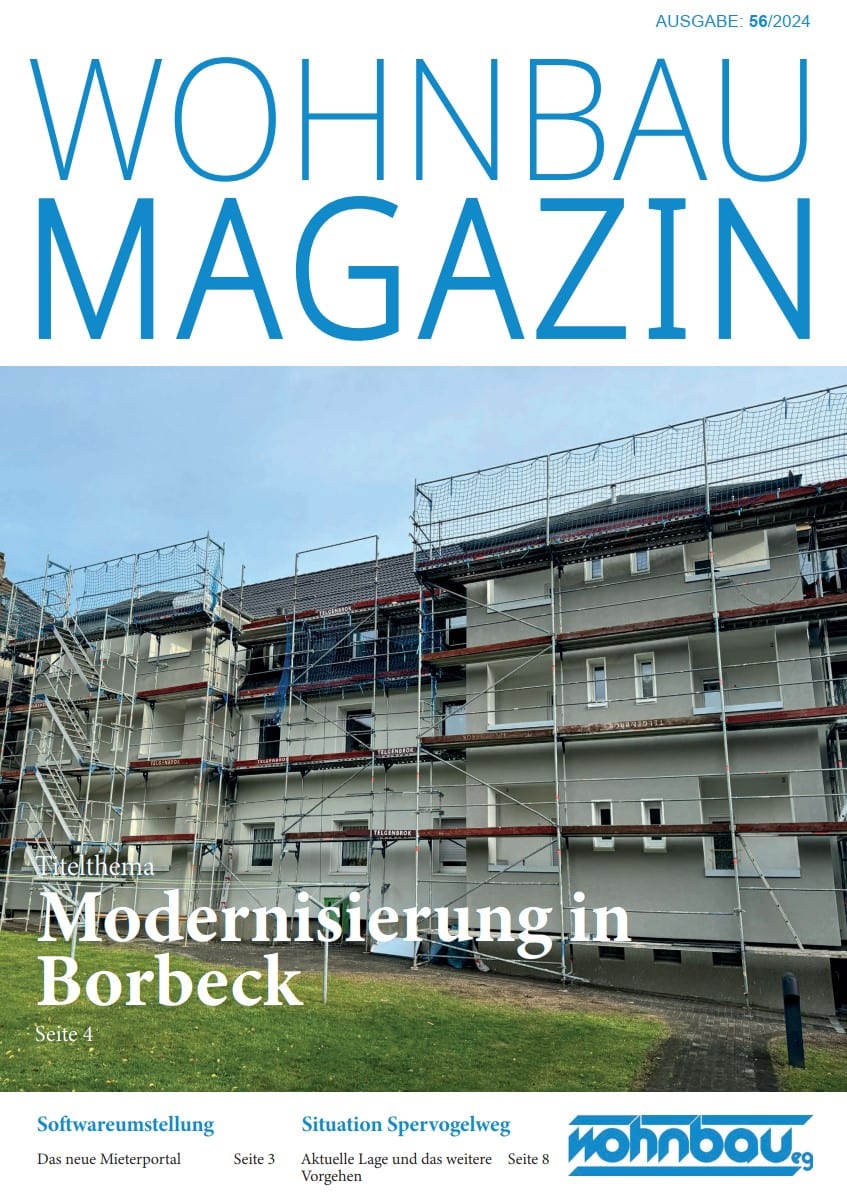
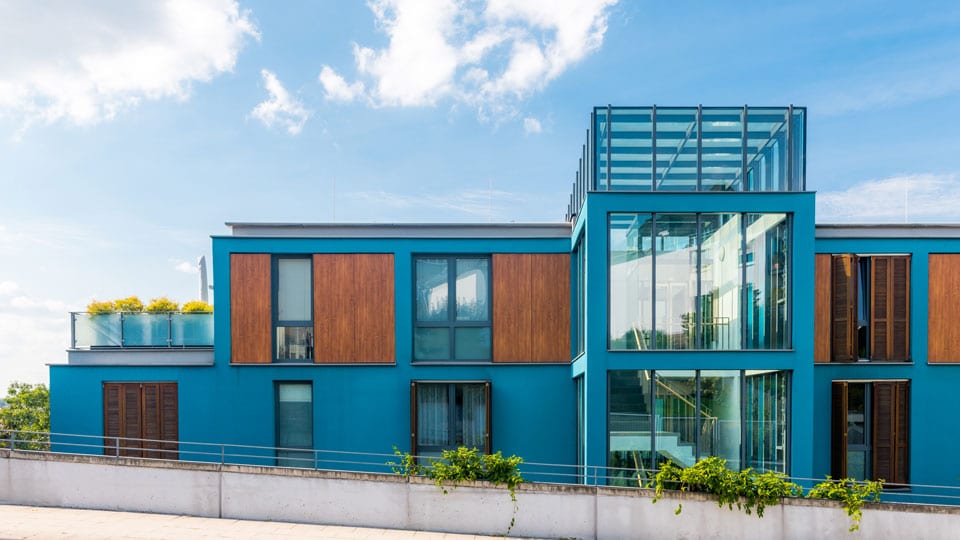
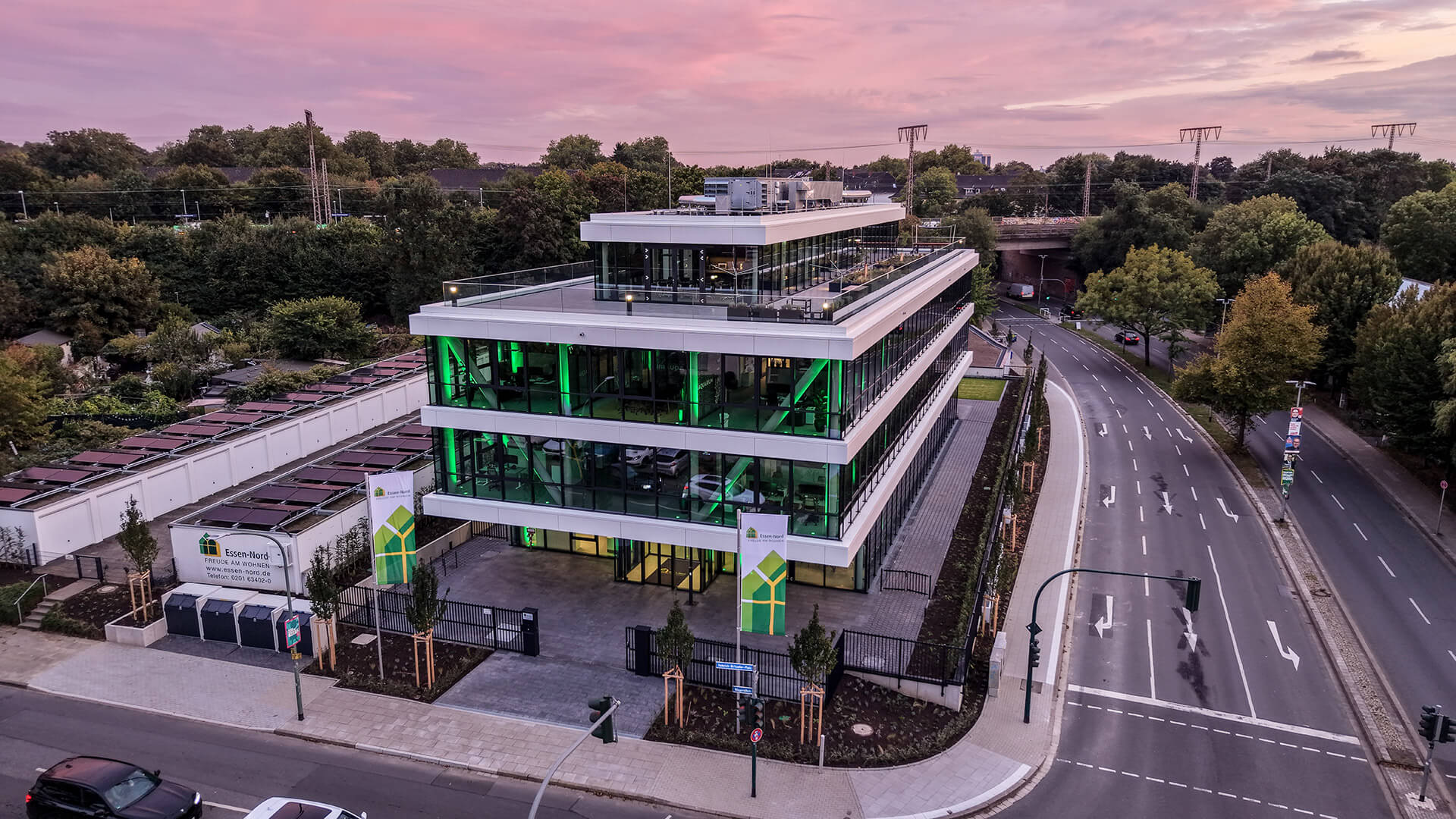
Today the sector falls into three clusters. The century-old cooperatives are the heavyweights. Wohnbau eG alone has 4,560 flats and 6,400 members, and Essen-Nord manages 3,600 flats across Essen, Düsseldorf, Ratingen, Dortmund and Dülmen. Their challenge is the stock: post-war blocks that need deep energy retrofits and lifts for ageing members, paid from rents they promise to keep low. Theresia Theurl of the University of Münster lists the same national pressures in her analysis of housing cooperatives in challenging times: construction costs, slow permits, scarce cheap land and demanding climate standards. The second cluster is small and new. Raumteiler eG is planning a multi-generational house where every adult resident is a member with a vote, mixing freely financed and subsidised flats. Its hurdle is land and start-up equity, not maintenance. A BBSR (the federal institute for building, urban and spatial research) survey of communal living in cooperatives found such project cooperatives multiplying across Germany. The third form is the foundation landlord, which holds land for residents but has no members at all.
City policy treats cooperatives as partners, not as a programme of their own. Essen lets plots on Erbbaurecht (a ground lease: the city keeps the land and charges an annual fee), and cooperatives can draw state subsidy like any landlord. A BBSR study of cooperatives as partners of municipalities, built on ten case studies, shows how much further that partnership can go when land, subsidy and planning are bundled.
A state that subsidises, a city without a rent brake
Essen answers the crisis with building, not rent control. Thomas Kufen of the CDU, mayor since 2015, won a run-off on 28 September 2025 with 57.07% of the vote. His administration works from the council's 2016 housebuilding strategy, the Essener Konzept zur Förderung des Wohnungsbaus, which leans on land supply. A 2022 action plan adds barrier-free homes for older residents. The new demand analysis to 2035 now names the targets: cheaper flats for low and moderate incomes, small homes for single people, and family flats at moderate rents.
The money comes from Düsseldorf and Berlin. North Rhine-Westphalia's MHKBD (the state ministry for home affairs, local government, building and digitalisation) runs the öffentliche Wohnraumförderung, the state's subsidised-housing programme. In December 2025 it raised the 2023-2027 budget to €12 billion, helped by larger federal transfers. In 2025 it approved €2.4 billion for 13,356 homes, including 8,037 new rental flats. The state also draws the rent-brake map, and it left Essen off. The city holds the remaining levers: land, planning permission and its own company. Allbau invests over €40 million a year in its stock. It also builds small subsidised schemes, such as 20 subsidised flats on Hanielstraße in the north.
- 1906[source]
Margarethe Krupp-Stiftung founded
Margarethe Krupp donates about 50 hectares and 1 million marks for a housing-welfare foundation; building of Margarethenhöhe starts in 1909.
- 1919[source]
Allbau founded
The Allgemeiner Bauverein, later Allbau, is founded; it grows into the city's largest landlord.
- 2016[source]
Housebuilding strategy
With Essen growing again, the council adopts the Essener Konzept zur Förderung des Wohnungsbaus.
- 2017[source]
European Green Capital
Essen becomes the first former mining city to win the European Green Capital title.
- Oct 2022[source]
Homes for older residents
The council adopts an action plan on housing for older people, centred on barrier-free flats.
- Mar 2025[source]
Rent brake map redrawn
North Rhine-Westphalia's new Mieterschutzverordnung covers 57 municipalities. Essen is not among them.
- Sep 2025[source]
Kufen re-elected
Mayor Thomas Kufen wins the run-off with 57.07% of the vote.
- Dec 2025[source]
€12bn state programme
The state raises its 2023-2027 subsidised-housing budget to €12 billion.
- Mar 2026[source]
Municipal heat plan
The council adopts its heat plan, aiming for climate-neutral heat by 2045 at the latest.
- Sep 2026[source]
Demand analysis to 2035
A new city analysis finds unmet demand in the lower and middle price segments.
- 2027[source]
First homes at ESSEN 51.
The first residential buildings of the roughly 1,700-home district on former Krupp land are due.
- 2045[source]
Climate-neutral heat
The deadline in the municipal heat plan for a heat supply free of fossil fuels.
From foundation and municipal landlords through the city's return to growth, to the state subsidy boom and the climate deadlines ahead.
Housing is a basic public service. To give the boom in subsidised housing a further push, we are adding even more to the budget for public housing support.Tenant groups say subsidy cannot outrun expiring covenants. The Deutscher Mieterbund NRW (the state tenants' association) warns that around 110,000 subsidised rental flats in the state will lose their covenant by 2030. Its chair, Hans-Jochem Witzke, wants a Landeswohnungsgesellschaft (a state-owned housing company) that builds and keeps homes affordable for good, as Lower Saxony and Bavaria have done. Support aimed squarely at cooperatives is modest by comparison: KfW share loans for members, ground leases on city land, and the same state subsidy any landlord can claim.
Care workers, bus drivers or nursery teachers, the very people who keep things running, hardly stand a chance of an affordable flat near their workplace.The empty floor space is starting to get a policy answer. Since 2025 the city has paid part of the cost when owners convert empty shops on the edge of the city centre. Two city-appointed quarter architects advise owners free of charge, and flats are among the eligible uses. The Zukunft.Essen.Innenstadt plan for the centre commissions a study on turning former offices, shops and commercial units into homes. Private owners are moving too. The 1970s Ruhrturm, once the headquarters of Ruhrgas, is being replanned with flats and micro-apartments. The ifo Institute's work on home working and the future of offices expects office demand to shrink, which would free more floors.
Climate policy runs through the same buildings. Heating accounts for over 50% of Essen's final energy use, and more than 75% of that heat still comes from fossil fuels. The heat plan targets climate-neutral heat by 2045, with district heating in the dense centre and north and mine water, industrial waste heat and geothermal energy among the sources. Allbau's and the cooperatives' contiguous blocks are exactly where district heating connections pay off. Each resident already has 0.0 m² of living space. A study from Europa-Universität Flensburg, TU Dortmund and the Wuppertal Institute, Housing for millions without new buildings?, argues that better use of under-occupied homes can house people without sealing new land.
From Krupp's garden suburb to members' houses
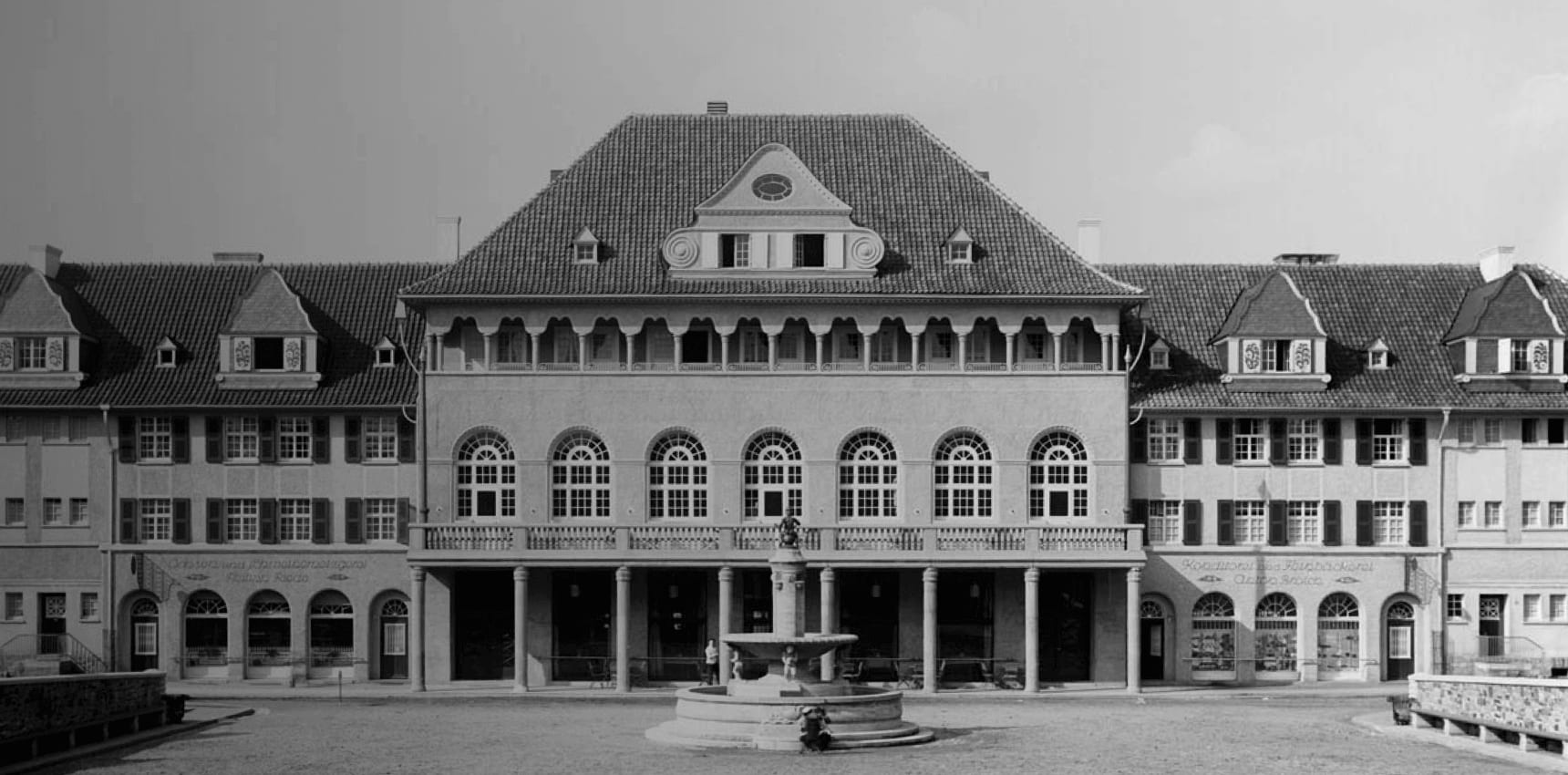
Margarethenhöhe is Essen's founding lesson in patient land. Margarethe Krupp gave about 50 hectares and 1 million marks in 1906, and Georg Metzendorf designed what the foundation calls probably Germany's first garden suburb from 1909. Its two-storey houses had central heating and bathrooms when most miners had neither. More than 40 per cent of its buildings were badly damaged in the Second World War. It was rebuilt, and much of it has been a listed monument since 1987. The foundation still lets the homes today, proof that land held outside the market can keep a neighbourhood stable for over a century.
Allbau is the municipal version of the same idea. Founded in 1919 as the Allgemeiner Bauverein, it houses more than 40,000 people and has sat in the city's property holding since 2020. Its PIER 78 building of 78 flats was the first new build in the Universitätsviertel grüne Mitte, a quarter on former railway land between the centre and the university. The green-and-blue corridors of that quarter helped Essen become European Green Capital 2017, the first mining city to hold the title.
ESSEN 51. is the next test at scale. On former Krupp industrial land in the Krupp-Gürtel, the Thelen-Gruppe plans about 1,700 homes around a new water and green belt, served by a new Citybahn tram line. "We are creating a green district and largely doing without car traffic," says its managing director, Wolfgang Thelen. The first homes are due in 2027. The city's announcement does not say how many will be subsidised or cooperative, and that is the open question.
GEWOBAU shows what a century-old cooperative does beyond the flat. Its Ganz nah dran new build in Schönebeck houses 24 people living with dementia in two shared households of 12. The cooperative also runs neighbourhood centres in Huttrop and Bergerhausen, and in 2006 it founded the WohnLeben foundation for youth and neighbourhood projects. Wohnbau eG and Essen-Nord carry the same member model across thousands of retrofitted post-war flats.
Raumteiler eG represents the newest layer: a self-organised cooperative planning one multi-generational house, with ecological construction and a vote for every adult resident. A national study from TUM and the German Youth Institute on collaborative activation and re-use of existing buildings shows groups like this turning old farmsteads, schools and industrial halls into shared homes. Essen has plenty of such buildings. The city once let a family foundation hold its land for the long term. Now its members could do the same.
References
Statistics18Click on any number to see the source
Housing market
Tenure & affordability
Cooperative, social & public
Adaptive reuse & vacancy
Population & migration
From our library16
- Allbau GmbH — Organisation
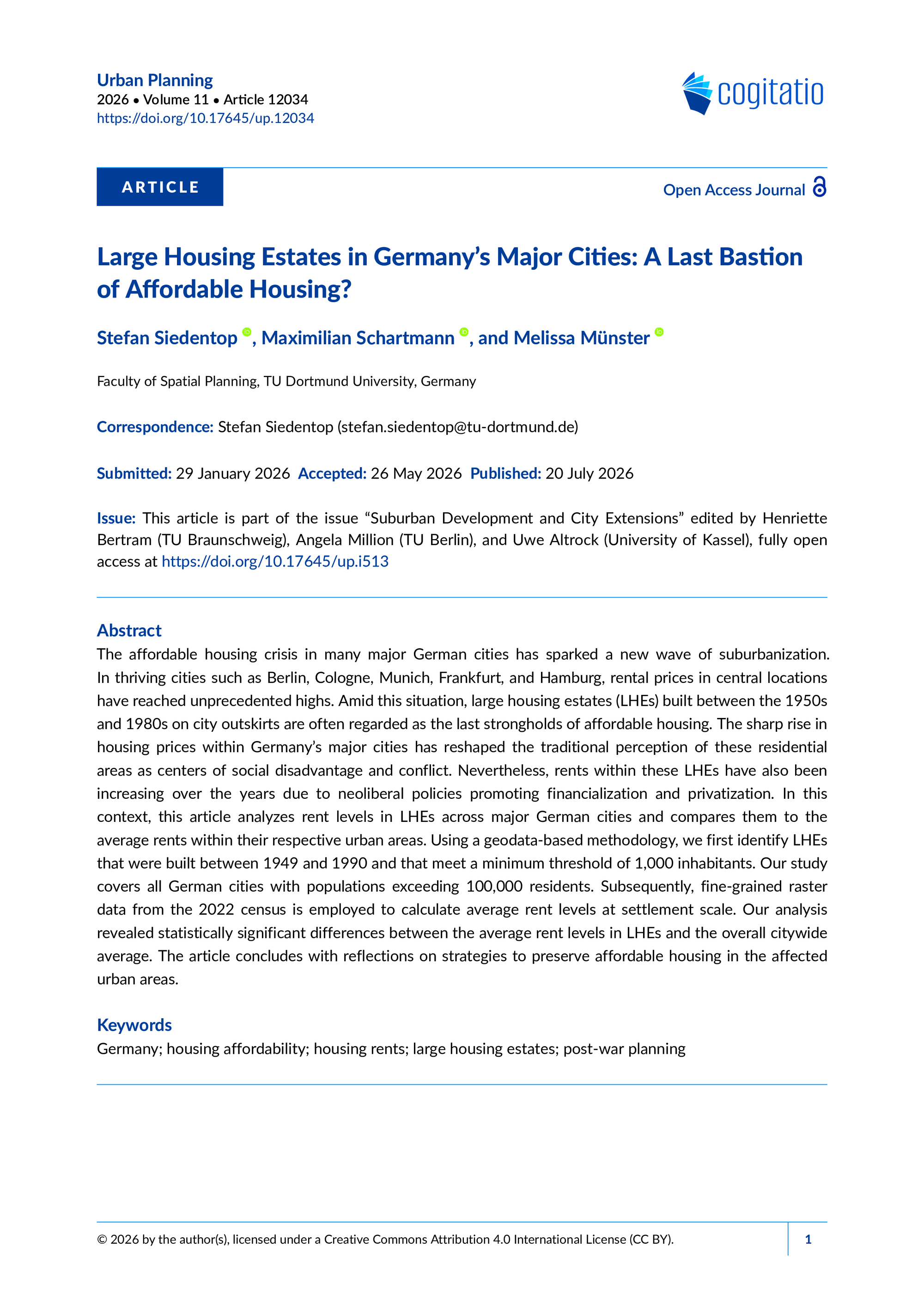
- Large Housing Estates in Germany's Major Cities: A Last Bastion of Affordable Housing? — Knowledge
- Zu den Ursachen der Misere am Wohnungsmarkt — Knowledge
- Eurocities Pulse Mayors Survey 2025 — Knowledge
- Correctiv — Organisation
- Wohnbau eG Essen — Organisation
- GEWOBAU Wohnungsgenossenschaft Essen eG — Organisation
- Wohnungsgenossenschaft Essen-Nord eG — Organisation
- Housing Cooperatives in Challenging Times — Knowledge
- Raumteiler eG — Organisation
- Neues Wohnen – Gemeinschaftliche Wohnformen bei Genossenschaften — Knowledge
- Bündnis für bezahlbares Wohnen und Bauen – Wohnungsgenossenschaften als Partner der Kommunen — Knowledge
- Homeoffice und die Zukunft der Büros: Flexibilisierung, Reduzierung und Umnutzungspotenzial — Knowledge
- Housing for millions without new buildings? An analysis of the theoretical housing potential of under-occupied dwellings in the European building stock — Knowledge
- Margarethenhöhe — Project
- Bestand gemeinschaftlich nutzen: Perspektiven für Familien? (BegeFa-1) — Knowledge
Further sources27
- UNESCO World Heritage: Zollverein — Deutsche UNESCO-Kommission
- Wohnungsmarktbericht Essen 2024 — Stadt Essen
- Essener Wohnungsmarktbarometer 2025 — Stadt Essen
- Wohnungsnachfrageanalyse Essen 2035 — Stadt Essen
- Mietspiegel 2026 für Essen — Stadt Essen
- Mieten in Essen steigen vergleichsweise stark an — Radio Essen
- Aus 18 werden 57: Mieterschutzverordnung — MHKBD NRW
- KfW-Förderprogramm Genossenschaftsanteile — BMWSB
- Erbbaurecht, Informationen — Stadt Essen
- Wohnbau eG Essen: die Genossenschaft — Wohnbau eG Essen
- Wohnungsgenossenschaft Essen-Nord: über uns — Essen-Nord eG
- Kommunalwahl 2025: Stichwahl-Ergebnis — Stadt Essen
- Wohnungsmarkt in Essen — Stadt Essen
- Wohnraumförderung auf 12 Milliarden Euro aufgestockt — MHKBD NRW
- 2,4 Milliarden Euro für 13.356 Wohnungen bewilligt — MHKBD NRW
- Mieterbund fordert eine Landeswohnungsgesellschaft — Mietervereine Hagen / Deutscher Mieterbund NRW
- Allbau: Unternehmen — Allbau
- Allbau: öffentlich geförderter Wohnraum — Allbau
- Förderangebot zur Umnutzung leerstehender Ladenlokale — Stadt Essen
- IEK Zukunft Essen Innenstadt — Stadt Essen
- Ruhrturm: Umbau und Pläne — Bauprojekte Ruhrgebiet
- Kommunale Wärmeplanung beschlossen — Stadt Essen
- Geschichte der Margarethenhöhe — Margarethe Krupp-Stiftung
- PIER 78 / grüne Mitte Essen — baukunst-nrw
- Essen, European Green Capital 2017 — European Commission
- ESSEN 51.: Ein neuer Stadtteil geht in die Bauphase — Stadt Essen
- GEWOBAU Projektbeispiele — GEWOBAU