
A tenants’ city after coal and cars
Bochum was built by coal and then by cars. Its last colliery, Zeche Hannover, closed in 1973, and Opel shut its Bochum plant in 2014. That left a city of 358,880 people that had to reinvent its economy on the spot. The miners’ terraces and the rented flats of that industrial century still shape how the city lives today. They also explain why Bochum is a city of tenants.
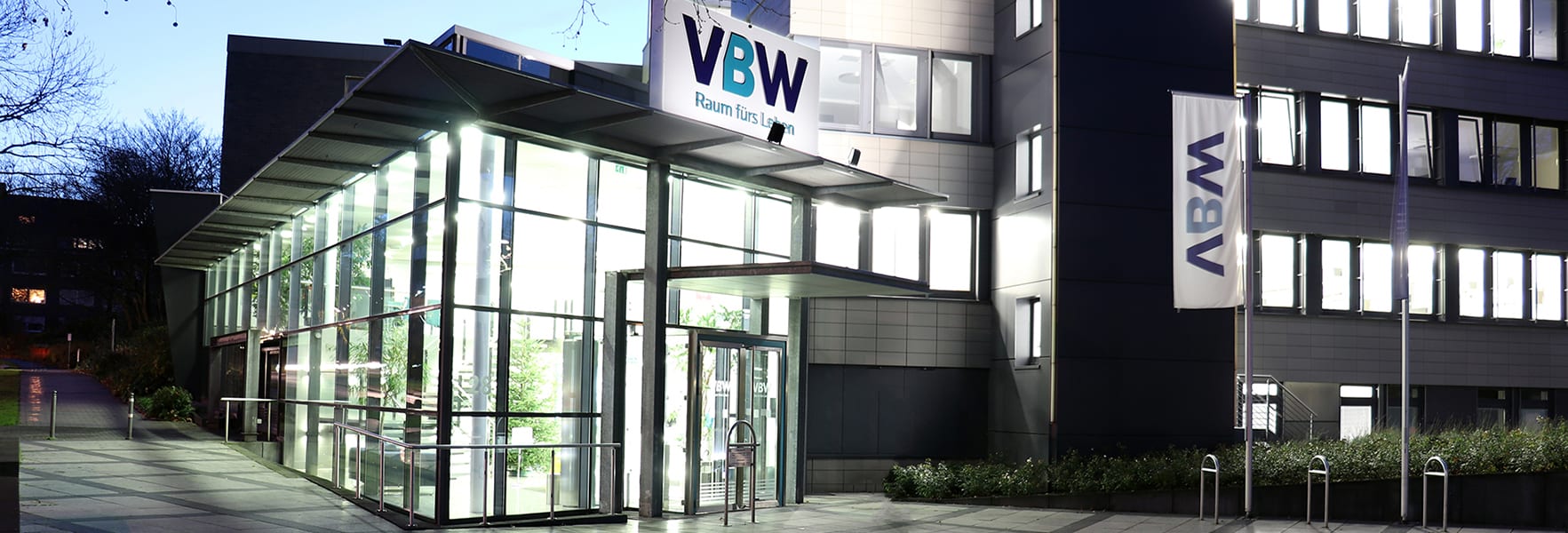
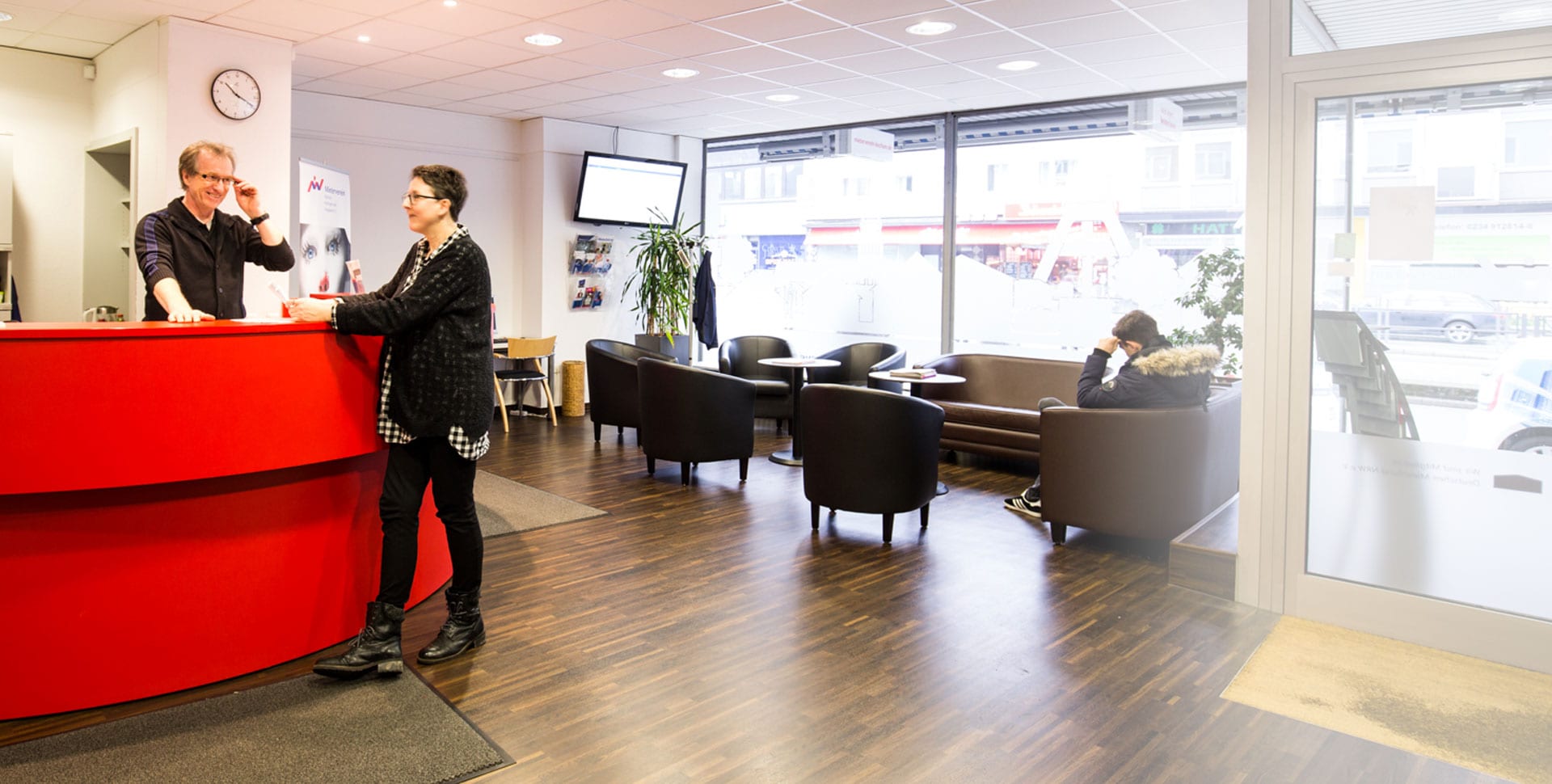
Only 28.5% of households own their home, while 69.6% rent. 6 housing cooperatives hold about 9,000 homes, or 4.7% of the stock. Public housing means one company: VBW Bauen und Wohnen, with 12,600 flats and 6.6% of the market. The city holds 68.89% through its utilities holding. A striking 19.87% belongs to Deutsche Annington, the predecessor of Vonovia. Everything else, about 58.3%, is private rental. Vonovia, Germany’s largest private landlord, keeps its head office here.
- Owners
- Owner-occupier28.5%
- Renters
- Public & non-profit rental6.6%
- Cooperative4.7%
- Private rental58.3%
- Unclassified1.9%
- Unknown / Other1.9%
Social housing is a rule, not a tenure. A subsidised flat carries a Mietpreisbindung (a covenant capping rent and reserving the flat for households with an entitlement certificate) for a fixed term. About 7% of Bochum’s homes carry one, spread across VBW, cooperatives and private owners. At VBW itself about 40% of flats are bound. The NRW.BANK housing-market profile counted 11,874 subsidised rental flats in 2022, down 13.9% in ten years. Roughly 450 covenants expire every year. On that path the stock falls to about 9,000 flats by 2033, while around 50% of households would qualify for one.
Rents climb steeply from tenure to tenure. Cooperative members pay about €5.90 per m² net cold, and VBW tenants about €6.80. The median across the whole stock is €7.40, but a newly signed lease costs €10.58. Furnished and serviced flats, with utilities and furniture priced in, reach €20.58 gross. The Mieterverein Bochum found advertised rents averaging €8.31 per m², 47% more than in 2014.
- Cooperative
- Public/municipal housing
- All-stock median
- New contracts
- Furnished / serviced (gross)
Monthly rent per m² by segment. Cooperative, public, all-stock and new-let rents are net cold; furnished / serviced is gross, including utilities and furniture.
Empty homes exist, but they do not add up to slack. The 2022 census counted 3.6% of dwellings empty, about 7,100 homes. Only 2% were actually on the market, below the 3% that marks a healthy one. The tenant union reckons 4,000 flats stand empty long term, many in neglected blocks. Offices tell a calmer story: 5% of floor space is vacant, around 0 m².
We expect politicians to expand the staffing for monitoring the housing-protection ordinance as quickly as possible. Without good staffing, the ordinance risks coming to nothing in practice.The population is roughly stable, yet about 20,000 people move to Bochum each year, many of them students. Building has not kept pace. The city completed only 401 homes in 2022 and 949 in 2023, against a need of about 800 a year. Permits have fallen since. Unlike Düsseldorf or Cologne, Bochum sits outside the state’s rent-brake ordinance.
Who carries the pressure? The Hans-Böckler-Stiftung working paper on missing homes in German cities found that Bochum’s median renter household spent 30.9% of income on rent in 2018, up from 29.6% in 2006. That made it one of 5 large cities whose typical tenant crossed the 30% affordability line. Poverty deepens the squeeze: 13.2% of residents live on minimum-income support, above the state’s 11.0%. An estimated 26.7% of households are overburdened by housing costs.
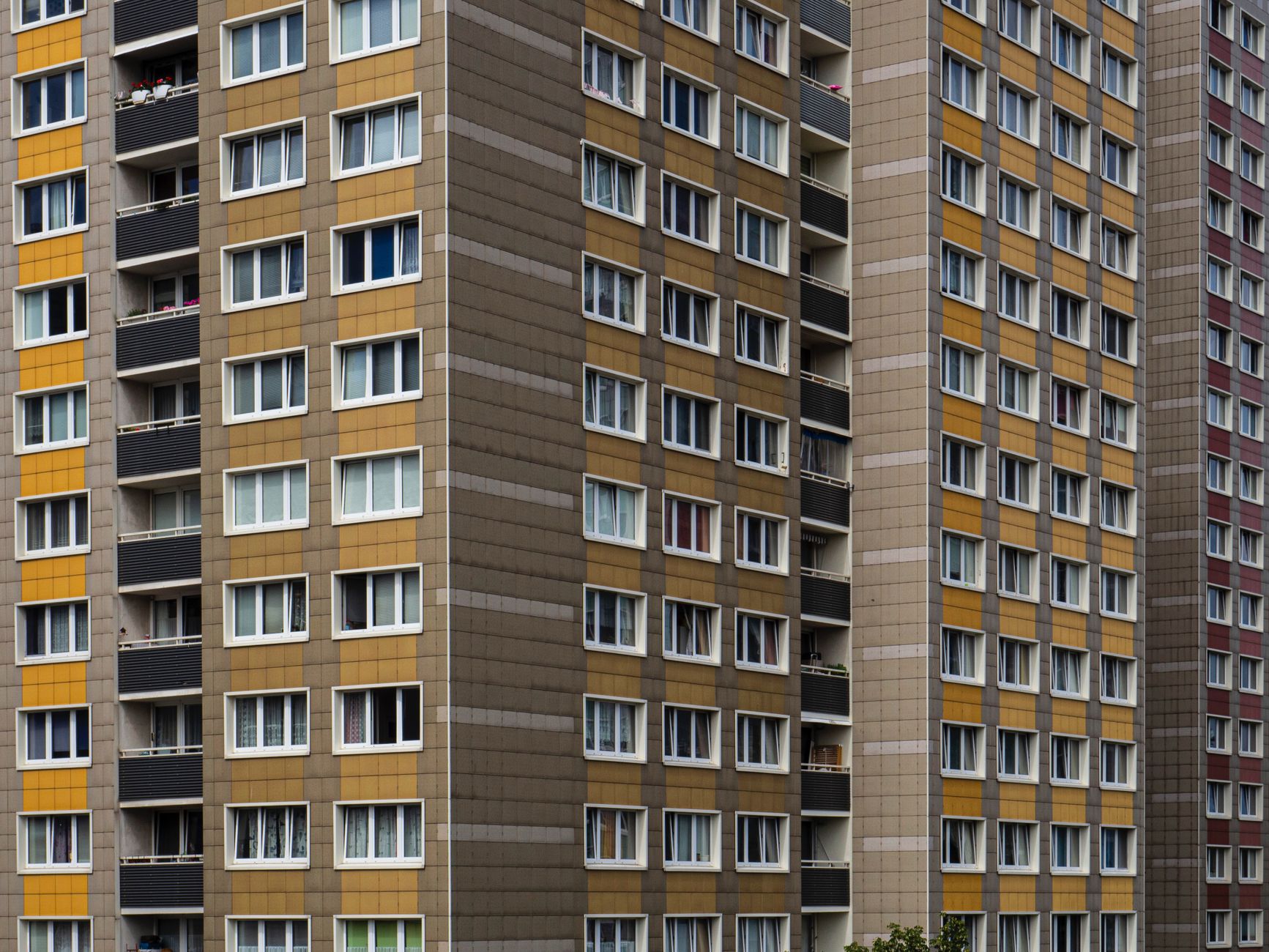
The squeeze no longer stops at the poorest. The Deutscher Mieterbund’s Mietenreport 2026 finds that 11.2% of Germans spend over 40% of their income on housing, and that heavy burdens now reach middle incomes. In its forsa survey, 29% of tenants fear they will not afford their rent in future. A taz essay on the power of the big housing groups frames who owns the homes as a question of democracy. In Vonovia’s home town that argument is hard to miss. Against that backdrop, the 4.7% of homes run by their own members is a small but telling exception.
Colliery self-help, a century on
Bochum’s cooperatives are almost all rental cooperatives. Members buy a Genossenschaftsanteil (the refundable share that makes a tenant a co-owner of the cooperative) and gain a lifelong right to stay. They vote on the board and share any surplus, but nobody can sell a flat for profit. Each eG (eingetragene Genossenschaft, a registered cooperative) owns its buildings collectively. That structure is why their rents sit well below the city median.
The model grew out of the coal century. Mining companies housed their workers in colliery estates, and families lost their home with their job. Cooperatives offered an exit from that dependence. Bochumer Wohnstätten dates from 1899, and Baugenossenschaft Bochum was founded by 81 people more than a century ago. The Gemeinnütziger Wohnungsverein zu Bochum (GWV) is of the same age, and the Baugenossenschaft Heimat in Stiepel followed in 1925. A study of 160 years of German housing cooperatives traces the same arc nationwide: self-help in industrial crisis, then steady landlords for generations.
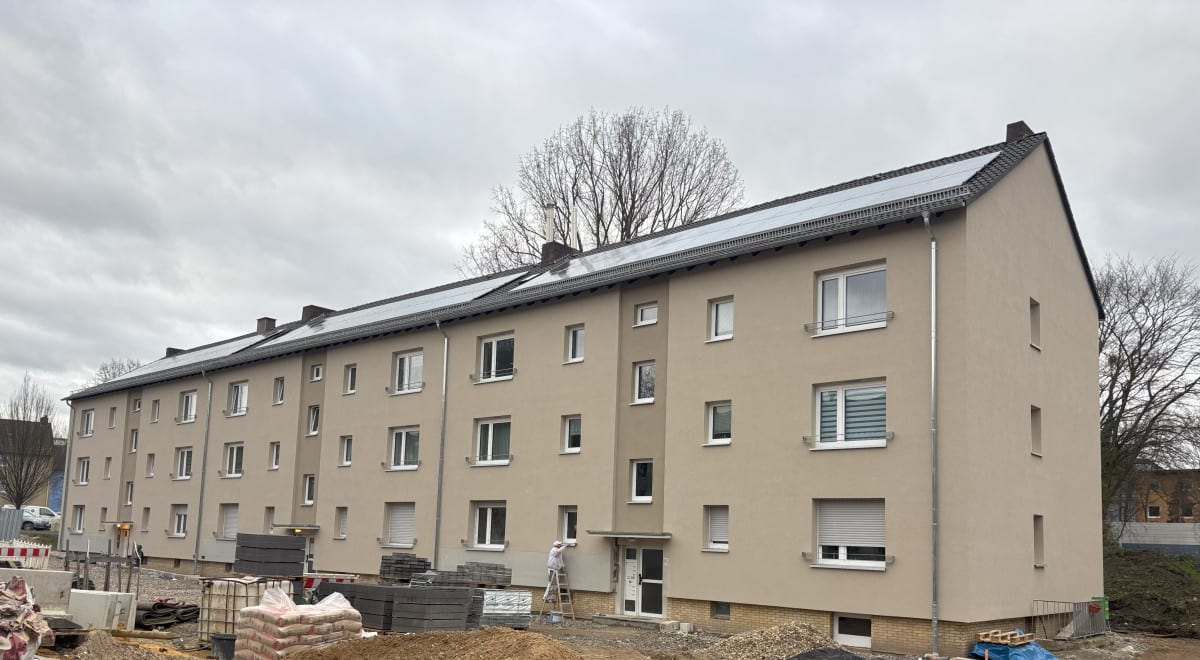

Today the sector falls into three clusters. The first is the century-old landlords. GWV manages nearly 3,000 homes, Bochumer Wohnstätten more than 2,600 and Baugenossenschaft Bochum about 1,700. Their challenge is the building stock. Over 70% of Bochum’s flats are more than 50 years old, and 80.6% of buildings surveyed sit in energy classes E to H. Ageing boards add a second strain.
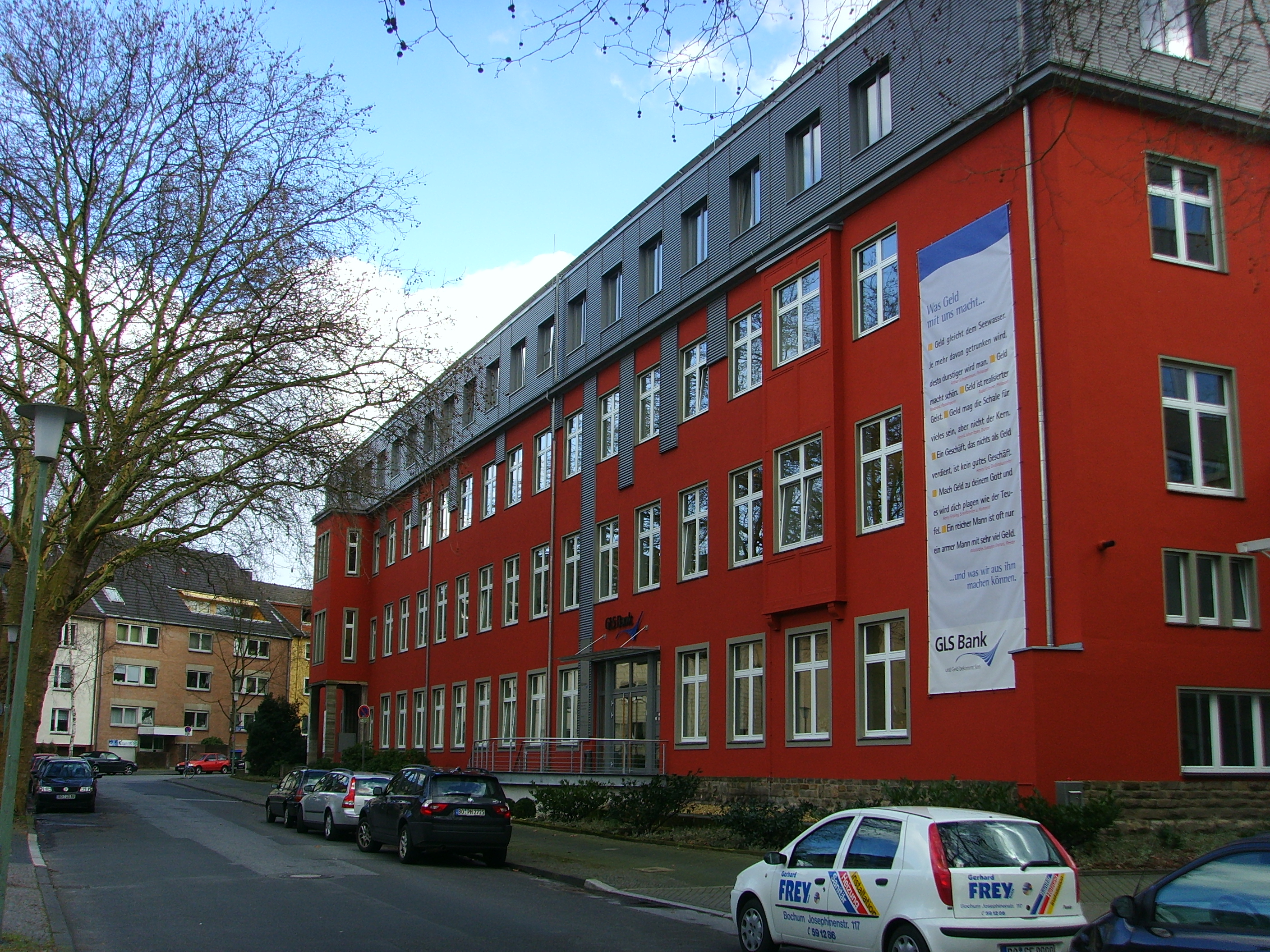
The second cluster is small and new. Krone Bochum eG has housed its members in 21 flats in Ehrenfeld since 2020, with a shared garden and cargo bike. A third, still forming, borrows the Mietshäuser Syndikat model, in which a residents’ association and the national syndicate jointly own a house so it can never be resold. The Vielsam group of 8 people is looking for a building on those terms. These newcomers face the opposite problems: no stock to borrow against, and little affordable land. Around both sits a support layer. The eG21 institute at the EBZ Business School studies cooperative futures, and GLS Bank, founded in Bochum in 1974, lends to community-led housing.
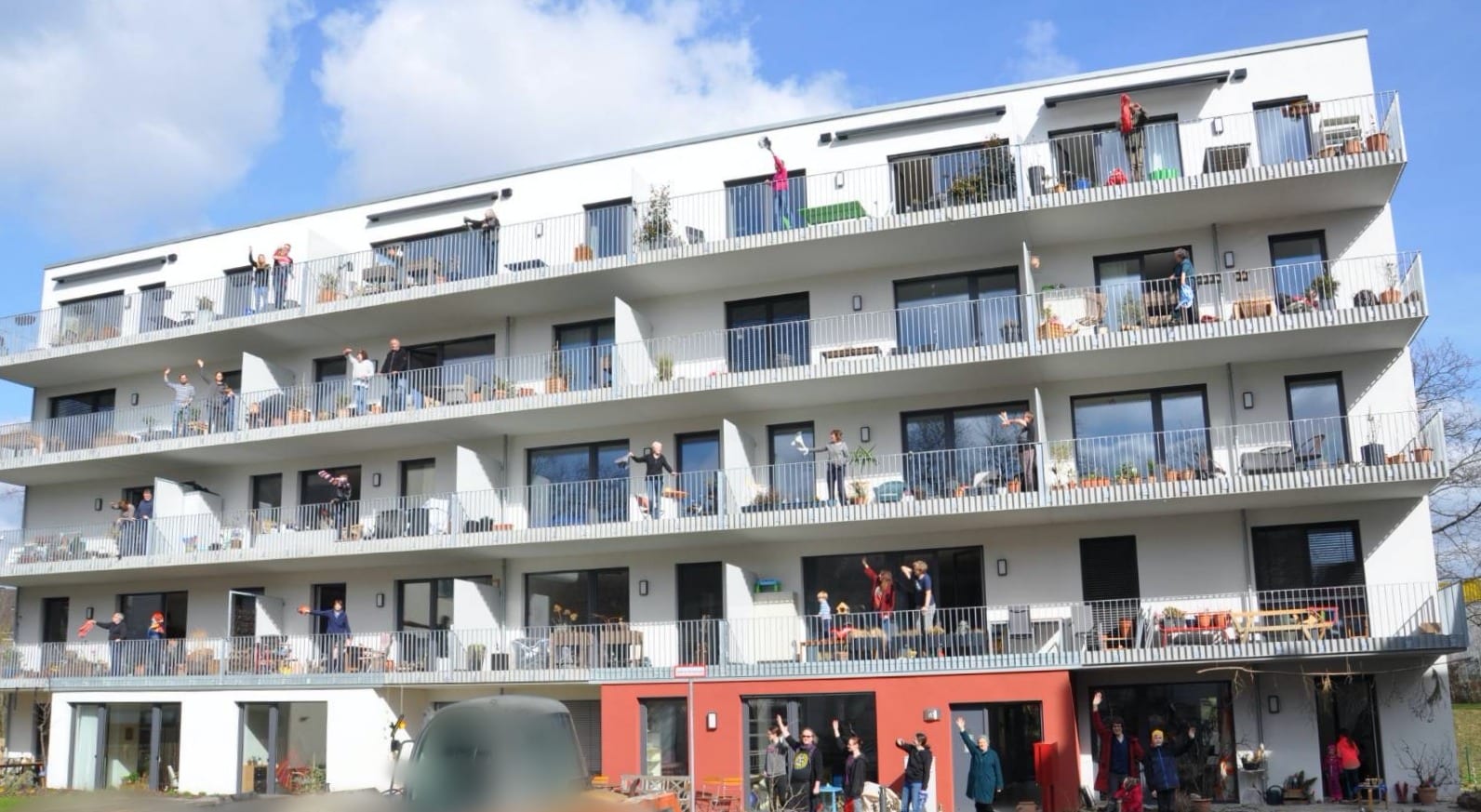

City hall now names cooperatives in its strategy. The updated Handlungskonzept Wohnen (the city’s housing action plan) promises support for Wohnprojekte (self-organised housing groups) and Baugruppen (joint self-build groups). Both GWV and Bochumer Wohnstätten even hold small stakes in VBW. A BBSR study of cooperatives as municipal partners makes the wider case: cooperatives deliver affordability that outlasts any subsidy term. How far Bochum acts on that is a political question.
A programme, a missing rent brake and a rulebook for empty homes
Bochum changed mayors in 2025. Jörg Lukat of the SPD, backed by the Greens, won the run-off with 64.67%, succeeding his party colleague Thomas Eiskirch. He inherits a programme rather than writing one. The updated Handlungskonzept Wohnen, adopted in October 2024, sets two targets: about 800 new homes a year and 300 subsidised units a year. It raises the share of subsidised flats required in new projects. It also works through the Bochumer Allianz für Wohnen, the city’s pact with its housing partners.
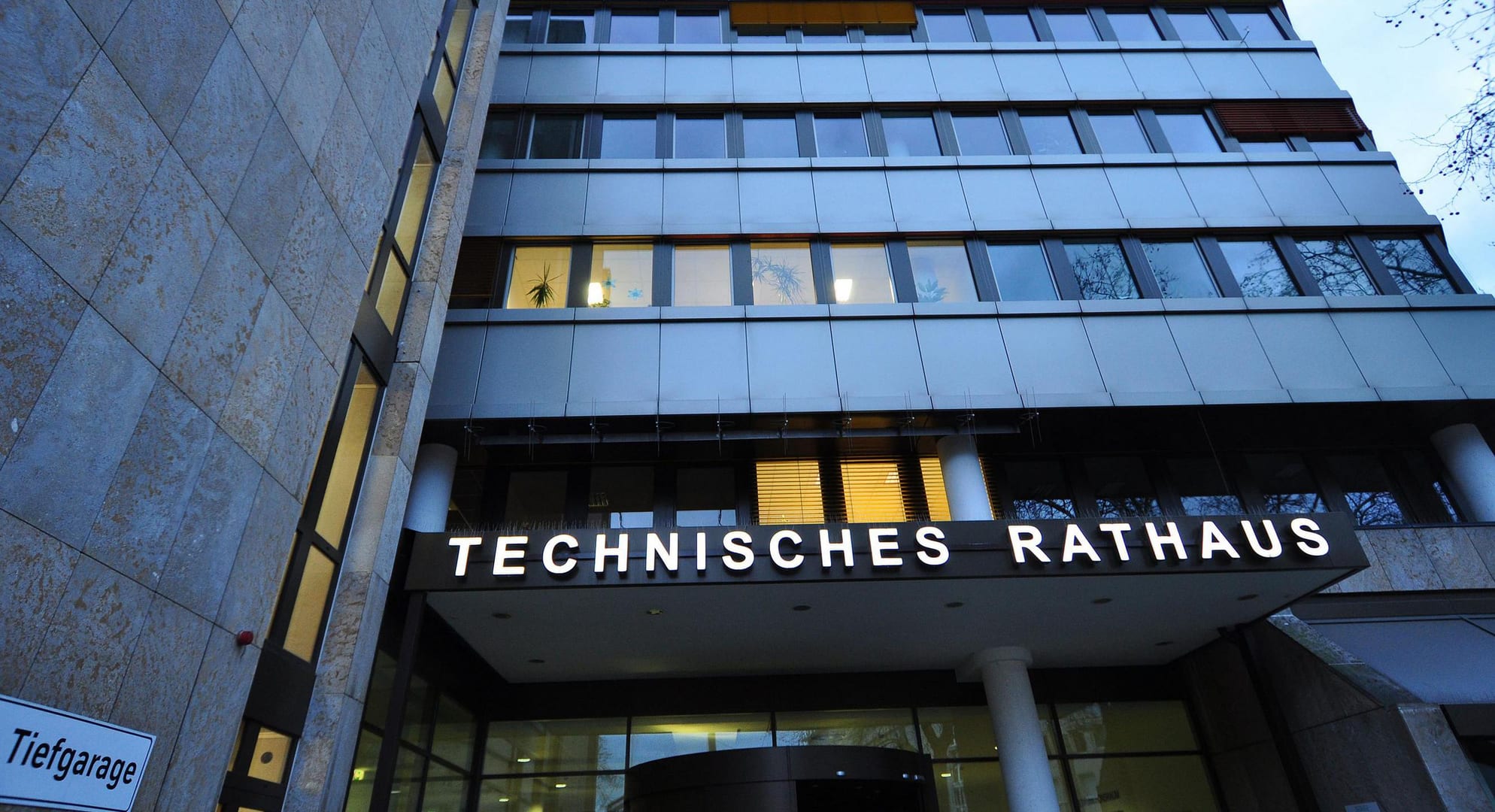
Responsibility is split three ways. The federal government sets tenancy law and extended the rent brake to the end of 2029. Its Bauturbo fast-track for building permits is meant to speed up approvals. North Rhine-Westphalia decides where the brake applies, through the MHKBD (the state ministry for home affairs, municipalities, building and digitalisation) under Ina Scharrenbach. Its 2025 ordinance widened coverage from 18 to 57 municipalities but left Bochum out. The state also pays for subsidised building: €2.4 billion for 13,356 homes in 2025, in the state’s latest funding round. The city controls land, planning quotas and its stake in VBW.
Because the expert report relies on outdated figures from 2020, several cities in the Ruhr were not included in the ordinance.Tenant groups want that exclusion reversed. The Mieterverein’s analysis of the extension argues the state used data that predated the 2022 census. The GuWoBo alliance goes further. It asks for 450 new social homes a year and a bigger municipal landlord. Builders reply that costs, not rules, are the brake: construction costs are still slowing new building across NRW.
For cooperatives the offer is still piecemeal. In 2025 the city put the former fire station at Alte Wittener Straße 47 out to an expression-of-interest procedure for communal housing. Multigenerational, cluster and cooperative groups of at least 3 households could apply without cost. A second plot went to the highest bidder. Neither was a Konzeptverfahren (a concept-led land tender scored on quality rather than price), the instrument Hamburg and Munich use to hand land to cooperatives.
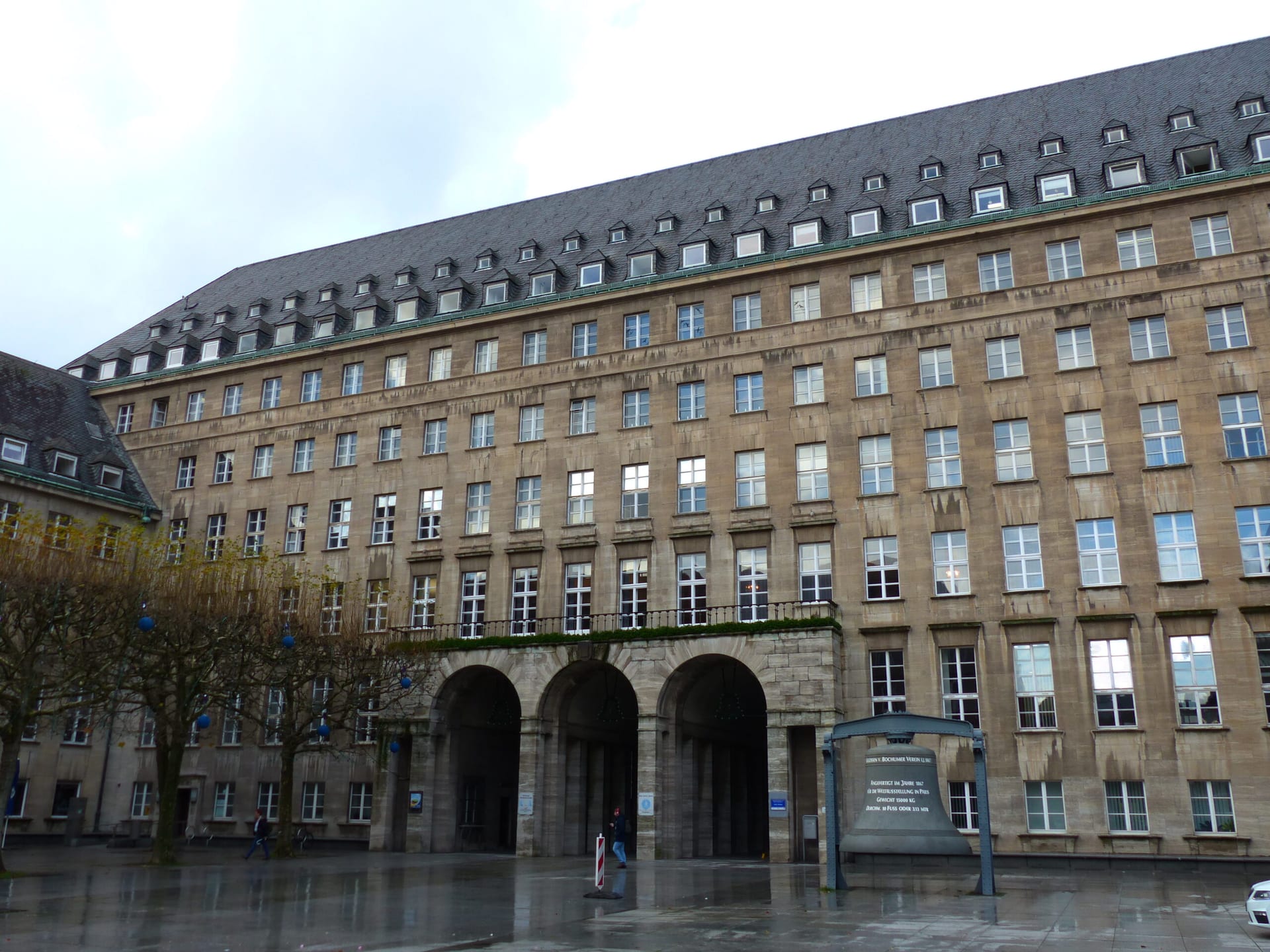
Using existing, small-scale potential in the built stock is the right path, given the construction crisis on the one hand and the municipal sustainability strategy on the other. But the truth is also that unlocking such potential often takes great effort.The city’s answer to empty homes is a rulebook and an infill map. The Wohnraumschutzsatzung (housing-protection ordinance), adopted in May 2025, makes long-term vacancy and demolition of rented flats subject to a permit. It exempts houses with one or two homes and conversion to holiday lets. A single post enforces it; Dortmund employs 6. An inner-development programme maps gap sites, loft conversions and rooftop extensions. Office conversion is a smaller lever at 5% vacancy, though guides such as the BDA’s Office to Housing handbook and an ifo study of home working and office demand show where it can work. The city’s own reuse flagship is civic: the 1931 main post office is becoming the Haus des Wissens, a new home for the city’s books, adult education and a market hall.
Climate policy runs through the same buildings. Bochum aims to be climate neutral by 2035, and its sustainability strategy of December 2023 bundles about 200 measures. The federal Gebäudeenergiegesetz (building energy act) sets the heating rules. A municipal modernisation programme has run since 2020. GuWoBo wants renovation to come before building on green fields. With most of the stock in poor energy classes, cooperatives and VBW are the landlords most able to retrofit without selling up.
- 1899[source]
Bochumer Wohnstätten founded
One of the city’s oldest housing cooperatives is set up in the coal boom.
- 1916[source]
Bochumer Heimstätten founded
The forerunner of today’s municipal housing company VBW is established.
- 2014[source]
Opel closes its Bochum plant
The former Werk I site becomes MARK 51°7, a campus for industry and research.
- 2017[source]
First Handlungskonzept Wohnen
The council adopts its housing action plan with a quota for subsidised homes in new projects.
- 2021[source]
GuWoBo alliance forms
Unions, the tenant union and social groups found “Gutes Wohnen für Bochum” to press for tenant protection.
- Oct 2024[source]
Housing action plan updated
Targets of 800 new homes and 300 subsidised units a year; a higher subsidised quota.
- Mar 2025[source]
NRW rent brake widened, Bochum left out
The state ordinance grows from 18 to 57 municipalities, but not Bochum.
- May 2025[source]
Housing-protection ordinance adopted
Leaving flats empty or demolishing them now needs a permit.
- Sep 2025[source]
Jörg Lukat elected mayor
The SPD candidate, backed by the Greens, wins the run-off with 64.67% of the vote.
- 2027[source]
OSTPARK and IGA 2027
The climate-adapted OSTPARK district, with about 1,300 homes, is part of the Ruhr’s international garden exhibition.
- End 2029[source]
Rent brake expires
The extended federal and state rent brake runs until the end of 2029.
- 2035[source]
Climate-neutrality target
Bochum aims to be climate neutral, with its building stock at the centre of the effort.
Milestones in Bochum’s housing and planning policy, including stated future goals.
Builders on the old Opel city’s bench
OSTPARK – Neues Wohnen is Bochum’s largest housing district in the making. About 1,300 homes are rising on 43 hectares in Altenbochum and Laer, across two quarters, Feldmark and Havkenscheider Höhe. The mix runs from subsidised rentals to town villas, and the district is billed as one of the region’s first climate-adapted quarters. It shows the city can still assemble land at scale.
Krone Bochum eG shows the opposite scale. Its members planned their own building in Ehrenfeld, with architects Anne Lampen and Pötting, and moved in during summer 2020. Families with children live beside retirees in 21 flats around a shared garden, community room and playground. They chose the cooperative form so rents can fall as loans are paid off.
GWV proves a century-old cooperative can still build. At Friedrich-Harkort-Straße in Wiemelhausen it added 44 flats heated by heat pumps, with lifts for step-free access. At Wasserstraße, completed in 2023, a shared flat for people with dementia sits inside barrier-free senior housing. Bochumer Wohnstätten is following with a new building at the Beginenhof and a deep energy retrofit on Irmgardstraße. Baugenossenschaft Bochum spends its effort on modernisation and neighbourhood life across Wattenscheid, Wiemelhausen and the Malerviertel.
VBW Bauen und Wohnen is the city’s biggest non-speculative landlord. It splits new projects into thirds: sold, freely financed and state-subsidised. That rule keeps social homes arriving even when the market stalls, though not fast enough to replace expiring covenants.
The fire station at Alte Wittener Straße 47 may become Bochum’s first municipally allocated group-housing site. The city’s call welcomed cluster flats, co-living and cooperative groups. Nearby, the Vielsam group is trying to bring the Mietshäuser Syndikat model to the Ruhr, a model that took root in Freiburg and now spans Germany.
GLS Bank is the quiet infrastructure behind many such projects. Founded in Bochum in 1974 as Germany’s first social-ecological bank, it is itself a cooperative and lends to community housing across the country. The eG21 institute for cooperative housing futures, launched in 2023 at the EBZ Business School, links cooperative boards, municipalities and researchers. Its scientific director, David Wilde, also chairs a cooperative in neighbouring Hattingen.
Mieterverein Bochum completes the local ecosystem from the tenants’ side. Its digest of the latest market report, “Bochumer Wohnungsmarkt: noch enger, noch teurer”, is the sharpest public read on rents and covenants in the city. With the GuWoBo alliance, it had demanded the housing-protection ordinance for years before the council adopted it.
MARK 51°7, the former Opel site, shows what Bochum can do with land once industry leaves. Some 70 hectares are becoming a campus of research and production. Housing was not part of that plan. The next such site could be, if the city’s cooperatives, its municipal landlord and its ethical bank are brought to the same table.
References
Statistics17Click on any number to see the source
Housing market
Tenure & affordability
Cooperative, social & public
Adaptive reuse & vacancy
Population & migration
From our library24
- eG21 - Institute for Cooperative Housing Future — Organisation
- Housing co-operatives in Germany: 160 years of evolution and resilience — Knowledge
- GLS Bank — Organisation
- Homeoffice und die Zukunft der Büros: Flexibilisierung, Reduzierung und Umnutzungspotenzial — Knowledge
- Macht der Immobilienkonzerne: Bei der Wohnungsfrage geht es um Demokratie — Knowledge
- Office to Housing — Knowledge
- Einfacher und schneller Bauen: Hilft der Bauturbo zur Lösung der Wohnungskrise? — Knowledge
- Bündnis für bezahlbares Wohnen und Bauen – Wohnungsgenossenschaften als Partner der Kommunen — Knowledge
- Mietenreport 2026 - Deutscher Mieterbund — Knowledge
- In Nordrhein-Westfalen: Baukosten bremsen Wohnungsneubau weiter aus — Knowledge
- Wie viele (und welche) Wohnungen fehlen in deutschen Großstädten? — Working Paper 217 — Knowledge
- Aus 18 werden 57 – Nordrhein-Westfalen weitet Mieterschutzverordnung aus — Knowledge
- Der Förder-Boom für bezahlbare Mieten und Eigentum geht weiter – Rund 2,4 Milliarden Euro für 13.356 Wohnungen bewilligt — Knowledge
- VBW Bauen und Wohnen GmbH — Organisation
- Bochumer Wohnstätten Genossenschaft eG — Organisation
- Wohnraumschutzsatzung für Bochum beschlossen: Mieterverein sieht Licht und Schatten — Knowledge
- Mietpreisbremse bis 2029 verlängert – doch Bochum bleibt außen vor! — Knowledge
- Baugenossenschaft Bochum eG — Organisation
- Krone Bochum eG — Organisation
- Mieterverein Bochum, Hattingen und Umgegend e.V. — Organisation
- Fortschreibung Handlungskonzept Wohnen beschlossen — Knowledge
- Bochumer Wohnungsmarkt: noch enger, noch teurer — Knowledge
- NRW.BANK Wohnungsmarktprofil Bochum 2023 — Knowledge
- GWV Gemeinnütziger Wohnungsverein zu Bochum eG — Organisation
Further sources23
- Ergebnis der Stichwahl zum Oberbürgermeister in Bochum — Stadt Bochum · 2025-10-01
- Fortschreibung Handlungskonzept Wohnen beschlossen — Stadt Bochum · 2024-10-11
- Interessenbekundung: Zwei neue Verfahren für Wohnprojekte — Stadt Bochum · 2025-04-02
- Ziel Klimaneutralität 2035 — Stadt Bochum · 2023-09-12
- Nachhaltigkeitsstrategie Bochum beschlossen — Stadt Bochum · 2023-12-15
- OSTPARK – Neues Wohnen — Stadt Bochum
- Mark 51°7 – Die ehemalige Opelwerksfläche I — Stadt Bochum
- VBW Portrait — VBW Bauen und Wohnen
- Bochumer Wohnungsmarkt: noch enger, noch teurer — Mieterverein Bochum · 2025-03-26
- Mietpreisbremse bis 2029 verlängert – doch Bochum bleibt außen vor! — Mieterverein Bochum · 2025-11-20
- Wohnraumschutzsatzung für Bochum beschlossen — Mieterverein Bochum · 2025-05-28
- Handlungskonzept Wohnen vor Beschluss – Bündnis GuWoBo sieht Licht und Schatten — DGB NRW · 2024-08-23
- Aus 18 werden 57 – Nordrhein-Westfalen weitet Mieterschutzverordnung aus — Land NRW · 2025-01-28
- Der Förder-Boom für bezahlbare Mieten und Eigentum geht weiter — MHKBD NRW · 2026-02
- NRW.BANK Wohnungsmarktprofil Bochum 2023 — NRW.BANK · 2024-01
- Wie viele (und welche) Wohnungen fehlen in deutschen Großstädten? — Hans-Böckler-Stiftung · 2021
- Mietenreport 2026 — Deutscher Mieterbund · 2026-08
- GWV – Neubau — GWV Bochum
- GWV Gemeinnütziger Wohnungsverein zu Bochum eG — GWV Bochum
- Bochumer Wohnstätten — Bochumer Wohnstätten
- Baugenossenschaft Bochum — Baugenossenschaft Bochum
- Erstes Mietshaus-Syndikat-Projekt des Ruhrgebiets zu Gast im Masterkurs — Ruhr-Universität Bochum · 2025-10
- Krone Bochum eG — Krone Bochum eG