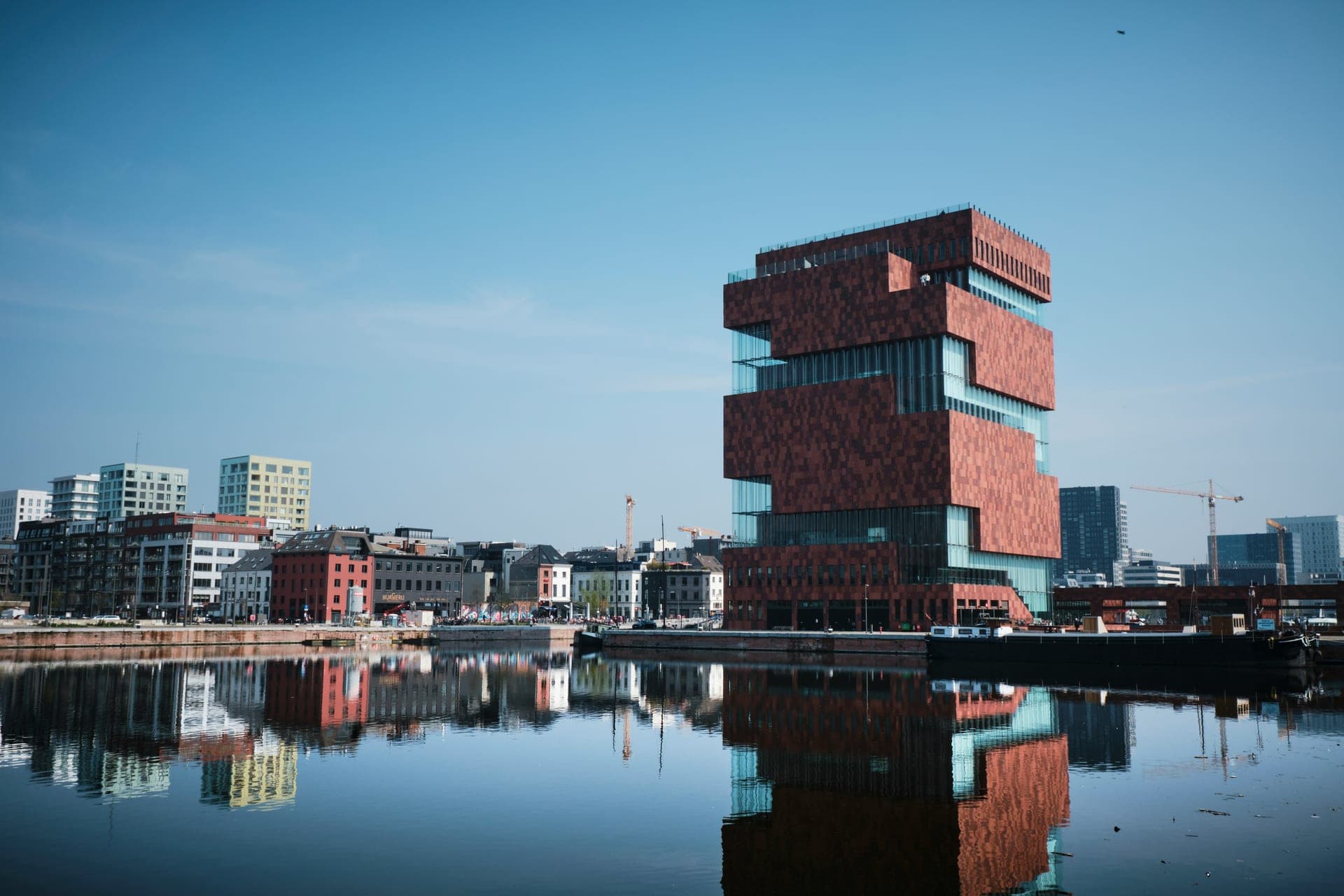
Diamonds, docks and a waiting list
Antwerp has always lived off what passes through it: cloth and spices in the sixteenth century, containers and rough diamonds today. That trade built a city of merchant houses and dockers' streets. After 1919 it also built something rarer, a tradition of social housing companies and garden suburbs raised on shared capital. The 536,079 residents of today inherit both the port's wealth and its long habit of housing workers collectively.
Ownership holds only a narrow majority. The 2021 census counts 51% of households as owner-occupiers and 46% as renters. Public housing, almost all of it now run by Woonhaven Antwerpen, accounts for 11.5% of dwellings. Private landlords let the biggest rental slice, about 34.5%. Cooperative housing barely registers in the statistics at 0.02% of the stock, a scatter of member-run projects rather than a sector.
- Owners
- Owner-occupier51.0%
- Renters
- Public & non-profit rental11.5%
- Cooperative0.02%
- Private rental34.5%
- Unclassified3.0%
- Unknown / Other3.0%
Social housing in Flanders is defined by who may rent and at what price, not by who owns the walls. In Antwerp 11.5% of dwellings carry a social rent. That figure matches the public share because nearly all of it sits with Woonhaven, which became the city's single woonmaatschappij (social housing company) in May 2023 with 23,800 homes and 45,000 tenants. The overlap is not complete. Woonhaven also absorbed the social rental agency, which leases flats from private owners and sublets them at social rents, so part of the layer lies inside the private-rental slice. Eligibility is broad: about 50% of households fall under the income limits. Across Flanders the social share is under 6%, which Sien Winters of HIVA-KU Leuven calls far below need in Is wonen echt onbetaalbaar?
The rent ladder climbs steeply once a household leaves the social tier. A social tenant pays around €4.50 per m² a month. The cooperative benchmark of €7.50 is a proxy drawn from Flemish social-housing data, not a measured cooperative rent. The median private let across the stock runs €9.80, a newly signed lease €11 and a furnished or serviced flat with bills included €14. An average apartment in the city now rents for €1,009 a month, and in the first half of 2026 the Flemish average passed €1,000 for the first time. Rents across Flanders rose by about 6% in 2024 alone, according to the Huurbarometer 2024.
- Public/municipal housing
- Cooperative
- All-stock median
- New contracts
- Furnished / serviced (gross)
Monthly rent per square metre by tier, net cold except the furnished tier, which is gross and all-in. A new private lease costs well over twice a social rent.
Empty homes are a modest problem by European standards, but a visible one. Flanders' vacancy register puts residential vacancy at 3.5%, and around 12,000 residential buildings in the city stand empty. Offices tell a different story: only 4.6% of floor space was vacant at the end of 2025, some 0 m², close to historic lows. Visitor lets take a further bite. Inside Airbnb estimates 1,104 homes are let to tourists full-time, at a median €95 a night, and one inspection found only 54% of Antwerp listings held the registration Flanders requires.
New arrivals keep coming. Around 27,000 people move to Antwerp each year. Construction is moving the other way. Embuild, the Flemish construction federation, reports that permits for new homes are almost 30% below their level three years earlier. Flanders has no rent cap. Its one direct intervention came in October 2022, when landlords of homes with the worst energy labels lost the right to index the rent for a year.
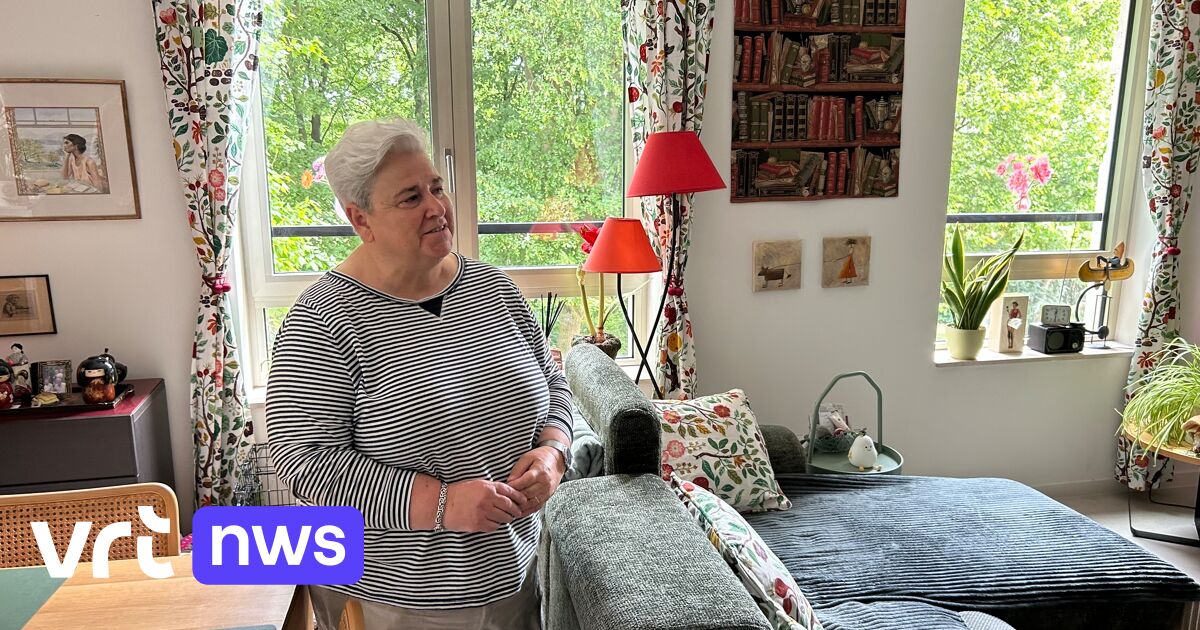
The squeeze is sharpest at the bottom of the income ladder. The Woonsurvey 2023 finds that 50.4% of private tenants in Flanders spend more than 30% of their disposable income on housing, against 15.6% of social tenants. Among the lowest income fifth the share rose to 37.9%, up from 31.9% in 2018; in the top fifth it is 9%. Antwerp concentrates the exposed group. Woonuitdagingen voor Antwerpen, HIVA's 2019 study for the city, found 46% of Antwerp tenants in the lowest income fifth, against 30% in the other Flemish central cities. The middle is starting to feel it. For single tenants in Antwerp province, Embuild puts the affordability risk at 64%, and in its 2025 poll nearly half of Flemings aged 18 to 34 said the shortage affected them personally. The waiting list sums it up: 45,114 families were waiting for a social home in 2025, VRT NWS reported.

Year after year rents go up. In 20 years rents in Flanders have doubled. On top of that, the shortage on the rental market keeps growing. It cannot go on like this.Against a queue that long, the city's cooperatives look like a rounding error. Their story, though, starts a century ago in the same garden suburbs.
A tenant-cooperative idea, revived one house at a time
Antwerp's cooperatives today are mostly rental cooperatives. A resident does not buy a flat but shares in a coöperatieve vennootschap, or CV (a cooperative company). The Flemish cooperative wooncoop explains the logic plainly: members become shareholders of a company, not co-owners of a building. Each month they pay a fixed housing cost, a slice of share build-up and a slice of pure rent, which wooncoop describes as renting from yourself. A second variant is the coöperatieve vennootschap met sociaal oogmerk (cooperative with a social purpose), which lets homes to low-income tenants rather than to its investors. Owner-occupied cohousing, where households own their own flat and share gardens and rooms, sits alongside both.
The idea is older than it looks. A national law of 1919 created the NMGWW (the national company for cheap housing), which financed local social housing companies across Belgium. Planners such as Raphaël Verwilghen and Huib Hoste pushed the garden suburb and the huurcoöperatieve (tenant cooperative, in which tenants also held shares in the building company). In Antwerp, De Goedkoope Woning van het Arrondissement Antwerpen was founded in 1920 with the state, the province and the neighbouring municipalities as shareholders. Nearby, a cooperative raised the 58-home Essenhout garden suburb in Kapellen. The moment passed quickly. The Moyersoen Act of 1922 cut subsidies for tenant cooperatives in favour of home ownership, and the social housing companies grew into public landlords rather than member-run ones.
The modern sector falls into three clusters. The first is social-purpose renovation. Collectief Goed, founded in 2015 from a SAAMO community-work project, buys run-down houses, renovates them and lets them to large low-income families. By 2023 it rented 35 homes to 35 families, backed by 60 shareholders, KBC and Triodos loans and funds of the King Baudouin Foundation. The second is new-build rental cooperation, led by wooncoop, founded in 2017, whose first Antwerp building is Cohousing De Wasserij in Berchem. The third is owner-occupied cohousing, such as Cohousing InDruk in Borgerhout. Endeavour, an Antwerp cooperative of urbanists, studied the potential of the housing cooperative in a study for the Cera foundation.
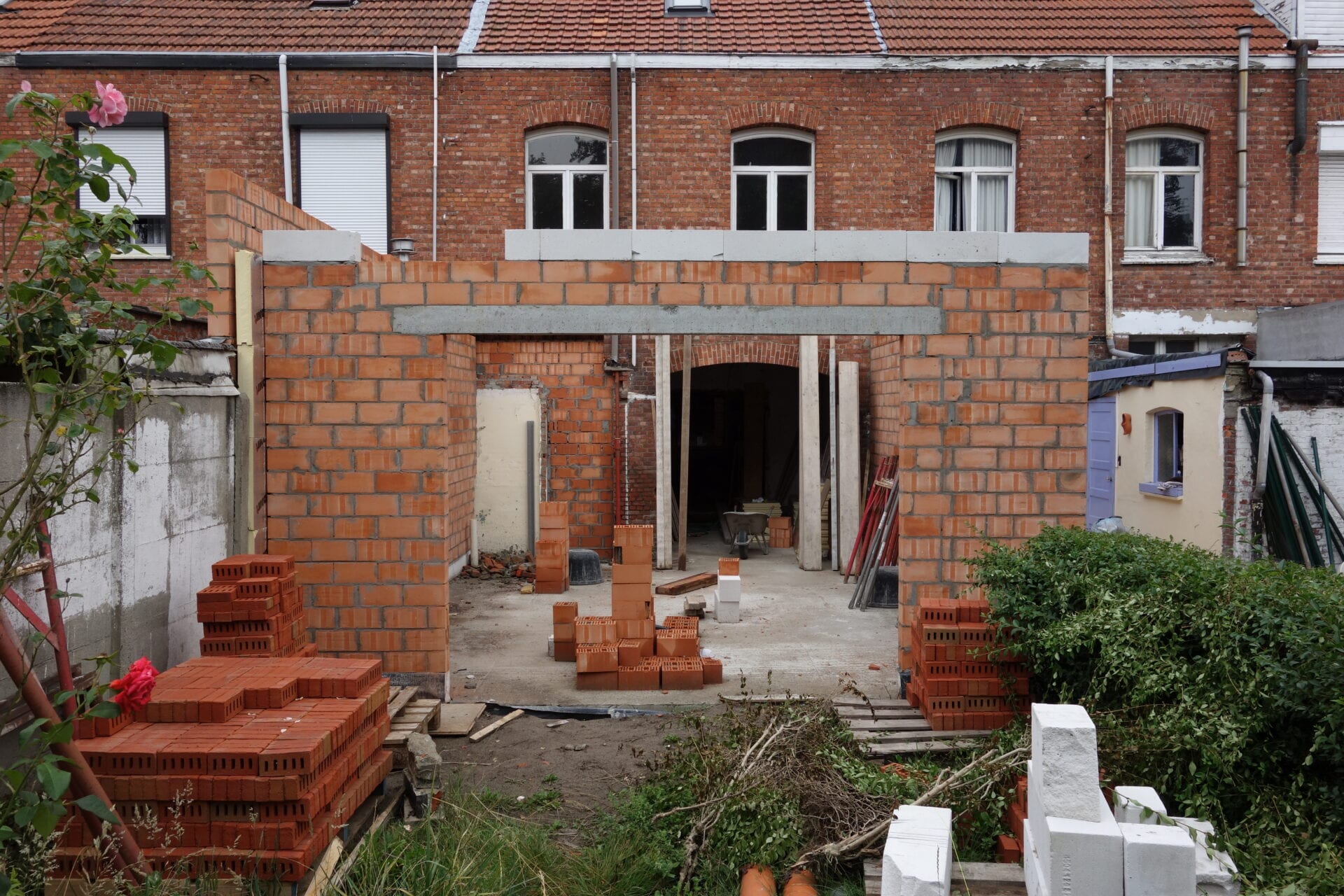
The three clusters share one obstacle and split on the others. All of them compete for land at around €420 per m² for residential plots. Finance divides them. Collectief Goed depends on rent subsidy and philanthropy, wooncoop on members' share capital, cohousing groups on ordinary mortgages. None fits Flemish rules neatly, which is why the VITO and Deloitte report Bouwstenen voor coöperatief wonen sets out the legal and fiscal foundations a sector would need. An earlier essay by Lieve Jacobs and Peggy Totté, Wanted: Daredevils for housing cooperatives, made the same case from the ground.
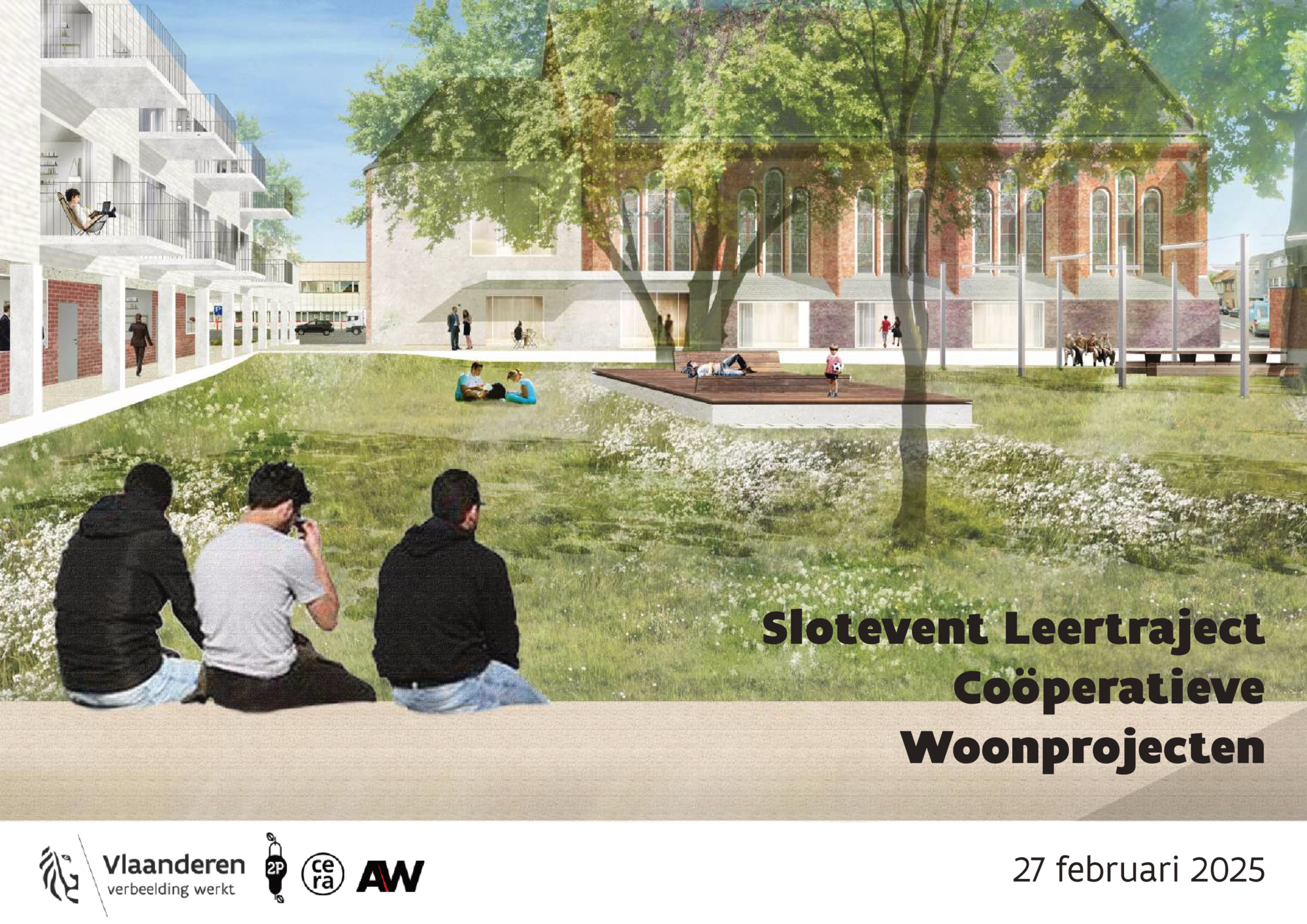
Government has started to treat the cooperative as a tool rather than a curiosity. Flemish housing minister Melissa Depraetere describes housing cooperatives as still in their infancy and has commissioned research into their finances. The Flemish learning programme Van proeftuin naar opschaling (from test bed to scale) chose Antwerp as one of five pilot sites. The city's 2025 coalition agreement goes further. At the opening of De Wasserij, housing alderman Patrick Janssens said it commits the city to remove barriers and realise a pilot with city support.
A 7,500-home promise under a Flemish deadline
Antwerp's housing politics are run by a coalition of the Flemish nationalist N-VA and the social-democratic Vooruit. Its titular mayor, Bart De Wever, became Belgium's prime minister on 3 February 2025, and Els van Doesburg has governed as acting mayor since. Housing and urban development sit with Patrick Janssens of Vooruit, who also chairs Woonhaven. The coalition agreement for 2025 to 2030 promises 7,500 new or renovated social homes. Outdated blocks are to be renovated or, where necessary, demolished and rebuilt. The agreement also backs budgethuren (budget renting, homes let below market by private partners) and building upwards on existing roofs to protect open space.
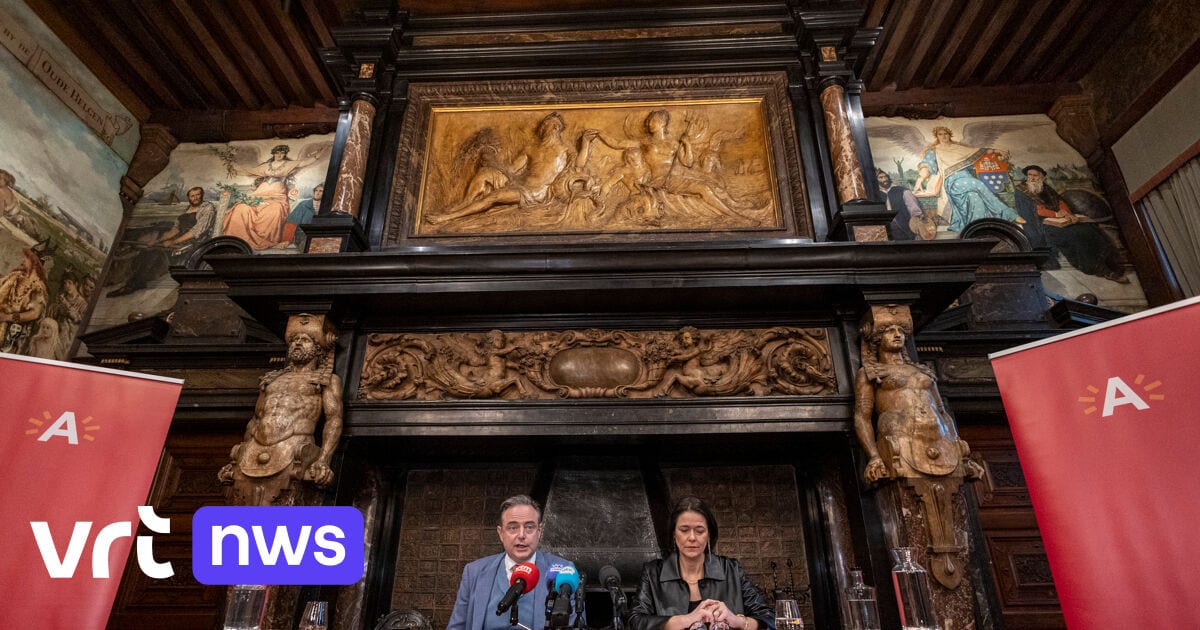
Building a social home is not as simple as Groen makes out. You can't add 1,000 of them every year; these projects involve long planning. We are currently reviewing the multi-year plan together with Woonhaven.The main instruments belong to the city's own companies. AG Vespa, the autonomous municipal company for real estate and city projects, hands city land to private partners on long concessions. At Rozemaai in Ekeren it offered a site for 50 years on the strict condition that the partner builds affordable rental homes. Woonhaven carries the social programme. It already holds some 24,000 social homes and is adding 115 on Linkeroever, due in 2027.
The bigger levers sit with the Flemish government, not at city hall. Belgium's regions control housing, and in December 2024 Depraetere promised a historic investment of about €6 billion in social housing. The old rule asked each municipality for a 9% social-housing share. Her government has added a binding target: 50,000 to 56,000 extra social homes across Flanders by 2042, with a sanction for each missing home. Ownership got a boost too. Since January 2025 buyers of a sole family home pay only 2% registration tax, down from 3%. The federal government, now led by Antwerp's own mayor, has few housing powers at all.
For cooperatives the instruments are still pilots, but they are real. Through the Flemish learning programme, the city and AG Vespa began exploring cooperative living in Renaat Braem's modernist Arenawijk in Deurne. In September 2026 the city launched a cooperative pilot in the Cadix district of Het Eilandje, on a plot of 2,136 m². AG Vespa develops it with the Vlaams Bouwmeester (the Flemish Government Architect), and residents buy shares, not flats. The city calls it the largest cooperative housing pilot in Flanders.
Vacancy gets a stick rather than a subsidy. A dwelling empty for 12 consecutive months enters the city's public leegstandsregister (vacancy register), updated monthly. Its owner then pays a tax of €3,350 a year per dwelling or €960 per room, multiplied each year up to fivefold. Office conversion is a thinner answer here than in Brussels or Frankfurt, because Antwerp's offices are nearly full. The city's 2025 church plan, which reviews 59 parish churches for new uses, may prove the larger reserve. Housing Europe's Tools to Deal with Vacant Housing sets out the wider menu the city draws on.
Climate policy now shapes the housing stock as much as rent policy does. Since 2023, anyone buying a home with energy label E or F must renovate it to label D within 6 years. Label A remains the goal for every home by 2050, though Flanders has scrapped the tougher steps planned from 2028. The Bouwshift aims to cut the daily take of open land to zero by 2040, which pushes new housing onto land already built on. Social landlords carry much of this. Woonhaven's new Kielpark tower runs almost energy-neutral, and Collectief Goed's whole model is the renovation of worn-out houses.
- 1919[source]
A national housing company
A law of 11 October 1919 creates the NMGWW, which finances local social housing companies and, briefly, tenant cooperatives.
- 1922[source]
Ownership wins out
The Moyersoen Act cuts subsidies for tenant cooperatives in favour of home ownership and private initiative.
- 1951–1958[source]
The Kiel estate
Renaat Braem, Viktor Maeremans and Hendrik Maes build nine free-standing blocks for Huisvesting Antwerpen, one of the few Belgian applications of CIAM principles.
- Oct 2022[source]
Rent indexation tied to energy labels
For a year, landlords of homes with label E or F, or no energy certificate, may not index the rent.
- May 2023[source]
One social landlord for the city
Woonhaven becomes the single woonmaatschappij for Antwerp, with 23,800 homes and 45,000 tenants.
- Jan 2025[source]
Registration tax cut
Buyers of a sole family home in Flanders pay 2% registration tax, down from 3%.
- Feb 2025[source]
The mayor goes federal
Bart De Wever becomes prime minister; Els van Doesburg is sworn in as acting mayor.
- May 2025[source]
First new Kielpark tower
The first of three replacement social towers opens: 16 floors and 96 flats, almost energy-neutral.
- Sep 2026[source]
Cooperative pilot in Cadix
The city launches a cooperative housing pilot on a 2,136 m² plot on Het Eilandje, the largest in Flanders.
- 2030[source]
Kielpark renewal complete
The third replacement tower is due by summer 2030, the end of the coalition term and its 7,500-home social pledge.
- 2040[source]
Bouwshift deadline
Flanders aims to reduce the daily take of open space to zero hectares.
- 2042[source]
Binding social objective
Flemish municipalities must together add 50,000 to 56,000 social homes, or pay a sanction per missing home.
- 2050[source]
Label A for every home
The long-term energy goal for the whole Flemish housing stock.
From the first national social-housing law to Flanders' climate and land-use deadlines.
The opposition argues the city is leaning on developers who build the wrong homes. Joke Laukens of the Greens and PVDA group leader Manal Toumi both seized on the new central register, which showed the waiting list was even longer than expected.
Project developers are now mainly building expensive luxury homes. The city must enter into talks with them and ask them to build more social housing.From the Kiel towers to the Cadix docks
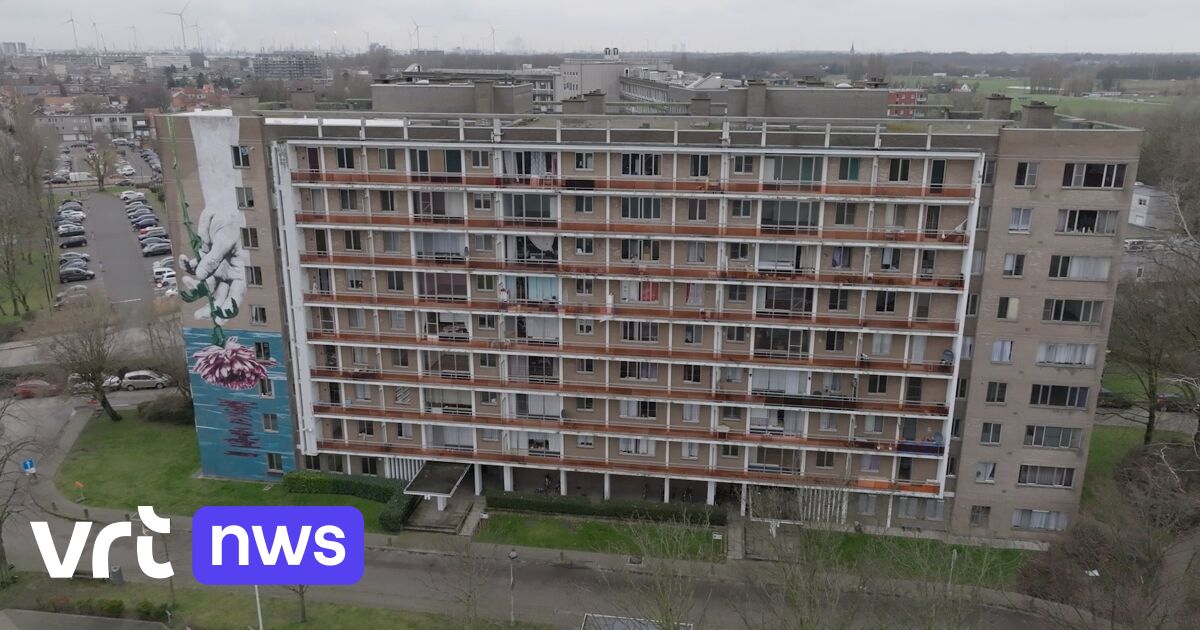
The Kiel estate is where Antwerp's social housing is easiest to read. Renaat Braem and his partners built its nine blocks in the 1950s for Huisvesting Antwerpen, and the estate is now protected heritage. Its three 1960s Kielpark towers could not be saved. The first replacement opened in May 2025 with 96 flats over 16 floors, near energy-neutral, with solar panels on the roof. Janssens said it shows that social housing can be high quality. The other two towers follow by 2030.
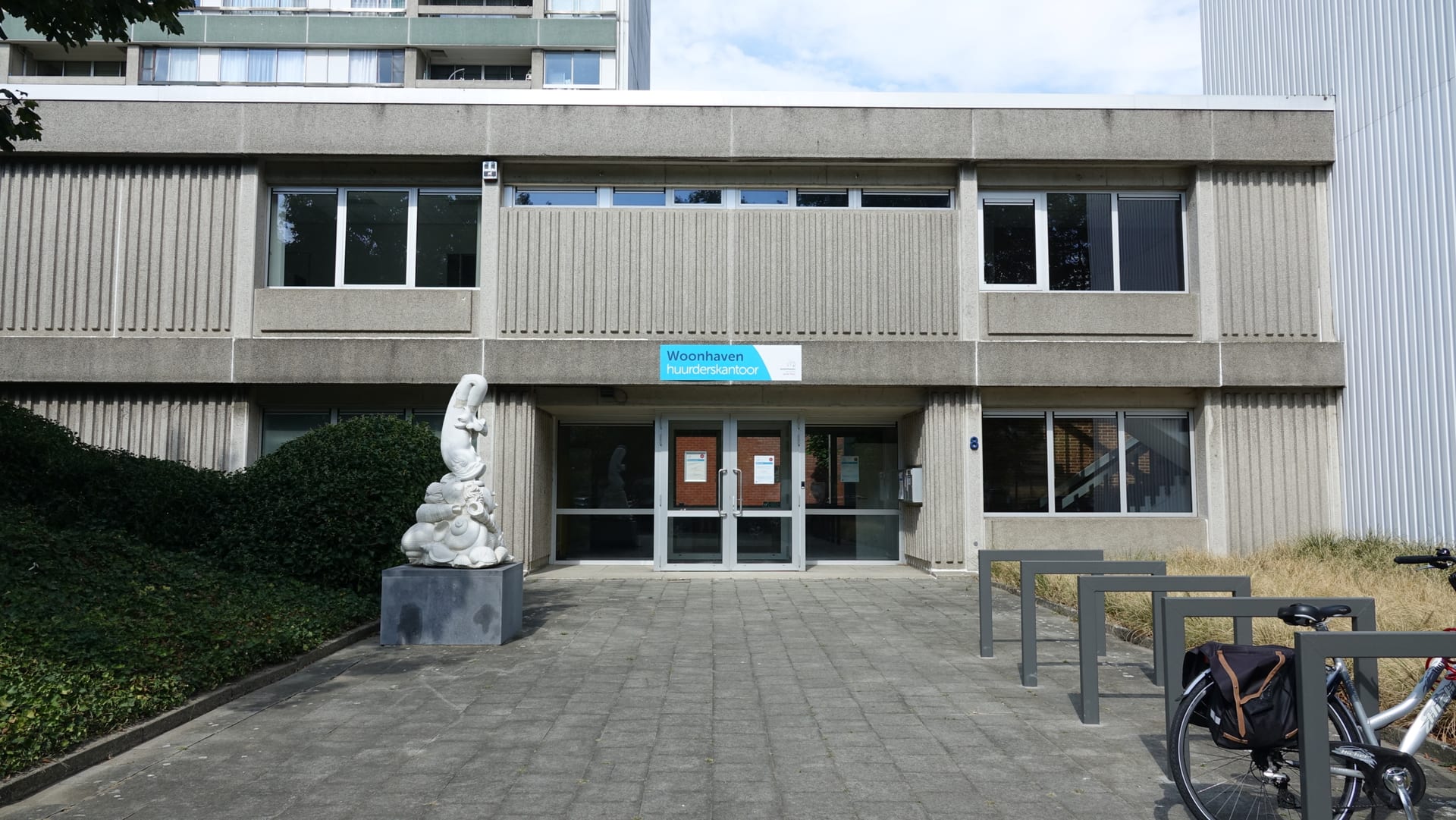
Woonhaven Antwerpen is the engine behind most of what follows in the public tier. Beyond the Kiel it is building 115 social homes on Linkeroever. In Berchem it plans to replace the 1960 Heilig Sacramentskerk with 16 social rental homes, a crèche and a small liturgical space, a model for the church sites the city is now reviewing.
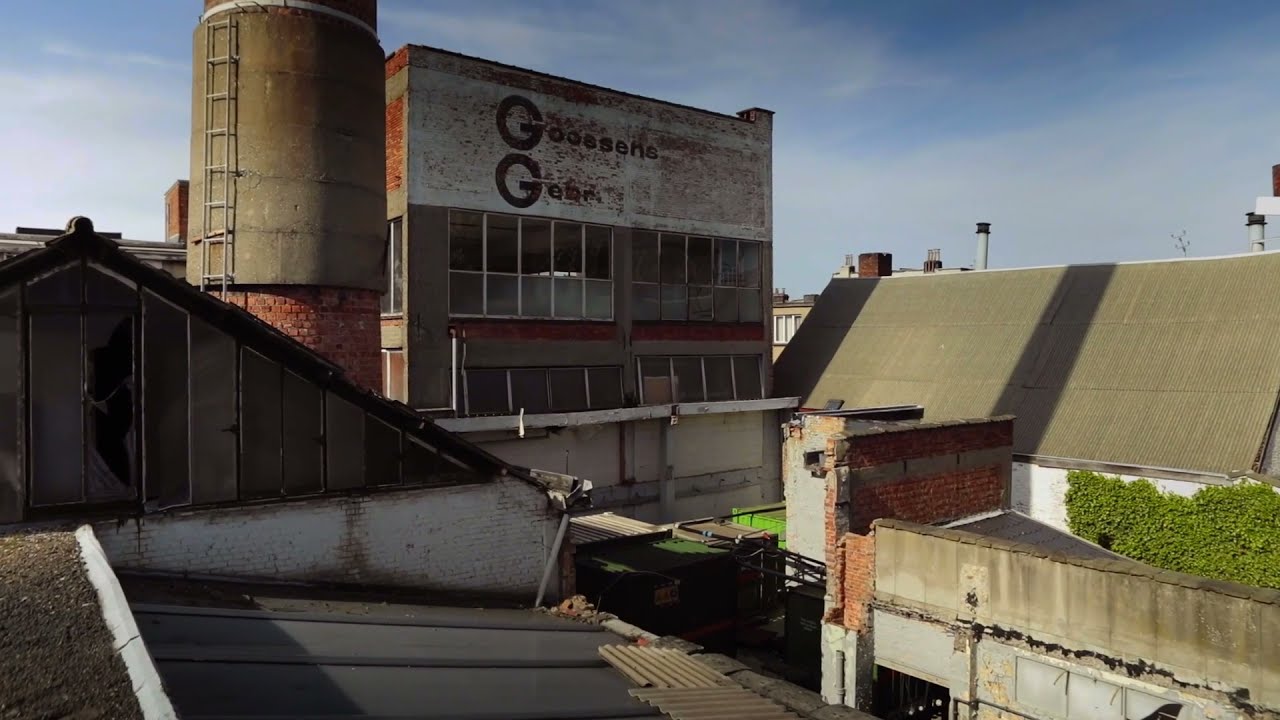
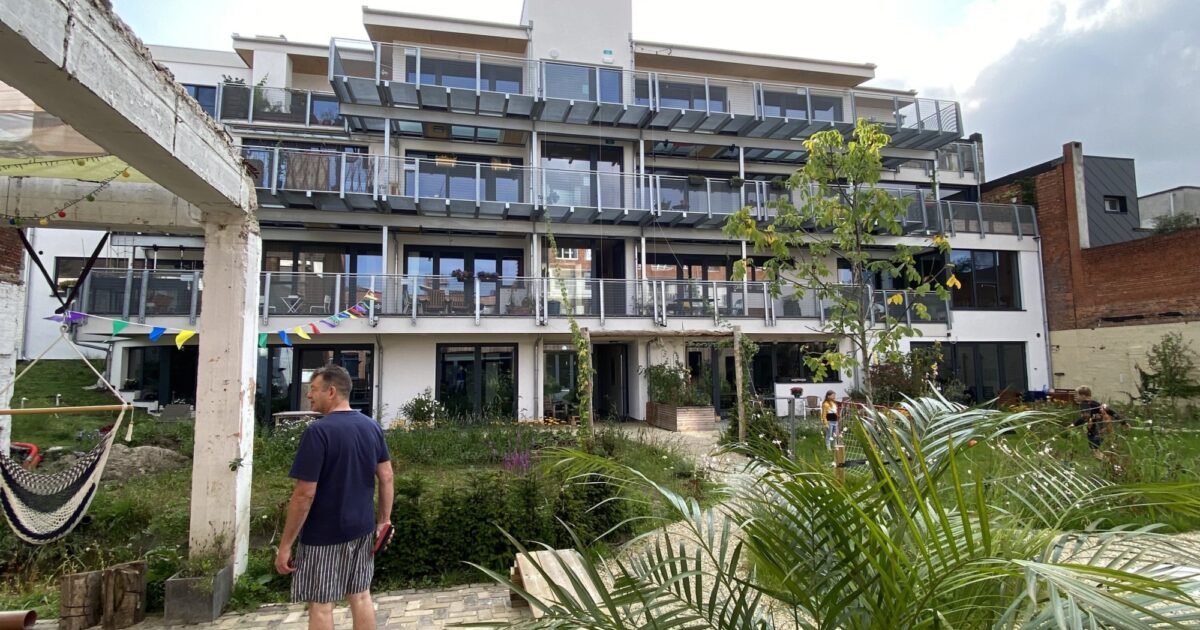
Cohousing De Wasserij is the cooperative's proof of concept in the city. On the site of the old Goossens laundry in Berchem, where locals took their washing for three quarters of a century, wooncoop built 27 studios, flats and duplexes designed by stramien architects. It won the city's 2023 competition for innovative housing forms and was handed over in February 2025. Nobody there owns a flat. Every household holds shares in the cooperative and rents from it.
Collectief Goed shows the same form working for the poorest households. Parents of large families, calling themselves Arm in Arm, started it with community workers. Each renovated house is let through the social rental agency with a rent subsidy, so a family on a small income gets a sound, affordable home. The King Baudouin Foundation gave the cooperative its Reno Hope Award, and its jury called the model of a renovating housing cooperative highly replicable.
Cohousing InDruk turned a former printing works in Borgerhout into 18 flats of 60 to 130 m² around a shared garden of 560 m². Its households bought the land together in 2018 and moved in from the end of 2020, working with Atelier Archi4. Older still is De Haringrokerij, an 1890s herring smokehouse in the Kronenburgstraat that has been shared housing for decades and brought wooncoop on board in 2022. Together with De Wasserij, these projects fit the wider pattern traced in TU Delft's Together: Towards Collaborative Living.
The Cadix pilot on Het Eilandje is where the city is betting its own land on the form. Around the Willemdok, the old dock warehouses long ago became lofts and offices. In Cadix, one plot goes to a cooperative, one to a private partner under a building right and one to Woonhaven for social homes. Janssens framed it as sharing an attractive place to live with as many different Antwerpenaren as possible. Endeavour's cooperative study and the European Community Land Trust Network's State of the Sector Report show what could follow. Ghent and Brussels already run community land trusts; Antwerp does not yet.
Antwerp Tower is the city's reminder that an office block can become homes. The 1974 tower beside the central station, long an eyesore, reopened in 2021 with 241 apartments over 26 floors. Market-led redevelopment is also remaking old industrial ground. The former abattoir, the Slachthuissite, has a masterplan for more than 2,000 homes, and its 1877 halls now house a college campus. The European Commission-funded study Conversion of offices into affordable housing and a Brussels life-cycle analysis, Office to housing conversion, both show why such reuse beats demolition on carbon.
References
Statistics17Click on any number to see the source
Housing market
Tenure & affordability
Cooperative, social & public
Adaptive reuse & vacancy
Population & migration
From our library25
- Woonhaven Antwerpen — Organisation
- Is wonen echt onbetaalbaar? En wat kunnen we eraan doen? — Knowledge
- Huurbarometer 2024: huurprijzen in Vlaanderen — Knowledge
- Nota Woonsurvey 2023 — Knowledge
- Woonuitdagingen voor Antwerpen — Knowledge
- Meer dan 45.000 Antwerpenaren op wachtlijst voor sociale woning, ondanks nieuw inschrijvingsregister — Knowledge
- Collectief Goed — Organisation
- Cohousing De Wasserij — Project
- Cohousing InDruk — Project
- Endeavour — Organisation
- Bouwstenen voor coöperatief wonen – Rechtseconomische en fiscale fundamenten — Knowledge
- Wanted: Daredevils for housing cooperatives — Knowledge
- Vlaams minister van Wonen Melissa Depraetere zet in op coöperatieve woonvorm — Knowledge
- Leertraject Coöperatieve Woonprojecten: Van proeftuin naar opschaling — Knowledge
- Dit staat in het Antwerpse bestuursakkoord — Knowledge
- 115 sociale woningen op Linkeroever — Knowledge
- Bouwen of betalen: minister Depraetere wil sancties voor gemeenten die te weinig sociale woningen bouwen — Knowledge
- 50.000 sociale woningen tegen 2042 — Knowledge
- Tools to Deal with Vacant Housing — Knowledge
- Eerste gloednieuwe sociale woontoren op Antwerpse Kiel is klaar — Knowledge
- Towards Collaborative Living — Knowledge
- Community Land Trusts in Europe: State of the Sector Report — Knowledge
- Urban Community Land Trust in Europe — Knowledge
- Conversion of offices into affordable housing — Knowledge
- Office to housing conversion: estimating life cycle environmental and financial performance — Knowledge
Further sources45
- Sociale woningbouw (thema) — Inventaris Onroerend Erfgoed
- Welkom bij het nieuwe Woonhaven — Woonhaven Antwerpen
- Is wonen echt onbetaalbaar? En wat kunnen we eraan doen? — Belgisch Financieel Forum
- Huurprijzen in Vlaanderen voor het eerst boven 1.000 euro — 21News
- Huurbarometer 2024 — VRT NWS
- Vlaanderen voert strengere regels in voor Airbnb-verhuur — Batibouw
- Vlaamse Woonbalans 2025 — Embuild Vlaanderen
- Decreet huurindexering en EPC-label (2022) — Codex Vlaanderen
- Nota Woonsurvey 2023 — Steunpunt Wonen
- Woonuitdagingen voor Antwerpen — HIVA-KU Leuven
- Betaalbaar wonen achteruit in 2025 — Embuild Vlaanderen
- Hoge woonlasten baren de Vlaming grote zorgen — Embuild Vlaanderen
- Meer dan 45.000 Antwerpenaren op wachtlijst voor sociale woning — VRT NWS
- Veelgestelde vragen — wooncoop
- Wonen bij wooncoop — wooncoop
- De Goedkoope Woning van het Arrondissement Antwerpen — Inventaris Onroerend Erfgoed
- Tuinwijk Essenhout — Inventaris Onroerend Erfgoed
- Over ons — Collectief Goed
- Collectief Goed — Collectief Goed
- Over wooncoop — wooncoop
- Cooperative housing study — Endeavour
- Opening cohousing De Wasserij in Antwerpen — wooncoop
- Kabinet waarnemend burgemeester Els van Doesburg — Stad Antwerpen
- Dit staat in het Antwerpse bestuursakkoord — VRT NWS
- Stad Antwerpen lanceert project voor vijftig budgethuurwoningen in Ekeren — Stad Antwerpen
- 115 sociale woningen op Linkeroever — VRT NWS
- Bouwen of betalen: minister Depraetere wil sancties — VRT NWS
- 50.000 sociale woningen tegen 2042 — VVSG
- Verlaagd tarief in het verkooprecht voor de aankoop van de enige eigen woning — Vlaanderen.be
- Vlaanderen helpt vijf gemeenten pionieren met een coöperatief woonproject — Vlaams Bouwmeester
- Stad Antwerpen start project voor coöperatief wonen in Cadixwijk — Stad Antwerpen
- Belasting op leegstand — Stad Antwerpen
- Antwerpen stelt nieuw kerkenbeleidsplan voor — Stad Antwerpen
- Renovatieverplichting voor residentiële gebouwen — Vlaanderen.be
- Zonder bouwshift dreigt Vlaanderen 40.000 hectare open ruimte te verliezen — VITO
- Woonwijk Kiel — Inventaris Onroerend Erfgoed
- Eerste gloednieuwe sociale woontoren op Antwerpse Kiel is klaar — VRT NWS
- Woonhaven Antwerpen zoekt ontwerpers voor nieuwbouwproject in Berchem — Architectura
- De Wasserij — wooncoop
- Cohousing De Wasserij: van oplevering tot nieuwe woongroep in Berchem — wooncoop
- Cohousing InDruk Borgerhout — Samenhuizen
- Cohousing project InDruk in Borgerhout is duurzaam in elke vezel — NIBE
- De Haringrokerij — wooncoop
- Matexi levert 240 woningen op in vernieuwde Antwerp Tower — Bouwen en Wonen
- Van industriële slachthuissite naar levendige stadswijk — Triple Living