Housing Tech, Data & Tools

Overview
In Germany, a population surge to 84.3 million, driven by net migration of 1.5 million in 2022, has forced planners to rethink how they match vacant space to housing demand. This is the core mechanism of housing technology and data infrastructure: replacing manual, fragmented administration with digital systems that match residents to homes, track environmental impacts, and coordinate community decisions. By deploying member platforms, allocation algorithms, and automated conversion analysis, cooperatives and municipalities reduce the time spent processing applications and identifying viable sites. For residents, this digital layer translates into transparent voting, faster onboarding, and clearer visibility into how shared assets are managed, ultimately lowering the operational costs of running community-led housing at scale.
Across Europe, the baseline for this infrastructure relies on granular municipal data, such as the 2022 census in Münster, which identified 166,045 residential units with an average floor area of 85.71 square metres, or the 2024 Strasbourg rent observatory, which revealed a gap between recent movers paying 12.4 euros per square metre and sitting tenants paying 10.7 euros. While these public datasets map the existing landscape, private and cooperative technology providers are building tools to act on it. In Copenhagen, the platform cooperative Almenr, founded in 2017, uses digital tools to organise baugruppen, streamlining the creation of co-living communities. Meanwhile, commercial platforms are deploying data-driven analysis to surface adaptive reuse opportunities; global design firm Gensler uses its Conversions+ tool to assess office-to-residential viability, a method mirrored by commercial property platforms like Crexi to identify where conversions actually work. Together, these approaches show a shift from static measurement to active, algorithmic asset matching.
Below, readers will find municipal vacancy datasets, academic studies on platform ecosystems, and technical reports on impact measurement, alongside directories of proptech companies, platform cooperatives, and upcoming industry conferences like PropTech Connect Europe 2026. Housing providers and policymakers can use these resources to identify proven digital tools for their own operations, compare regional data standards, and connect with the developers building the next generation of residential infrastructure.
Key Aspects
Member platforms
Tools for onboarding, voting, share management and member communication
Allocation systems
Fair, transparent processes for matching members to homes
Governance tooling
Digital infrastructure for democratic decision-making at scale
AI for asset matching
Surfacing conversion opportunities by matching vacant buildings to housing needs
Open housing data
Vacancy inventories, market data, transparency initiatives
Impact measurement & ESG
Quantifying social and environmental housing outcomes
Proptech
The broader real-estate technology sector applied to affordable and cooperative housing
Knowledge Resources

Counting What Counts: A Compass of Progress for People and Planet

Zensus 2022: Wohnungen in Münster (Statistik-Newsletter der Stadt Münster, August 2024)
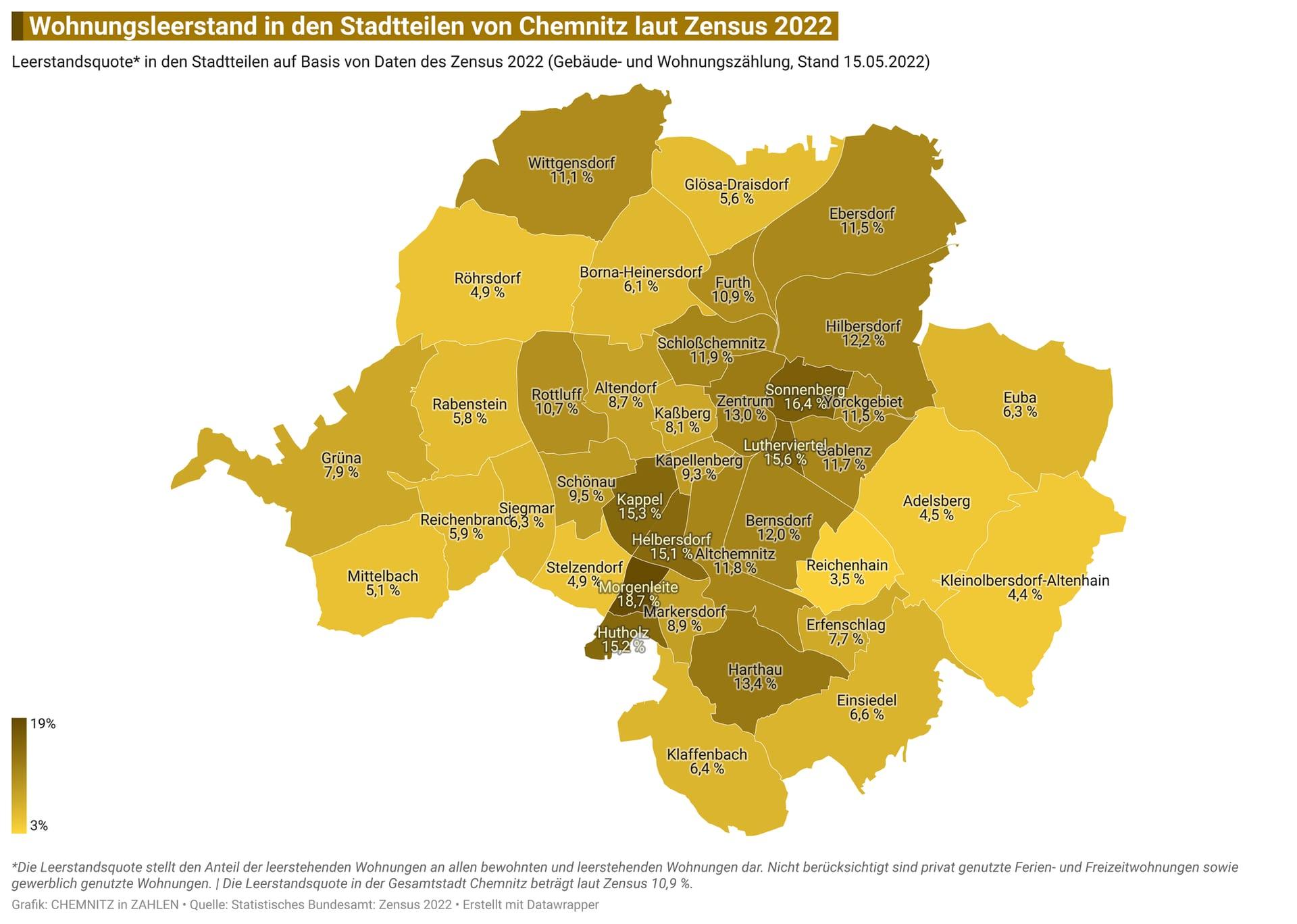
Wohnungsleerstand in Chemnitz (Chemnitz in Zahlen)

Observatoire local des loyers du Bas-Rhin – résultats 2024, périmètre Eurométropole de Strasbourg

Recensement de la population 2025

Budownictwo mieszkaniowe w województwie lubelskim w 2025 roku
Related Organisations












Related Projects


Related Events

Smart City Expo World Congress 2026

Smart Country Convention 2026

PropTech Connect Europe 2026

WohnZukunftsTag 2026
Other topics in Finance, Business Models & Innovation




Have resources to share?
Help grow our knowledge base by submitting research, case studies, or other resources related to housing tech, data & tools.
Submit a Resource