Housing Finance, Impact Capital & Non-speculative Models

Overview
In Scotland, a £4.9 billion funding plan aims to deliver 36,000 affordable homes by directing capital away from short-term yields and into long-term residential stability. Funding models for non-speculative housing shift the financial mechanism from extracting maximum rent to covering costs and securing affordability over generations. When capital is structured through cooperative shares, public guarantees, or impact funds that accept lower financial returns in exchange for social outcomes, the cost of borrowing drops. This allows developers to lock in lower rents, extend repayment periods, and invest in building quality or climate retrofits rather than diverting revenue to shareholder dividends.
Across Europe, the shift toward mission-driven finance takes different forms depending on local constraints and historical burdens. While municipal housing companies in Saxony still struggle with approximately €1 billion in fictitious book-credit debts inherited from German reunification, other regions are deploying fresh capital to expand non-market stock. In Munich, KOOPERATIVE GROSSSTADT eG is using cooperative finance to begin construction in February 2025 on Freimundo, a 100-apartment complex featuring flexible room layouts. At a smaller scale, an URBACT pilot in Thessaloniki is converting a vacant listed building on Siatistis Street into ten to eleven cost-rental units for single parents and Housing First beneficiaries. To fund such projects, developers increasingly rely on blended finance and impact investing. A 2021 study of 4,659 investment funds between 1995 and 2014 found that 159 operated with a strict dual objective, testing whether investors knowingly accept lower financial yields to achieve measurable social impact. Meanwhile, state interventions continue to anchor large-scale preservation, such as the €51 million allocated to modernise the City Wohnpark in Duisburg-Hochfeld, combining climate protection with rent controls.
Readers will find academic analyses of housing financialisation, municipal budget reports, and cross-border investigations into corporate landlords, alongside profiles of state development banks, ethical lenders, and cooperative projects. These resources provide a practical reference for structuring patient capital, navigating public subsidies, and designing financial models that treat housing as a social good.
Key Aspects
Patient capital
Long-term investment horizons aligned with housing development timelines
Impact investing
Capital seeking measurable social and environmental returns alongside financial
Cooperative & member finance
Citizen capital pooled through small monthly contributions and member shares
Blended finance
Combining public guarantees with private capital for affordable housing
EU instruments
Leveraging EIB, InvestEU and other European financial vehicles
Limited-equity finance
Financing models that lock in affordability across generations
Mission-driven developers
Real estate operators pursuing both impact and return
Anti-financialisation models
Housing structures designed to resist extraction
Go deeper
Long reads that explain housing finance, impact capital & non-speculative models properly, with every number linked to its source.
Knowledge Resources
Collaborative Housing Lending & Finance - Answer to request by the EU Affordable Housing Task Force

£4.9bn funding plan unveiled to tackle Scotland's housing emergency
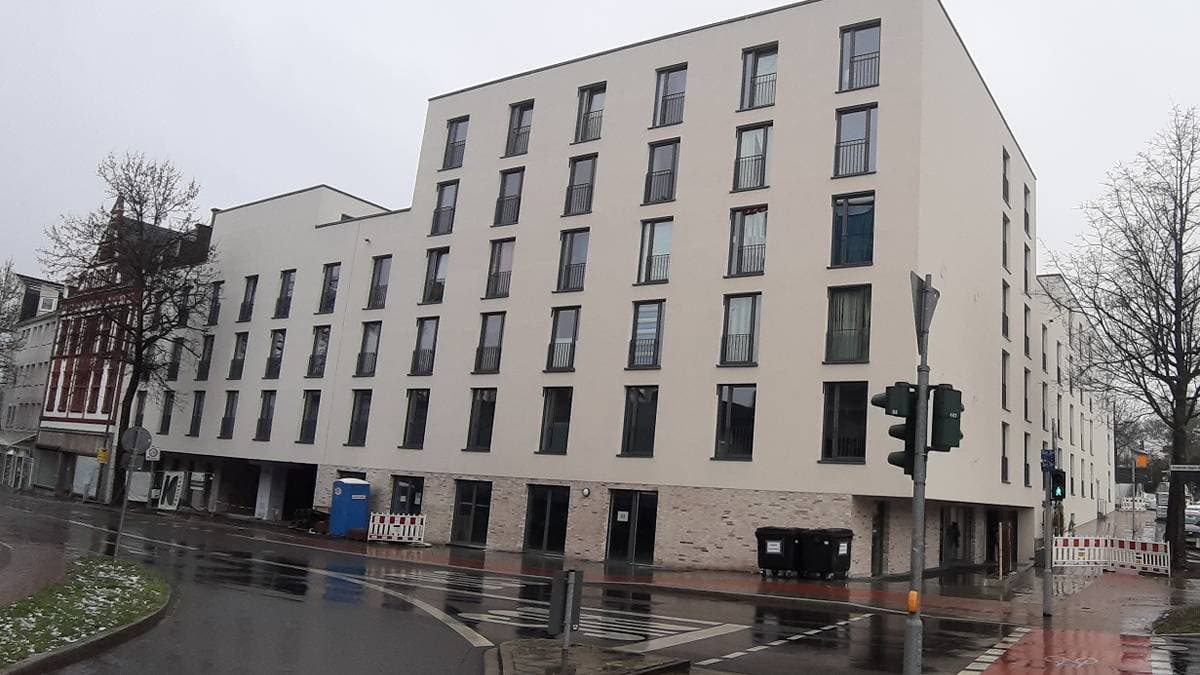
Öffentliche Wohnraumförderung 2025: Budget hoch, Nachfrage höher

Cities 4 Co-Housing – Thessaloniki Investment Plan

Buchkredite der Treuhand mit Folgen: Sachsens Wohnungsgesellschaften haben immer noch eine Milliarde Euro Altschulden

Strategija stambene politike do 2034. godine: planirano formiranje Nacionalnog stambenog fonda
Related Organisations











Related Projects


Related Events

MIPIM 2027

Overcoming the scale issue for cooperative housing investments

Impact/Week 2026

Expo Real 2026
Other topics in Finance, Business Models & Innovation





Have resources to share?
Help grow our knowledge base by submitting research, case studies, or other resources related to housing finance, impact capital & non-speculative models.
Submit a Resource