Finance, Business Models & Innovation
Flexible Living & Mixed-Tenure Models
Mid-term stays, blended tenures and alternatives to short-term rental platforms

As Europe grapples with a severe cost-of-living crisis and intense pressure on local housing markets from short-term holiday lets, a new approach to residential mobility is emerging. Flexible living and mixed-tenure models bridge the gap between transient hotel stays and rigid twelve-month tenancies, catering to citizens navigating life transitions such as university studies, professional secondments, or changing care needs. By blending temporary, mid-term, and long-term housing within single projects or wider networks, these models offer a sustainable alternative to extractive short-term rental platforms. Crucially, this includes cooperative-to-cooperative exchanges, supported by emerging digital infrastructures that allow members to move seamlessly between partnered housing communities across the continent, fostering a shared European identity while protecting local housing stock.
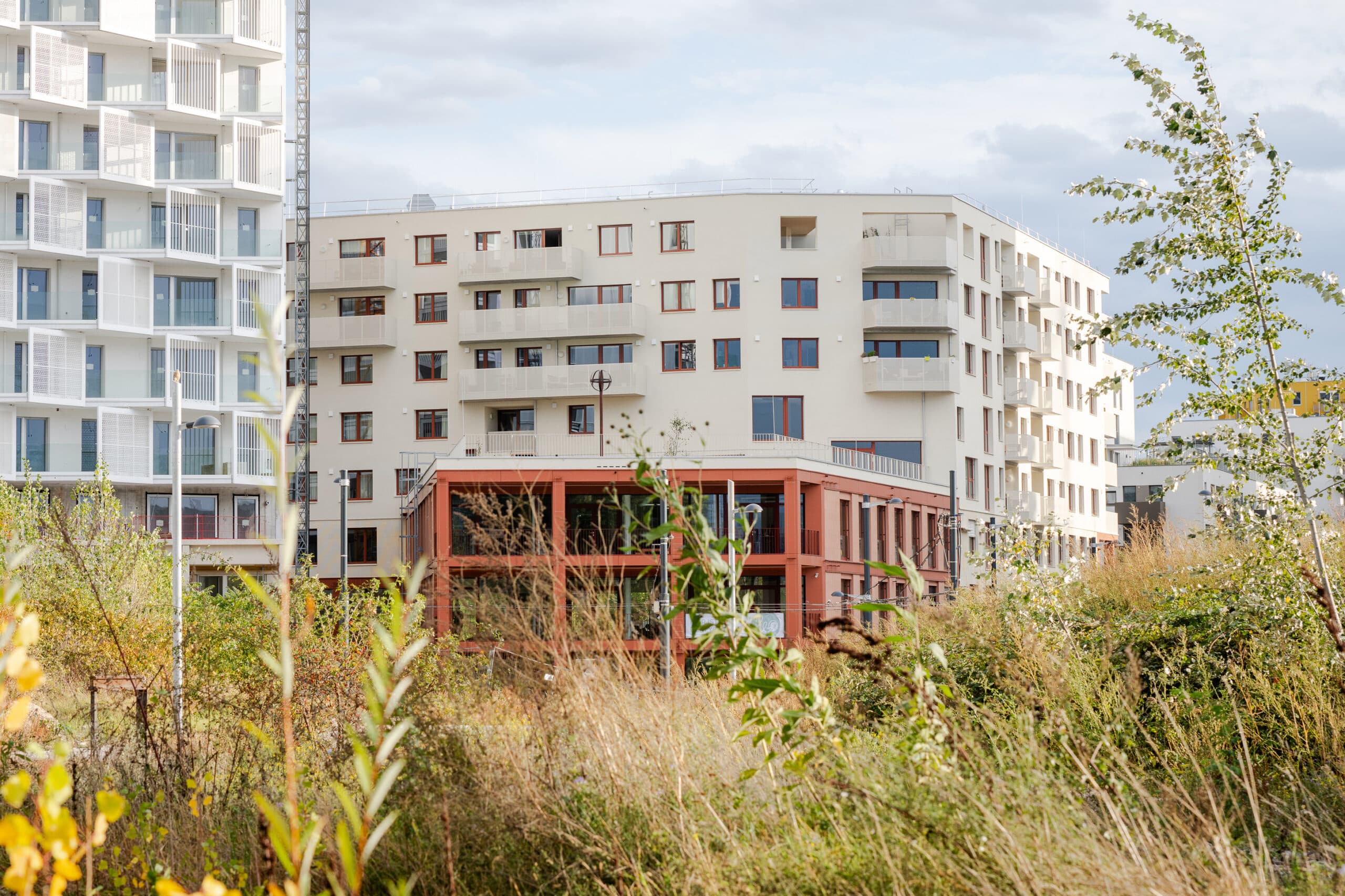
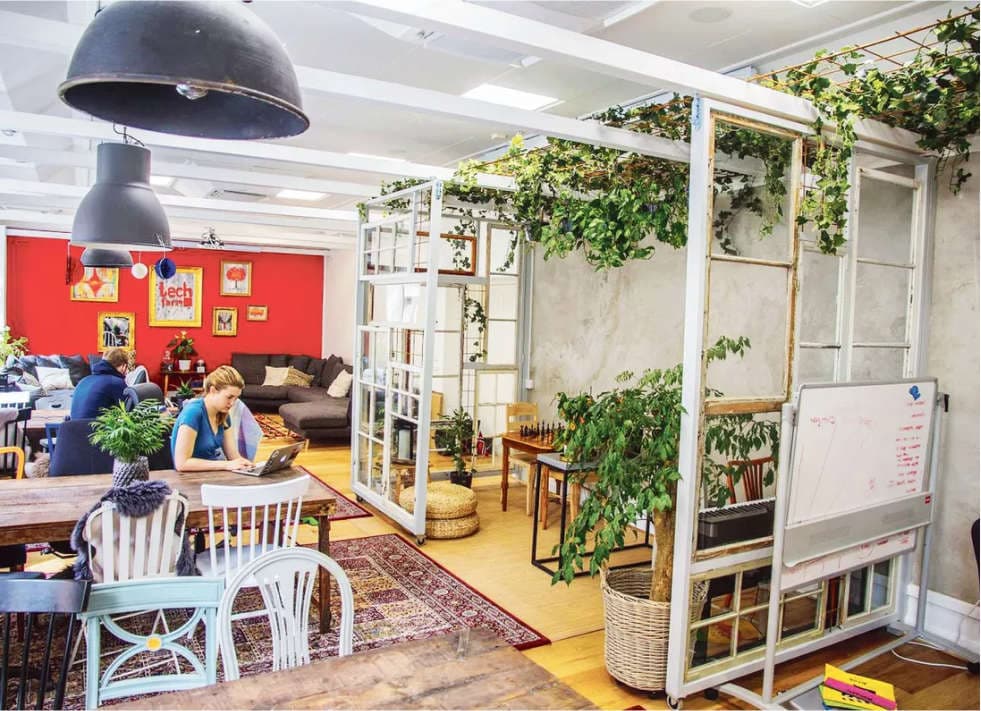
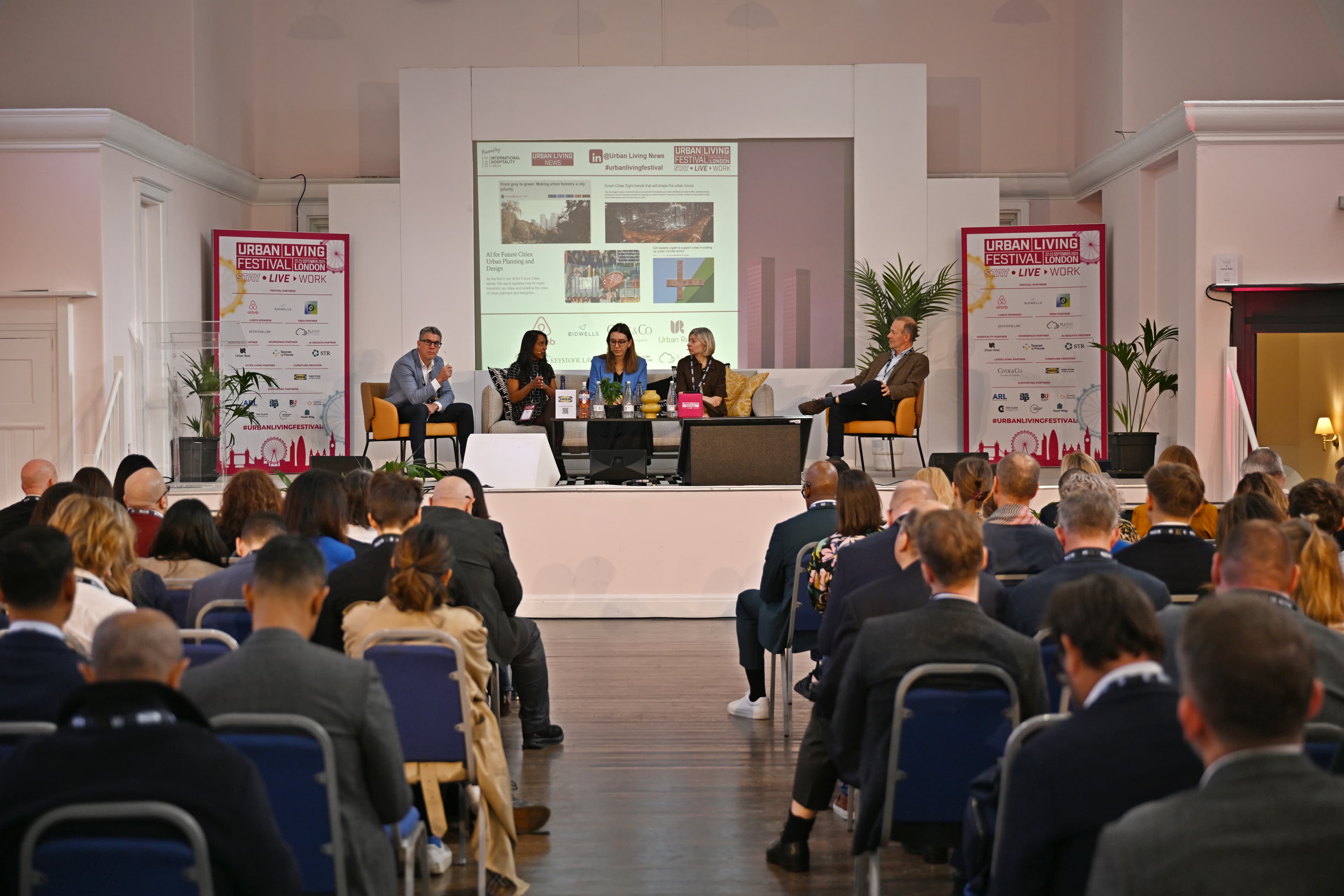
Below, you will find a curated selection of resources exploring this shift, from trend reports on European serviced apartments to deep dives into how vacant properties and affordability challenges are reshaping our built environment. The page highlights pioneering organisations such as Fairbnb.coop, co-liv, and vonwegenleer, alongside architectural innovators like cutwork and established cooperatives including Bau- und Heimstättenverein Stuttgart eG. You can also explore practical applications through mixed-use projects like Die Hauswirtschaft and K9, and discover upcoming industry gatherings such as the Coliving Conference 2026 and the Urban Living Festival 2026. Browse the materials to understand how collaborative mapping, digital platforms, and social innovation are paving the way for a more adaptable and equitable housing landscape.
Below, you will find a curated selection of resources exploring this shift, from trend reports on European serviced apartments to deep dives into how vacant properties and affordability challenges are reshaping our built environment. The page highlights pioneering organisations such as Fairbnb.coop, co-liv, and vonwegenleer, alongside architectural innovators like cutwork and established cooperatives including Bau- und Heimstättenverein Stuttgart eG. You can also explore practical applications through mixed-use projects like Die Hauswirtschaft and K9, and discover upcoming industry gatherings such as the Coliving Conference 2026 and the Urban Living Festival 2026. Browse the materials to understand how collaborative mapping, digital platforms, and social innovation are paving the way for a more adaptable and equitable housing landscape.
Key Aspects
Coop-to-coop exchange
Members of one cooperative able to stay temporarily in partnered cooperatives across Europe
Mid-term stays
Filling the gap between hotel stays and 12-month tenancies
Mobility for life transitions
Supporting Europeans through study, secondment, family change and care needs
STR alternative
Reducing pressure from Airbnb-style rentals on local housing markets
Digital infrastructure
Platforms and standards that make cross-coop access seamless
Knowledge Resources

Survey of 462 residents across 5 countries highlights communal-service priorities and eco-practice expectations.
Flexible Living - Trend Report
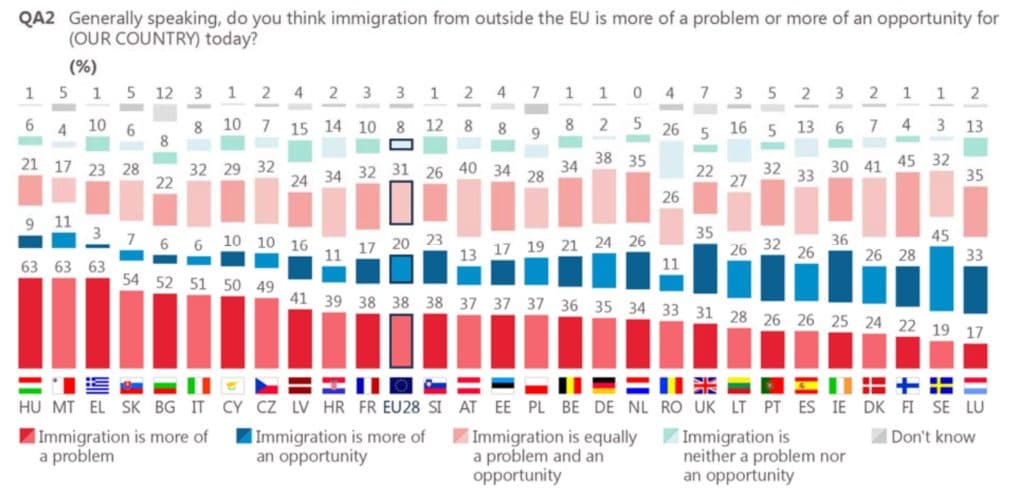
EU cohesion-policy awareness lags; newer member states lead, and communication—not funding—drives trust.
Perceive Project - European Feeling

Validated typology and Delphi-built dataset let umbrella groups compare co-living models across nine European countries.
Mapping social innovation and collaboration in housing – Co-Lab Mapping

How European cities can pair decarbonisation with reskilling, community ownership, and reduced territorial inequality.
Exploring the just transition in Europe
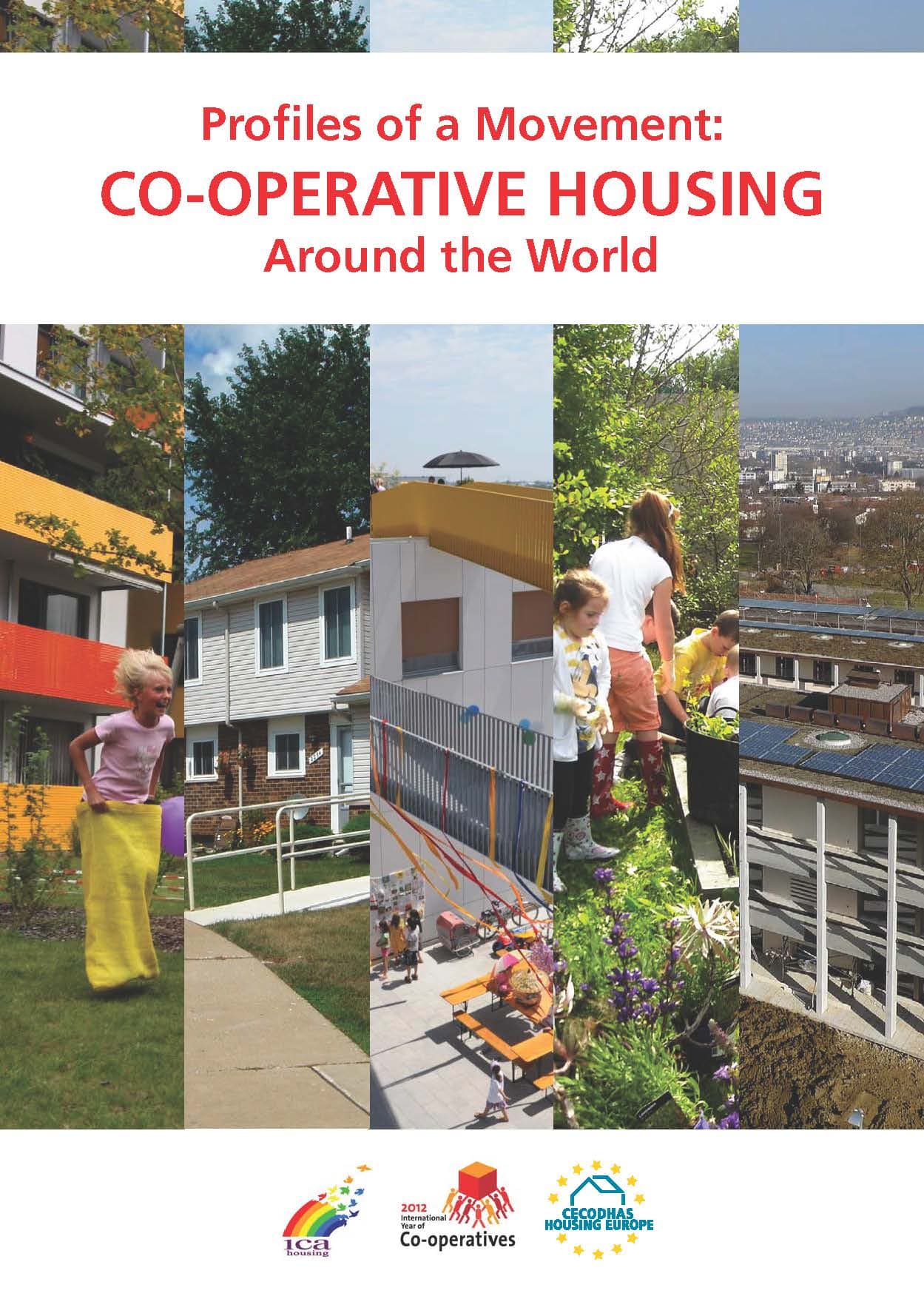
Maps 35,000 co-ops: 10.5M homes, 11M members, 'one person, one vote' governance worldwide.
Profiles of a Movement: Co-operative Housing Around the World

EU prices up ~50% since 2015; Vienna’s century-long social housing keeps rents lower, democracy tensions.
A broken housing market is driving inequality right across Europe – and fuelling the far right
Related Organisations


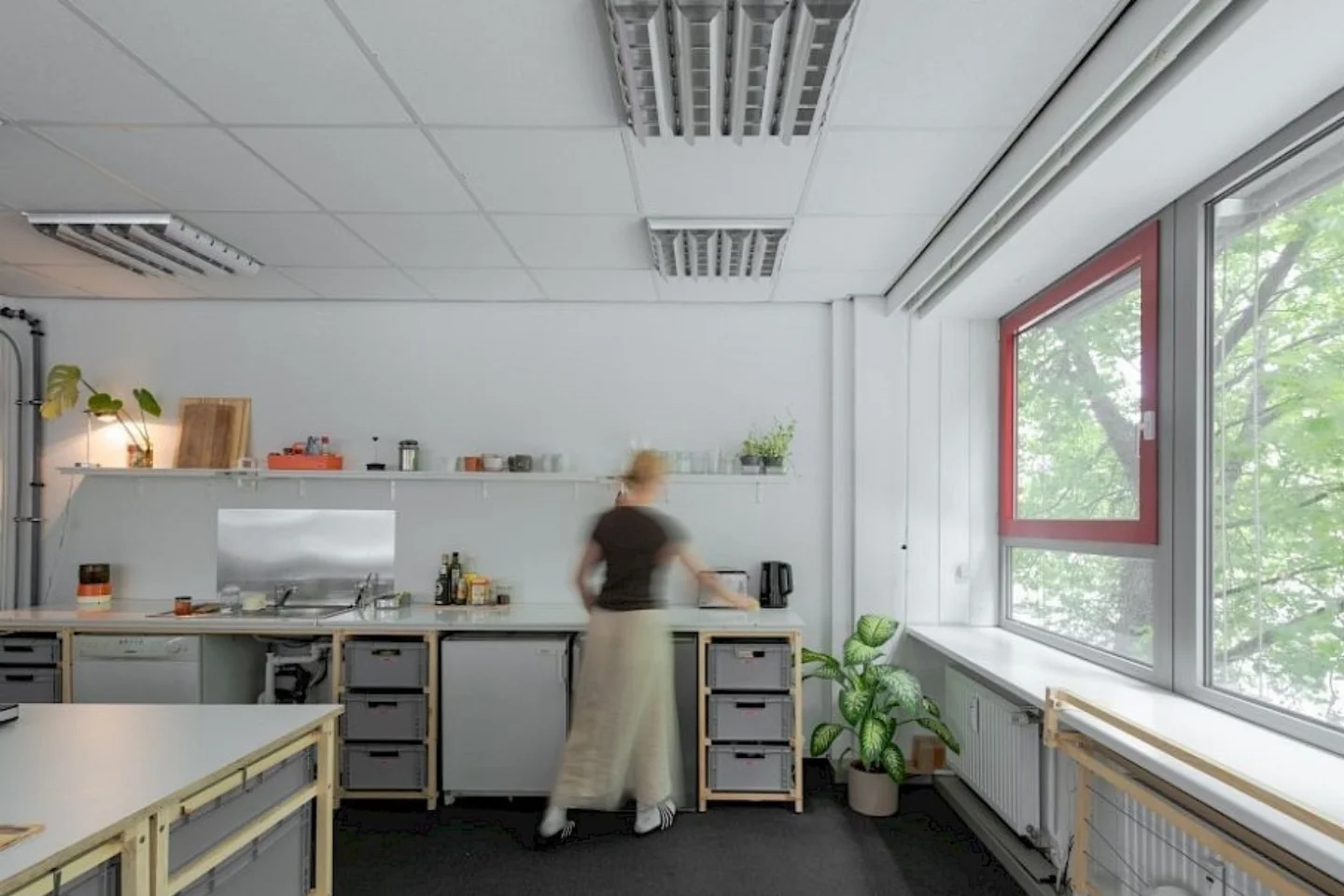

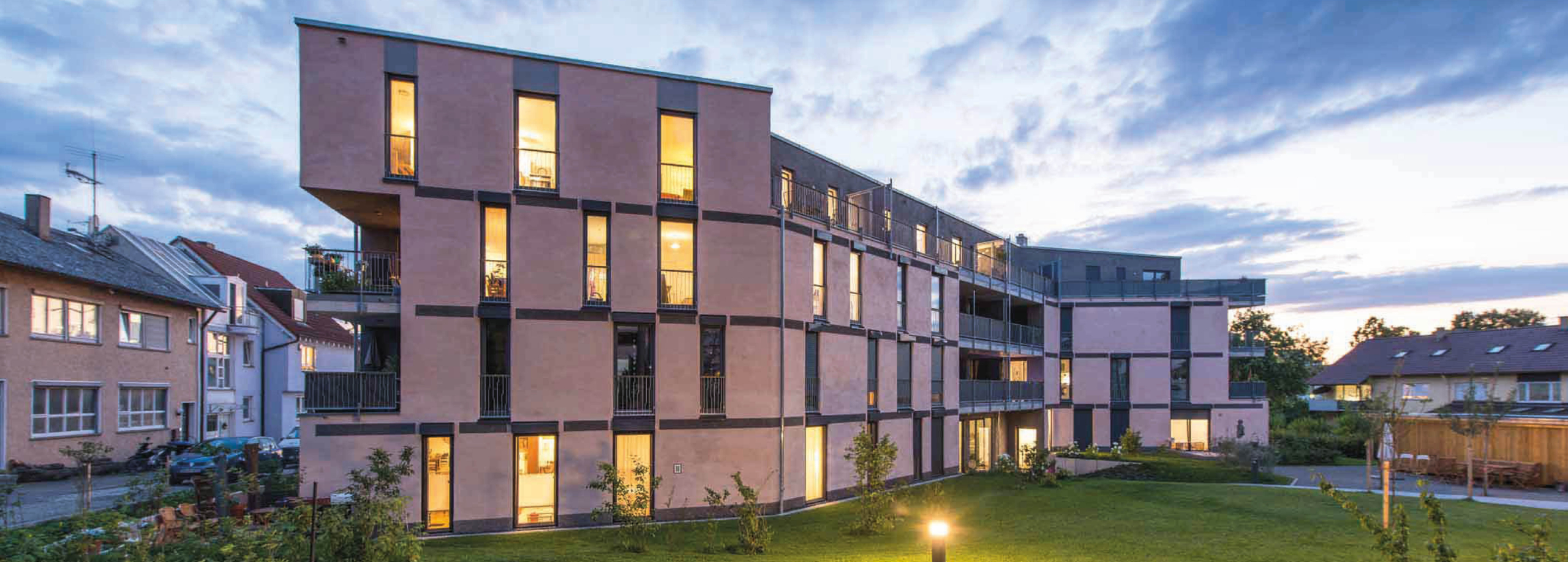
Related Projects
Related Events

Other topics in Finance, Business Models & Innovation



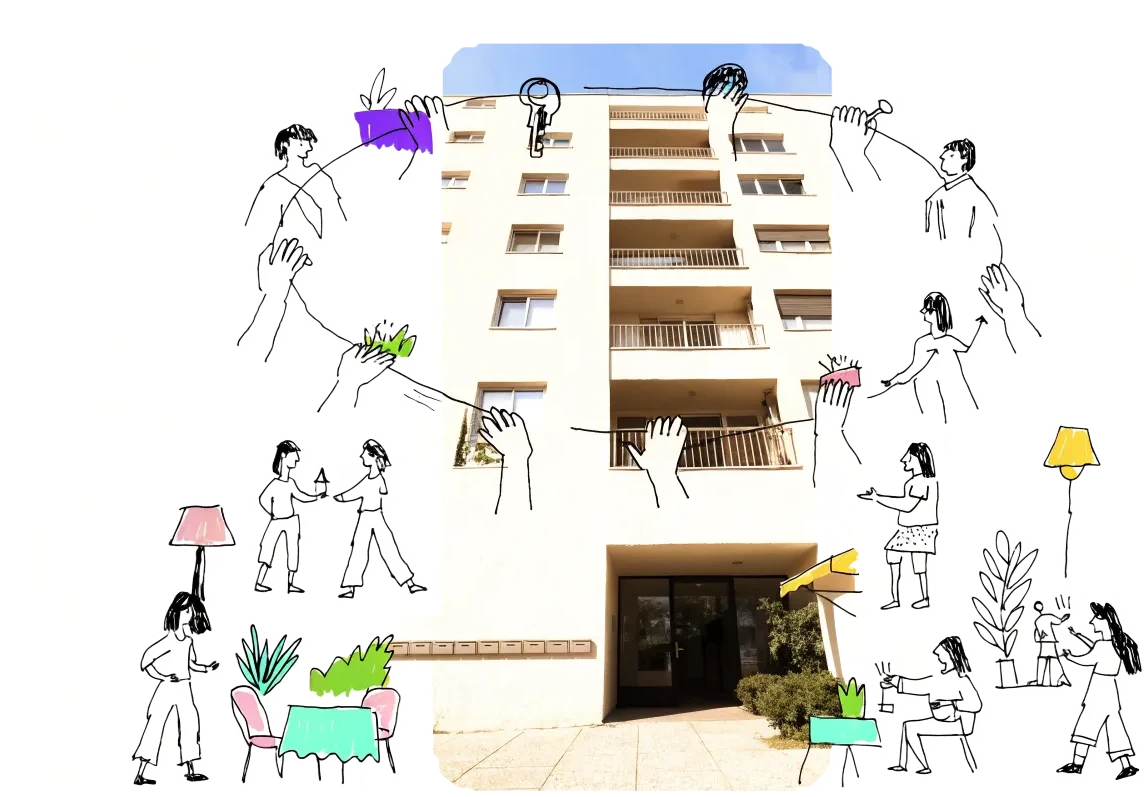
Have resources to share?
Help grow our knowledge base by submitting research, case studies, or other resources related to flexible living & mixed-tenure models.
Submit a Resource