Corporate-Sector Housing Innovation
Overview
In Dresden, the expansion of the semiconductor industry under the Silicon Saxony initiative is projected to create up to 30,000 jobs by 2030, drawing 24,000 new residents and generating a shortfall of roughly 10,000 apartments. When industrial growth outpaces municipal housing supply, corporate actors intervene to house their workforce and secure local operations. By directly funding, building or converting accommodation, employers and private developers bypass constrained public housing markets. This mechanism shifts the capital cost of development onto the private sector while guaranteeing incoming employees immediate access to shelter, thereby reducing relocation times and removing a primary barrier to recruitment and retention.
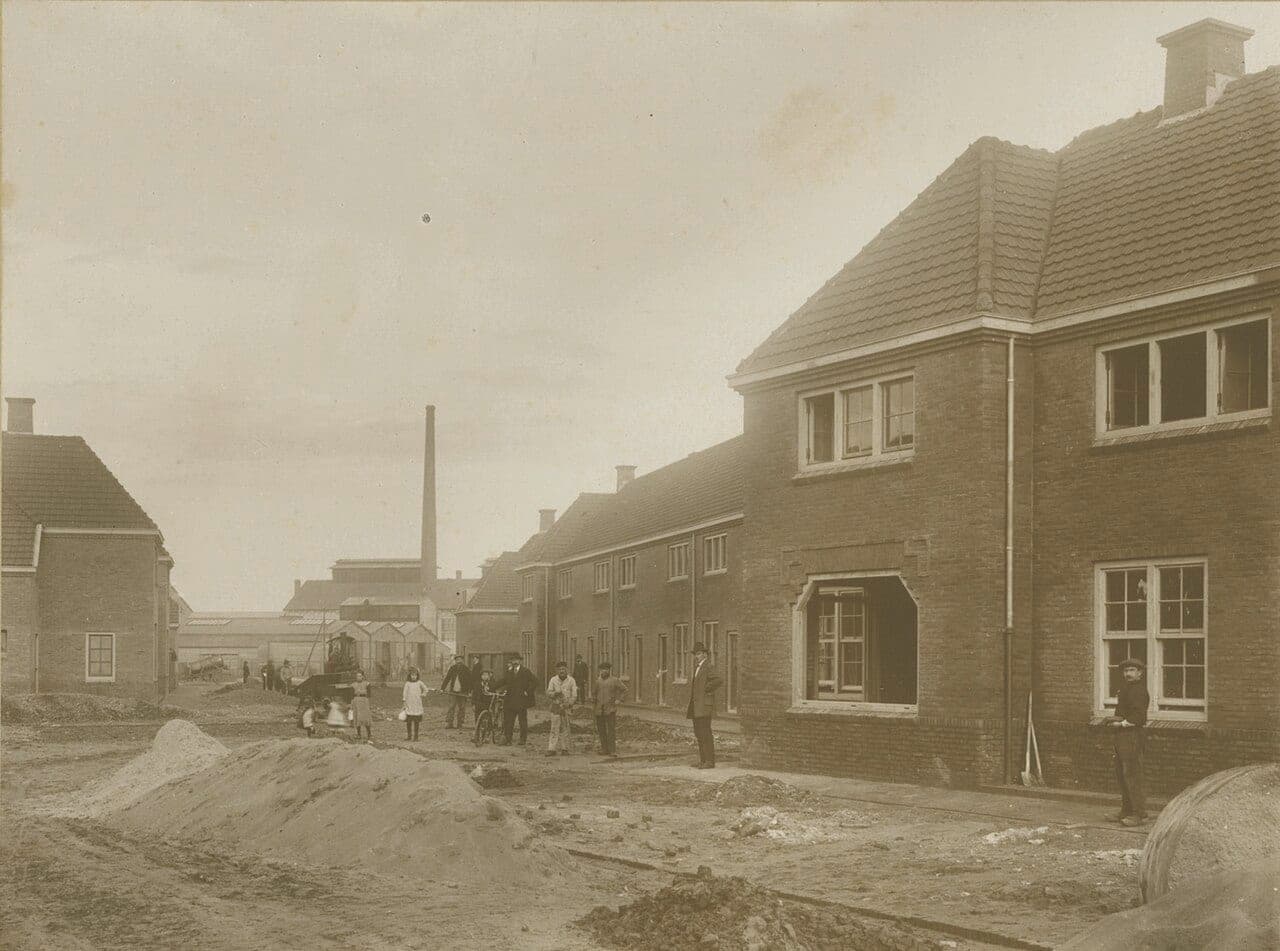
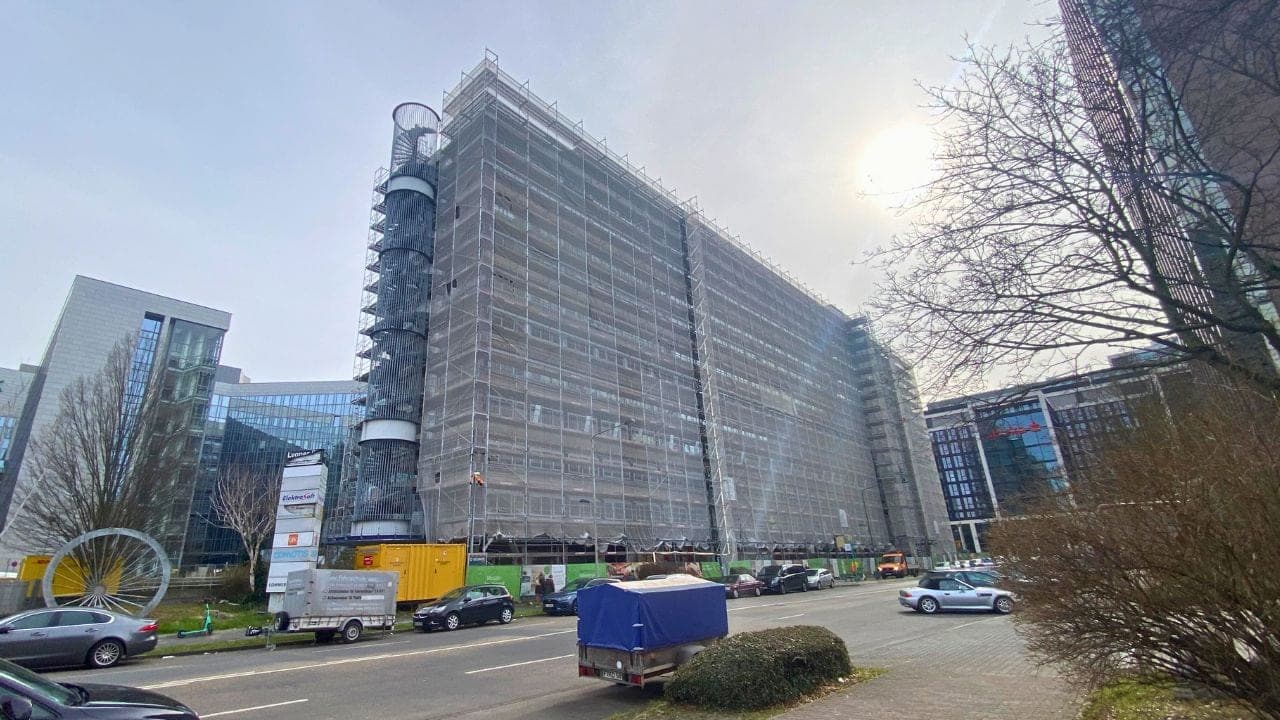
Corporate involvement in residential development spans from historical company towns to modern asset conversions. Between 1910 and 1923, Philips N.V. constructed Philipsdorp in Eindhoven, delivering 771 homes in stages to accommodate workers during a manufacturing expansion. Today, rather than building sprawling estates, companies frequently repurpose existing assets to house mobile workforces. In Frankfurt, investor Unimo took over the livinit project in 2022 to convert a 41-metre 1980s office building into a boarding house, retaining the listed façade instead of demolishing the structure. This preference for transforming obsolete buildings into mixed-use neighbourhoods is echoed in a recent Systemiq white paper, commissioned by Ginkgo Advisor, which frames urban regeneration as a direct response to Europe’s housing shortage. Meanwhile, the management of these corporate real estate portfolios is rapidly digitising under budget pressures; a JLL survey of 1,000 senior decision-makers across 16 markets reveals that while artificial intelligence pilots in corporate real estate have jumped from 5 per cent to 92 per cent in three years, only 5 per cent of occupiers report achieving their programme goals.
Readers will find studies on private sector affordable housing models and corporate digitalisation, alongside historical and contemporary examples of employer-driven residential projects. Practitioners can use the listed organisations, such as the Institute for Corporate Governance and mission-driven developers like NREP, as well as upcoming industry events like the C Change Summit and MIPIM, to identify partners for ESG-aligned real estate strategies.
Key Aspects
Employer-sponsored housing
Employee housing as recruitment and retention strategy
ESG real estate
Environmental, social and governance frameworks applied to housing
B Corp & mission-driven developers
Companies pursuing both impact and return
Corporate-cooperative partnerships
Employers participating in cooperative housing networks
Employee landing pads
3–12 month accommodation for mobile employees
Relocation housing
Corporate-supported housing for transitional life stages
Knowledge Resources

Models of involving the private sector in the supply of affordable housing
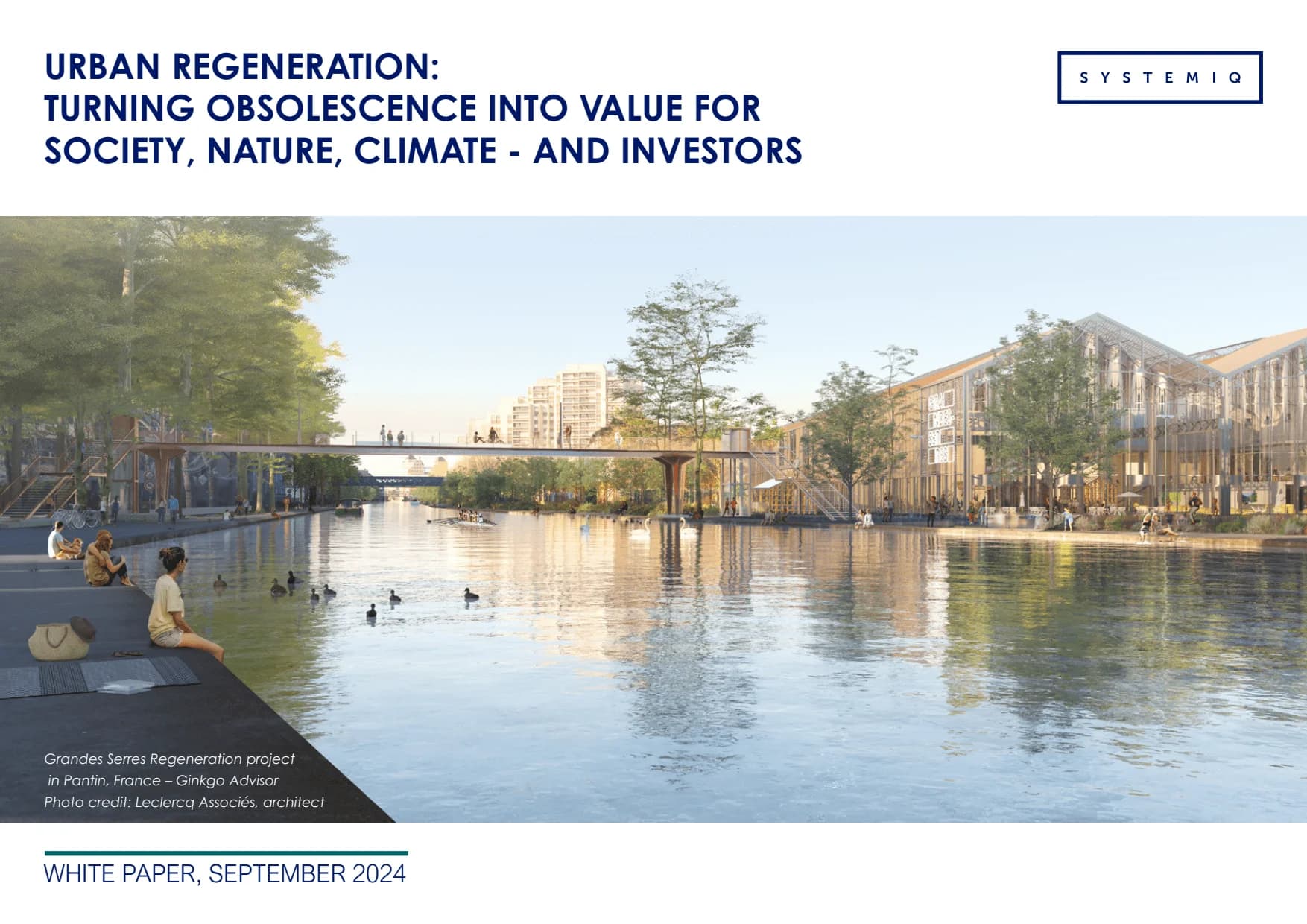
Urban Regeneration - Turning obsolescence into value for society, nature, climate – and investors
Software-Landschaften und Einsatz von digitalen Lösungen in Wohnungsunternehmen

Reality check: The true pace and payoffs of AI adoption in corporate real estate
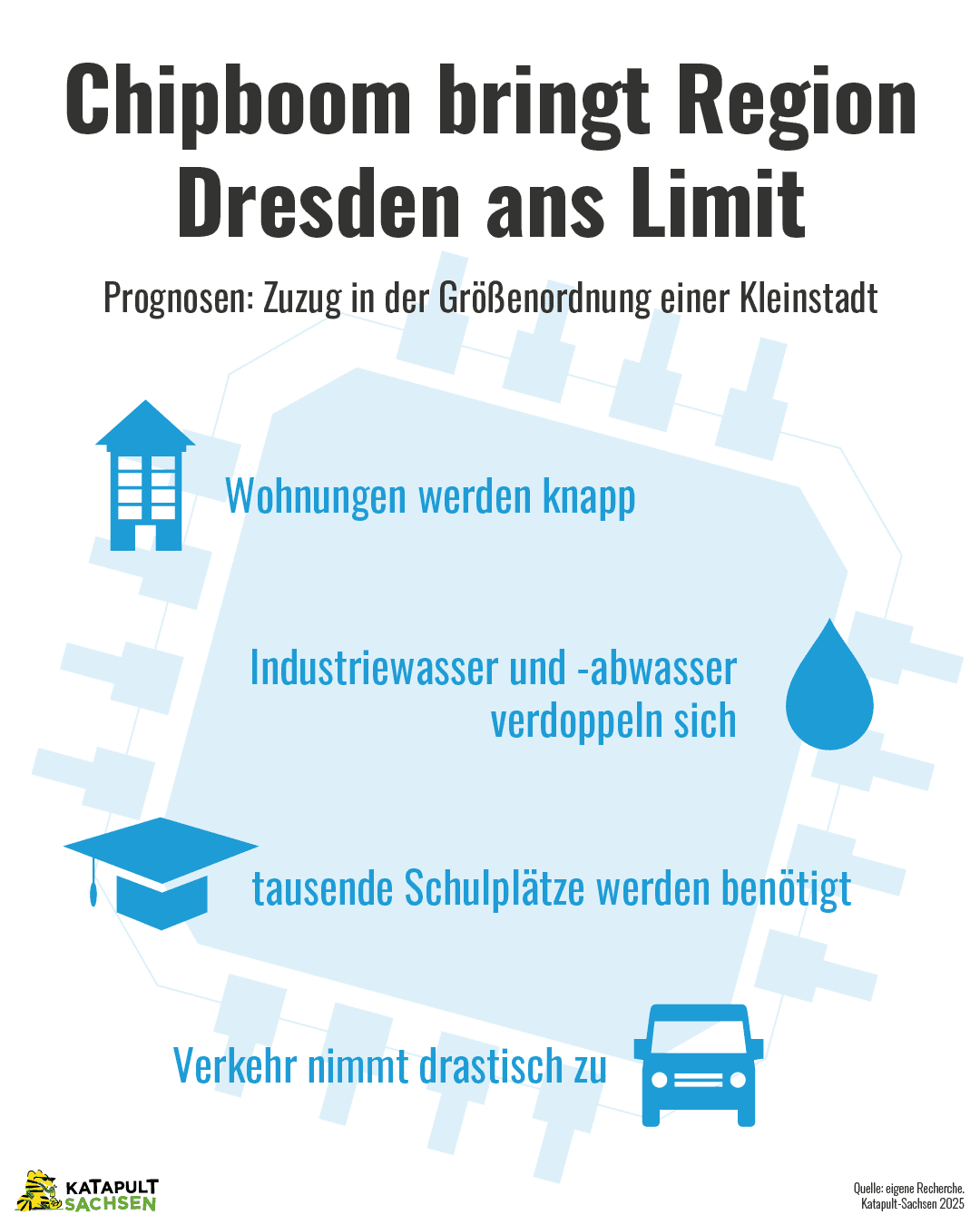
Hightech braucht Heimat: 24.000 neue Dresdner und kaum Wohnungen
Related Organisations





Related Projects
Related Events

MIPIM 2027

WohnZukunftsTag 2026

MIPIM 2026

C Change Summit 2025
Other topics in Finance, Business Models & Innovation



Have resources to share?
Help grow our knowledge base by submitting research, case studies, or other resources related to corporate-sector housing innovation.
Submit a Resource