Overview of the Resource
The document, published by Eurocities and authored by Mathias De Clercq, Mayor of Ghent, presents a policy‑focused case study on how European Union (EU) Cohesion funding has been channelled into neighbourhood‑level projects in Ghent, Belgium. Eurocities, a network of European city leaders, provides the platform for this analysis, which draws on research from the ESPON‑URDICO project to illustrate the impact of EU investment on sustainable urban development, particularly housing, climate adaptation and social inclusion.
EU Funding and Ghent’s Neighbourhood Strategy
Ghent leverages EU funds to implement an integrated, place‑based approach, linking climate‑resilient housing, mobility, employment and social services within single neighbourhood programmes. The city has accessed ERDF, ESF, Interreg, Urban Innovative Actions and URBACT streams, directing resources to projects such as the regeneration of the former docklands (Oude Dokken) and the “Rewild the City” initiative. This coordinated strategy enables the city to move from ambition to tangible action across 25 diverse neighbourhoods.
Sustainable Housing Initiatives
Key housing‑related outcomes include the ICCARus – Gent Knapt Op programme, which supports vulnerable homeowners in renovating dwellings and creates a revolving fund to improve housing affordability. EU co‑financing has also underpinned the construction of energy‑efficient residential units within regenerated areas, combining heritage preservation with modern, low‑carbon building standards. The integrated approach ensures that housing upgrades are coupled with green infrastructure, reducing energy demand and enhancing residents’ quality of life.
Climate Adaptation and Green Infrastructure
Through the BEGIN project, funded by Interreg North Sea, Ghent has installed blue‑green solutions such as permeable surfaces, rain gardens and restored watercourses. These measures improve flood resilience, increase urban biodiversity and contribute to cooling effects in dense districts. The “Rewild the City” pilot further demonstrates how EU support enables the removal of sealed surfaces and the creation of green corridors, aligning climate adaptation with sustainable housing goals.
Social Inclusion and Employment Linkages
The North‑Sea Port Talent programme, financed via Interreg, connects local employers with training providers to address labour market shortages, particularly in the transition to greener industries. By integrating employment support with housing and climate projects, Ghent ensures that vulnerable groups benefit from improved living conditions and new job opportunities, reinforcing the social dimension of sustainability.
Impact Data and Outcomes
- € hundreds of millions of EU Cohesion funds allocated to Ghent since 2021.
- Regeneration of former docklands delivering mixed‑use housing, public spaces and heritage preservation.
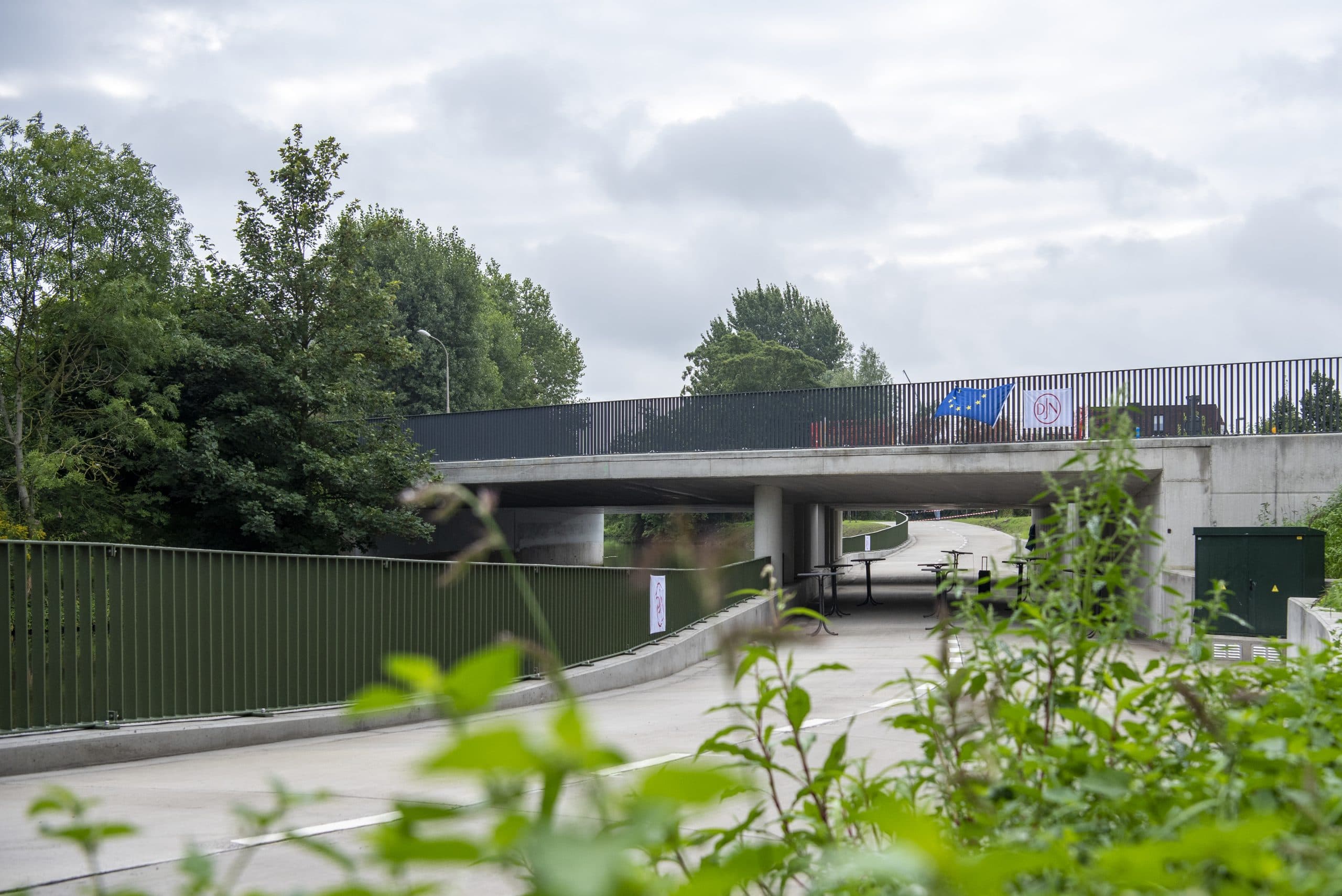
- Creation of two cycle and pedestrian bridges improving active mobility.
- Implementation of blue‑green infrastructure reducing flood risk across multiple neighbourhoods.
- Establishment of a revolving housing‑renovation fund supporting vulnerable owners.
Lessons for Future EU Budgets
The case underscores the importance of flexible, city‑centred funding mechanisms that allow municipalities to combine climate, housing, social and economic objectives. Recommendations include strengthening the urban dimension of the European Social Fund Plus, ensuring mandatory partnership principles in national and regional plans, and earmarking a minimum 11 % of the ERDF for sustainable urban development. These measures would enable cities across Europe to replicate Ghent’s integrated model for sustainable housing and climate‑resilient neighbourhoods.