A city of ilhas, tenants and newcomers
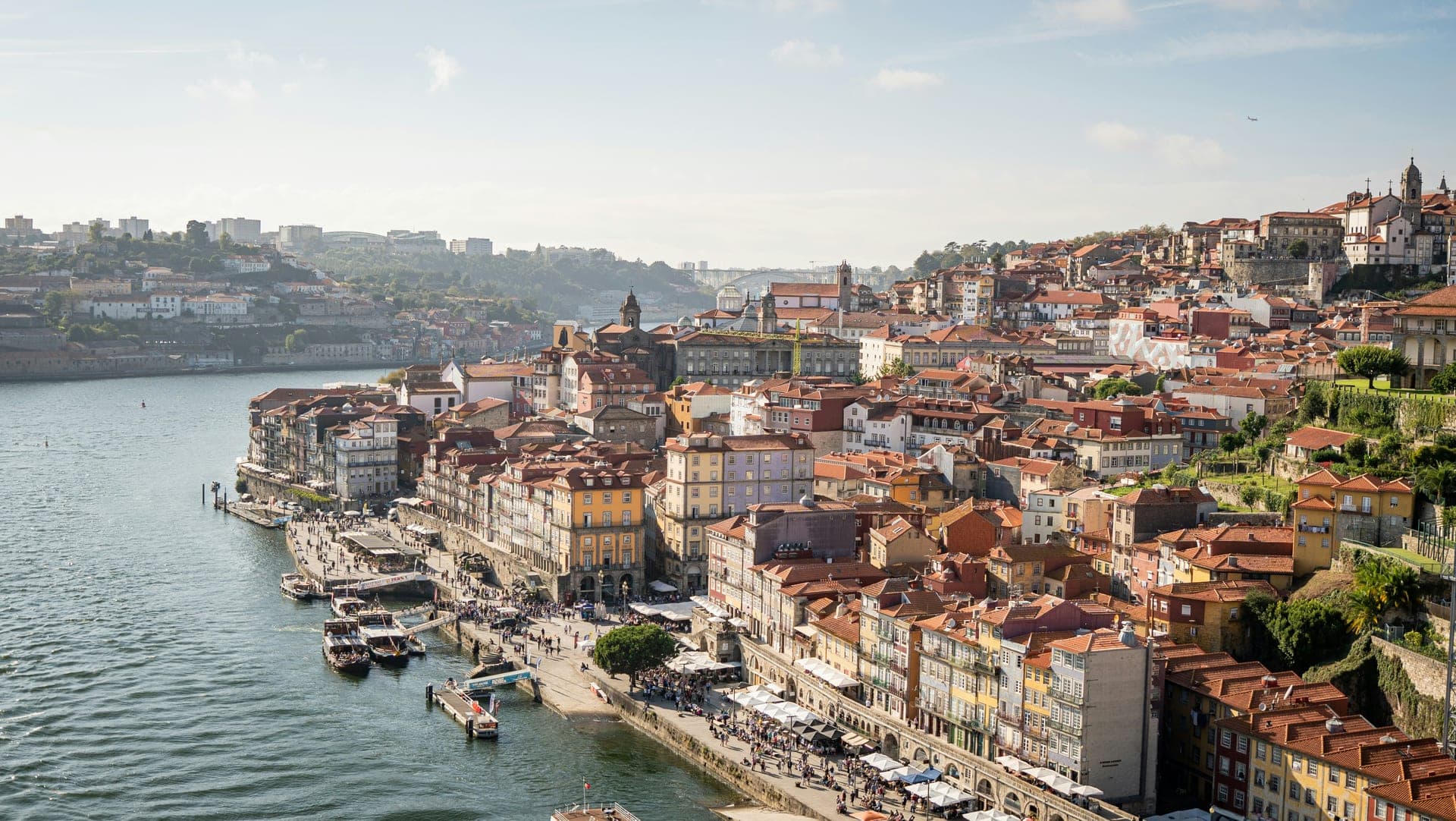
Porto grew up steep and crowded on the granite above the Douro. In the 19th century its textile mills drew workers from the countryside, and the city packed them into ilhas, rows of tiny one-storey houses hidden behind the street-front buildings of a single plot. By 1899 about a third of the city lived in them. A 2015 municipal survey still counted 957 ilhas, home to more than 10,000 people. How to house working Porto without pushing it out is an old question here, and it has returned.
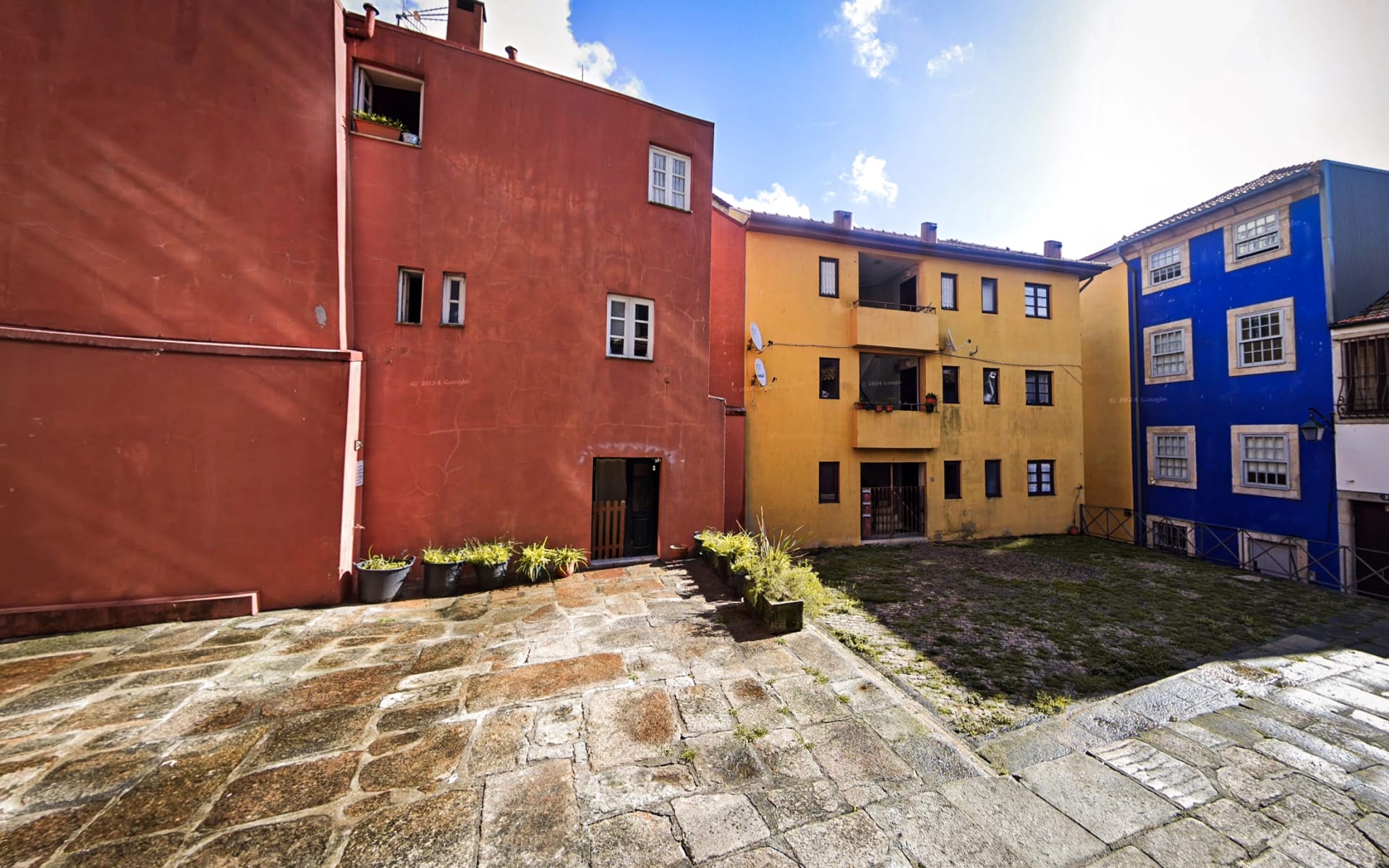
Porto's households split almost evenly between owners and tenants. The 2021 census found 50.1% owning their home and 43.2% renting, a far higher rental share than Portugal as a whole. The largest single landlord is the city itself: Domus Social, the municipal housing company, manages about 13,200 homes, or 9.5% of the stock. Cooperatives account for roughly 2,100 homes, about 1.5%. Private landlords let the remaining 32.2% of dwellings. The other 6.7% are occupied on other terms, the census category for homes lent by relatives or employers rather than owned or rented.
- Owners
- Owner-occupier50.1%
- Renters
- Public & non-profit rental9.5%
- Cooperative1.5%
- Private rental32.2%
- Other6.7%
- Other terms (e.g. lent free)6.7%
Social housing in Portugal is defined by who may live in a home and what they pay, not by who owns it. Under the renda apoiada (supported rent) regime, a tenant's rent is set as a share of household income. Counting the municipal stock, homes of IHRU (the state Institute for Housing and Urban Rehabilitation) and those of IPSS charities, about 11% of Porto's dwellings carry that kind of rule. Most sit inside the municipal slice above; the rest are spread across other landlords. Yet around 28% of households have incomes low enough to qualify, according to a 2018 national survey of housing need. Nationally, public social housing is a small fraction of the stock, as a comparative study of social housing in Denmark, Germany, Portugal and Serbia shows, so Porto's municipal share stands out.
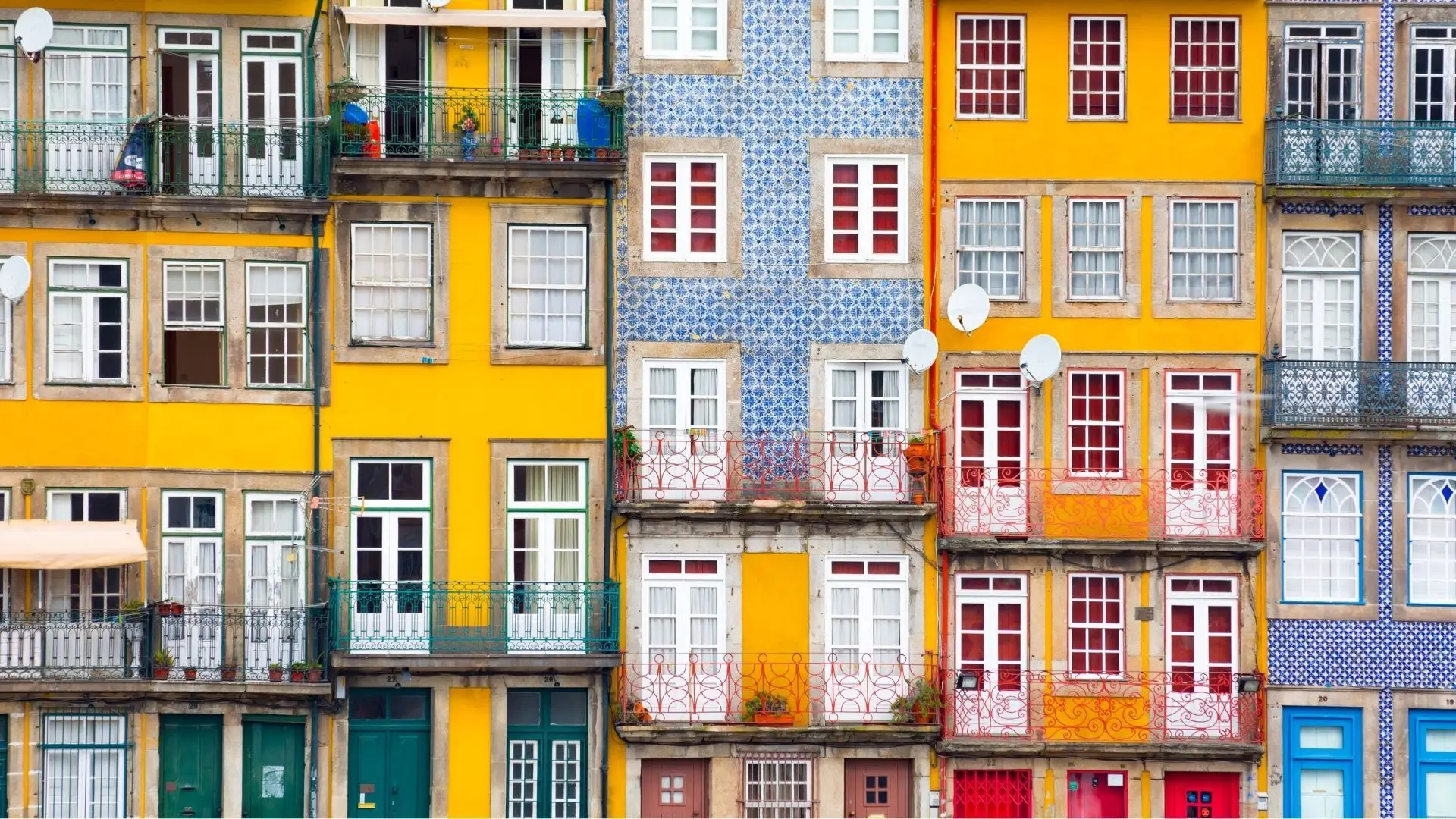
That layer explains the width of Porto's rent ladder. A Domus Social tenant pays around €1.65 per square metre on average. New private leases signed in 2024 had a median of €12.58. In the twelve months to March 2026 the median of 7,574 new contracts reached €14.29, up 5.5% on a year earlier, according to INE, the national statistics institute. In the parishes of the historic centre it was €15.17. A furnished one-bedroom flat, bills included, is advertised at about €950 a month.
- Public/municipal housing
- New contracts (2024)
- New leases, year to March 2026
- New leases, historic centre
Monthly rent per square metre by tier (net of bills). A municipal tenant pays about a tenth of what a new private lease costs, and the historic centre sits at the top.
Scarcity sits beside a great deal of empty space. The 2021 census recorded 17.8% of dwellings as vacant, some 22,000 homes, many of them old buildings awaiting inheritance settlements or repair. Offices are less of a reserve: about 9.1% of office floor stands empty, around 72,800 square metres. Tourism takes a visible share of the housing that is in use. A study of housing as investment in Southern Europe links that pressure to foreign capital arriving through golden visas and short-term letting. The council counts 10,821 registered short-term lets, and an estimated 7,884 whole homes are let to visitors for most of the year. In May 2026 the council began cancelling 1,413 registrations that lacked the insurance now required by law.
Demand has turned upwards after decades of decline. Porto lost residents for forty years after its 1981 peak. It now counts 273,476 people, 29,302 more than in 2021, and net migration of 33,457 has more than offset a surplus of deaths over births. Newcomers include students, remote workers and a growing Brazilian community. Supply has not kept pace with that arrival.
The squeeze falls hardest on the poorest. In 2025, 21.4% of Portuguese households in the lowest income fifth spent more than 40% of their income on housing, and so did 27.2% of tenants paying market rent. It has also reached middle earners. In July 2026 CCDR-N, the regional development commission for the North, published its figures on home-buying. Buying a median home on an average wage would take 73.5% of income across the region, and close to all of it in Porto. Nationally, 43.4% of people named housing as the country's main problem in an April 2025 poll, second only to health. In September 2024 about 5,000 people marched from Praça da Batalha to Aliados behind the Porta a Porta tenants' movement. Against that pressure, the city's cooperative tradition looks small, at about 1.5% of the stock.
From SAAL to the savings cooperative
Portuguese housing cooperatives are known as cooperativas de habitação económica (economic housing cooperatives), governed by a 1999 decree-law. They come in two forms. In propriedade individual (individual ownership), members save through the cooperative, which builds at cost and then sells each flat to its occupant. In propriedade coletiva (collective ownership), the cooperative keeps the building, and members hold a right of habitation or a cooperative tenancy. A University of Porto study of the sector found the first form overwhelmingly the most common. Collective ownership was used mainly by cooperatives born from SAAL, the 1970s resident-led programme, and only for their first schemes.
That history starts in 1974. Months after the revolution, the new government set up SAAL (the Local Ambulatory Support Service), which sent architects to work directly with residents' committees. In the North, 33 operations were planned for 11,500 families, yet only 370 homes were built before SAAL was wound up in 1976. Many of its architects came out of the Porto school now taught at the Faculty of Architecture of the University of Porto. The cooperatives picked up where SAAL stopped. Between 1973 and 1998, 19 cooperatives built 4,206 homes in the municipality, from Habece and Ceta in 1977 to the Cidade Cooperativa da Prelada, opened in 1993. Councils granted most of the land in direito de superfície (a long lease of building rights) or sold it cheaply. By the late 1990s, the study noted, those municipal land banks were practically exhausted. The sociologist Virgílio Borges Pereira counts more than 4,000 cooperative homes across Aldoar, Ramalde and Paranhos, not all of them for poorer households.
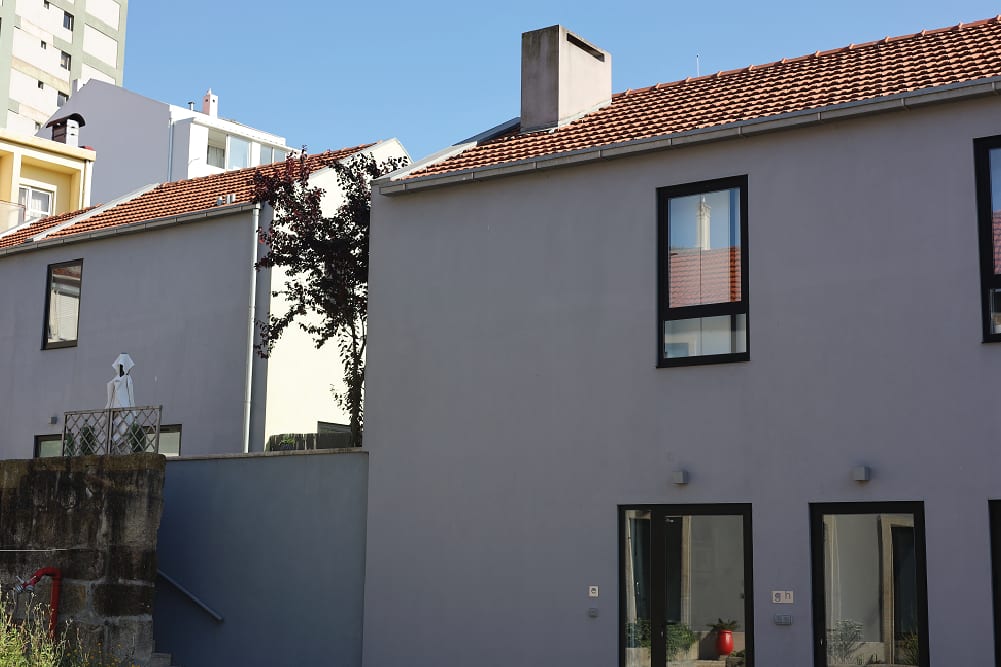
Today the sector looks very different from its peak. FENACHE, the national federation founded in 1982, says cooperatives have built close to 200,000 homes in Portugal, but only 32 of its members still build regularly. Three groups are active around Porto, and they face different problems. The veterans, such as Ceta, still build for members at controlled cost. In 2023 the council leased Ceta a 2,200 m² plot in Campanhã for 40 homes over 70 years, but the scheme still awaits a change to the plot's subdivision. A new wave of developer-led cooperatives sells at cost to members; their obstacle is land prices. A third group argues for collective ownership that never returns to the market. Rede Co-Habitar, a national network for collaborative housing, leads that case, and its president Vattani Saray-Delabar calls it utopian only for lack of political will. All three depend on cheap land and credit, and ageing member lists are a further problem for the first.
Cooperatives are meant for the person who does not have the money to buy a home on the traditional market, but who also does not want, or cannot, live in a social housing estate, because the income they declare is too high to qualify for that kind of support.National policy has begun to open the third route. The 2023 Mais Habitação (More Housing) law created a new generation of cooperatives in collective, indivisible ownership, on state land leased for at least 75 years. Its pilots sit on IHRU sites in Setúbal and in Vila Nova de Gaia, across the river from Porto. Porto itself has been more cautious. In January 2026 the Municipal Assembly rejected a Communist-led proposal to lease at least 10 municipal plots to cooperatives and residents' associations. A review of international policies to promote cooperative housing shows how much depends on that choice: long land leases, public guarantees and caps on resale are what keep such homes affordable elsewhere.

Affordable rent, short lets and who builds
Porto has been governed since November 2025 by Pedro Duarte, whose PSD, CDS and Liberal Initiative coalition won the October election. Gabriela Queiroz is the councillor for housing and also chairs Domus Social. The city's headline target is to reach about 1,600 affordable-rent homes by 2029, roughly four times today's 500. It plans to get there through Porto Vivo SRU, the municipal urban rehabilitation company, by leasing homes from private owners, by building, and through build-to-rent partnerships. Duarte has also said the city must moderate the pace of new high-density building and favour rehabilitation instead.
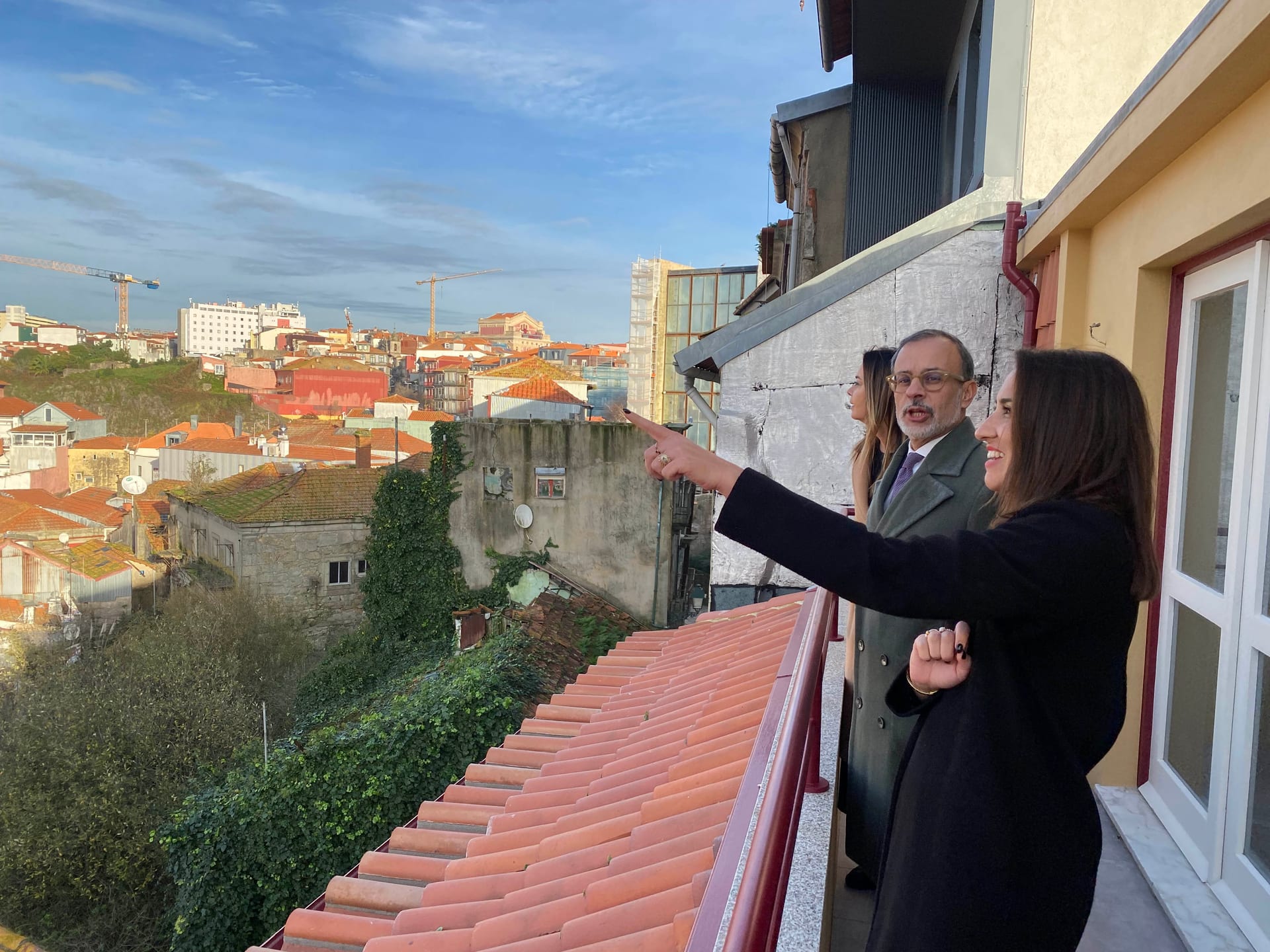
The levers are split between Lisbon and the city hall. National government writes tenancy law, sets taxes and funds most public building. Its Construir Portugal (Build Portugal) package of May 2024 set out 30 measures, from tax breaks for young buyers to public land for cooperatives. It later promised 59,000 public homes by 2030, against 26,000 in the EU recovery plan, the PRR. Some 10,000 had been delivered by July 2025, with the 26,000 due under the 1.º Direito (First Right) programme by June 2026. In March 2026 the government approved a 6% VAT rate on building homes for sale or moderate rent. The municipality holds land, planning and its own landlords. Its local housing strategy found 3,000 households in unfit housing, and a 2020 agreement with IHRU funds the rehousing of 1,740 of them.
In several ways: with private owners, through the rehabilitation carried out by the urban rehabilitation company Porto Vivo SRU, through new construction and through public-private build-to-rent partnership models.The opposition wants the council to build and own more itself. The Left Bloc argues for public housing rather than public-private partnerships. In July 2026 the Socialist councillors voted against selling two municipal buildings that could have held affordable homes. Cooperatives sit awkwardly in this debate. Construir Portugal promised them public land, but in Porto the only recent surface-right lease went to Ceta, and the wider programme was voted down.
Don’t tell me the municipality has no money, it’s a question of priority. It is not for financial reasons that there is no public housing.Empty buildings and holiday lets are the other front. Decree-Law 76/2024 handed municipalities the power to regulate Alojamento Local (short-term letting), including freezes of up to a year. Porto moved at once, suspending new registrations in the historic centre and Bonfim in October 2024, and in 2026 it began cancelling non-compliant ones. Research on Portugal links the Airbnb boom to sharp house-price rises in the tourist parishes of Lisbon and Porto. On vacancy, the forced-letting power of Mais Habitação was revoked in 2024. Porto relies instead on Porto Vivo's rehabilitation of empty buildings and a lease-and-sublet scheme with private owners, the kind of incentive that a comparative guide to tools for vacant housing sets beside taxes and registers.
Climate goals run through the same buildings. In 2022 Porto was chosen as one of the EU's 100 climate-neutral and smart cities by 2030, and in 2024 it received the EU Mission Label for its plan. Its Pacto do Porto para o Clima (Porto Climate Pact) foresees more than €1.7 billion of mitigation investment. The municipal estates are the obvious place to start. With about 30,000 residents in 48 estates, Domus Social is the largest single owner that can retrofit at scale.
- Aug 1974[source]
SAAL begins
The revolutionary government creates SAAL, sending architects to work with residents’ committees. In the North, 33 operations are planned for 11,500 families.
- Oct 1976[source]
SAAL wound up
SAAL is dissolved. At Bouça only 56 of 128 planned homes are finished.
- 1993[source]
Cidade Cooperativa da Prelada
An inter-cooperative scheme of 591 homes opens, the peak of Porto’s cooperative building wave.
- Nov 2004[source]
Porto Vivo SRU founded
The city and the state create an urban rehabilitation company for the historic centre.
- 2006[source]
Bouça completed
The remaining 72 homes of Siza’s SAAL neighbourhood are finished, three decades late.
- Nov 2012[source]
Rent law reform
Law 31/2012 liberalises old rent contracts and speeds up evictions.
- Sep 2019[source]
Housing Framework Law
Law 83/2019 sets housing out as a right the state must guarantee.
- May 2024[source]
Construir Portugal
The national government presents 30 housing measures, including public land for cooperatives.
- Oct 2024[source]
Short-let freeze
Porto suspends new short-term let registrations in the historic centre and Bonfim.
- Oct 2025[source]
New city government
Pedro Duarte’s centre-right coalition wins the local election.
- Jun 2026[source]
PRR deadline
Deadline for 26,000 homes for vulnerable families under 1.º Direito.
- 2029[source]
Affordable-rent target
The council aims to reach about 1,600 affordable-rent homes by the end of its term.
- 2030[source]
Climate and housing targets
Porto aims for climate neutrality; the national government targets 59,000 public homes.
From a resident-led building programme after the revolution, through rent liberalisation and a tourism boom, to affordable-rent targets and a climate deadline.
From Bouça to Campanhã
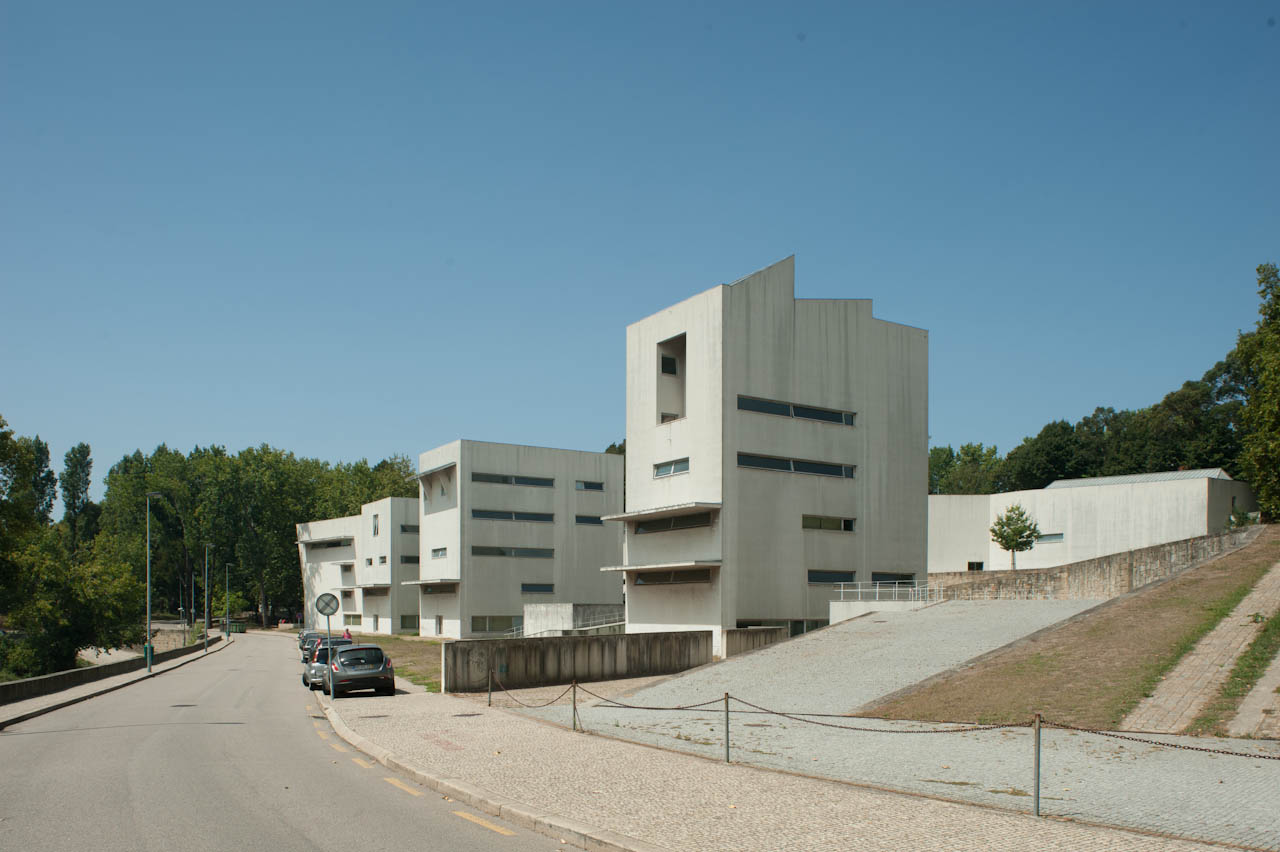
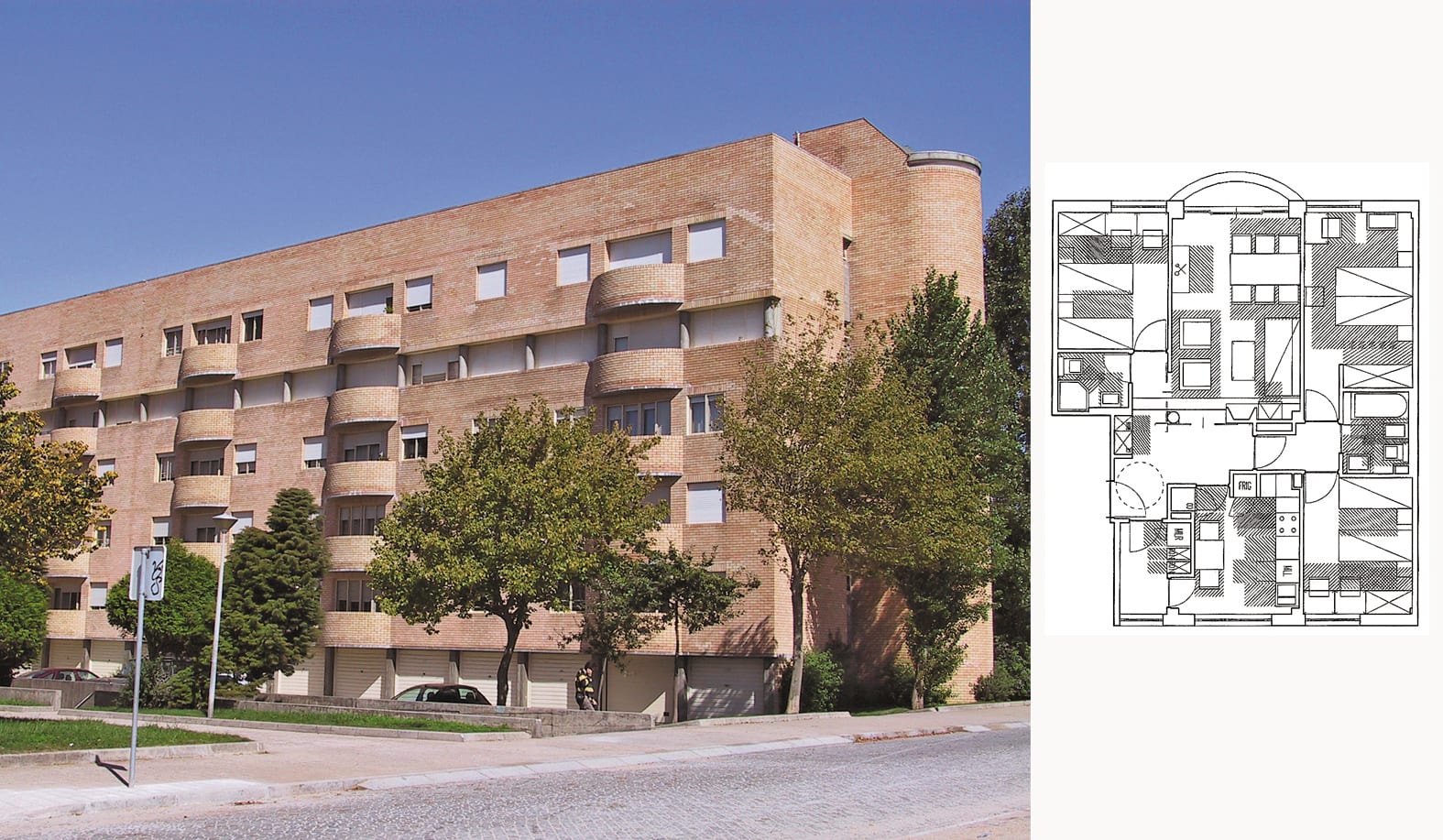
Bairro da Bouça is where the city's modern argument about housing began. Álvaro Siza designed it with residents under SAAL, as four long rows of terraced homes. Only 56 of the 128 homes were built before the programme ended in 1976. Work resumed in 2004, and the last 72 homes were finished in 2006. The residents' Cooperativa das Águas Férreas still gives the estate its official name. Bouça shows both the promise of resident-led design and how long it can take without steady finance.
Cidade Cooperativa da Prelada was the cooperative movement's high point. Built jointly by several cooperatives and opened by the President of the Republic in 1993, it brought 591 homes to one district of the city. Its builders then ran out of cheap municipal land, and Porto's cooperative output slowed to a trickle. That scarcity is why the plot now leased to Ceta in Campanhã matters. Its 40 homes, for members only and at controlled cost, would be the first cooperative scheme on municipal land in years.
Hera.coop, in Carvalhido, represents the new wave. Its promoter Mome plans 96 homes sold to members at cost, which it put at about 20% below the market. It follows a smaller cooperative of 13 houses across the river in Gaia. These homes pass into individual ownership, so their price advantage goes to the first buyers rather than staying with the building.
Domus Social is the city's largest landlord, and its estates hold roughly one resident in nine. Rents follow income, so its homes are the floor of Porto's rent ladder. The estates range from post-war blocks to the replacements for Bairro do Aleixo, whose towers the city began dismantling in 2019. Retrofitting that stock is the biggest single housing task in the city's climate plan.
Porto Vivo SRU carries the affordable-rent programme Porto com Sentido (Porto with Meaning). Since November 2020 it has let 436 homes at an average of €480 a month, mostly in rehabilitated buildings or flats it leases from private owners and sublets. Its largest partner schemes are in Campanhã, the eastern district the city wants to revive. Cartes Living, by Sonae Sierra and Solive, will add 331 homes at rents from €537 to €971 a month by 2029. Nearby, Jardins do Oriente, funded by the insurer Ageas, will offer 124 affordable-rent homes out of 151.
References
Statistics13Click on any number to see the source
Housing market
Tenure & affordability
Cooperative, social & public
Adaptive reuse & vacancy
Population & migration
From our library13
- Domus Social — Organisation
- Social housing opportunities and challenges: Perspectives from Denmark, Germany, Portugal and Serbia — Knowledge
- Estatísticas de Rendas da Habitação ao Nível Local – 1.º trimestre de 2026 — Knowledge
- Housing as investment in Greece and Southern Europe - Private profit versus social value — Knowledge
- Faculty of Architecture of University of Porto — Organisation
- Um novo século, um recorrente, recomposto e desafiante problema habitacional portuense — Knowledge
- FENACHE - Federação Nacional de Cooperativas de Habitação — Organisation
- CETA – Cooperativa de Habitação Económica — Organisation
- Rede Co-Habitar — Organisation
- International policies to promote cooperative housing — Knowledge
- Porto Vivo SRU — Organisation
- The impact of Airbnb on residential property values and rents: Evidence from Portugal — Knowledge
- Tools to Deal with Vacant Housing — Knowledge
Further sources46
- pt.wikipedia.org — pt.wikipedia.org
- domussocial.pt — domussocial.pt
- ine.pt — ine.pt
- observador.pt — observador.pt
- retratos.pordata.pt — retratos.pordata.pt
- tradingeconomics.com — tradingeconomics.com
- tradingeconomics.com — tradingeconomics.com
- observador.pt — observador.pt
- statista.com — statista.com
- cnnportugal.iol.pt — cnnportugal.iol.pt
- cgd.pt — cgd.pt
- ler.letras.up.pt — ler.letras.up.pt
- pt.wikipedia.org — pt.wikipedia.org
- domussocial.pt — domussocial.pt
- fenache.com — fenache.com
- fenache.com — fenache.com
- noticiasaominuto.com — noticiasaominuto.com
- especiais.poligrafo.pt — especiais.poligrafo.pt
- portaldahabitacao.pt — portaldahabitacao.pt
- cidadedoporto.pcp.pt — cidadedoporto.pcp.pt
- en.wikipedia.org — en.wikipedia.org
- cidadedoporto.sapo.pt — cidadedoporto.sapo.pt
- vidaimobiliaria.com — vidaimobiliaria.com
- eco.sapo.pt — eco.sapo.pt
- eco.sapo.pt — eco.sapo.pt
- eco.sapo.pt — eco.sapo.pt
- portugal.gov.pt — portugal.gov.pt
- eco.sapo.pt — eco.sapo.pt
- domussocial.pt — domussocial.pt
- observador.pt — observador.pt
- observador.pt — observador.pt
- ecija.com — ecija.com
- cmjornal.pt — cmjornal.pt
- pactoparaoclima.porto.pt — pactoparaoclima.porto.pt
- research-and-innovation.ec.europa.eu — research-and-innovation.ec.europa.eu
- domussocial.pt — domussocial.pt
- agenda-porto.pt — agenda-porto.pt
- portovivosru.pt — portovivosru.pt
- portaldahabitacao.pt — portaldahabitacao.pt
- eco.sapo.pt — eco.sapo.pt
- ceta.pt — ceta.pt
- dinheirovivo.dn.pt — dinheirovivo.dn.pt
- observador.pt — observador.pt
- eco.sapo.pt — eco.sapo.pt
- jornaleconomico.sapo.pt — jornaleconomico.sapo.pt
- sapo.pt — sapo.pt
Funding & land tenure
What a housing cooperative could actually build on herePorto is not in the funding registry yet — the tenure figures above are national.