The city the tourists found
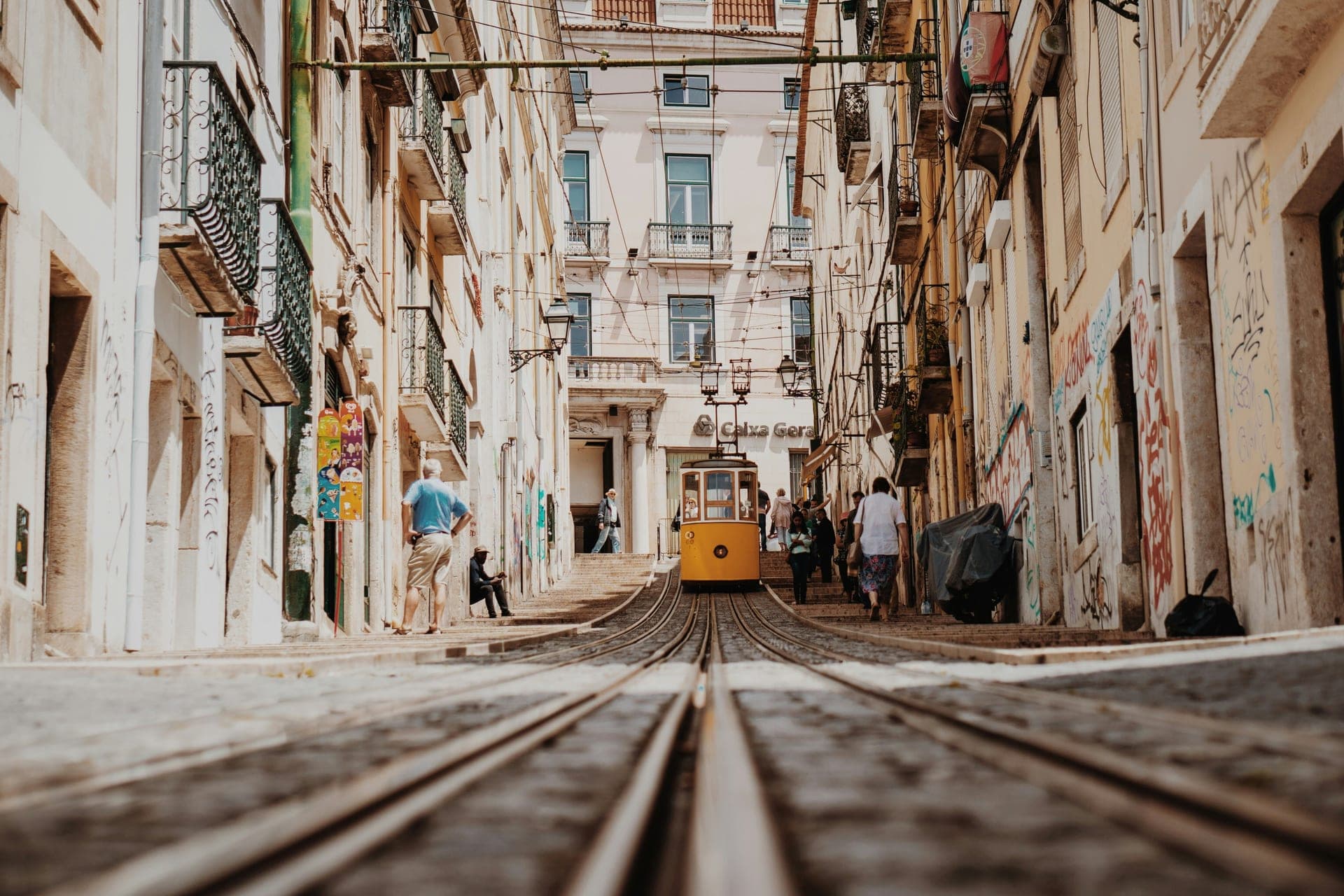
Lisbon is a city of seven hills, painted tiles and yellow trams, a capital of about 658,236 people that draws millions of visitors a year to its riverfront and its historic core. That popularity is now the heart of its housing problem. Cheap by Western-European standards a decade ago, the city became a magnet for tourists, remote workers and foreign buyers, and local incomes never kept pace. The result is a market where most people own their home yet the next generation struggles to find one.
Ownership dominates Lisbon, and the rental tier beneath it is thin. Owner-occupiers make up 51.4% of households, while tenants account for 41.3%. Municipal landlords hold roughly 7.8% of dwellings, some 23,900 flats managed by the city housing company. Cooperatives are a tiny formal tenure at about 0.2%, around 600 homes across 15 active cooperatives, even though cooperatives built far more over the decades and most of that stock converted to ownership. Private landlords let the remaining 33.3%, with the small residual living rent-free or under loaned and other non-market arrangements — a distinct category the Portuguese census records under outra situação.
- Owners
- Owner-occupier51.4%
- Renters
- Public & non-profit rental7.8%
- Cooperative0.20%
- Private rental33.3%
- Other7.3%
- Other / free use7.3%
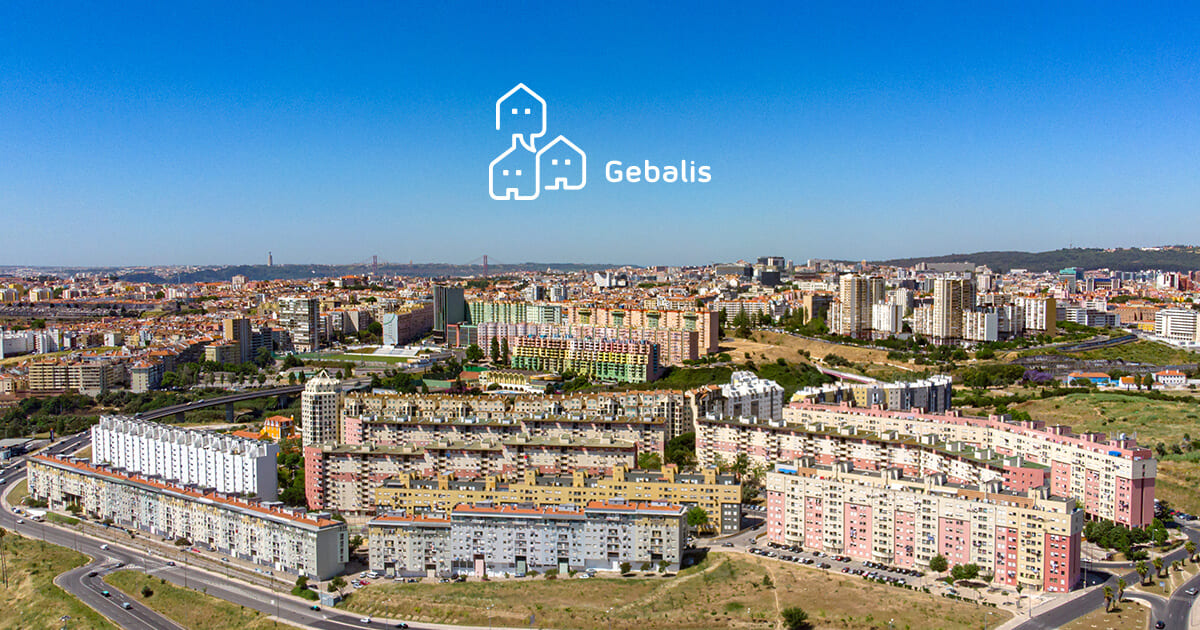
Social housing in Lisbon is a regulatory layer, not a tenure of its own. About 9.5% of dwellings carry a social-housing rule, a wider figure than the public-tenure slice because the city's affordable-rent contracts reach into privately-built blocks too. The municipal stock managed by Gebalis sits at the core of it, let on income-based rents to lower-income tenants. The need is far larger than the supply: a national survey found roughly a quarter of Lisbon households would qualify for housing support.
Move across Lisbon's tenures and the price per square metre swings violently. Tenants in municipal flats pay around €1.85 per square metre on income-based rents. Members of the older cooperatives pay about €6.50, close to the all-stock median of €7.10. A newly-signed private contract, by contrast, asks a median €16 per square metre, and furnished, serviced lets reach €19.50 gross. The distance from the municipal floor to a new market contract is more than eight to one — the whole affordability problem in a single line.
- Public/municipal housing
- Cooperative
- All-stock median
- New contracts
- Furnished / serviced (gross)
Net-cold monthly rent per square metre by tier (furnished is gross, all-in). The income-based municipal rent sits far below the market; a newly-signed private contract runs more than eight times the municipal rate, the widest gap of almost any European capital.
Empty homes sit beside the shortage, an uncomfortable pairing. By the 2021 census, about 15.4% of Lisbon's dwellings stood vacant, some 48,000 unoccupied dwellings, much of it ageing or inherited stock in need of repair. Offices have space too: around 308,470 square metres stand vacant, roughly 6.6% of the office stock. The sharper pressure is tourism. Lisbon's full-time entire-home short-term rentals number an estimated 11,304 dwellings, a sizeable slice of the city's residential stock effectively withdrawn from the long-term market, heavily concentrated in Alfama, Bairro Alto and the historic centre. A study of the 2018 short-term-rental zoning freeze finds it measurably cut local property values, evidence that the tourist market sets prices in the core.
There is a huge housing crisis today. This is a social emergency.Newcomers keep arriving faster than homes appear. Each year the city gains roughly 14,200 people a year through net inbound migration yet issues only about 2,200 housing permits a year, far short of need. By now the strain reaches well past the poorest. Lisbon rents jumped 65% and sale prices 137% between 2015 and 2023, against wages that barely moved in a country where most workers earn under €1,000 a month. The squeeze on incomes is among the harshest in Europe: a Europe-wide ranking of cities by rent-to-salary ratio puts Lisbon's average rent above a typical local monthly salary, a deficit before food is bought. Tenants bear the brunt, with rents in cities like Lisbon rising 50% to 100% over a decade and many households spending more than 40% of income on rent.
From the brigades to the Rede Co-Habitar
The Portuguese cooperative is the cooperativa de habitação, a housing cooperative whose members organise to build or manage homes collectively rather than buy on the open market. Most operate close to a cost-rent or cost-ownership logic: members pool resources, build at cost, and keep the homes out of the speculative market. The Lisbon model now being relaunched is land-leased — the city keeps the plot and the cooperative builds on it — which keeps the price of the land out of the price of the home.
The tradition is rooted in the revolution. After 25 April 1974, the SAAL brigades sent architects into the ilhas and shanty districts to build with residents rather than for them, a model whose echoes still shape Portuguese cooperative practice. The form built steadily through the 1980s, then fell dormant for a quarter of a century as ownership and the open market took over. The contemporary revival is young, small, and self-consciously a return to that participatory inheritance.
Today the sector clusters into three loose groups with different problems. The federated tradition is represented nationally by FENACHE, the national federation of economic housing cooperatives, which carries the cost-housing inheritance and the SAAL memory. A second cluster is the new cohousing wave — member-led groups such as the project at Adro, knitted together by the Rede Co-Habitar network that connects cooperatives to promote non-speculative, collectively managed housing. A third strand runs through architecture-and-advocacy practices like ateliermob, whose cooperative arm builds for the people the market ignores. The federated coops struggle with land and an ageing model; the new cohousing groups struggle with finance and the sheer scarcity of affordable land in a tourist city.
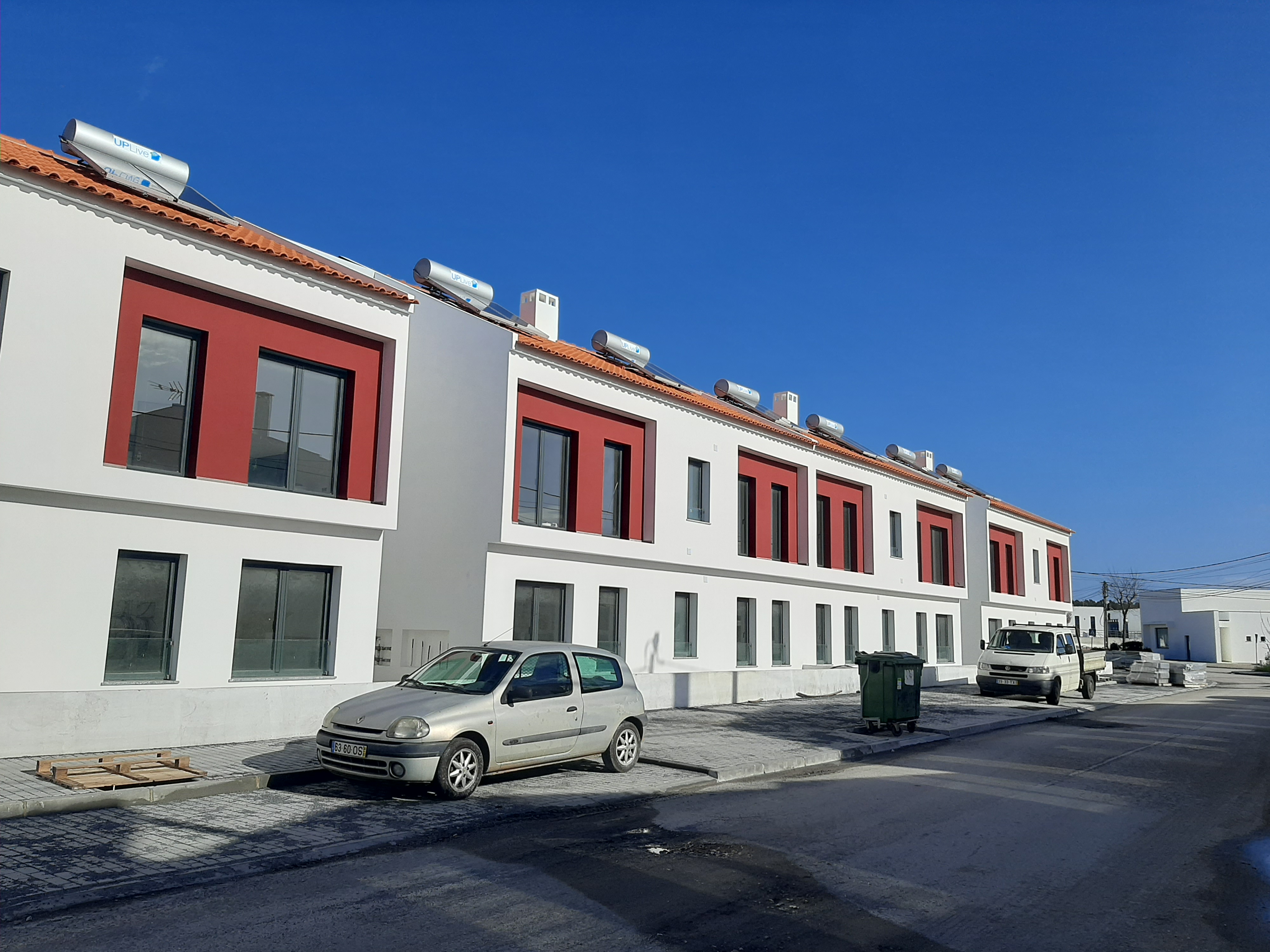
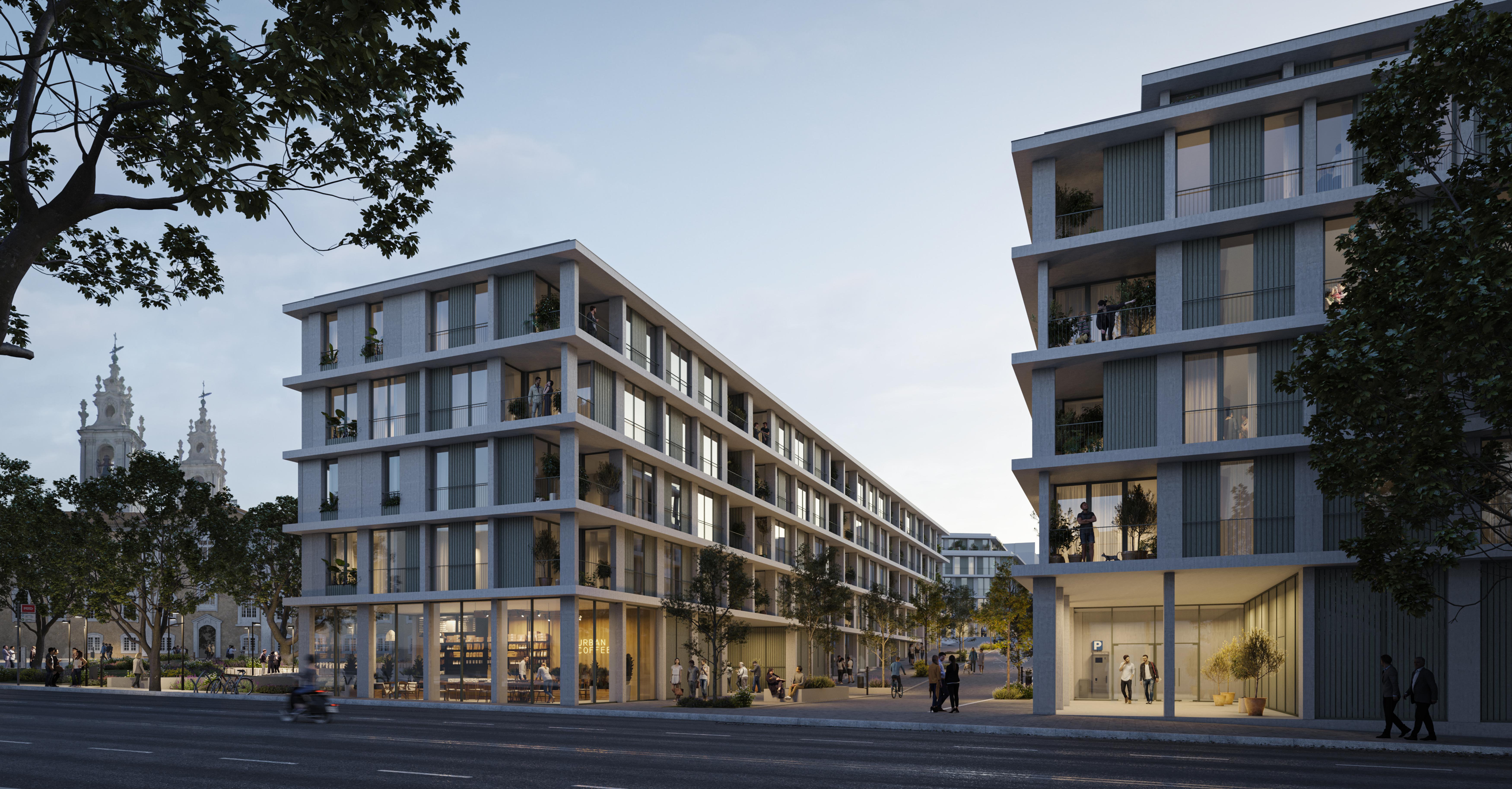
Where the cooperative sits in Lisbon's plans leads straight into city hall. Lisbon now treats the cooperative as a deliberate affordable-housing channel after decades of neglect: it leases municipal land on long terms, carries the design and licensing costs, and asks resident cooperatives to build at cost. The pan-European interest in member-led, non-speculative finance is exactly the territory Lisbon is testing, and the cooperative revival here is being watched as a southern-European test bed.
A city of programmes, short of homes
Lisbon's housing politics is a politics of delivery, not of ideas. Carlos Moedas of the centre-right PSD has led the city since 2021 and was re-elected in October 2025, with Vasco Moreira Rato holding the housing and urban-planning brief in the 2025-2029 executive. The administration's headline answers are the affordable-rent programme, the cooperative relaunch, and partnership with private developers. Its flagship cooperative scheme leases city land to resident cooperatives for 90 years and carries the design costs, with about 300 homes in the pipeline across five districts.
Responsibility for housing in Lisbon is split between the municipality and the state. The city owns land, runs Gebalis and the affordable-rent and cooperative schemes; the national government sets the law and the money. The 2018 New Generation of Housing Policies recognised housing as a right and launched the 1.º Direito co-funding programme. The 2023 Mais Habitação package added tax breaks to shift short-term lets back to long-term rental and froze new alojamento local licences in pressured areas. A new government then folded much of it into the Construir Portugal strategy in 2024, leaning on roughly €2.7bn of Recovery and Resilience Plan money that must be spent by 2026.
The cooperative sits deliberately inside this programme. By leasing land rather than selling it and absorbing the design and licensing costs, the city tries to make member-led building pencil where the market does not. It is a frank arrangement: the council provides the land and the paperwork, the future residents carry the construction cost, and the homes come out well below market price. The model is small but explicitly a way to add affordable supply the budget could not build directly.
Lisbon's idle stock now has a policy reply, even if an incomplete one. Mais Habitação's vacant-property incentives, the alojamento local freeze, and the conversion of empty offices and old institutional buildings all aim to put idle stock back to use. Marvila, the eastern riverside regeneration zone, is the principal new-supply pipeline, mixing affordable rent and cooperative components on former industrial land. There is no broad vacant-homes tax, and Europe's wave of office obsolescence is a conversion frontier Lisbon has barely begun to use.
For Lisbon, decarbonising the stock and housing people have become one and the same problem. Lisbon's housing stock averages around 55 years old, only about 14% of dwellings are energy-efficient, and the renovation rate crawls at roughly 0.6% a year — far below the EU's deep-retrofit ambition under the recast buildings directive. Energy poverty touches an estimated 18% of households. Affordable-rent and cooperative new-build are the main vehicles for cutting the sector's carbon, which ties the climate goal directly to the non-market tier the city is trying to grow.
- 1974-1976[source]
The SAAL brigades
After the 25 April 1974 Carnation Revolution, architect-led brigades work directly with residents of the ilhas and shanty districts. In 26 months they produce roughly 170 projects involving more than 40,000 families, the founding moment of participatory housing in Portugal.
- 2012[source]
Rental liberalisation
A new urban-lease law eases rent rules and short-stay conversions. In central districts like Alfama and Bairro Alto, apartments shift to tourist lets, and rents in some neighbourhoods double over the following years.
- 2018[source]
New Generation of Housing Policies
The national framework recognises housing as a right and launches the 1.º Direito programme to co-fund municipal and affordable housing. Lisbon also pilots a short-term-rental zoning freeze in the most saturated historic zones.
- 2019[source]
Programa de Renda Acessível launched
Lisbon opens its flagship affordable-rent programme, capping tenant rent at 30% of income, with a stated ambition of thousands of homes through public-private delivery.
- Oct 2023[source]
Mais Habitação package
Parliament passes the Mais Habitação package — tax breaks to shift short-term lets back to long-term rental, a freeze on new alojamento local licences in pressured areas, and incentives to mobilise vacant property.
- 2024[source]
Construir Portugal strategy
A new government replaces parts of Mais Habitação with the Construir Portugal strategy — 30 measures and a public-construction push backed by roughly €2.7bn of Recovery and Resilience Plan funding to be spent by 2026.
- 2025[source]
Cooperative relaunch on city land
Lisbon City Council relaunches cooperative housing after a 25-year pause, leasing municipal plots to resident cooperatives on 90-year terms and carrying the design and licensing costs itself; about 300 cooperative homes enter the pipeline across five districts.
- Oct 2025[source]
Moedas re-elected
Carlos Moedas is re-elected mayor and his 2025-2029 executive takes office, staking its housing answer on cooperatives, affordable rent and partnership with private developers.
- 2026[source]
PRR housing deadline
The Recovery and Resilience Plan's housing component must be spent by 2026, the binding horizon for the public-construction surge that the national strategy depends on.
- Feb 2026[source]
40% of short-let registrations cancelled
Lisbon cancels 6,765 of its roughly 19,000 alojamento local (short-term rental) registrations. Their owners had not shown the civil-liability insurance required since March 2025.
- May 2026[source]
National housing tax relief enacted
President António José Seguro signs the government's housing tax decree. It cuts income tax on moderate rents, up to €2,300 a month, from 25% to 10%, and lowers VAT on new housing construction to 6%.
- 2030[source]
EU energy-performance horizon
Under the recast Energy Performance of Buildings Directive, Portugal must lift the worst-performing stock and raise the renovation rate well above its current crawl — a target Lisbon, with old buildings and an EU-low renovation pace, is far from.
From the SAAL self-build brigades of the revolution, through the post-2012 tourism boom and the empty-homes problem, to the cooperative relaunch and the national Construir Portugal strategy.
In Lisbon the argument has moved past whether to intervene and onto who should do the building. The councillor for housing, Vasco Moreira Rato, frames the answer as everyone at once — public construction, affordable rent, and the private market together — because the city cannot build at the scale needed alone. Rita Silva of the Habita housing-rights movement frames it as a social emergency that markets cannot fix, and argues for public provision and rent control rather than private provision with incentives. Neither side disputes that the non-market tier has to expand; what divides them is whose hands build it, and at what price.
We will all be too few to try to solve this problem, whether it be private market housing, housing developed by private developers with affordable components — that is, affordable housing — or the construction, ownership, and management of contracts by the municipality or even by central government.From SAAL to Marvila: where the alternative is being rebuilt
Lisbon's working examples run from giant riverside regenerations to tiny self-built collectives, and the thread that connects them is a city relearning the non-market form after letting tourism rewrite its centre. The projects below begin with the most municipally-driven schemes and move outward to the most self-organised, before naming the actors trying to make the model repeatable.
Marvila is the clearest sign of the new municipal ambition, and its clearest caveat. The eastern riverside district is the city's main new-supply pipeline, converting former industrial land into mixed-tenure housing with affordable-rent and cooperative components. The friction is the gap between promise and delivery. The Programa de Renda Acessível, the affordable-rent programme that caps tenant rent at 30% of income, set out to deliver thousands of homes through public-private partnership; years in, it had delivered only hundreds, and critics argue its market logic serves developers more than the priced-out residents it was meant to reach.
The Lumiar cooperative is the relaunched member-led model made concrete. On a plot in northern Lisbon, the city leases land to a resident cooperative for 90 years and carries the architectural and licensing work, with 18 homes planned and a small social space. The caveat is the price: even at cost, the apartments are pitched at intermediate-income families, with sale prices running from roughly €146,000 for a one-bedroom to €289,000 for a three-bedroom — affordable for the squeezed middle, but out of reach for the lowest-income tenants the municipal stock serves.
Adro carries the contemporary cohousing strand. Backed by the Rede Co-Habitar network and the post-SAAL participatory tradition, it is a member-led project that tries to build a small, collectively-managed community at affordable cost. Its constraint is the one every new cooperative here faces: finance is improvised and affordable land in a tourist city is desperately scarce, so the scale stays small even where the will is large. Architecture practices such as MASSLAB and Oitoo work this same frontier, designing for reuse and community rather than the speculative market.


Adaptive reuse is the answer to the empty-buildings problem, and Lisbon has begun to test it. The Convento do Desagravo conversion turns a historic convent into public housing, merging preservation with the city's housing goals — though heritage conversions are slow and costly, and rarely produce cheap homes at scale. Vila Dias, a renewal of a historic working-class quarter, brings 72 new units through phased redevelopment, the kind of vila operária regeneration that fits Lisbon's grain. Both show how readily the city's heritage shells can become homes, and how rarely those homes are cheap.
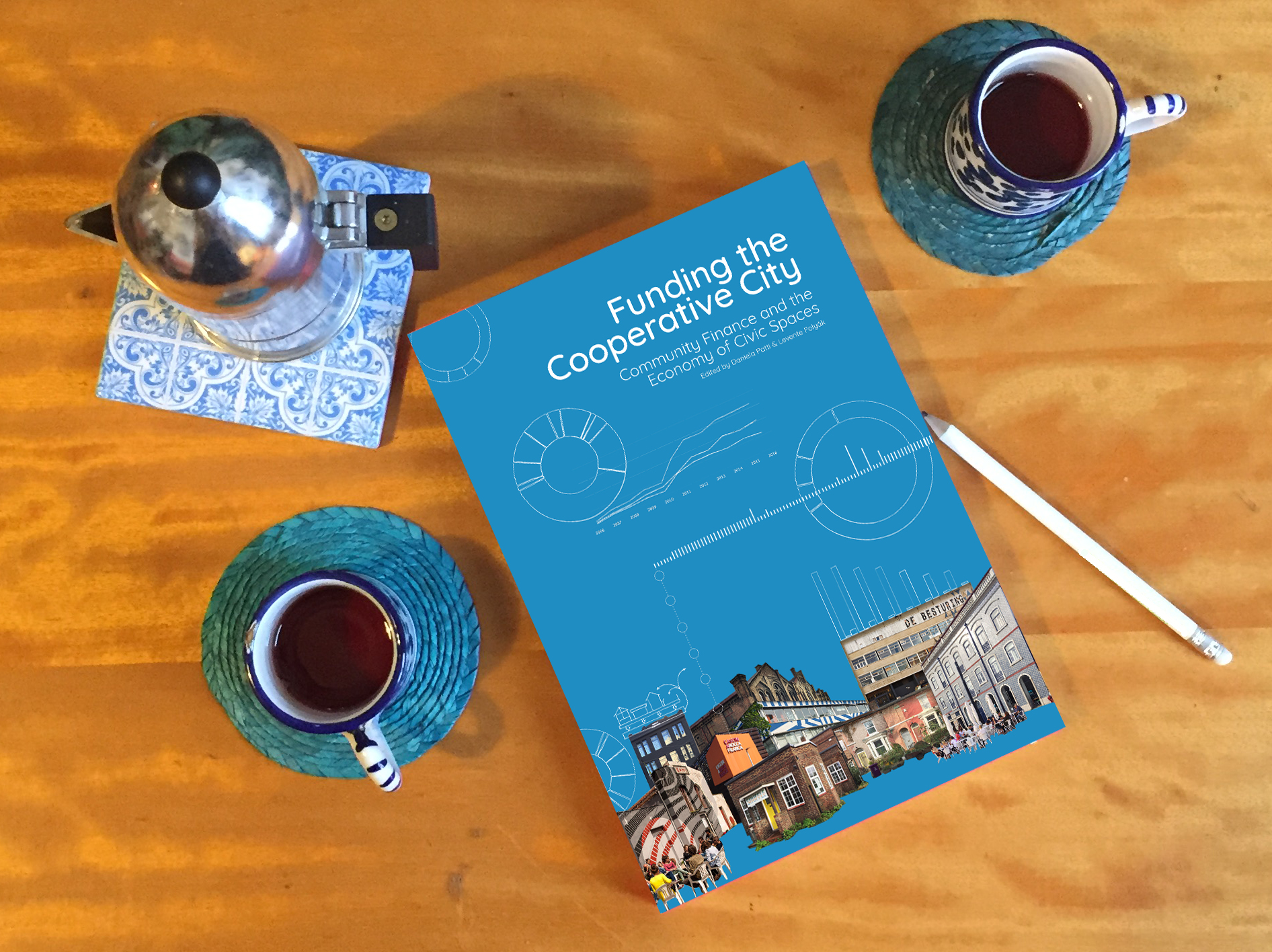
Holding these projects up is a civic infrastructure that is slight but tenacious. Largo Residências, the cooperative-run hostel, café and artist residence in the Intendente neighbourhood, used tourism revenue to fund social inclusion and led the local argument against gentrification — until its ten-year lease expired in 2021 and it lost secure tenure of the building, before the municipality temporarily transferred the premises back to the cooperative in 2022, a sharp lesson in how fragile these footholds are. The city's BIP/ZIP programme, which finances around 30 bottom-up neighbourhood projects a year, is the funding scaffold beneath much of this, documented in studies of community finance and adaptive reuse of civic spaces. It is a thinner institutional layer than Vienna's, and almost everything here is recent. But it is real, and it is being rebuilt on the one inheritance tourism cannot take: the participatory memory of the brigades, and a city full of empty shells waiting to become homes.
References
Statistics19Click on any number to see the source
Housing market
Tenure & affordability
Cooperative, social & public
Adaptive reuse & vacancy
Population & migration
From our library17
- Gebalis — Organisation
- Short-Term Rental Bans and Housing Prices: Quasi-Experimental Evidence from Lisbon — Knowledge
- Can you afford to live here? Europe’s cities ranked by rent-to-salary ratio — Knowledge
- FENACHE - Federação Nacional de Cooperativas de Habitação — Organisation
- Adro — Project
- Rede Co-Habitar — Organisation
- ateliermob — Organisation
- International policies to promote cooperative housing — Knowledge
- Housing policies in the European Union — Knowledge
- Rethinking European Offices 2030 - Risks and Opportunities from Obsolesence — Knowledge
- Understanding the housing crisis: Staff Working Document accompanying the European Affordable Housing Plan — Knowledge
- MASSLAB — Organisation
- Oitoo — Organisation
- Convento do Desagravo Adaptive Reuse — Project
- Vila Dias — Project
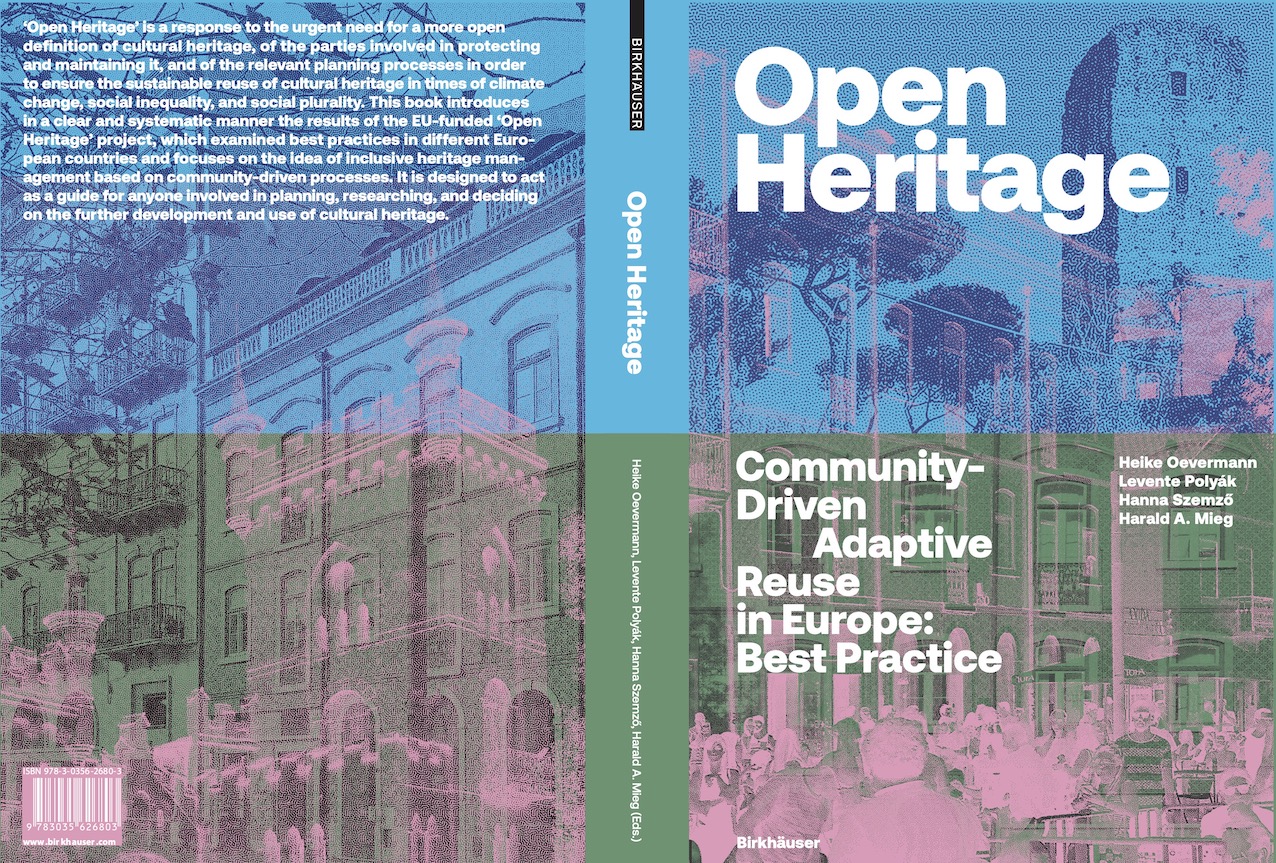
- Open Heritage - Community-Driven Adaptive Reuse in Europe: Best Practice — Knowledge
- Funding the Cooperative City: Community Finance and the Economy of Civic Spaces — Knowledge
Further sources16
- Carlos Moedas — Mayor of Lisbon — Wikipedia
- 2025 Lisbon local election — Wikipedia
- 60% of council rents in Lisbon are under €100 — Vasco Moreira Rato — The Portugal News
- Lisbon relaunches cooperative housing construction programmes — Câmara Municipal de Lisboa
- Lisbon City Council approves plan for housing co-ops on municipal land — Co-operative News
- Lumiar — Lisbon 1st Housing Cooperatives — Câmara Municipal de Lisboa
- Programa Renda Acessível — who does it really serve? — Atlas Lisboa
- Lisbon affordable-housing deadline extended (Marvila) — The Portugal News
- Mais Habitação package approved — Governo de Portugal
- Construir Portugal — 30 housing measures — gov.pt
- Tackling Portugal’s housing affordability challenge — OECD
- ‘This is a social emergency’: thousands protest in Portugal over housing — Rita Silva — Associated Press / NewstalkZB
- The SAAL Process: Housing in Portugal 1974–76 — Canadian Centre for Architecture
- Portugal cooperative housing — BIP/ZIP context — Cooperative Housing International
- Trams in Lisbon — Wikipedia
- Vasco da Gama Bridge — Wikipedia
·