Cooperative & Community-led Housing
Cohousing & Community-led Living
Intentional communities, shared infrastructure and resident-led housing
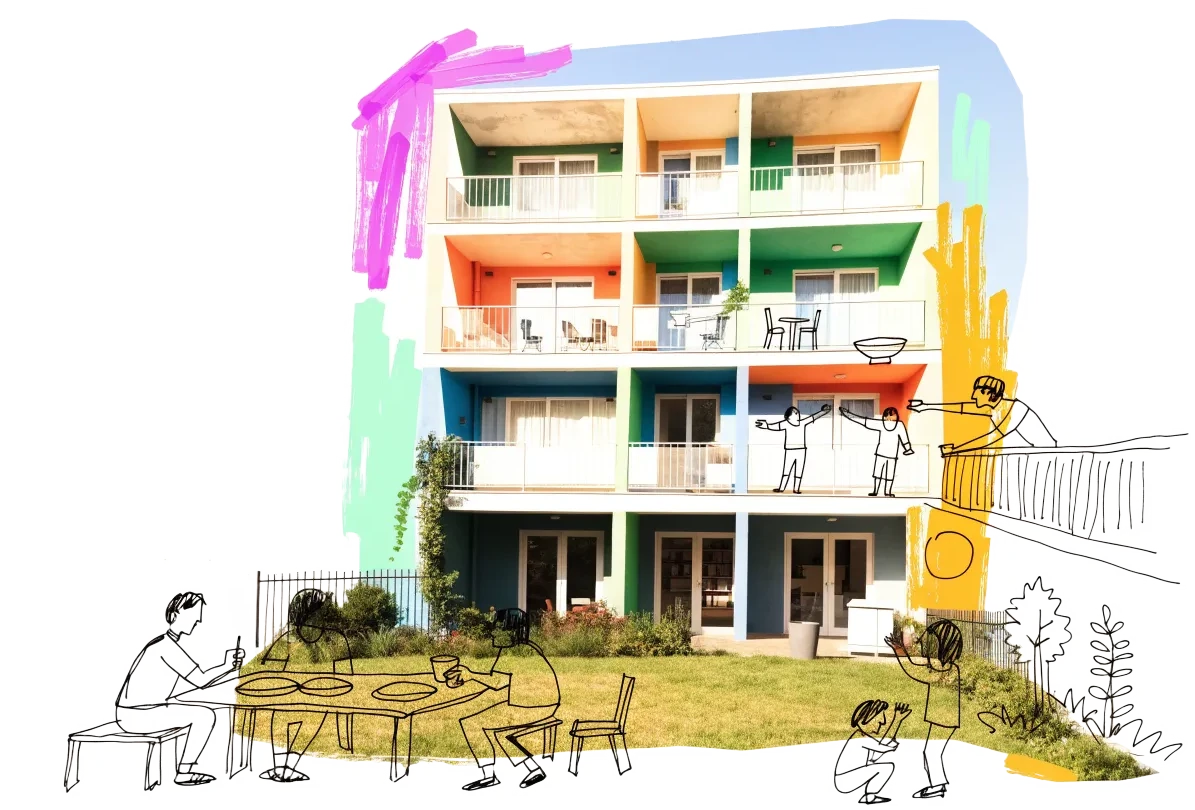
As Europe faces an acute housing crisis and rising social isolation, community-led living offers a compelling alternative to conventional development. By putting community at the centre, models such as cohousing and intergenerational living embed mutual support directly into the residential fabric. This approach acts as a vital antidote to loneliness while pioneering a philosophy where less is more. Residents achieve a higher quality of life on fewer private square metres by sharing infrastructure like kitchens, workspaces, and gardens, significantly reducing their per-person environmental footprint. With current European policy discussions recognising that we cannot simply build our way out of the housing shortage, resident-led developments demonstrate how co-design and shared governance can create sustainable, socially cohesive neighbourhoods that integrate informal care seamlessly into daily life.
Below, you will find a curated collection of resources exploring the practicalities of collaborative living, from research on sufficiency in the building sector to insights on the European Affordable Housing Plan. The page highlights pioneering organisations such as Baugenossenschaft mehr als wohnen, Almenr, and Assemble, alongside tangible projects like A House for Artists and Bikes and Rails that bring intentional communities to life. You can also discover opportunities to connect with practitioners at gatherings including the Coliving Conference 2026 and the Zusammenleben Festival. We invite you to explore these materials to understand how shared spaces and resident-led governance are reshaping the future of European housing.
Below, you will find a curated collection of resources exploring the practicalities of collaborative living, from research on sufficiency in the building sector to insights on the European Affordable Housing Plan. The page highlights pioneering organisations such as Baugenossenschaft mehr als wohnen, Almenr, and Assemble, alongside tangible projects like A House for Artists and Bikes and Rails that bring intentional communities to life. You can also discover opportunities to connect with practitioners at gatherings including the Coliving Conference 2026 and the Zusammenleben Festival. We invite you to explore these materials to understand how shared spaces and resident-led governance are reshaping the future of European housing.
Go deeper
Long reads that explain cohousing & community-led living properly, with every number linked to its source.
Key Aspects
Intergenerational living
Mixing ages, life stages and care needs under one roof or one neighbourhood
Shared infrastructure
Common kitchens, workspaces, gardens and laundries that reduce per-person footprint
Loneliness antidote
Designed-in social contact and mutual support for an increasingly isolated society
Care economies
Embedding informal care, childcare and eldercare into the housing fabric
Less is more
A higher quality of life on fewer square metres per person
Knowledge Resources
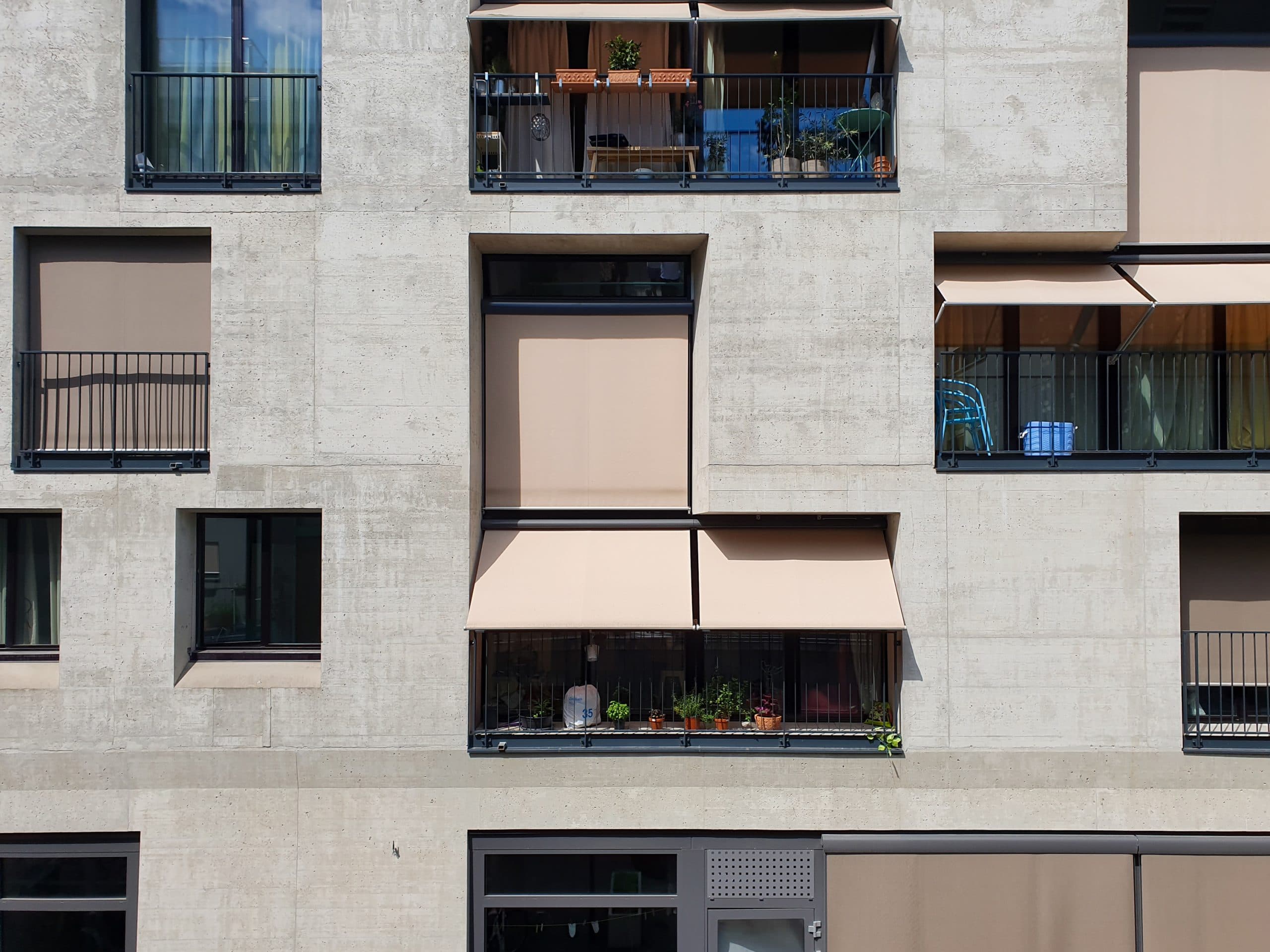
UNESCO-listed cooperative model: democratic one-member-one-vote housing, below-market rents; cities allocate land by concept.
Lived Solidarity: Housing Co-operatives
7,000 member-owned enterprises power banks, energy and 2.2m homes; €5.9bn housing investment.
Facts and Figures of the Cooperatives (Focus on Germany)
Finnish pilot reveals policy gridlock: unclear eligibility, time-limited affordability rules, and contested Helsinki land subsidies.
Housing cooperatives and the contradictions of Finnish land and housing policies
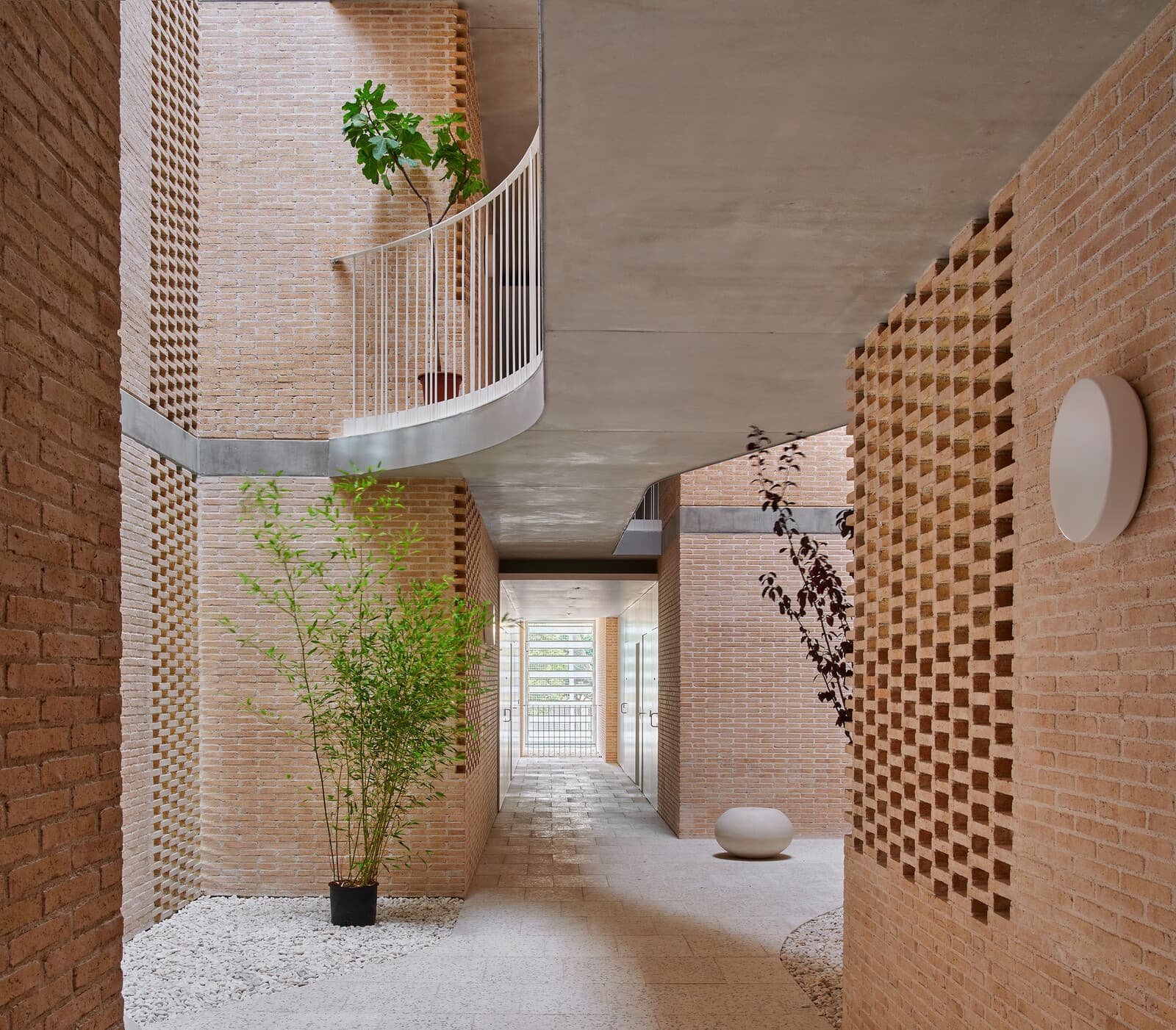
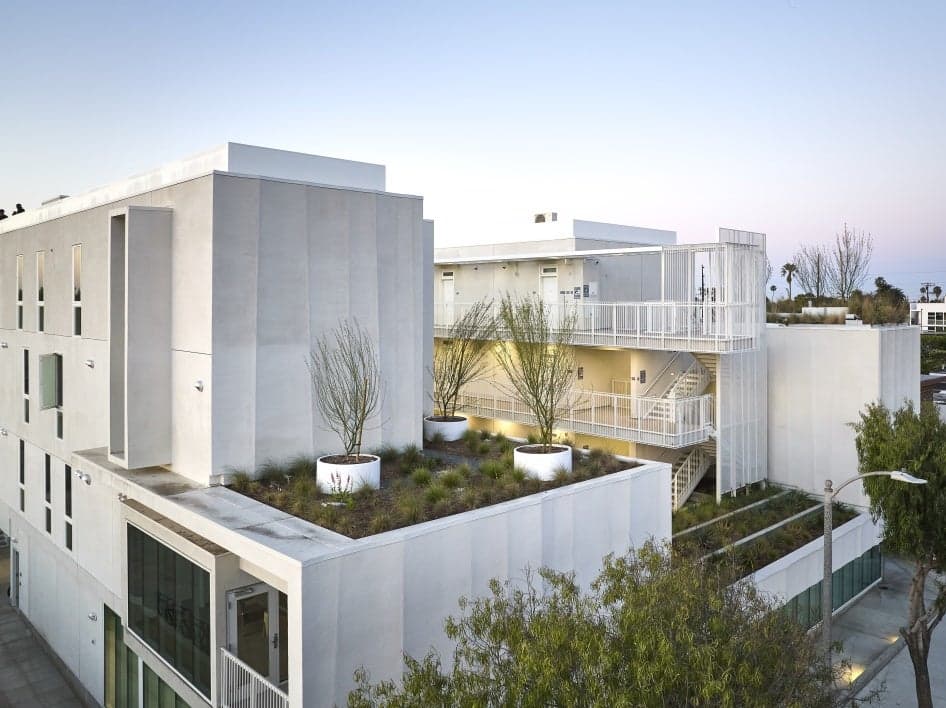
Barcelona’s Cornellà project wins RIBA prize; modular mass-timber, €1.7B plan, breezy terraces cut costs.
Why Is Spain’s Social Housing So Well-Designed?
Maps EU social taxonomy against ÖGNI/DGNB, revealing 59% coverage and proposing 22-criterion scorecard.
S in ESG: Assessment of Social Sustainability in Real Estate - Critical Analysis of Social Taxonomy and Limitations of Certification Systems
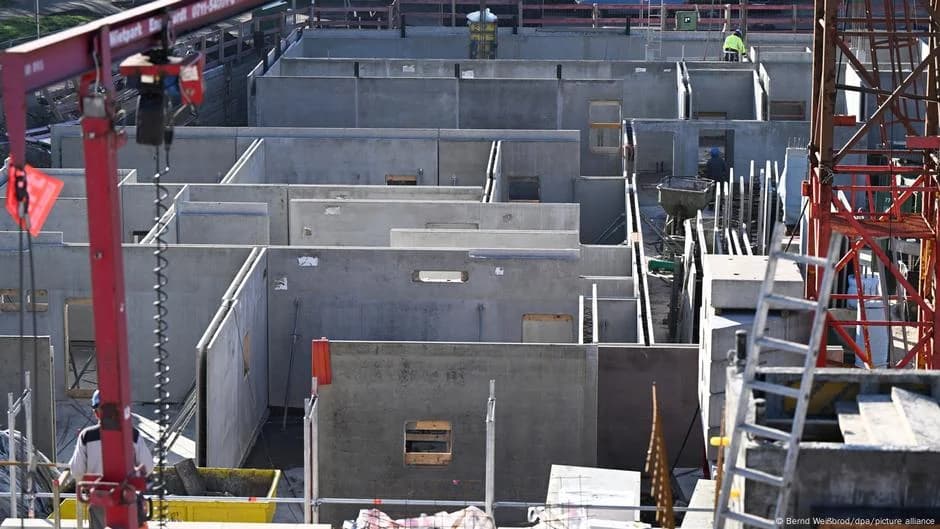
Bau-Turbo would auto-approve permits in two months, saving €2.5bn while Germany targets 320k homes.
German housing crisis: government plans construction boost
Related Organisations
Szövetség a Közösségi Ingatlanfejlesztésért (SZaKI)
Budapest, Hungary
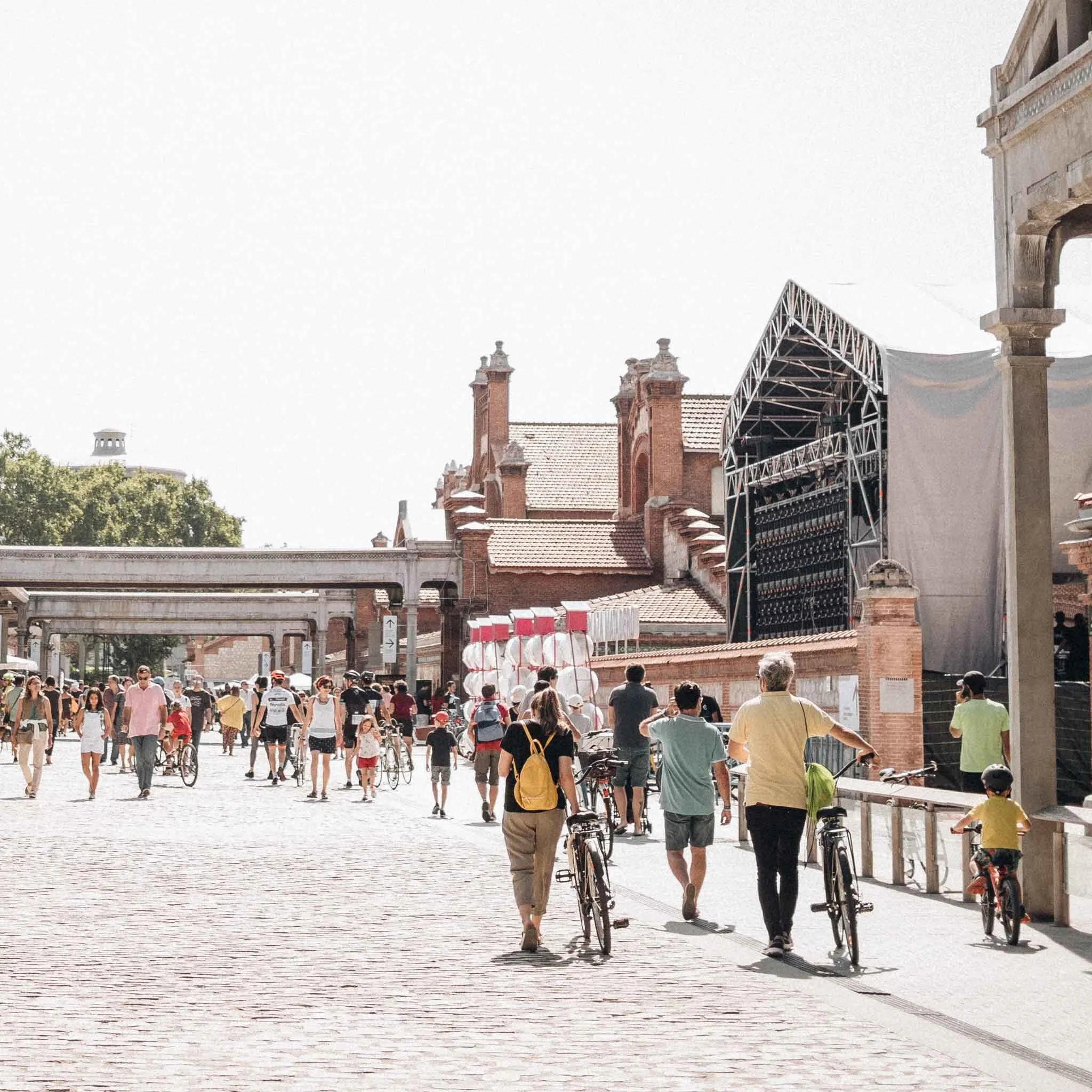
A city made by people
Amsterdam, Netherlands

Time to Access
Amsterdam, Netherlands
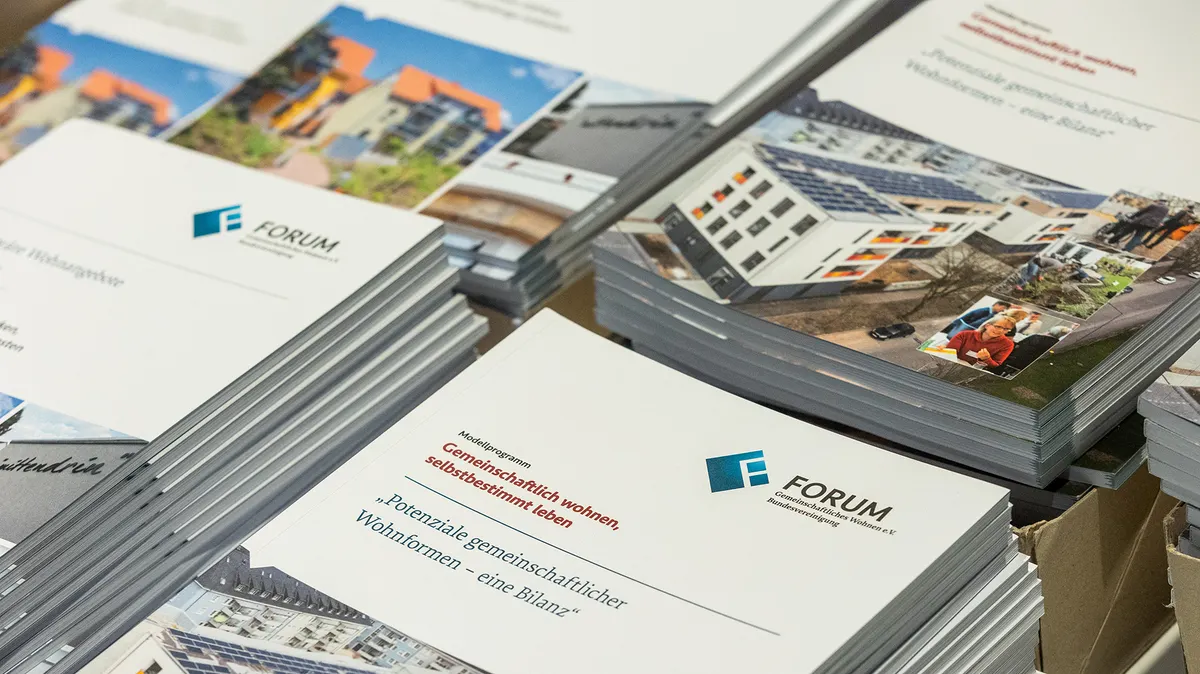
FORUM Gemeinschaftliches Wohnen
Hannover, Germany
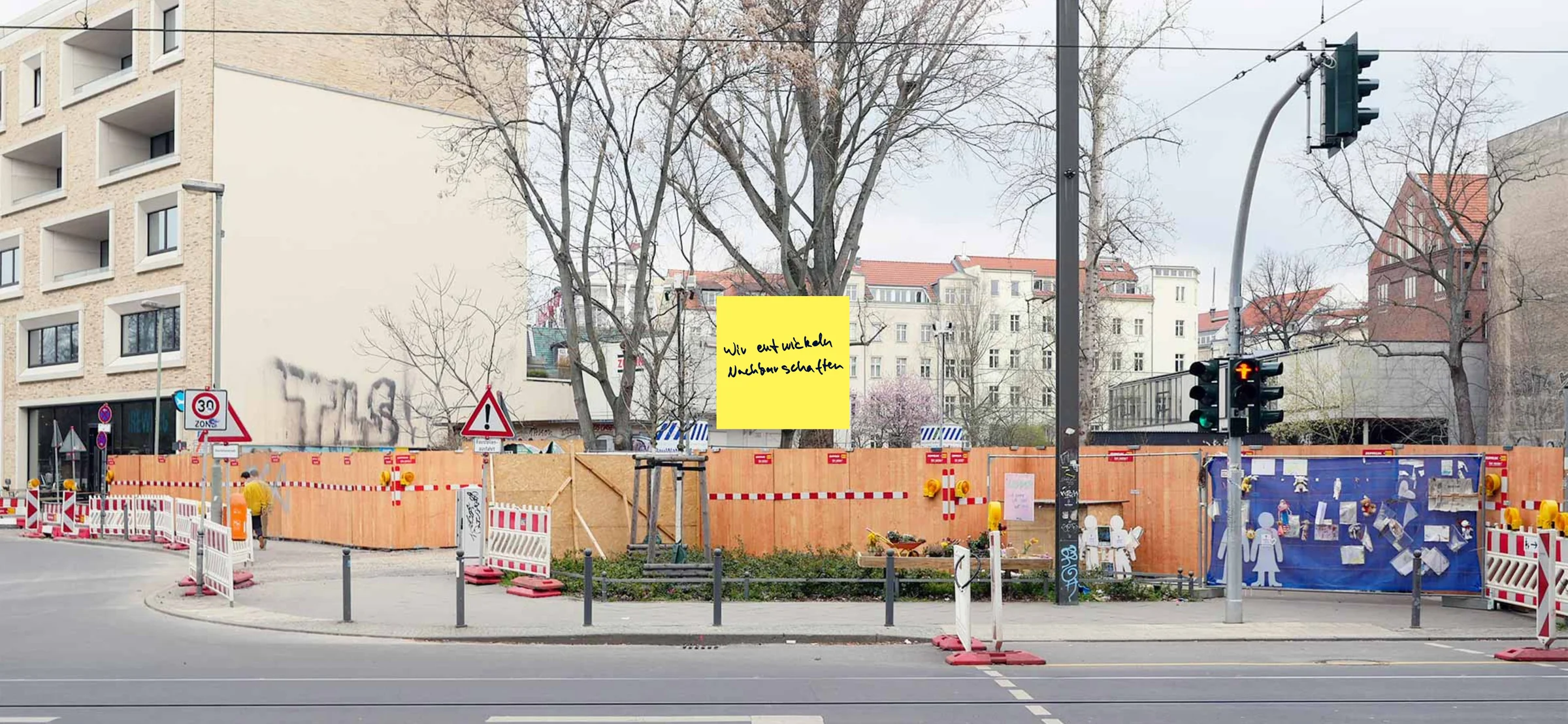
urban coop berlin eG
Berlin, Germany
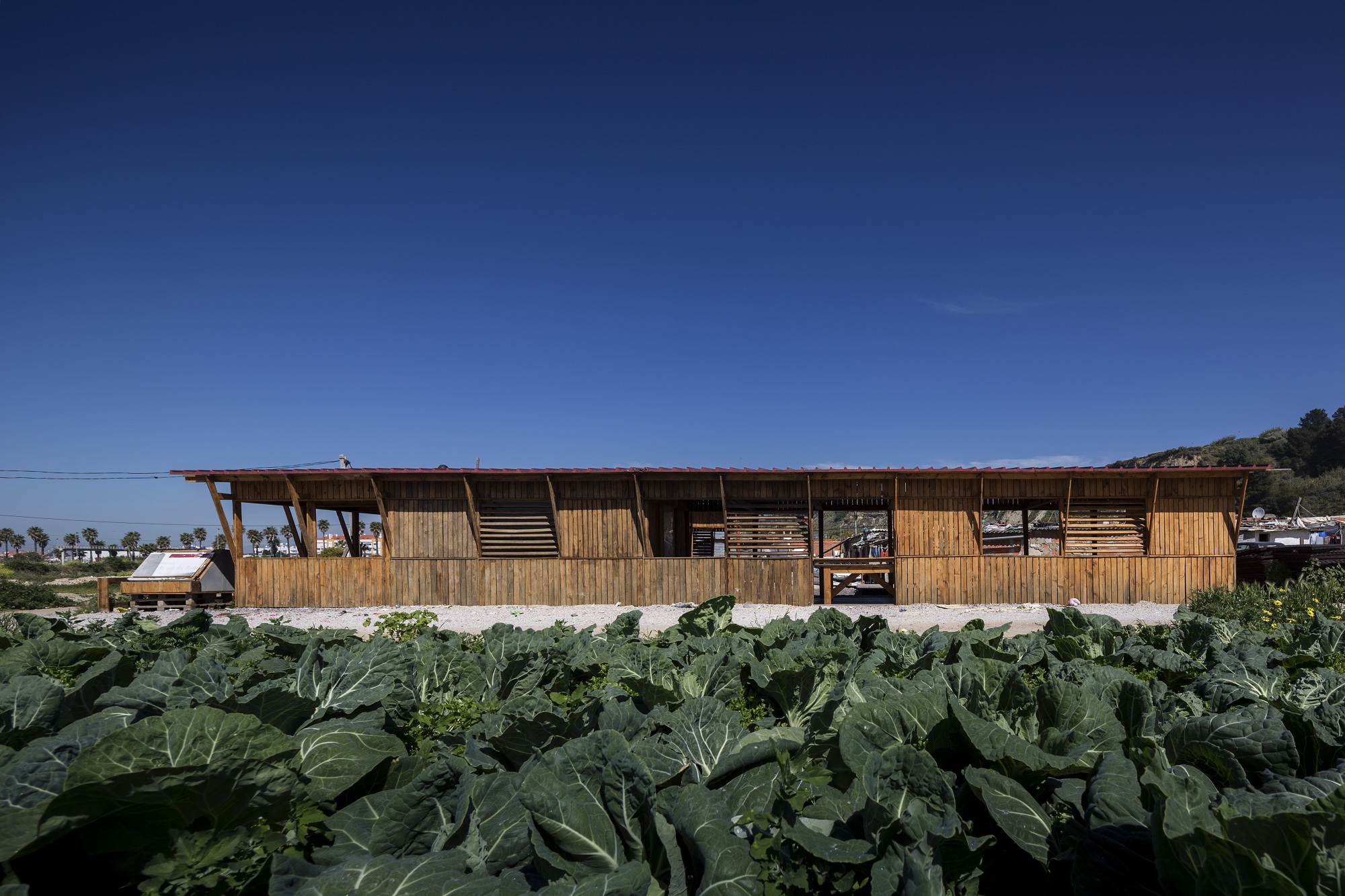
ateliermob
Lisbon, Portugal
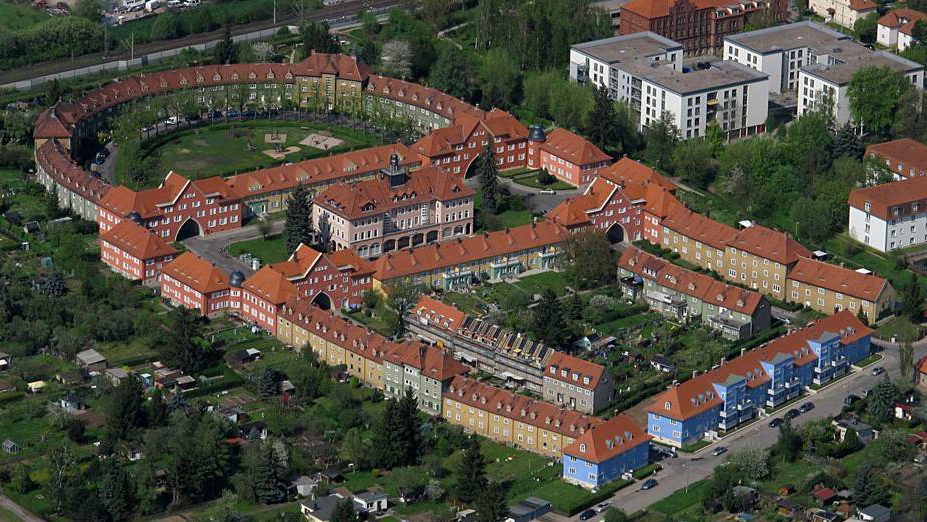
Wohnbaugenossenschaft Frankfurt am Main eG (WBG)
Frankfurt am Main, Germany
Habitat Participatif France
Marseille, France
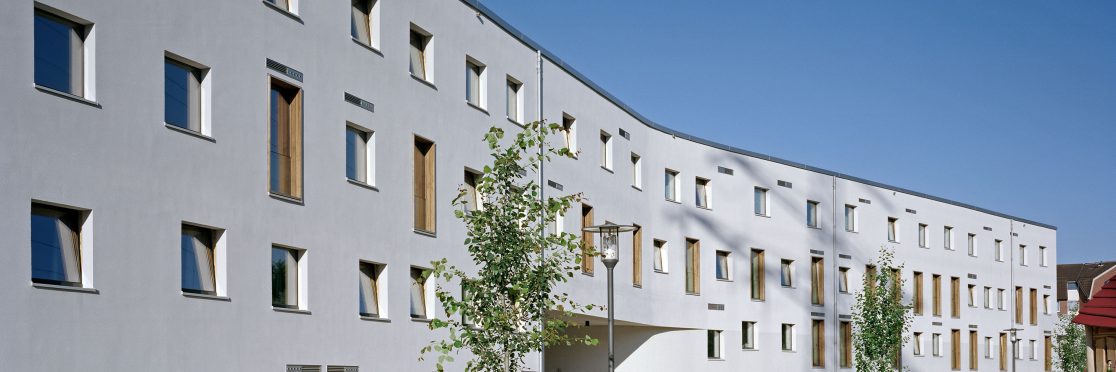
STATTBAU Hamburg
Hamburg, Germany
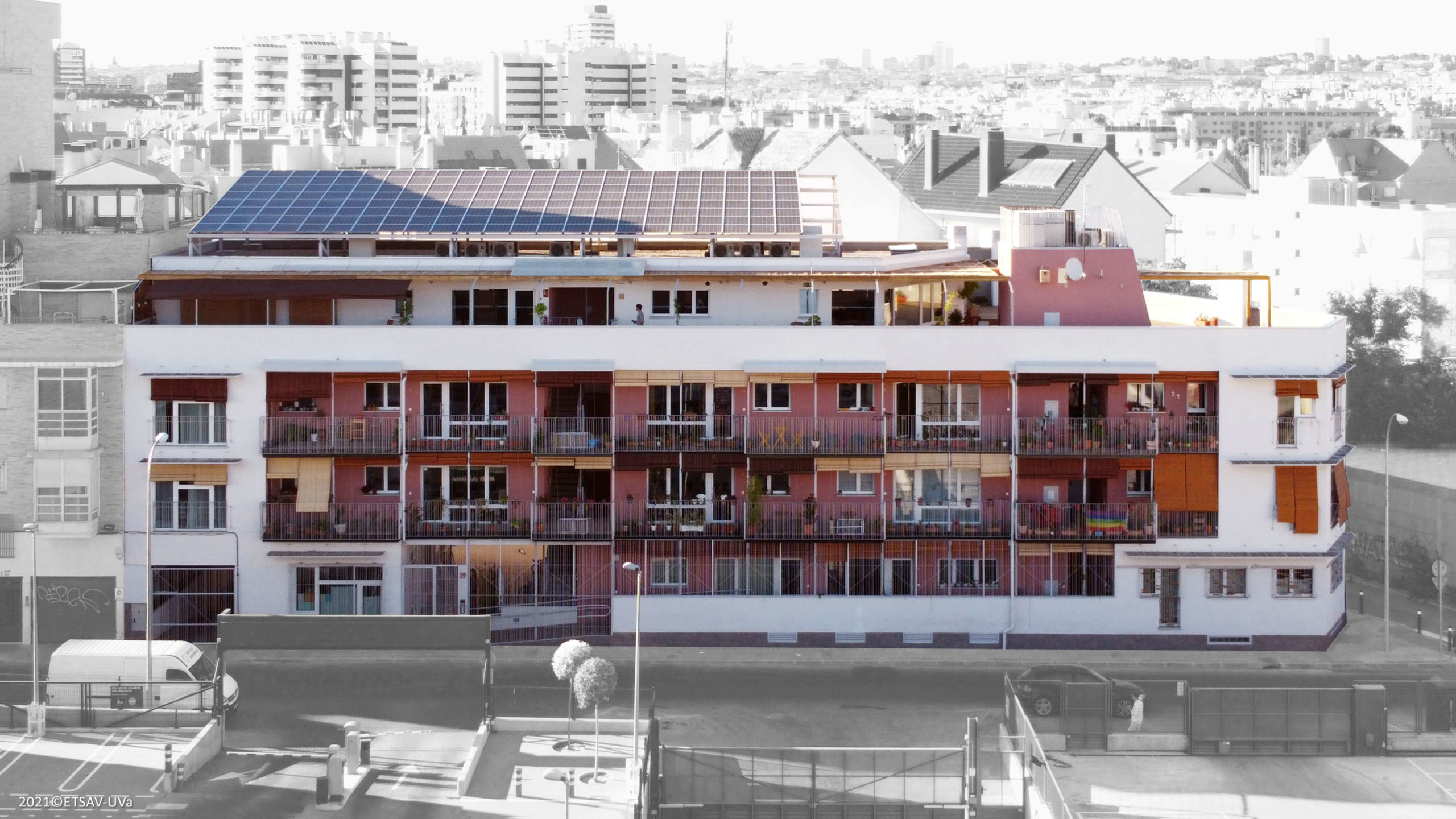
Entrepatios
Madrid, Spain
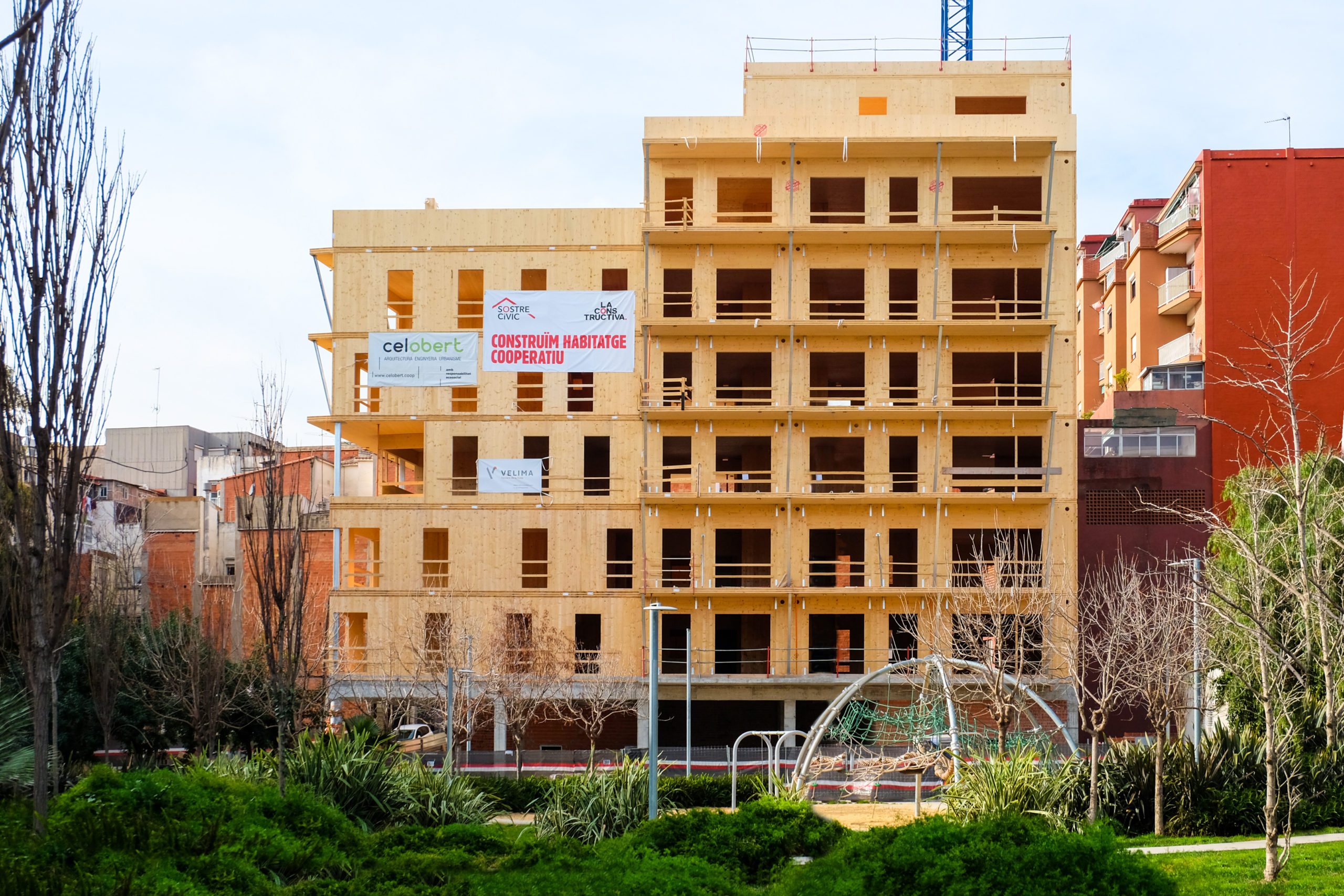
Sostre Civic
Barcelona, Spain
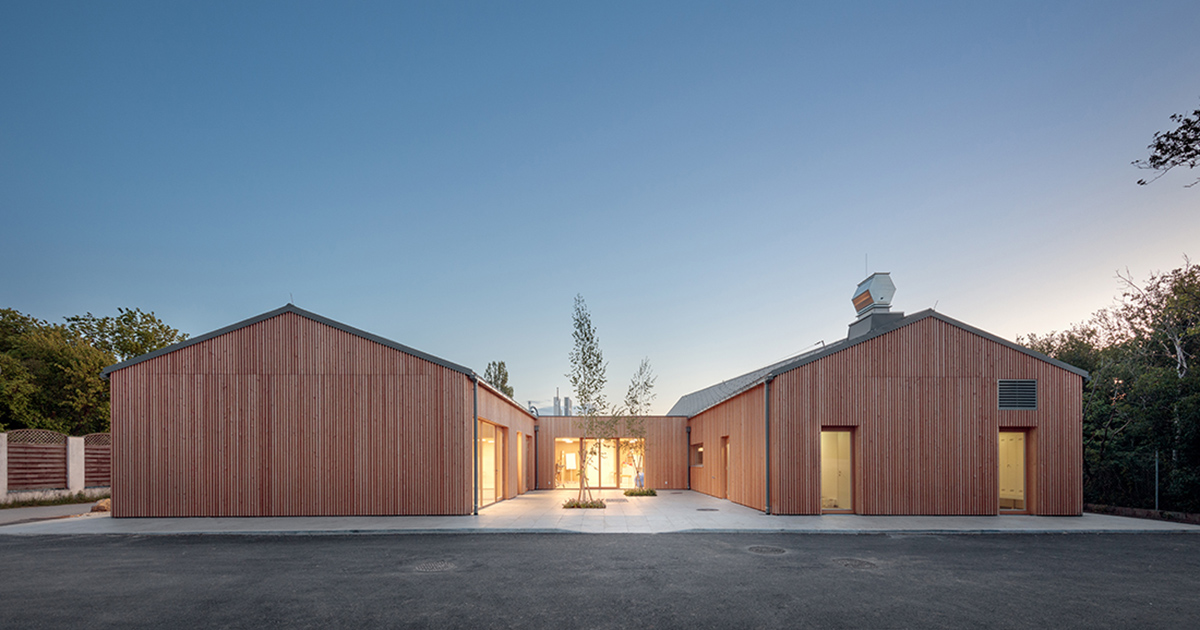
Illichmann Architecture
Vienna, Austria
Related Projects
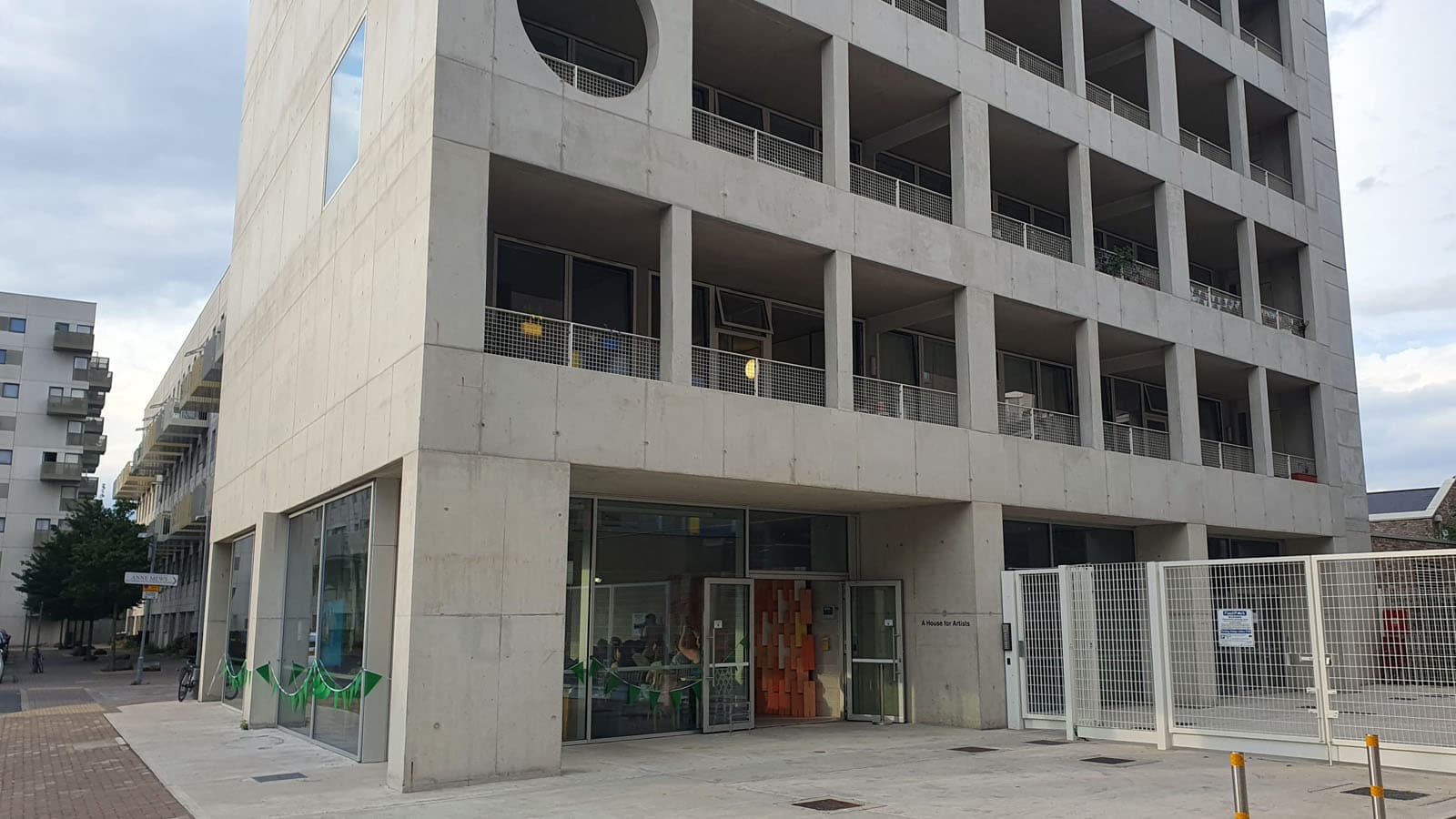
12 artists live in stacked concrete apartments with flexible walls and a public exhibition space.
A House for Artists
London, UK
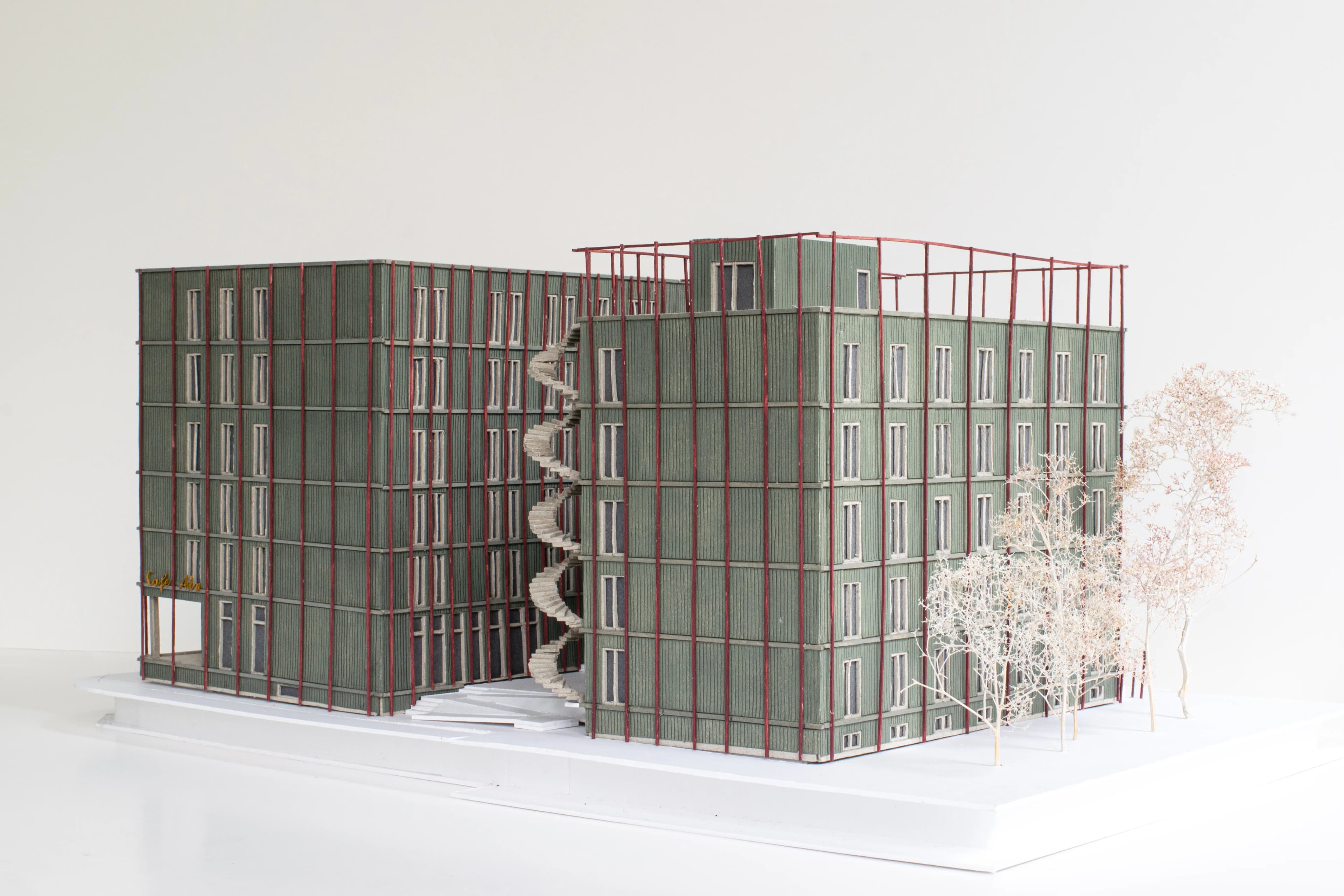
Former academy transformed into car‑free, intergenerational housing for about 90 residents.
AdAptiv
Frankfurt am Main, Germany
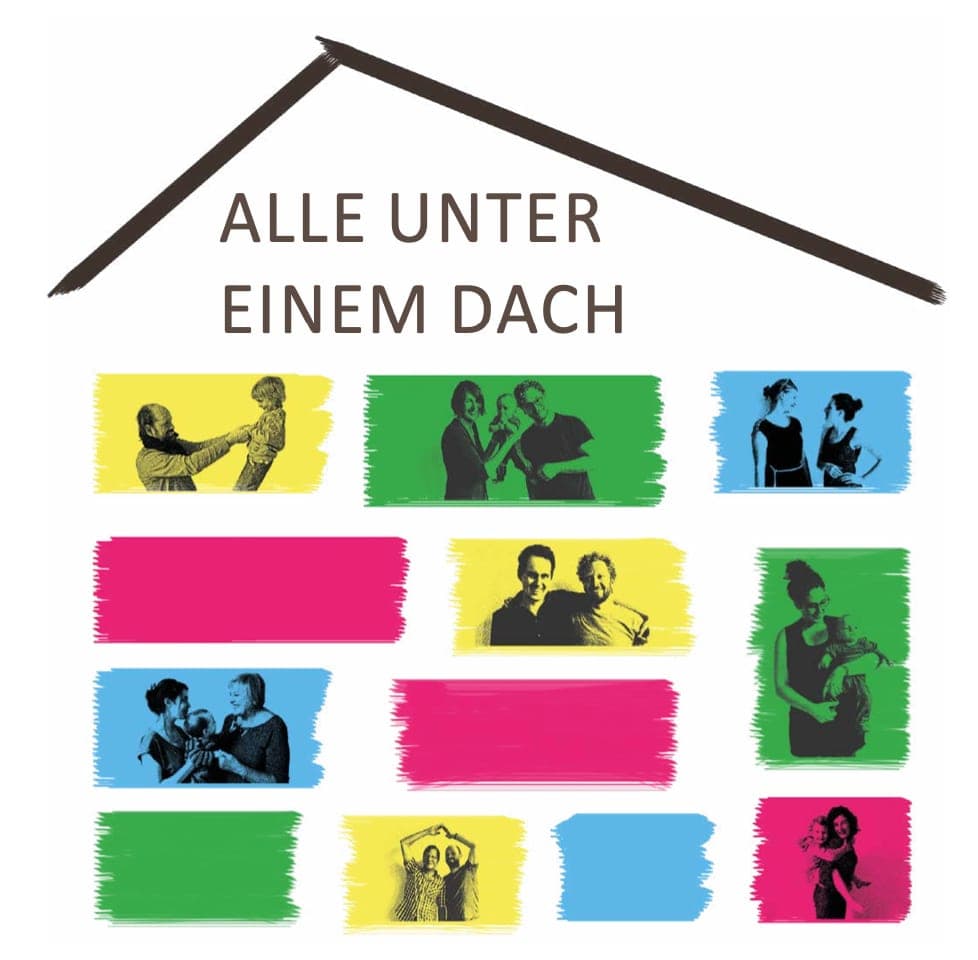
12 homes, 4 city‑allocated units, passive‑house standards, moved in 2021 at Ohestraße.
Alle unter einem Dach eG
Hannover, Germany
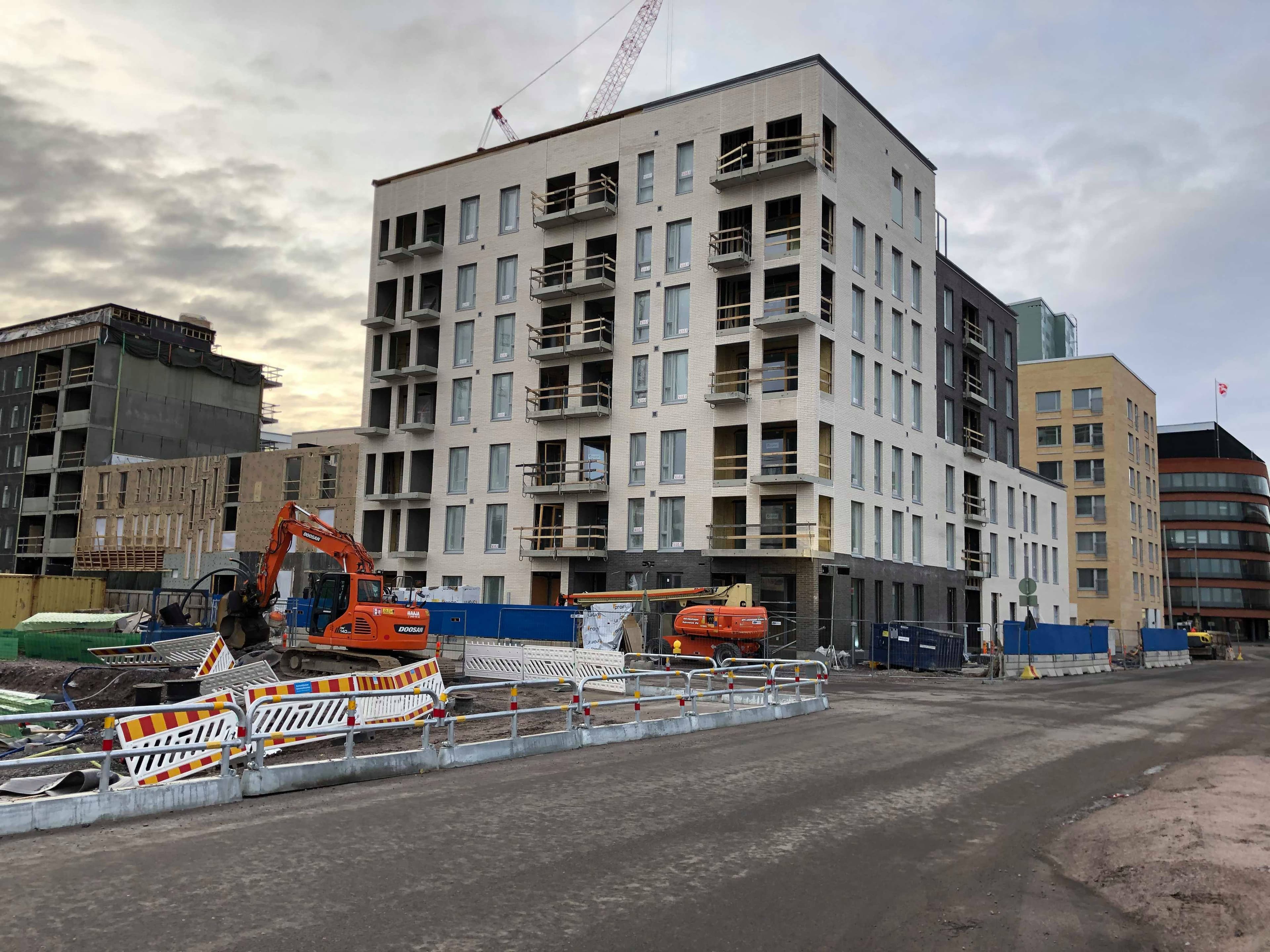
Resident‑led building with 40 apartments, designed by Sarlin+Sopanen, completed 2020.
As Oy Kalasataman Messi
Helsinki, Finland
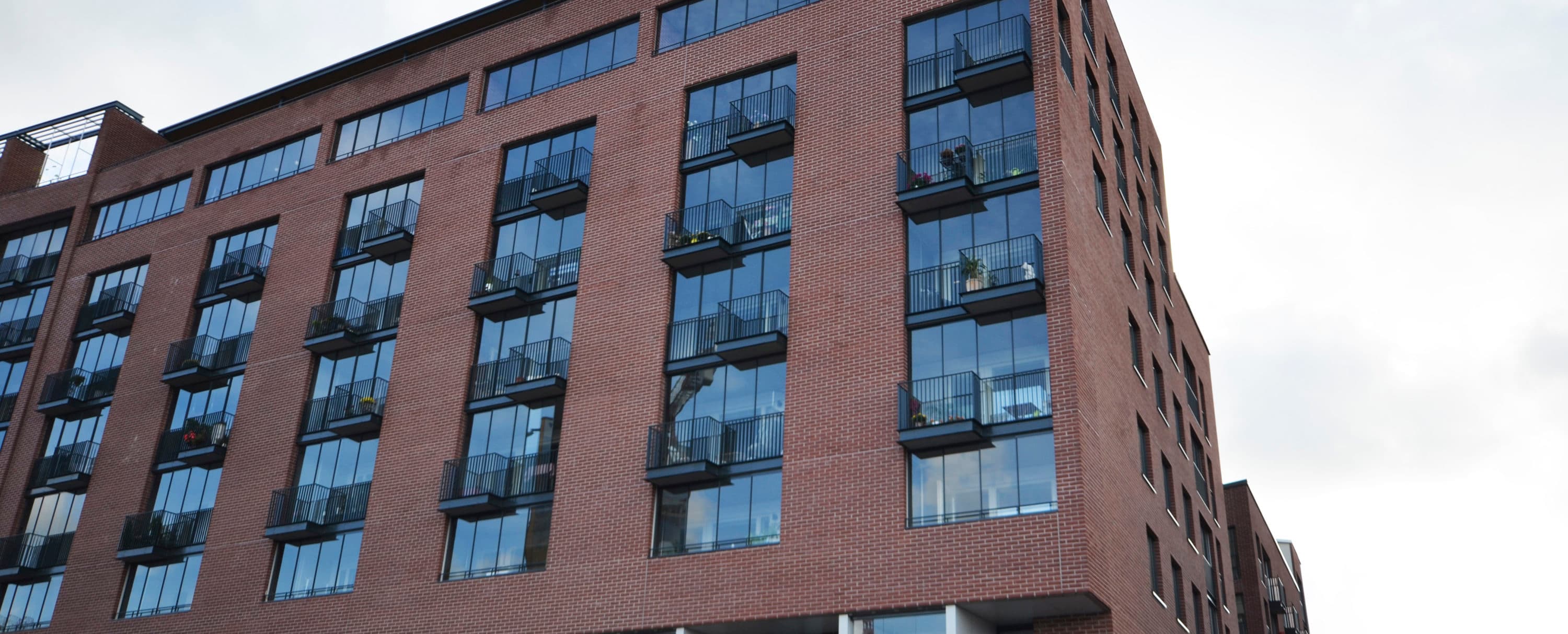
Eight‑storey senior housing with sauna, library, award‑winning design, 63 flats, energy class B2018.
Asunto Oy Helsingin Kotisatama
Helsinki, Finland
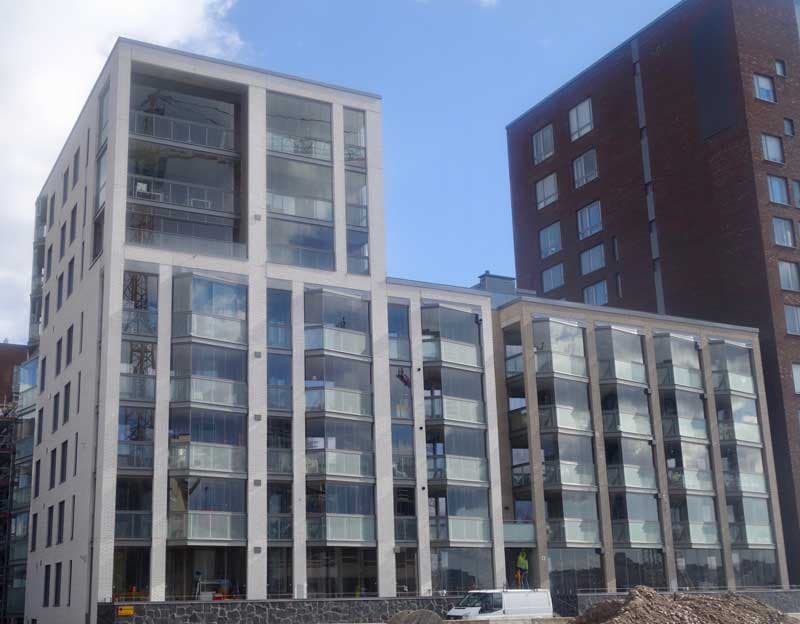
39 custom apartments sit on bedrock, heated by geothermal energy with a rooftop garden.
Asunto Oy Helsingin Sompasaaren Sumppi
Helsinki, Finland
Related Events

Real estate, investors, developers, and planners explore shared living trends and sustainable coliving solutions.
Coliving Conference 2026
London, UK

Communal housing stakeholders gather to explore shared living, building, and economic models.
Zusammenleben Festival
Stuttgart, Germany
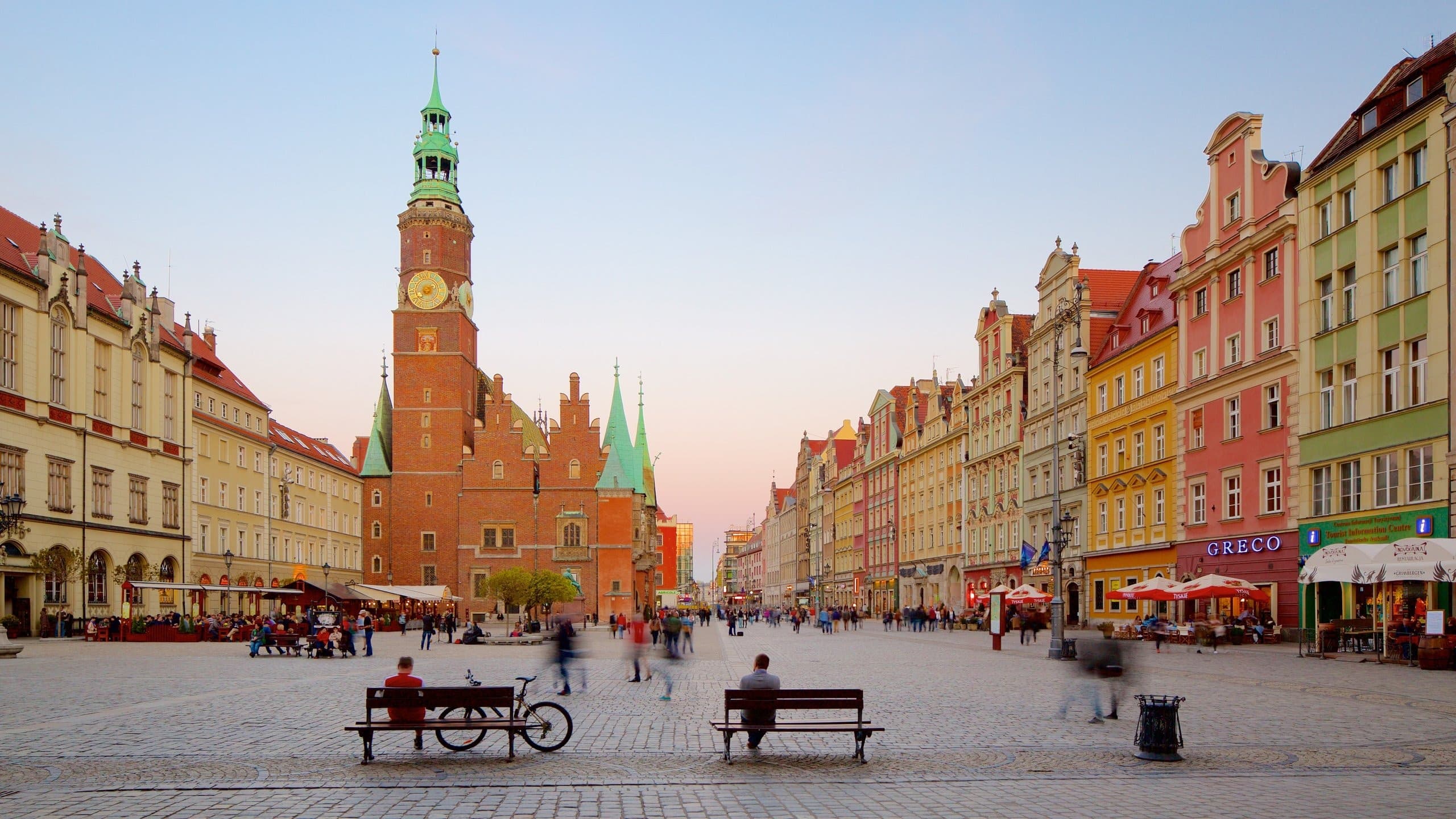
Urbanists, city officials, designers, and community groups exploring public‑space placemaking.
Placemaking Week Europe 2026
Wroclaw, Poland
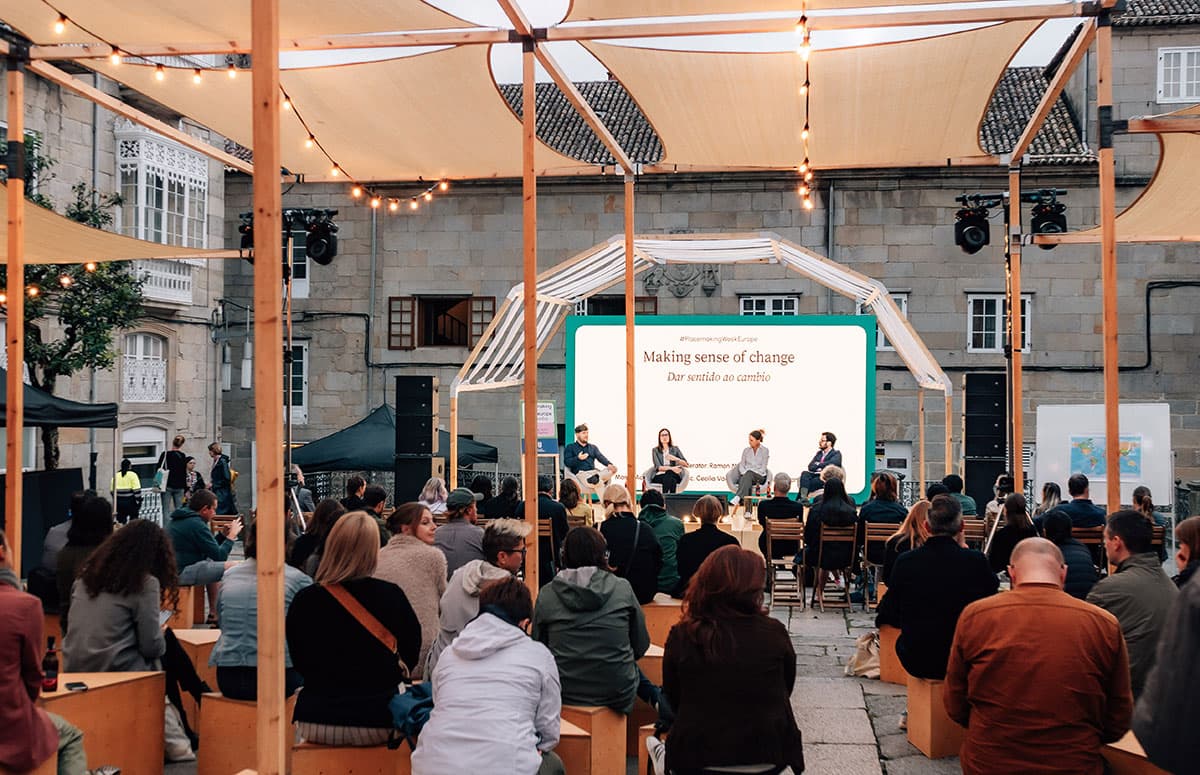
Urban professionals and community leaders gather to explore inclusive, sustainable public space design.
Placemaking Week Europe 2025
Reggio Emilia, Italy
Other topics in Cooperative & Community-led Housing
Have resources to share?
Help grow our knowledge base by submitting research, case studies, or other resources related to cohousing & community-led living.
Submit a Resource