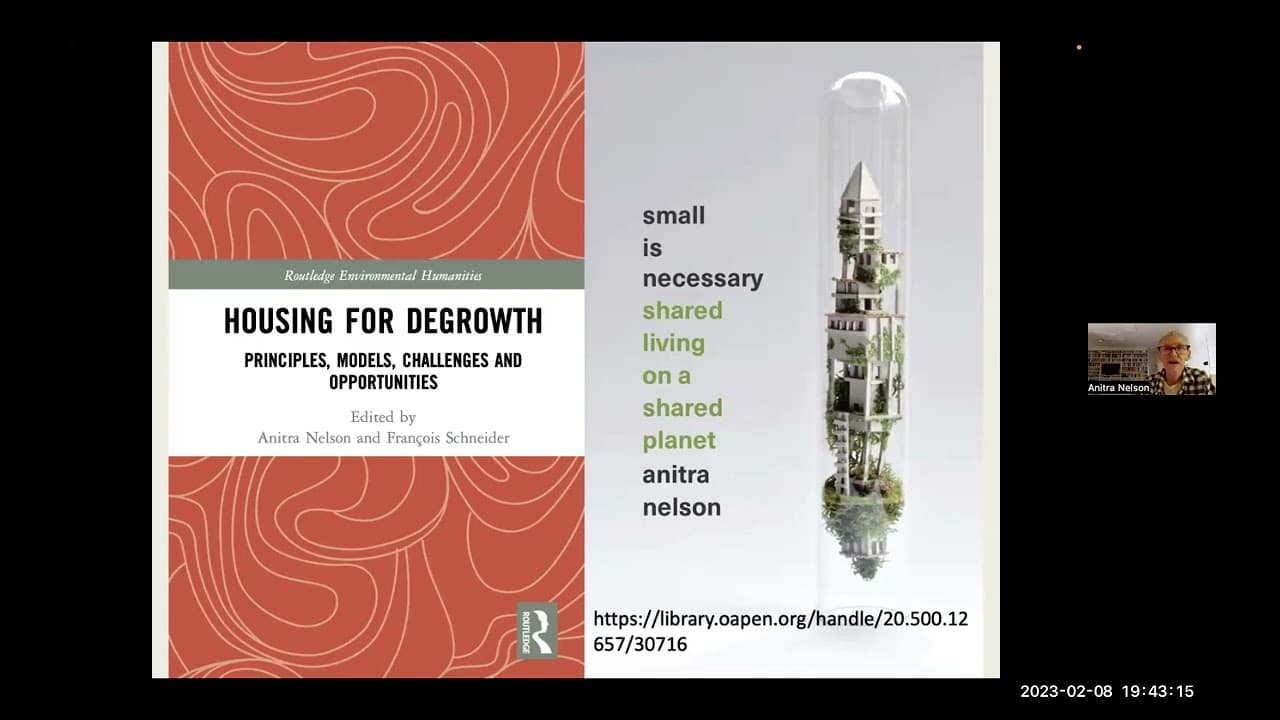
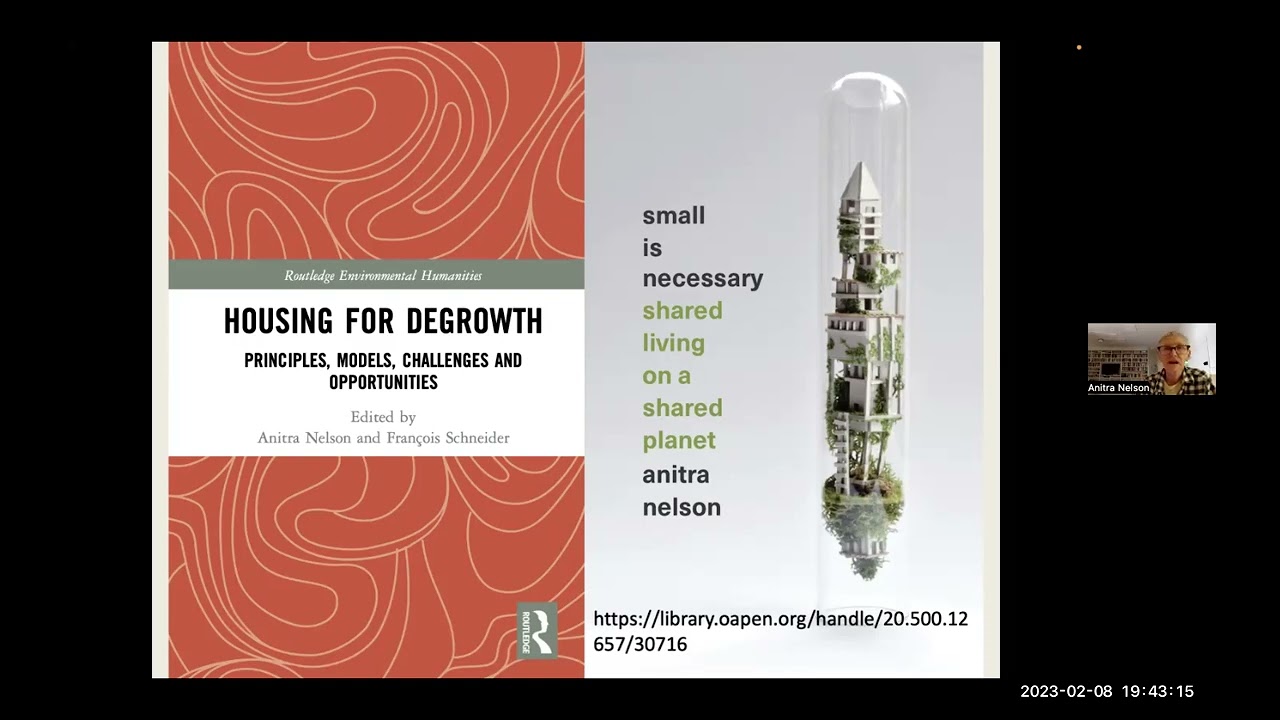
Introducing “Small Is Necessary”
Anitra Nelson’s book, published by Pluto Press in 2018, examines the potential of compact and shared housing to address affordability and environmental challenges. Pluto Press, a London‑based independent publisher, specialises in critical social‑science titles, while Nelson is an experienced researcher and practitioner in collaborative housing, having participated in eco‑cohousing and mud‑brick building projects since the 1980s.
Why Small Living Matters
The book documents the historical shift from larger pre‑industrial homes to modern average households of ≈2.5 persons, noting that despite this reduction, new dwellings in countries such as Australia and the US have grown from ≈162 m² in 2003 to ≈228 m² by 2020. This size increase raises embodied‑energy and operational carbon emissions, undermining efforts to stay within planetary boundaries. Nelson argues that smaller footprints, combined with shared resources, can halve per‑capita energy use in apartments compared with single‑occupancy units.
Key Statistics on Housing Impact
- Global buildings account for ≈32 % of final energy use (IPCC).
- In 2010, buildings contributed ≈1/3 of global CO₂ emissions.
- Australian average household size fell from 4.5 (1911) to 2.5 (2001).
- In Melbourne, new medium‑density townhouses averaged 154 m² (2003‑04).
- Micro‑apartments in US cities can be ≈20 % cheaper per square metre than larger units, yet still achieve ≈90 % energy‑saving after retrofit.
- The Pluto Press title lists over 250 ISBN editions, reflecting widespread academic interest.
Models of Collaborative Housing
Nelson surveys three principal models:
- Traditional cohousing (where private units are surrounded by shared facilities).
- Eco‑villages (e.g., Cloughjordan Ireland, Dancing Rabbit Australia) that integrate land‑based production with communal governance.
- Micro‑apartment clusters that provide shared laundry, kitchens and rooftop gardens, reducing duplicate appliances. Case studies illustrate cost‑effectiveness: the “Monroy” project in Mexico delivered ≈40 m² units for ≈US$ 28 000, with later extensions by owners, while the “Boxhome” in Oslo offers a ≈19 m² two‑storey timber‑aluminium structure at ≈30 % of conventional building costs.
Design Features Supporting Sustainability
- Passive‑solar orientation and high‑insulation levels cut heating needs by ≈30 %.
- Shared energy systems (e.g., district heating, solar PV arrays) lower per‑household grid draw.
- Water‑saving technologies such as dual‑flush toilets and rain‑water harvesting reduce use by ≈25 %.
- Flexible interiors (fold‑away beds, mezzanines) maximise usable space in units as small as ≈22 m².
- Vertical‑garden facades (e.g., Patrick Blanc projects) provide insulation and air‑quality benefits, though prices remain high (> £ 500 000 for luxury condominiums).
Economic Implications for Buyers and Renters
Nelson highlights that high‑density apartments in central cities offer lower transport costs and access to services, yet affordability remains a barrier. Investor‑driven development has pushed prices up to £ 1.7 million for luxury units in London, while social‑housing policies in Germany and the Netherlands maintain subsidised rents through minimum‑size regulations. The book notes that micro‑apartments with shared amenities can achieve rent‑to‑income ratios ≈30 % for median earners, improving housing‑cost burden.
Policy Recommendations Summarised
- Implement maximum‑size limits for new homes to encourage compact design.
- Provide financial incentives for retro‑fitting existing buildings with passive‑solar and shared renewable energy systems.
- Support co‑ownership models through simplified mortgage products that recognise collective guarantees.
- Mandate minimum standards for shared facilities (including laundry, kitchens and green spaces) in multi‑unit developments.
- Encourage public‑private partnerships to deliver affordable eco‑villages on peri‑urban land.
Conclusion for European Readers
“Small Is Necessary” offers a comprehensive review of how smaller living spaces combined with shared infrastructure can simultaneously address housing‑affordability, reduce carbon footprints, and enhance social cohesion. The evidence‑based case studies from Europe, North America and Australia provide practical models that European policymakers, planners and citizens can adapt to local contexts, supporting the transition to more sustainable urban habitats.