Crisis, Policy & Movements
Housing Affordability & Social Inclusion
Who's locked out of European housing — and why
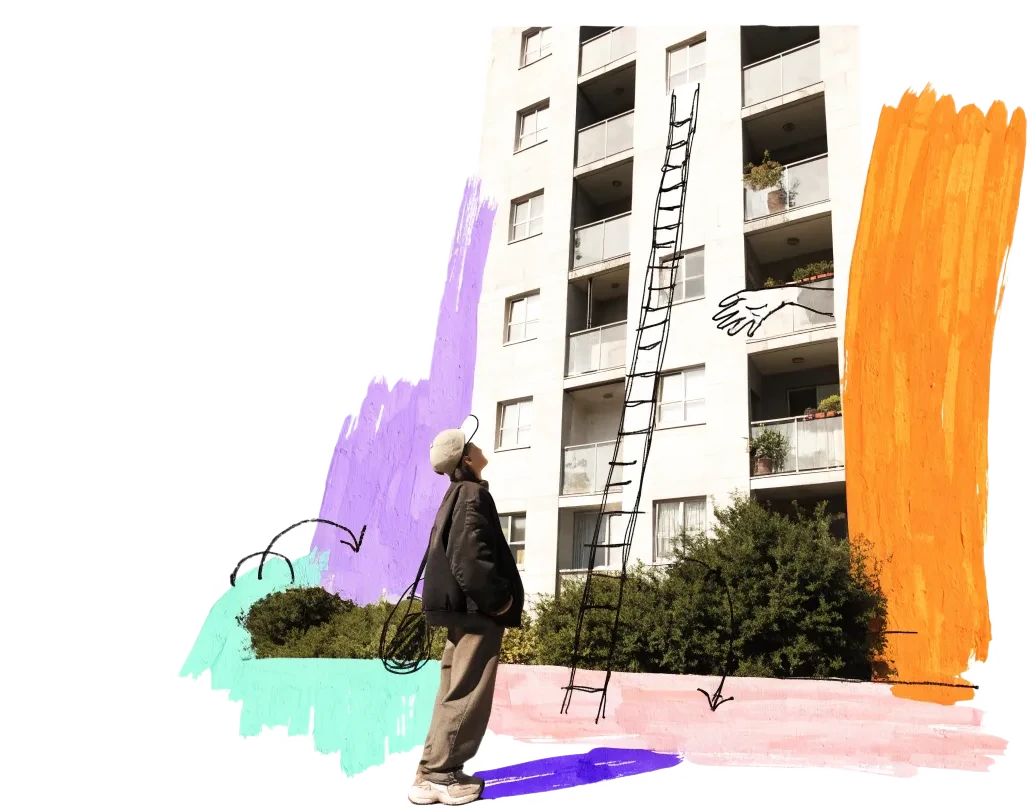
The escalating cost of housing is a defining social challenge, determining who can participate in urban life and who is pushed to the margins. This topic explores the multifaceted nature of affordability and inclusion, examining how rent burdens and shifting tenure structures lock people out of their communities. The crisis spans a broad spectrum of exclusion, from key workers priced out of the cities they serve to the extreme realities of homelessness. Recognising these generational and spatial inequalities, recent frameworks like the European Affordable Housing Plan and the European Parliament's HOUS Special Committee have placed affordability at the top of the political agenda. Understanding this landscape requires looking beyond property prices to see how discrimination and a lack of social housing affect vulnerable populations.
Below, you will find a curated selection of resources, organisations, and events unpacking these dynamics. The knowledge library features cross-cutting literature, including ESPON big data analyses, the Housing first guide Europe, and dedicated research for the HOUS Special Committee. You can also discover entities pioneering inclusive solutions, from cooperative models like Am Ostseeplatz eG and Cooperative Housing in Sofia to public providers such as Aquitanis. To connect with the wider sector, browse upcoming gatherings like the Housing First Europe Conference 2026 and the Affordable Housing Initiative Days. Whether you are researching urban spatial dimensions or seeking shared living projects like Calico and Blaue Insel, we invite you to explore the materials shaping inclusive European housing.
Below, you will find a curated selection of resources, organisations, and events unpacking these dynamics. The knowledge library features cross-cutting literature, including ESPON big data analyses, the Housing first guide Europe, and dedicated research for the HOUS Special Committee. You can also discover entities pioneering inclusive solutions, from cooperative models like Am Ostseeplatz eG and Cooperative Housing in Sofia to public providers such as Aquitanis. To connect with the wider sector, browse upcoming gatherings like the Housing First Europe Conference 2026 and the Affordable Housing Initiative Days. Whether you are researching urban spatial dimensions or seeking shared living projects like Calico and Blaue Insel, we invite you to explore the materials shaping inclusive European housing.
Go deeper
Long reads that explain housing affordability & social inclusion properly, with every number linked to its source.
The housing crisis, city by cityWhy is it so hard to find a home in Europe?Prices have come loose from incomes, empty buildings sit next to housing queues, and the people trying to move are the ones nobody counts. A guided tour of the crisis and its six drivers.12 min readRead The renovation wave and who pays for itWarmer homes, same rent?Europe has to renovate most of its homes within a generation, and a carbon price on heating fuel is on its way. Done badly, that means higher bills for the poorest and 'renovictions' for tenants. What a fair renovation wave looks like, and who is already doing it.11 min readRead A generation on holdWhy can't young Europeans leave home?In much of Europe young people leave their parents' home later than their parents did, and housing is the main reason. Who is hit hardest, what the wait does to careers, families and moving for work, and what young people are building for themselves.10 min readRead
Key Aspects
Rent burden & cost overburden
Indicators of how much income households spend on housing
Key-worker exclusion
Teachers, nurses, care workers priced out of the cities they serve
Homelessness & severe housing exclusion
The most extreme end of the affordability spectrum
Generational inequality
How housing access has shifted across cohorts
Tenure structure & social housing access
Who gets what kind of housing
Migrant & minority housing
Discrimination and access barriers
Knowledge Resources

Woonuitdagingen voor Antwerpen
Is wonen echt onbetaalbaar? En wat kunnen we eraan doen?
Meer dan 45.000 Antwerpenaren op wachtlijst voor sociale woning, ondanks nieuw inschrijvingsregister
Regard sur les taux d'effort de locataires du parc privé lyonnais entre 2007 et 2020
À Lyon, les charges locatives ont atteint « un niveau record » dans les logements sociaux
À la veille de la rentrée scolaire, 387 enfants dorment encore à la rue dans la métropole de Lyon
Related Organisations

Esmée Fairbairn Foundation
London, UK
Ó Cualann
Dublin, Ireland

Legacoop Abitanti
Rome, Italy
Porticus
Amsterdam, Netherlands
Fairground Brussels
Brussels, Belgium

Wohnungsbaugenossenschaft 'Wendenschloß' eG
Berlin, Germany

COO.SOL (Organisme de Foncier Solidaire de Bordeaux Métropole)
Bordeaux, France

Habitat for Humanity
Americus, United States
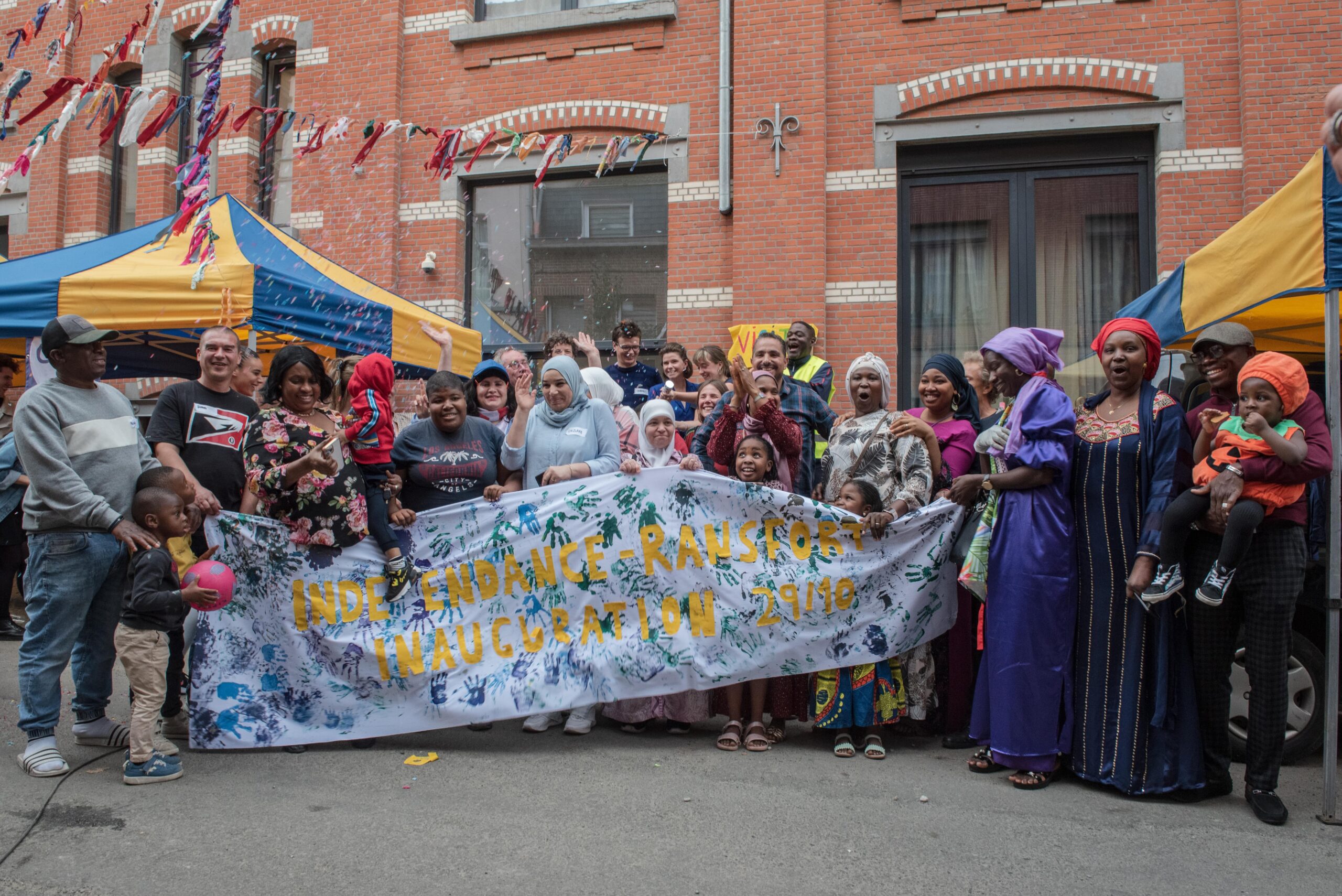
Community Land Trust Brussels (CLTB)
Brussels, Belgium
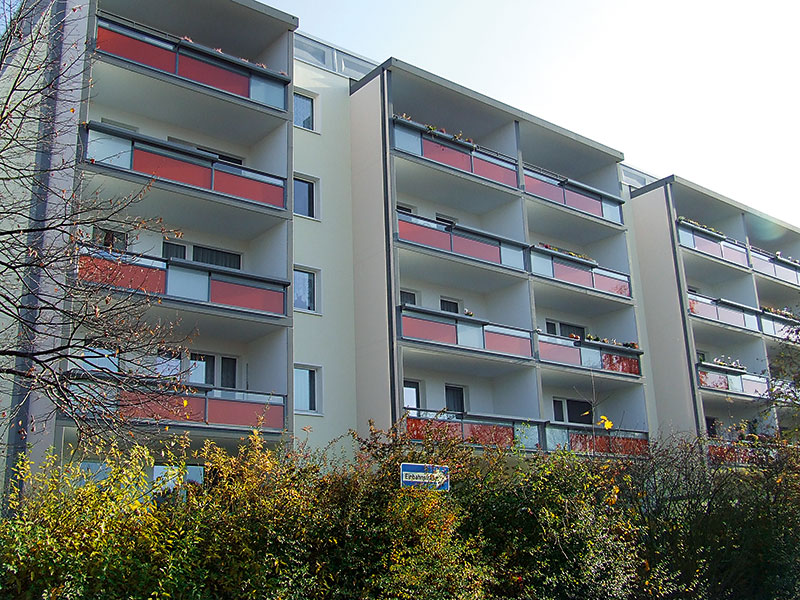
Wohnungsbaugenossenschaft Wilhelmsruh eG
Berlin, Germany
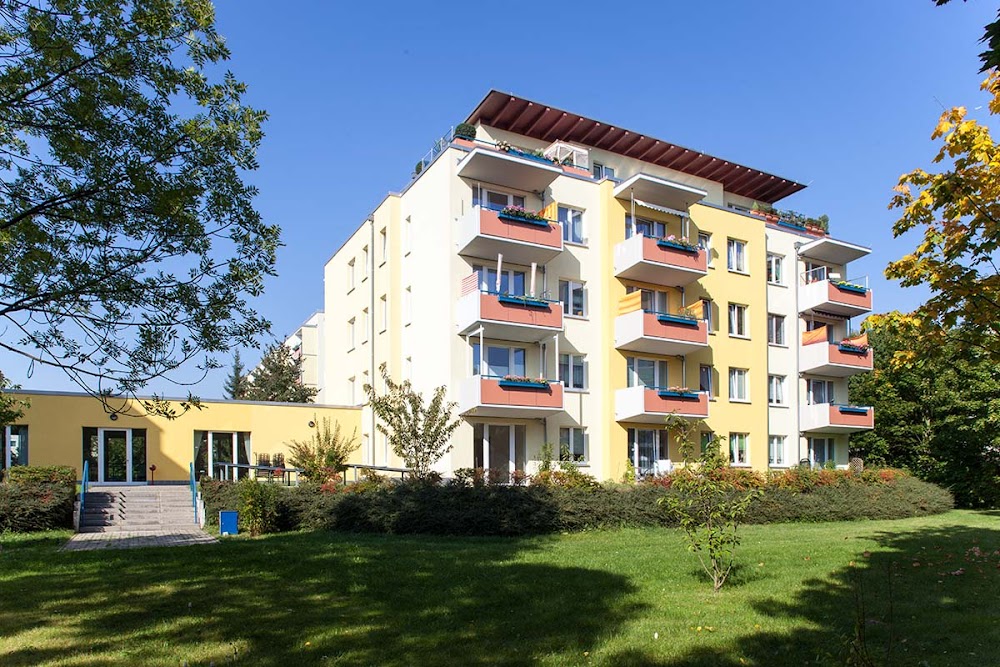
Wohnungsbaugenossenschaft Wuhletal eG
Berlin, Germany

Homes that Don't Cost the Earth
London, UK
Related Projects
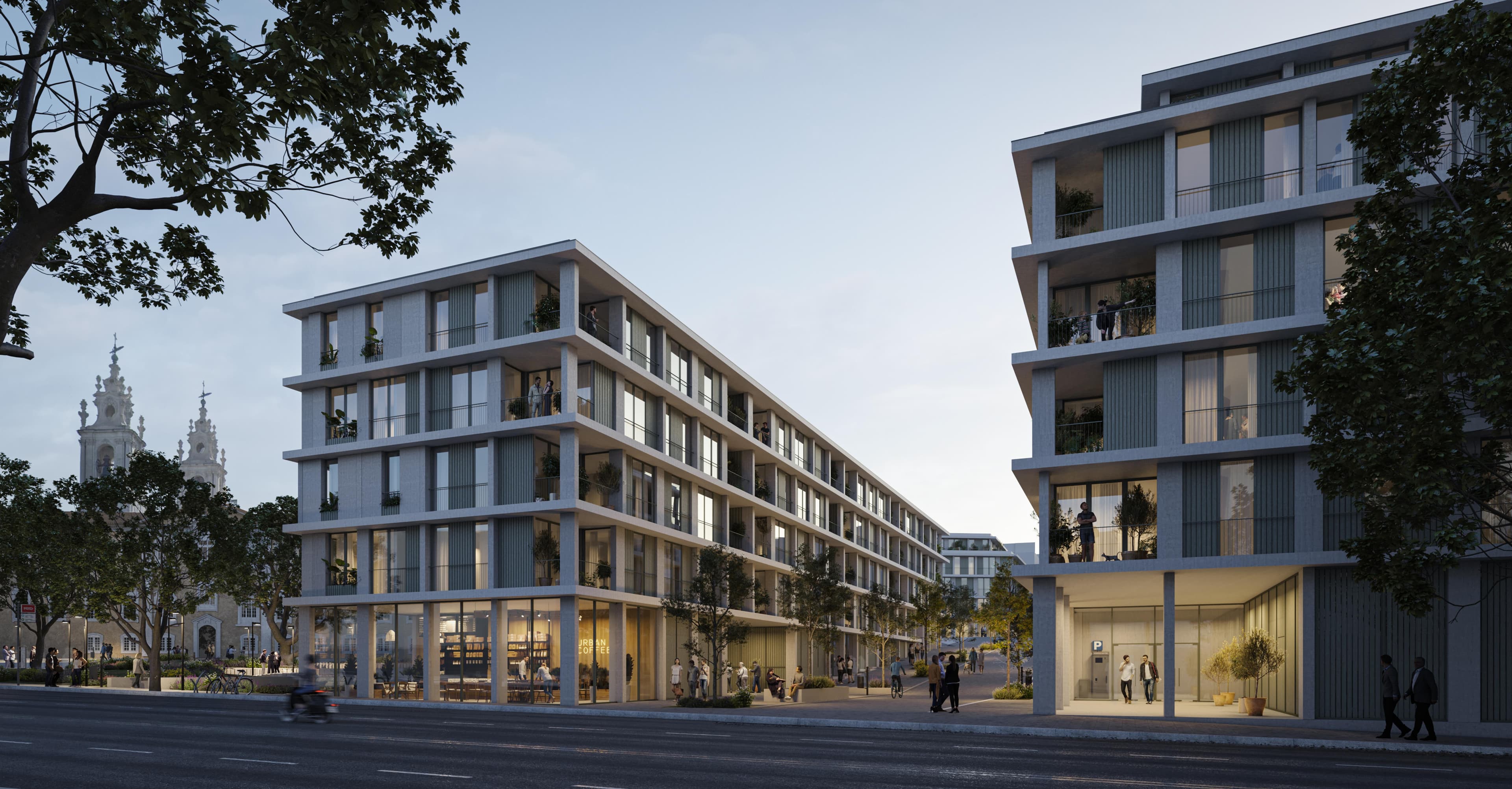
Teases 100 affordable homes, lush garden, historic Basilica proximity, and vibrant public spaces.
Adro
Lisbon, Portugal
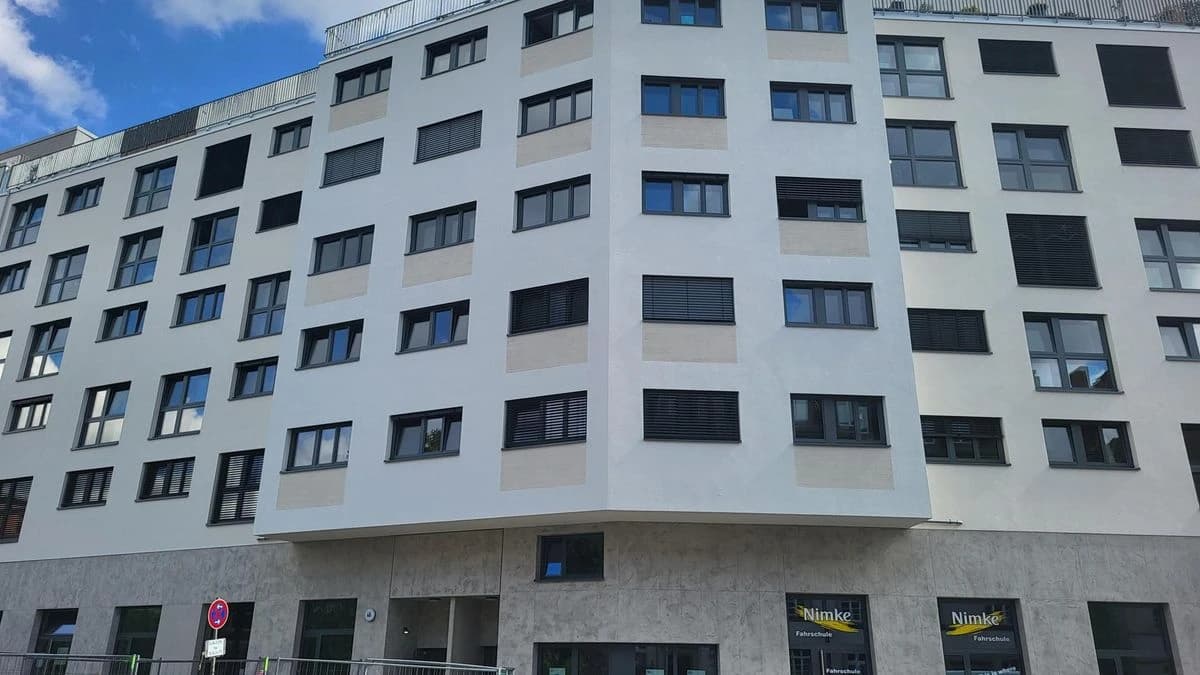
50 apartments, 13 rent‑controlled units, 600 m² commercial space, energy‑efficient KfW40 design.
Blaue Insel
Berlin, Germany
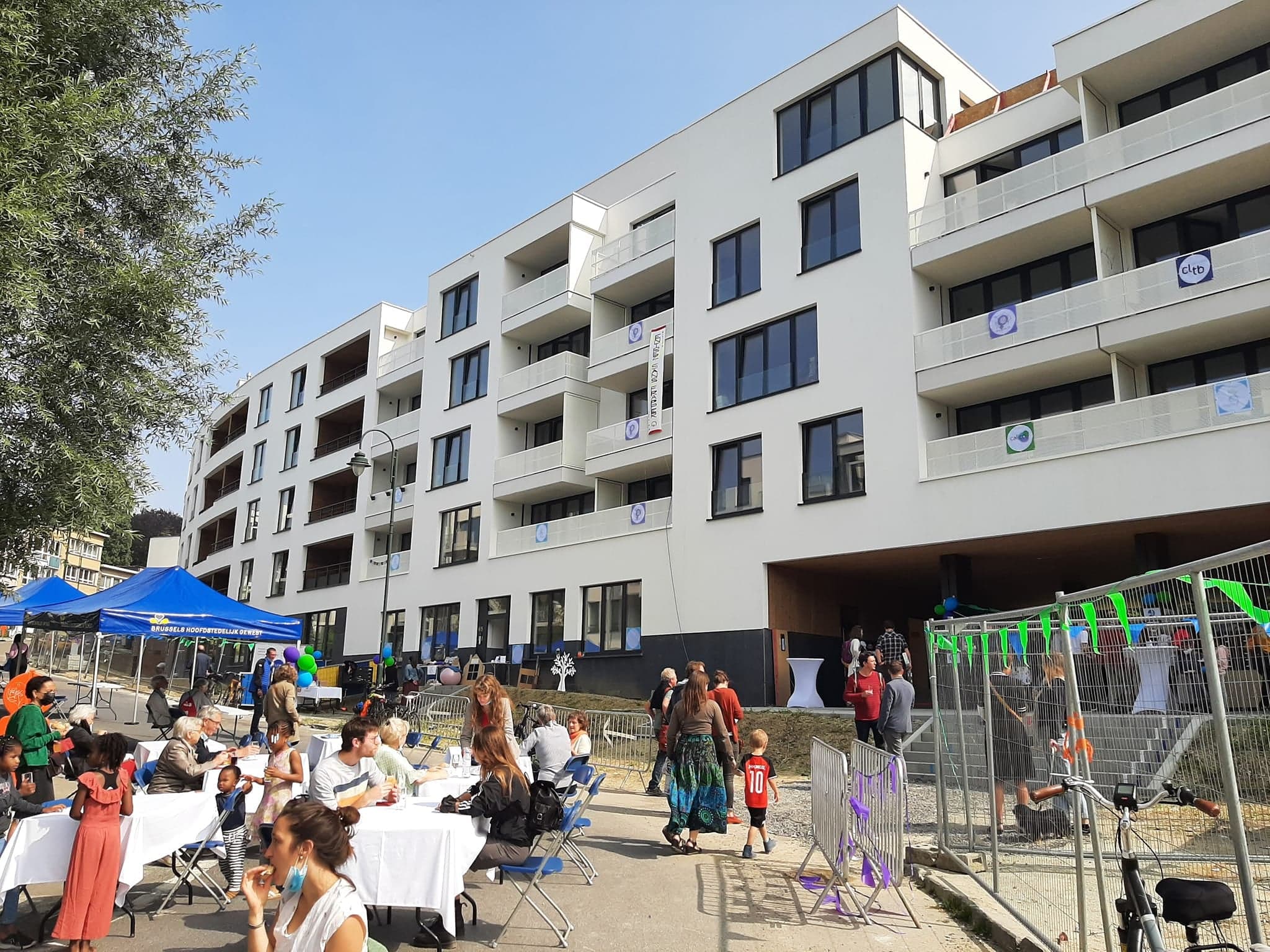
34 homes across three clusters for families, single mothers, elderly women, plus Housing First units.
Calico
Brussels, Belgium
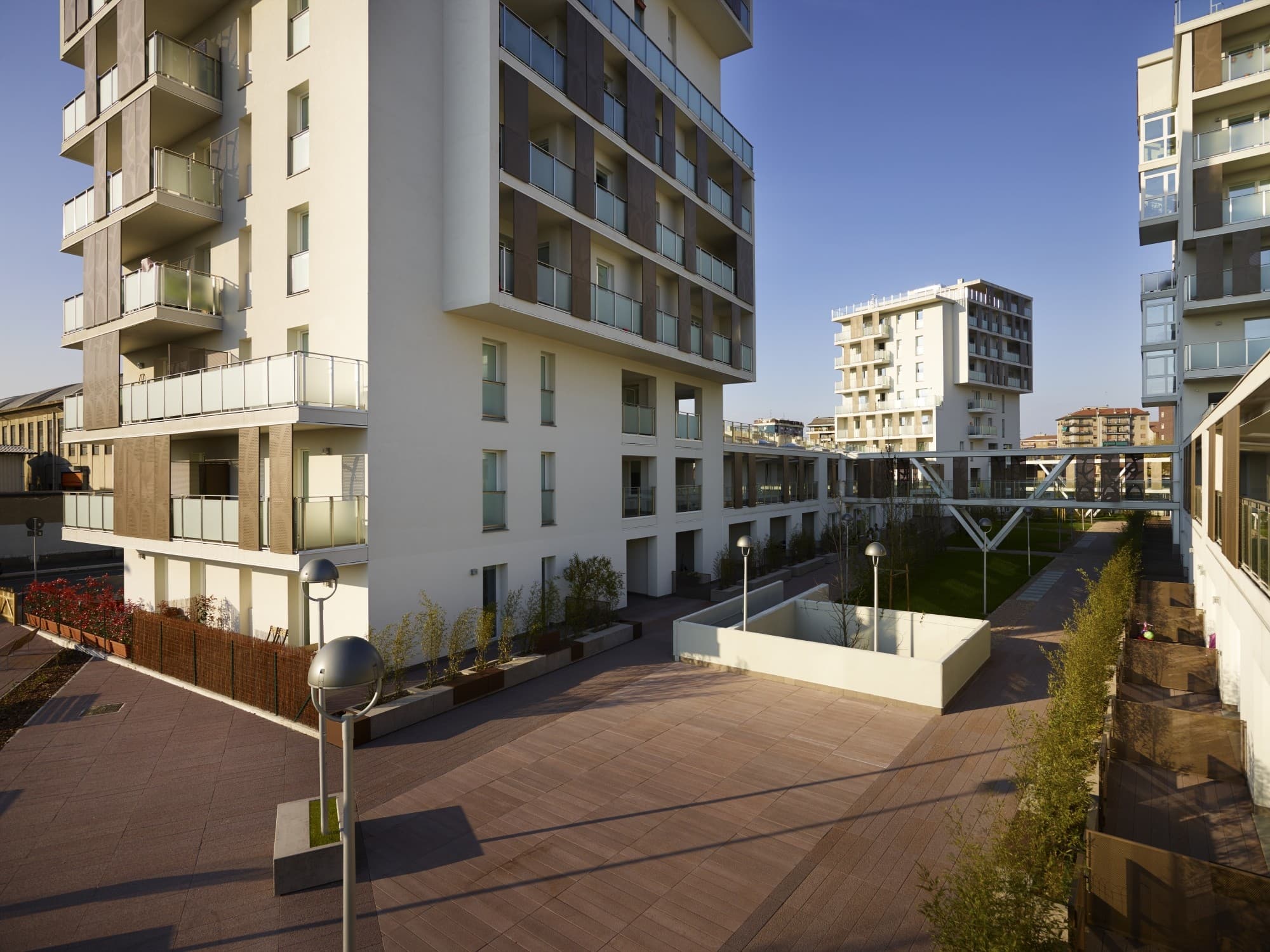
Four nine‑story timber towers, 123 affordable apartments, award‑winning co‑housing for young adults.
Cenni di cambiamento
Milan, Italy

Sofia boasts 84% home ownership, near‑zero cooperative housing, and a tiny 0.7% municipal stock.
Cooperative Housing in Sofia
Sofia, Bulgaria
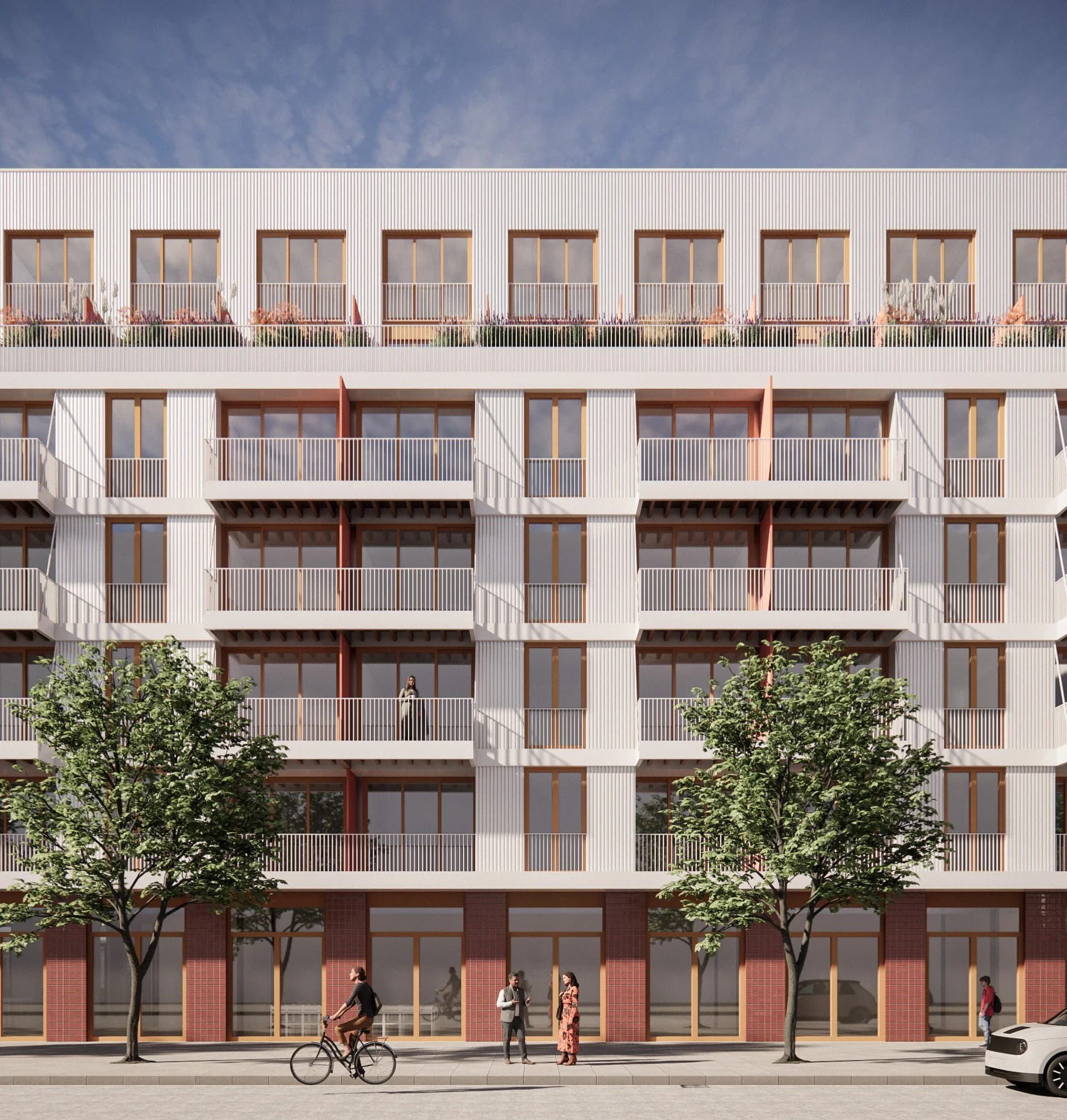
130‑plus affordable, self‑managed apartments on a vacant municipal plot in Amsterdam’s Nieuw‑West.
De Bundel
Amsterdam, Netherlands
Related Events
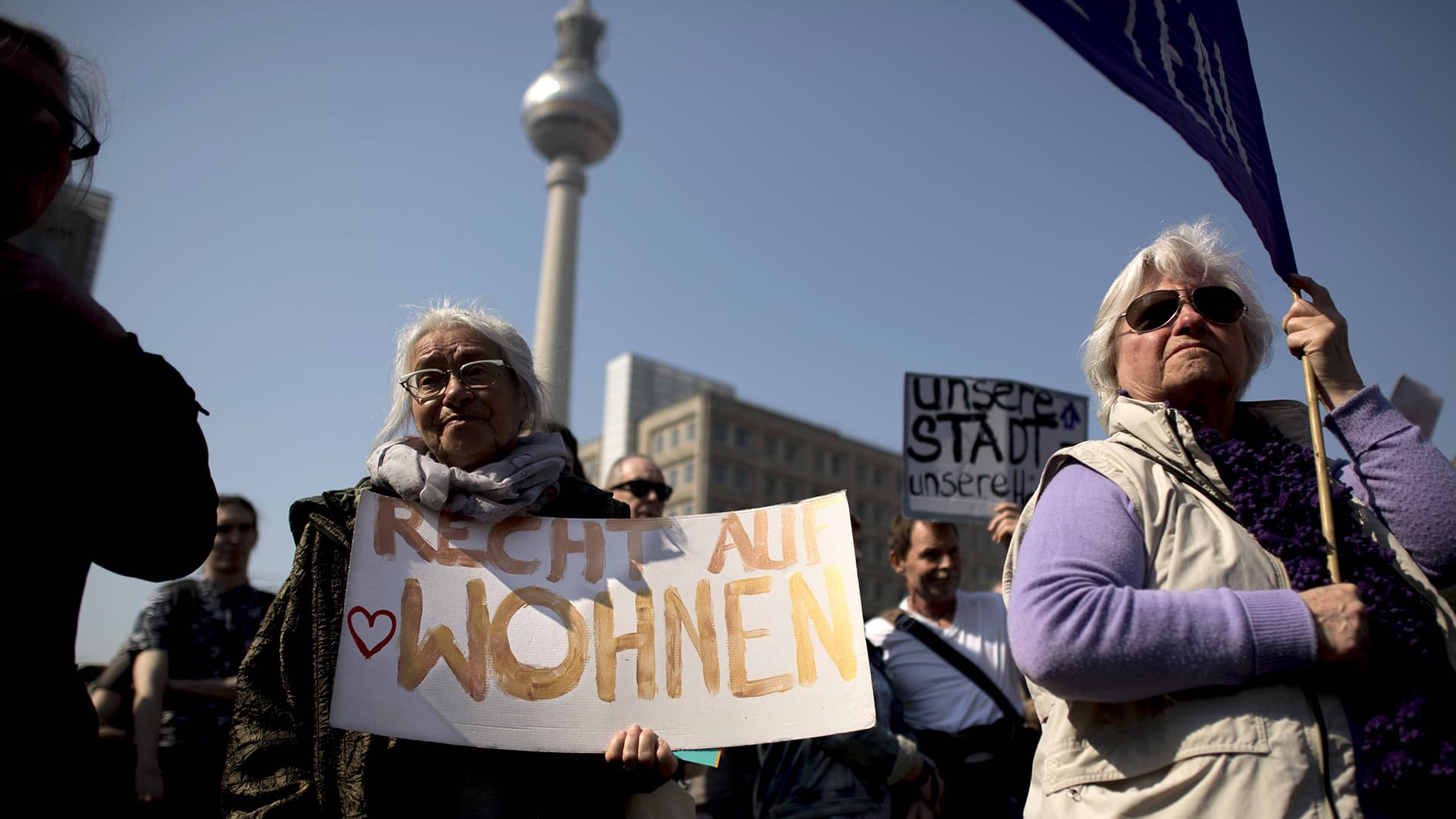
Policymakers and housing activists discuss Berlin's rental crisis and progressive housing solutions.
Sicher Wohnen in Berlin - Der Markt regelt es nicht!
Berlin, Germany

Researchers, policymakers, and early-career scholars discussing homelessness research and housing exclusion across Europe.
20th European Research Conference on Homelessness
Lisbon, Portugal
Policymakers, practitioners, and municipal leaders collaborate on Housing First solutions to end homelessness.
Housing First Europe Conference 2026
Rotterdam, Netherlands

Housing professionals and policymakers network to advance affordable, energy‑efficient housing solutions across Europe.
Affordable Housing Initiative Days
Guimarães, Portugal
Other topics in Crisis, Policy & Movements

Have resources to share?
Help grow our knowledge base by submitting research, case studies, or other resources related to housing affordability & social inclusion.
Submit a Resource