
Crisis, Policy & Movements
The European Housing Crisis
Understanding the affordability, ecological and social emergency tearing Europe apart
Across Europe, the fundamental right to shelter has fractured into a multi-dimensional emergency. Rents and purchase prices have severely outpaced wages, leaving young people, migrants, and key workers to bear the heaviest burden. This affordability gap is compounded by a stark vacancy paradox, where millions of properties stand empty while housing demand surges. Driving this crisis is the deep financialisation of the market, which increasingly treats homes as speculative assets rather than places to live. Furthermore, the built environment remains a critical ecological challenge, generating a third of the bloc's emissions. Recognising this severity, the European Commission has elevated affordable housing to a top policy priority, acknowledging that resolving the crisis requires tackling structural speculation alongside urgent, carbon-conscious renovations.
This page gathers the essential evidence base to understand these intersecting challenges. Below, you will find financialisation studies examining corporate landlords and the impact of short-term rentals in Berlin, alongside open data trends mapping the wider affordability gap. The collection highlights practical interventions, from repurposing empty spaces in Britain to analysing construction costs in Dublin and sufficiency strategies for the EU Whole Life Carbon Roadmap. You can connect with leading organisations such as the European Network of Housing Research, the KU Leuven Urban Studies Institute, and Pushback Talks. We invite you to explore these resources and discover upcoming events, including the Affordable Housing Initiative Days and the ENHR Annual Conference 2026, to join the debate on shaping a fairer housing future.
This page gathers the essential evidence base to understand these intersecting challenges. Below, you will find financialisation studies examining corporate landlords and the impact of short-term rentals in Berlin, alongside open data trends mapping the wider affordability gap. The collection highlights practical interventions, from repurposing empty spaces in Britain to analysing construction costs in Dublin and sufficiency strategies for the EU Whole Life Carbon Roadmap. You can connect with leading organisations such as the European Network of Housing Research, the KU Leuven Urban Studies Institute, and Pushback Talks. We invite you to explore these resources and discover upcoming events, including the Affordable Housing Initiative Days and the ENHR Annual Conference 2026, to join the debate on shaping a fairer housing future.
Go deeper
Long reads that explain the european housing crisis properly, with every number linked to its source.
Key Aspects
Affordability gap
Rents and purchase prices have outpaced wages across most European cities for over a decade
Vacancy paradox
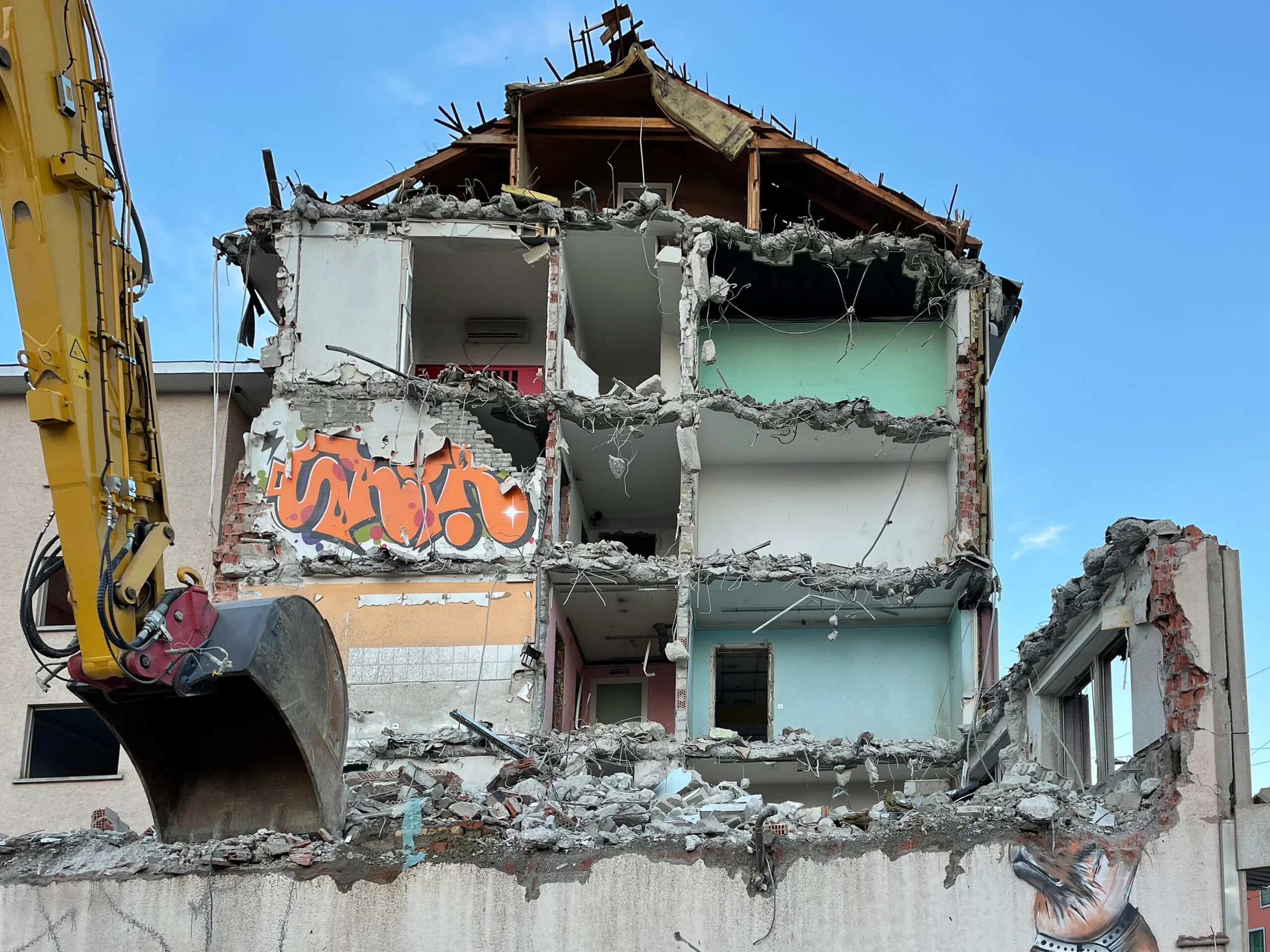
Tens of millions of homes and offices stand empty while housing demand surges
Financialisation
Housing increasingly traded as a financial asset rather than a place to live
Climate intersection
A third of EU emissions come from buildings, most from existing stock that needs renovating
People affected
Young people, single parents, migrants and key workers bear the heaviest burden
Knowledge Resources

Explores diverse financial mechanisms reshaping urban dwellings, revealing policy impacts and market complexities worldwide.
The variegated financialization of housing
Lisbon’s short‑term rentals fuel housing scarcity, raising rents and displacing long‑term residents, per 2021 study.
Airbnb, buy-to-let investment and tourism-driven displacement: A case study in Lisbon
ECB’s 2025 review uncovers hidden macro‑financial risks, resilience metrics, and forward‑looking policy implications.
Financial stability review, May 2025
Latest German housing market data reveals regional rent growth, vacancy trends and demographic shifts.
Wohnungswirtschaftliche Daten und Trends 2023/2024: Jahresstatistik
In 2025, 6% of EU tourist nights stem from rentals, generating €12 bn and 250 k jobs.
Short-stay accommodation offered via online collaborative economy platforms
European cities see investor rentals exceed 30%, mortgage securities 12% of assets, urging sustainable policy reforms.
The de-financialisation of housing: Towards a research agenda
Related Organisations

Urban Journalism Network
Housing Studies
London, UK
bulwiengesa
Berlin, Germany
Rehousin
EU wide, EU

Pushback Talks
Malmö, Sweden
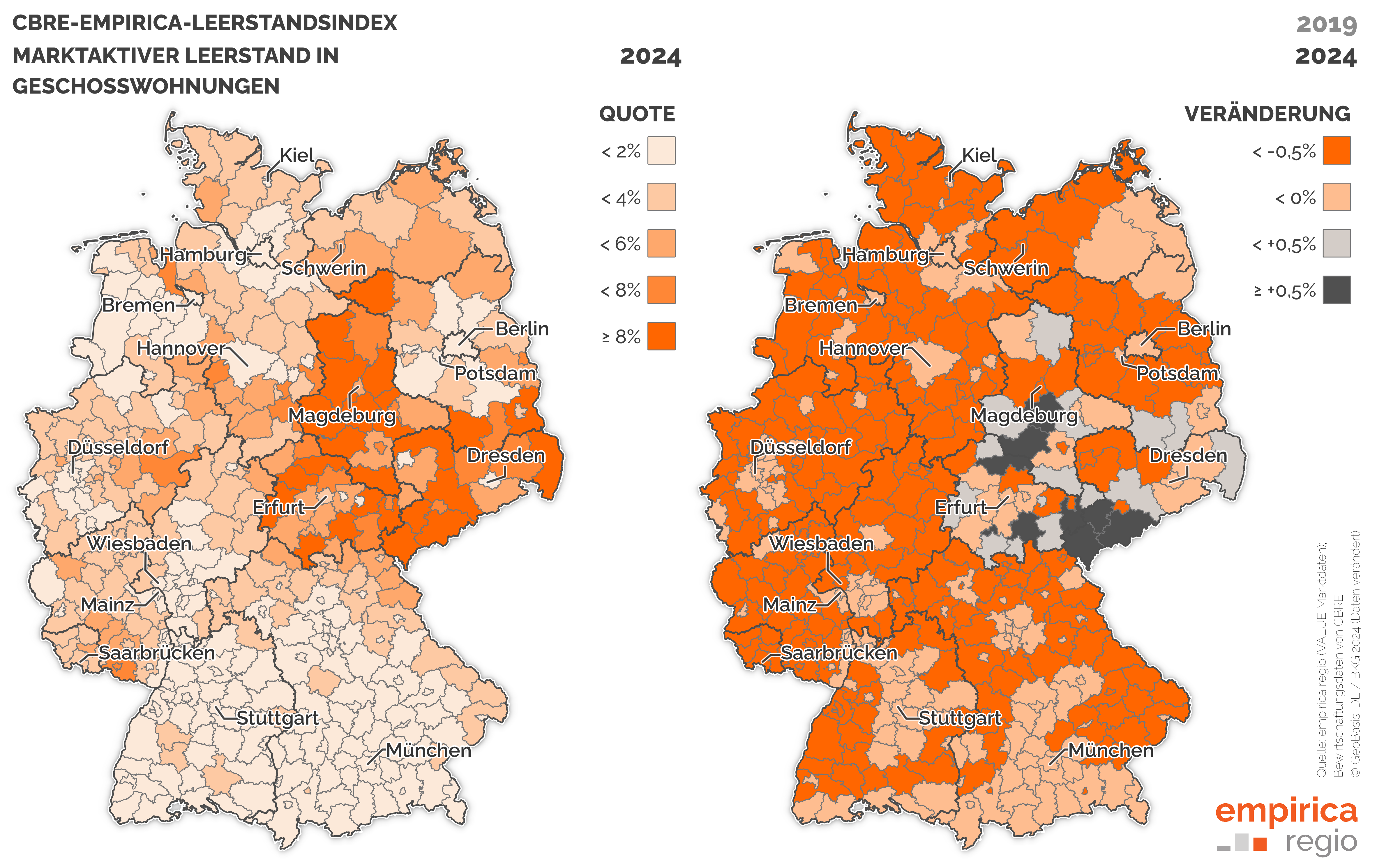
empirica ag
Berlin, Germany

Social Europe
Berlin, Germany
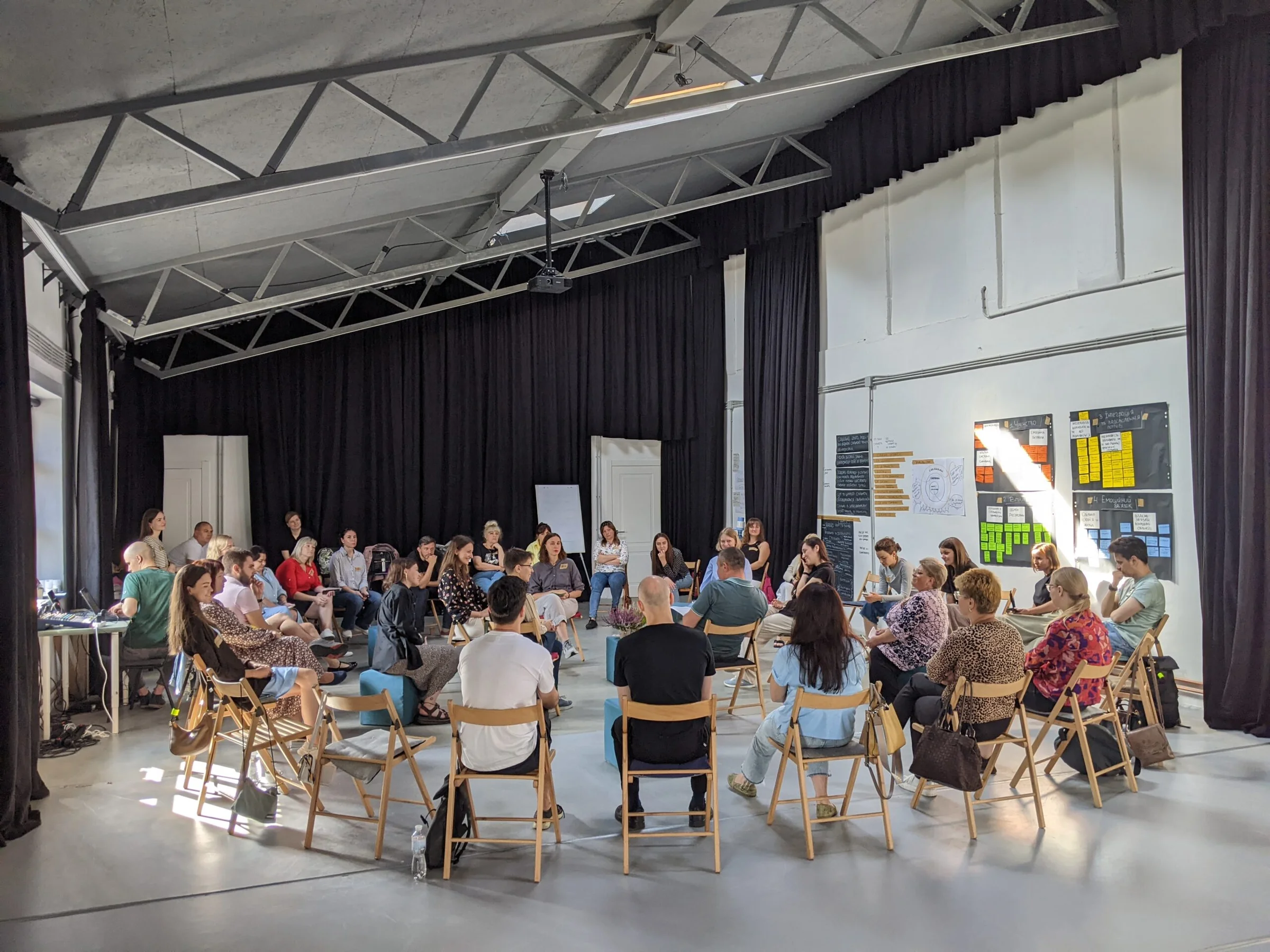
Cedos
Kyiv, Ukraine

Euronews
Lyon, France
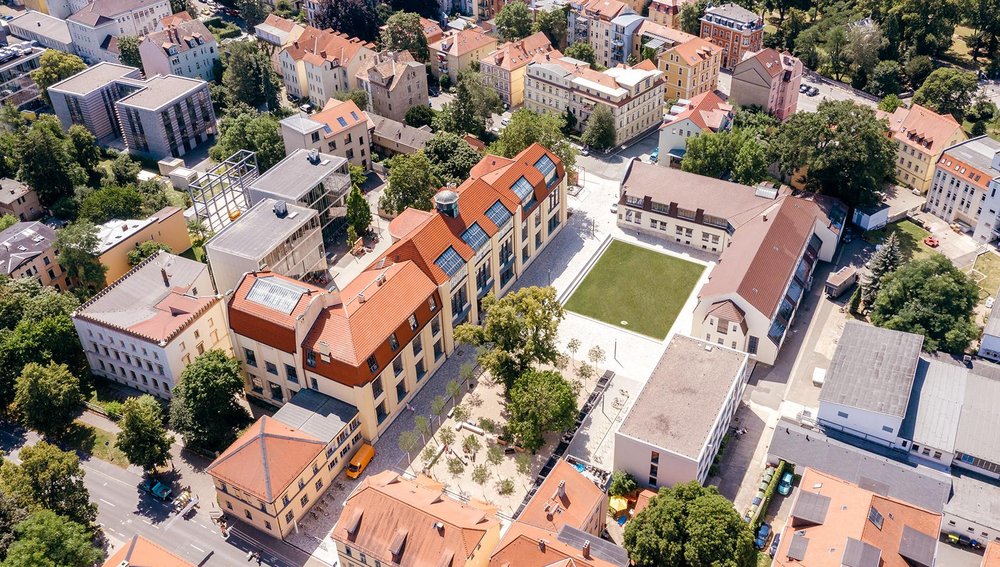
Institute for European Urban Studies
Weimar, Germany

European Network of Housing Research (ENHR)
Delft, Netherlands
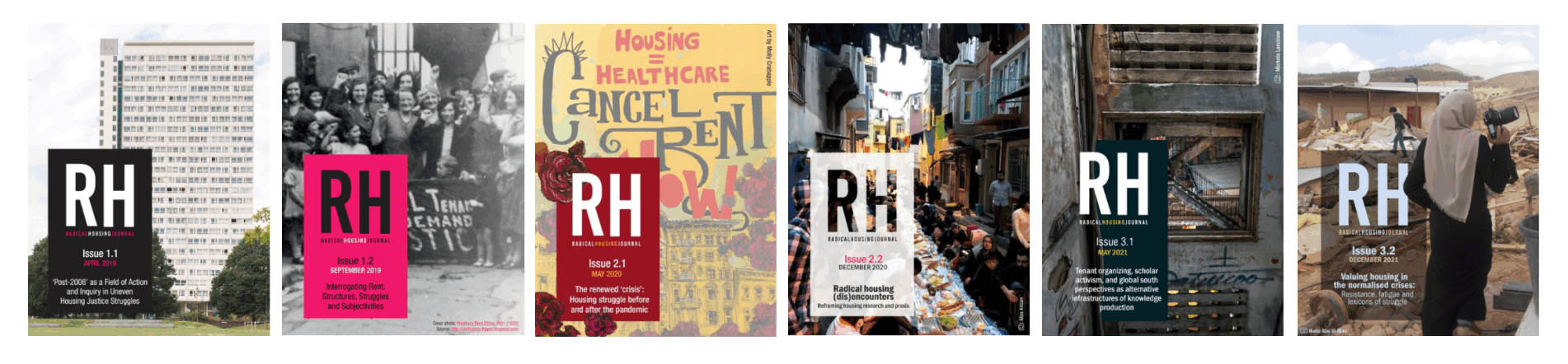
Radical Housing Journal
Sheffield, UK
Related Events
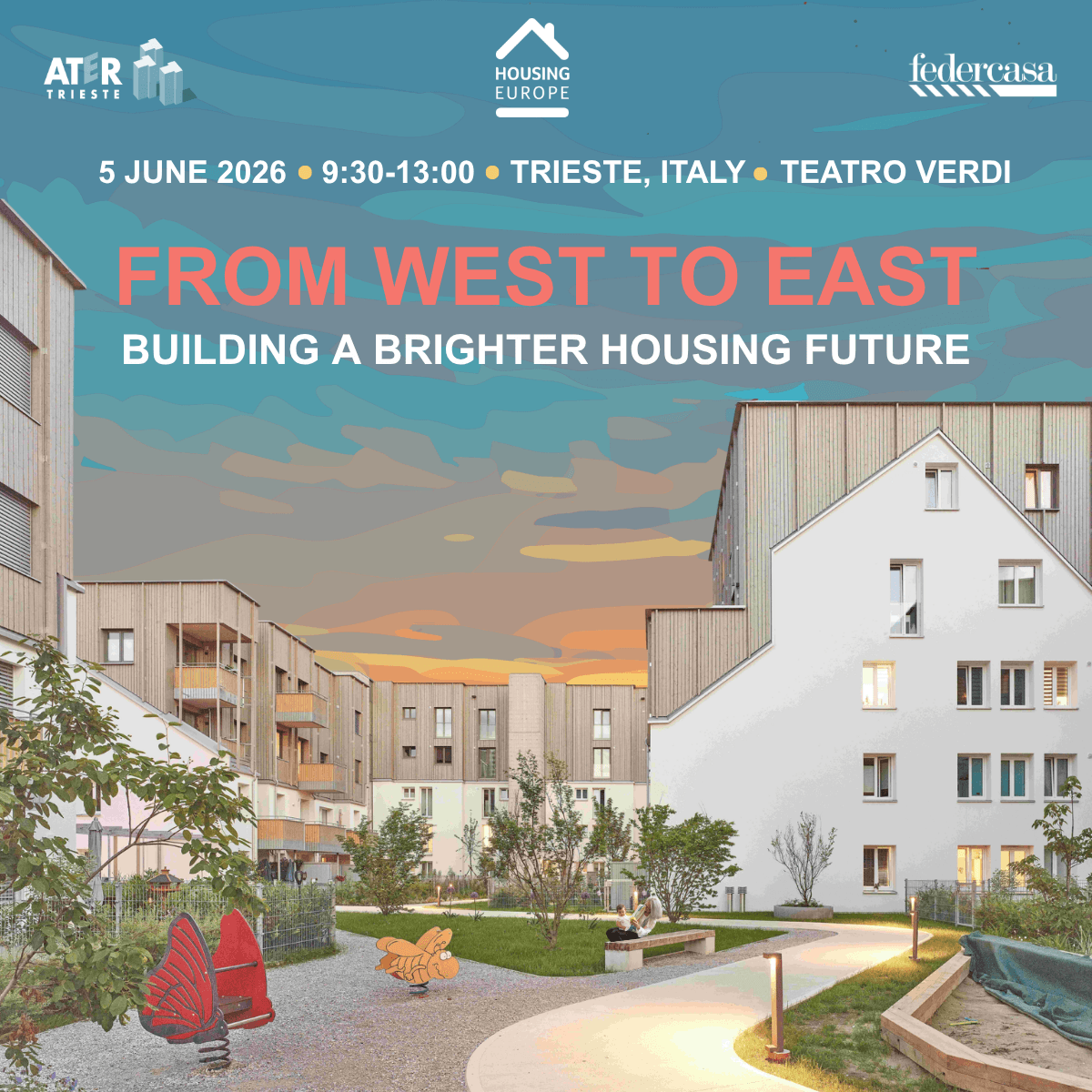
Housing leaders, policymakers and practitioners collaborate on European housing challenges and sustainable solutions.
From West to East: Building a brighter housing future
Trieste, Italy

Housing professionals and policymakers network to advance affordable, energy‑efficient housing solutions across Europe.
Affordable Housing Initiative Days
Guimarães, Portugal

Housing researchers, policymakers, and early‑career scholars discuss affordable, sustainable housing policies and practices.
ENHR Annual Conference 2026
Oslo, Norway

EU policymakers and housing stakeholders address affordable housing crisis and develop EU-wide solutions.
Conference on affordable housing – addressing the European housing crisis
Brussels, Belgium
Other topics in Crisis, Policy & Movements


Have resources to share?
Help grow our knowledge base by submitting research, case studies, or other resources related to the european housing crisis.
Submit a Resource