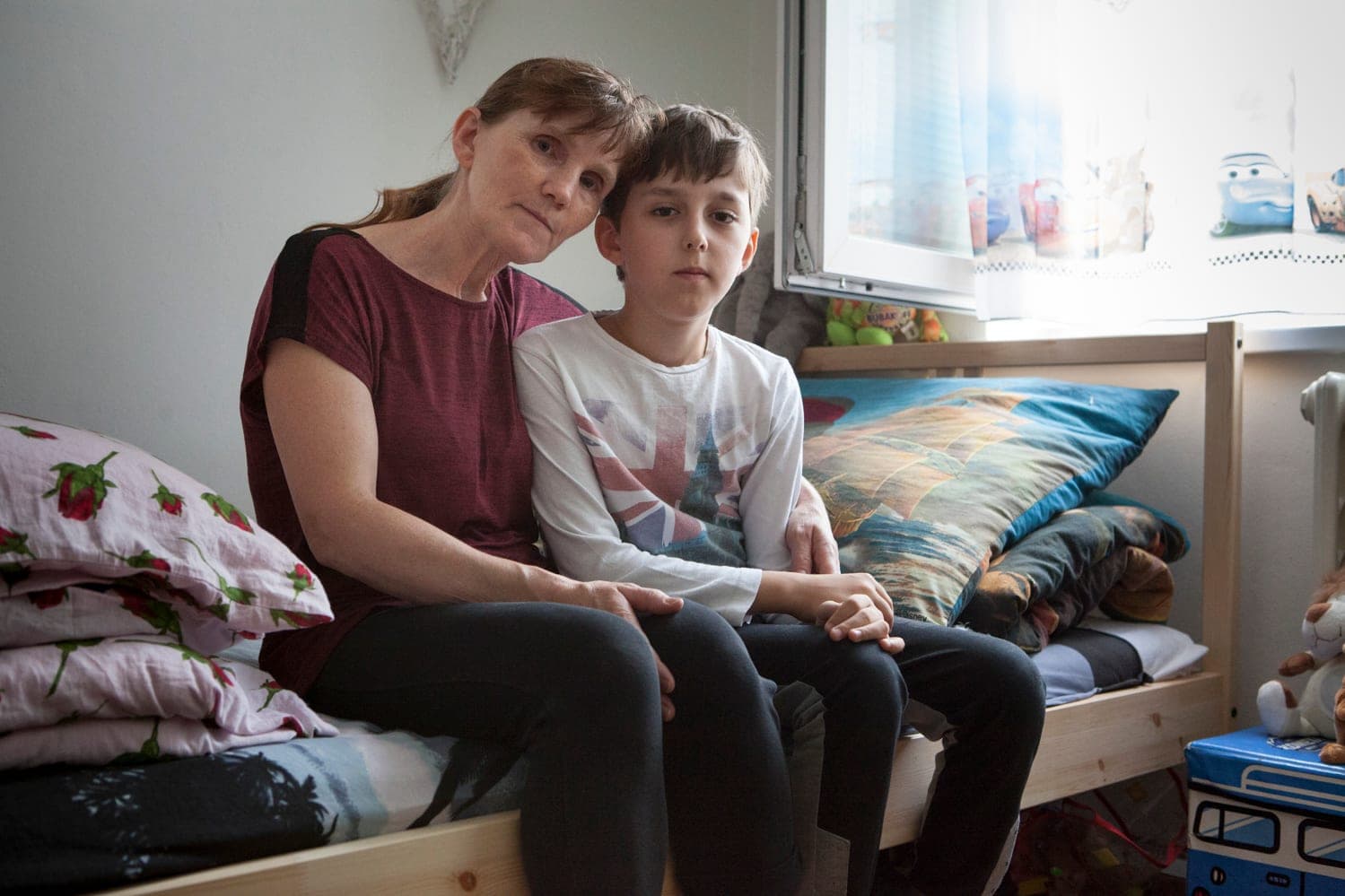
Rapid Re-Housing Brno was a pilot project in Brno, Czech Republic, designed to test whether providing families with children experiencing homelessness with municipal housing and flexible social-work support could help end their homelessness and provide a sustainable alternative. The project ran from April 2016 to August 2018 and aimed to house 50 families living in substandard accommodation, including hostels and overcrowded or unsuitable flats.2
The City of Brno implemented the project with IQ Roma Servis, which delivered support to families, and the University of Ostrava, which contributed research; Masaryk University in Brno also took part in the research team evaluating the results.1311 The programme used a randomised selection of families and compared outcomes with a control group.12
In the one-year evaluation, 48 of the 50 families offered housing were able to keep their municipal rental homes for a year with support. The intervention families spent an average of 11.8 months in ordinary housing during the year after moving in, compared with 2.7 months for the control group.1 The evaluation also reported that the project avoided 3,984 days of children’s placement in institutional or foster care.1
The project cost about CZK 10 million, with 95% funded from European structural funds. Its cost-benefit analysis estimated that public budgets saved an average of CZK 31,000 per family in the year after moving in, or more than CZK 1.5 million across the 50 families.1 Štěpán Ripka, head of the research team at the University of Ostrava, presented the findings; Brno deputy mayor Robert Kerndl said the city would use the evaluation in considering future support for the approach.1