GEWIWO Berlin is a housing cooperative based in the Reinickendorf district that has operated for over a century as a member-owned organization providing affordable housing. Founded in 1924 by builder Fritz Klein, the cooperative initially faced severe financial difficulties that nearly destroyed it. Klein's self-dealing practices—overcharging for land and construction—left the organization technically bankrupt by the early 1930s. Members voted to write off 95 percent of their investments to secure state assistance and reorganization, a dramatic sacrifice that saved the institution and led to its official recognition as a nonprofit housing provider.
Today, GEWIWO manages approximately 2,100 apartments across four Reinickendorf neighborhoods: Wittenau, Tegel, Waidmannslust, and Hermsdorf. The cooperative's most significant architectural legacy is its founding settlement designed by renowned architect Hermann Muthesius, comprising roughly 990 apartments built between 1924 and 1931. This ensemble remains protected as a historical monument.
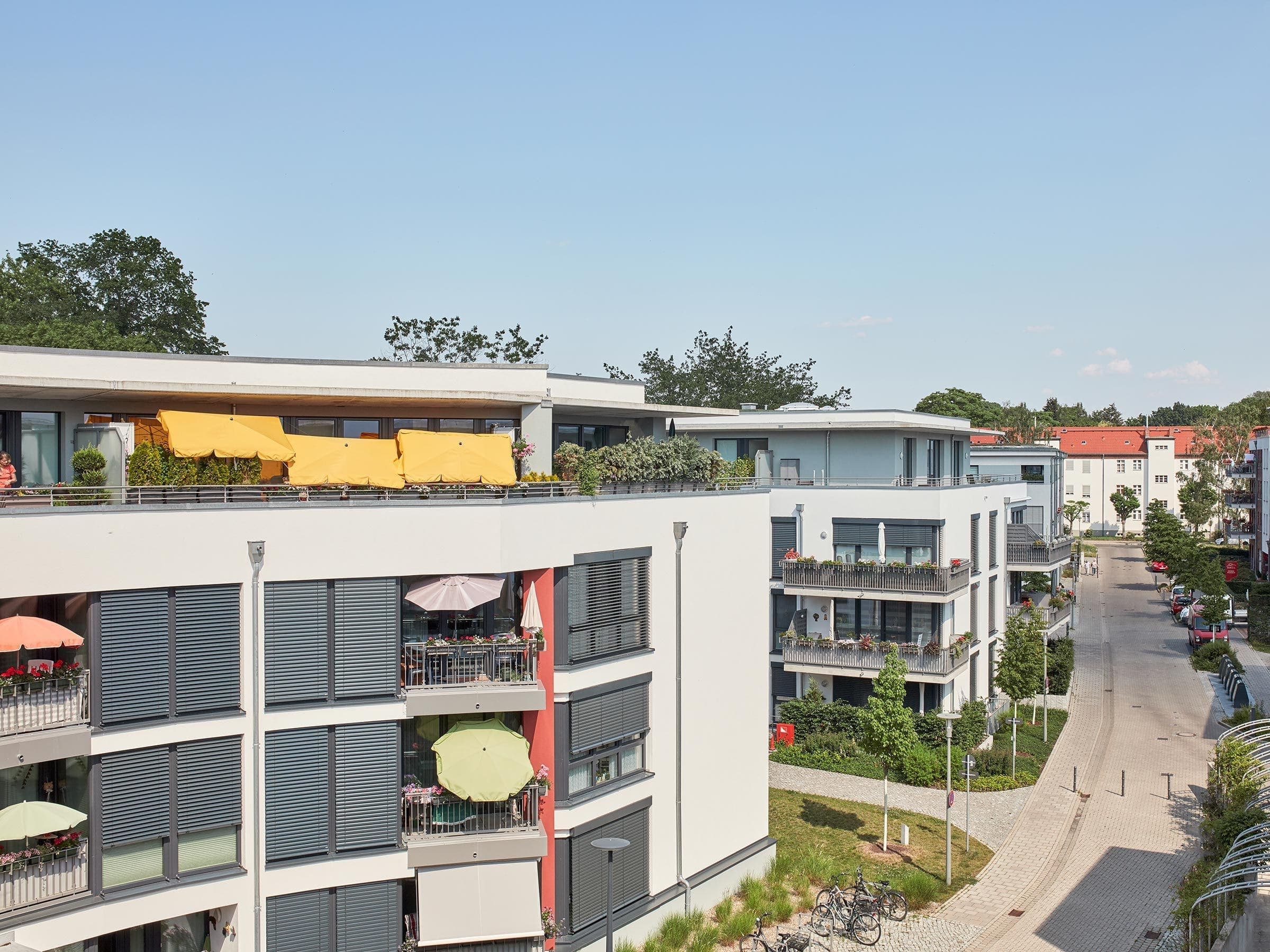
Over the past three decades, GEWIWO has constructed nearly 500 new units, adapting to changing demographics and environmental standards. Recent projects include 141 barrier-reduced apartments at Techowpromenade with extensive community facilities—saunas, fitness areas, and communal gardens—financed through climate-friendly building programs. The cooperative emphasizes long-term resident stability through permanent contracts, positioning itself as providing housing security across generations rather than pursuing profit maximization. Member satisfaction and neighborhood cohesion remain central to its operational philosophy.