Overview of the Survey and Its Origin
The article presents findings from a survey conducted by the Balearic Tourism Strategy Agency (AETIB) on behalf of the Balearic Government in October 2024. The study sampled 2,008 residents across the four islands, aiming to gauge public opinion on tourism’s impact on housing affordability, quality of life, and the environment. It was published by Economía de Mallorca, a regional economic news outlet, which regularly reports on local market trends and policy issues.
Public Perception of Tourist Volume
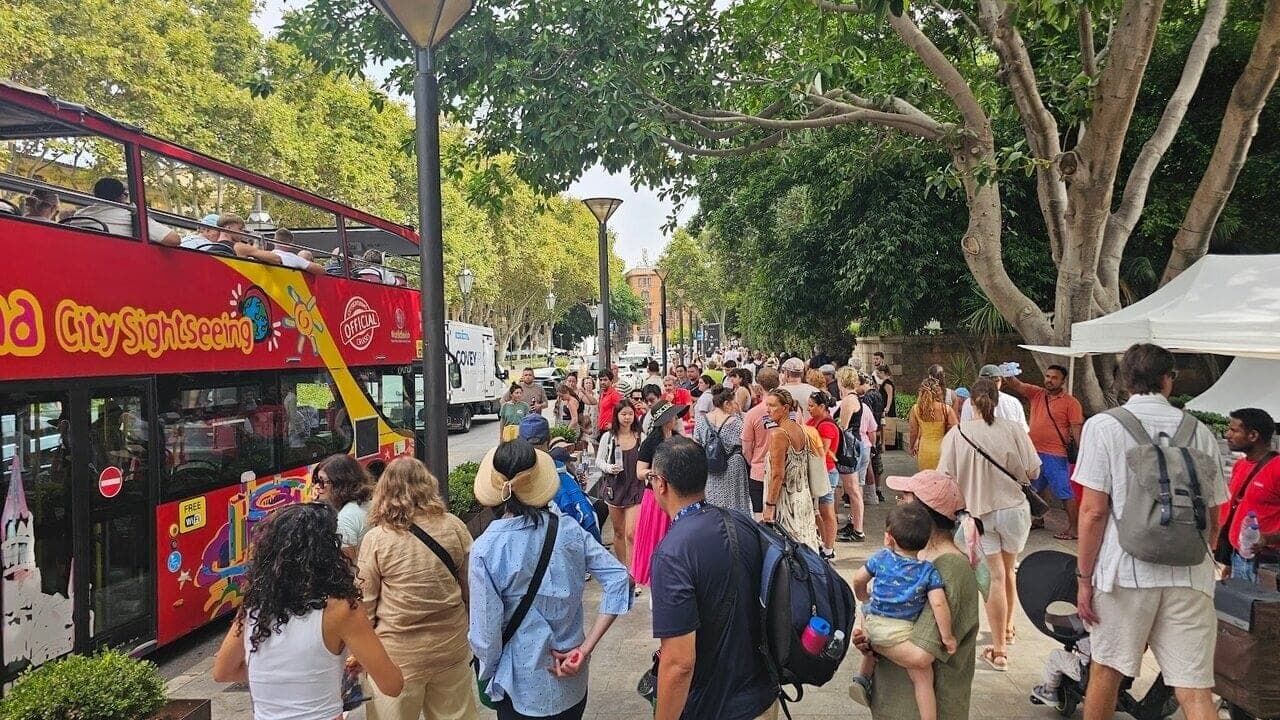
Three‑quarters (75 %) of Balearic citizens consider the number of tourists visiting the archipelago to be excessive, while 77 % believe that tourism drives up housing costs. This sentiment is particularly strong among residents with low to medium incomes, where opposition to private‑home tourist rentals reaches nearly 70 %.
Satisfaction Levels with Tourism
Overall satisfaction with tourism stands at 42 %, the lowest recorded in the series of surveys dating back to 2016. Satisfaction is highest in Formentera (68 %) and Menorca (65.6 %), but drops to 48.3 % in Ibiza and a mere 38 % in Mallorca, reflecting regional disparities in perceived benefits.
Views on Tourism’s Effect on Quality of Life
Only 19.5 % of respondents feel tourism improves quality of life, while 36.3 % think it maintains it. A minority (13.4 %) see no impact, and a substantial 30.8 % judge it harmful. Regarding cultural and heritage identity, 32 % view tourism’s influence as detrimental, a figure that climbs to 51.4 % in Mallorca.
Economic Contributions Recognised by Residents
Despite concerns, 86 % acknowledge tourism’s important or moderate role in wealth generation, and 73.8 % recognise its contribution to employment creation. These positive assessments coexist with strong criticism of negative externalities.
Negative Impacts Highlighted by the Population
A majority attribute tourism to several adverse outcomes: 77.2 % link it to rising housing prices, 55.3 % to higher costs of goods and services, 65.5 % to increased congestion and traffic, and 63.2 % to environmental degradation. These figures illustrate the breadth of perceived drawbacks.
Preferred Policy Measures to Contain Tourism
Nearly seven out of ten residents (69.1 %) support limiting overall visitor numbers, with a similar proportion favouring restrictions on cruise ships. In Mallorca, support for these measures rises to 77.4 %. Specific controls receive strong backing: 68.4 % endorse limiting tourist accommodation slots, and 80.5 % support caps on short‑term rental units. Additionally, 79.6 % favour restricting rental cars, and 51.9 % call for curbing tourism promotion across the islands.
Trends Over Time and Growing Opposition
Comparisons with earlier surveys (2016, 2018, 2020, 2022) reveal a steady decline in satisfaction and a rise in negative sentiment. From 2016 to 2024, the share of residents who believe tourism harms their quality of life grew from 18.8 % to 30.8 %. Perceptions that tourism damages cultural identity increased from 20.2 % to 32 %. Between 2022 and 2024, the belief that there are “too many tourists” rose by five points to 75.6 %, while opposition to holiday rentals climbed from 42.6 % to 61.8 %.
Implications for Sustainable Housing Policy
The data underscore a strong public demand for measures that mitigate tourism’s pressure on the housing market and protect environmental and cultural assets. For a pan‑European audience interested in sustainable housing, the Balearic case illustrates how unchecked tourism can exacerbate housing unaffordability and strain local infrastructure, prompting calls for regulated visitor numbers, stricter short‑term rental controls, and broader sustainability strategies.