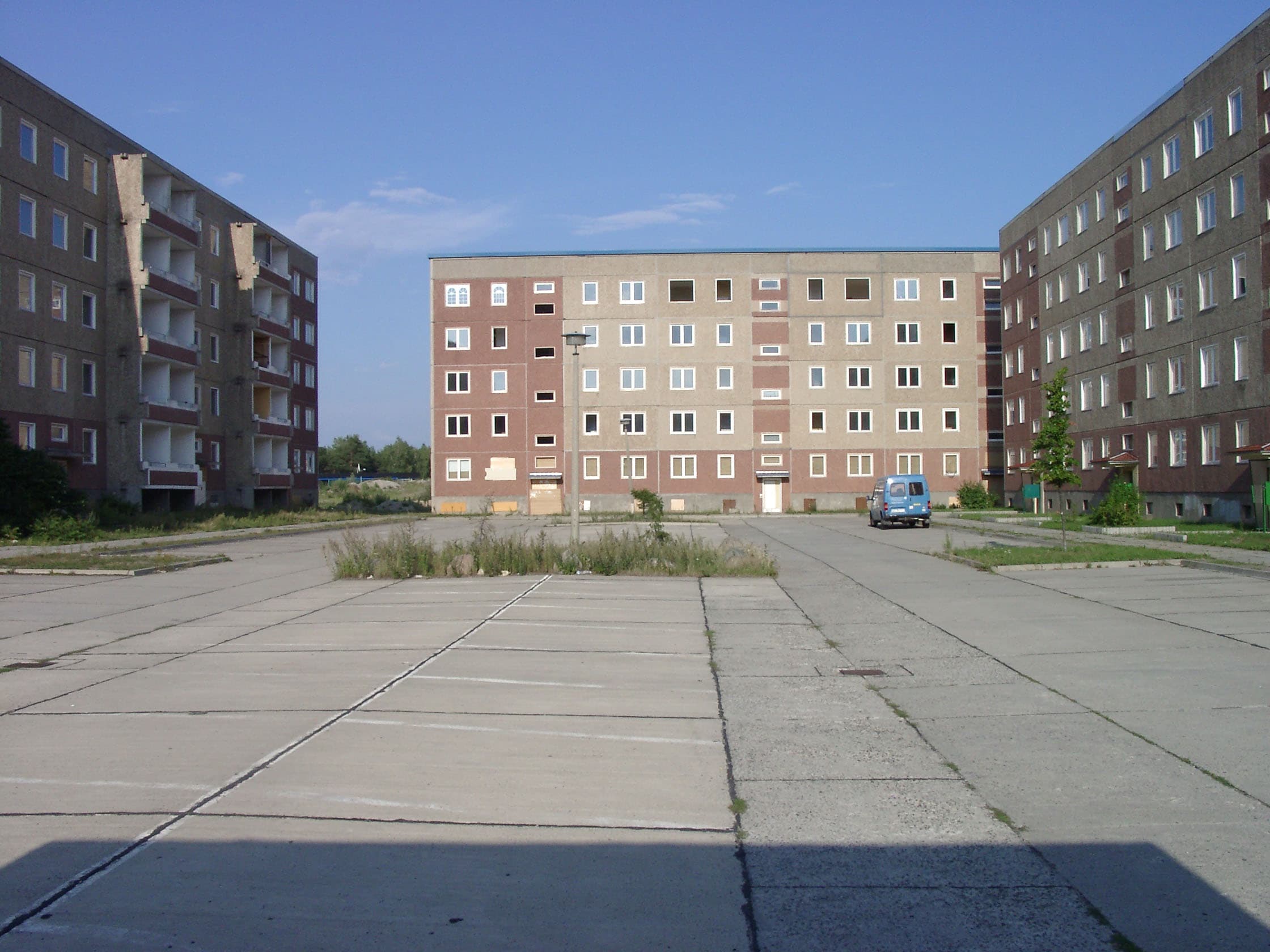
Introducing the Horizon Magazine Feature
The article “The hidden link between Europe’s housing crisis and energy poverty” by Gareth Willmer, published in Horizon Magazine, examines how unaffordable, energy‑inefficient homes affect millions across the EU. It draws on research from the EU‑funded PREFIGURE and HouseInc projects, surveying roughly 45 000 households to uncover grassroots solutions and the scale of the problem.
Key Statistics on the Crisis
Almost 10 percent of EU residents experience a “housing cost overburden”, spending more than 40 percent of disposable income on rent, mortgage and utilities. A similar share cannot keep their homes adequately warm, and rising summer temperatures are increasing the need for cooling. These overlapping burdens illustrate why housing affordability and energy poverty must be addressed together.
Integrated Research Approach
Professor Michael Janoschka of the Karlsruhe Institute of Technology leads the PREFIGURE consortium, which unites researchers, municipalities and housing organisations from eight European countries. The team has examined 16 local initiatives that combine affordable housing with energy upgrades for vulnerable groups, including low‑income households, older adults, refugees and the homeless.
Local Solutions in Action – Germany
In Karlsruhe, a twenty‑year cooperative housing programme offers renovation subsidies and allocates vacant apartments to homeless people, while also improving energy performance. The initiative has markedly reduced homelessness and demonstrates how combined housing‑energy policies can work at city level.
Local Solutions in Action – Greece
In Thessaloniki, the social rental agency Housing Thessaloniki is renovating 40 long‑empty homes for vulnerable tenants, with plans to add 60 more within three years and hundreds thereafter. The programme pairs long‑term social rental contracts with energy‑efficient upgrades, tackling the highest housing‑cost overburden in the EU.
Local Solutions in Action – Spain
Barcelona’s WikiHousing project engages young adults (18‑30) alongside architects and builders to design, prefabricate and manage energy‑efficient public housing. Participants acquire construction skills while creating an open‑source model that other cities can replicate for affordable, low‑carbon homes.
Insights from the HouseInc Project
Dr Anne Kantel of the Fraunhofer Institute coordinates the HouseInc study, which surveys about 15 000 households across eight nations. The research highlights structural barriers faced by marginalised groups—Roma communities lacking official residency, Ukrainian refugees with short‑term funding, and migrants in energy‑inefficient dwellings. Findings show that policy silos often leave energy poverty unnoticed at the neighbourhood level.
Survey Findings on Vulnerable Groups
Case studies reveal that Roma households frequently live in self‑built homes without legal tenure, increasing displacement risk. Ukrainian refugees in Italy encounter funding gaps that hinder stable settlement. In Mannheim’s Vogelstang district, migrants report difficulties heating and cooling homes affordably, yet municipal authorities often treat housing and energy as separate issues.
Policy Recommendations for Europe
Both research consortia advocate for a holistic, area‑wide strategy that integrates housing, energy, transport and social services. They call for longer‑term programme stability, capacity‑building for local authorities, and community‑led design processes to ensure that the green transition does not exacerbate existing inequities.
Conclusion: Linking Affordability and Sustainability
The article underscores that making homes greener alone will not guarantee fairness. Sustainable housing policies must be co‑created with the people they serve, combining affordable rent or mortgage terms with reliable, low‑carbon heating and cooling solutions. By scaling successful local initiatives and fostering cross‑sector collaboration, Europe can simultaneously address its housing crisis and energy poverty.