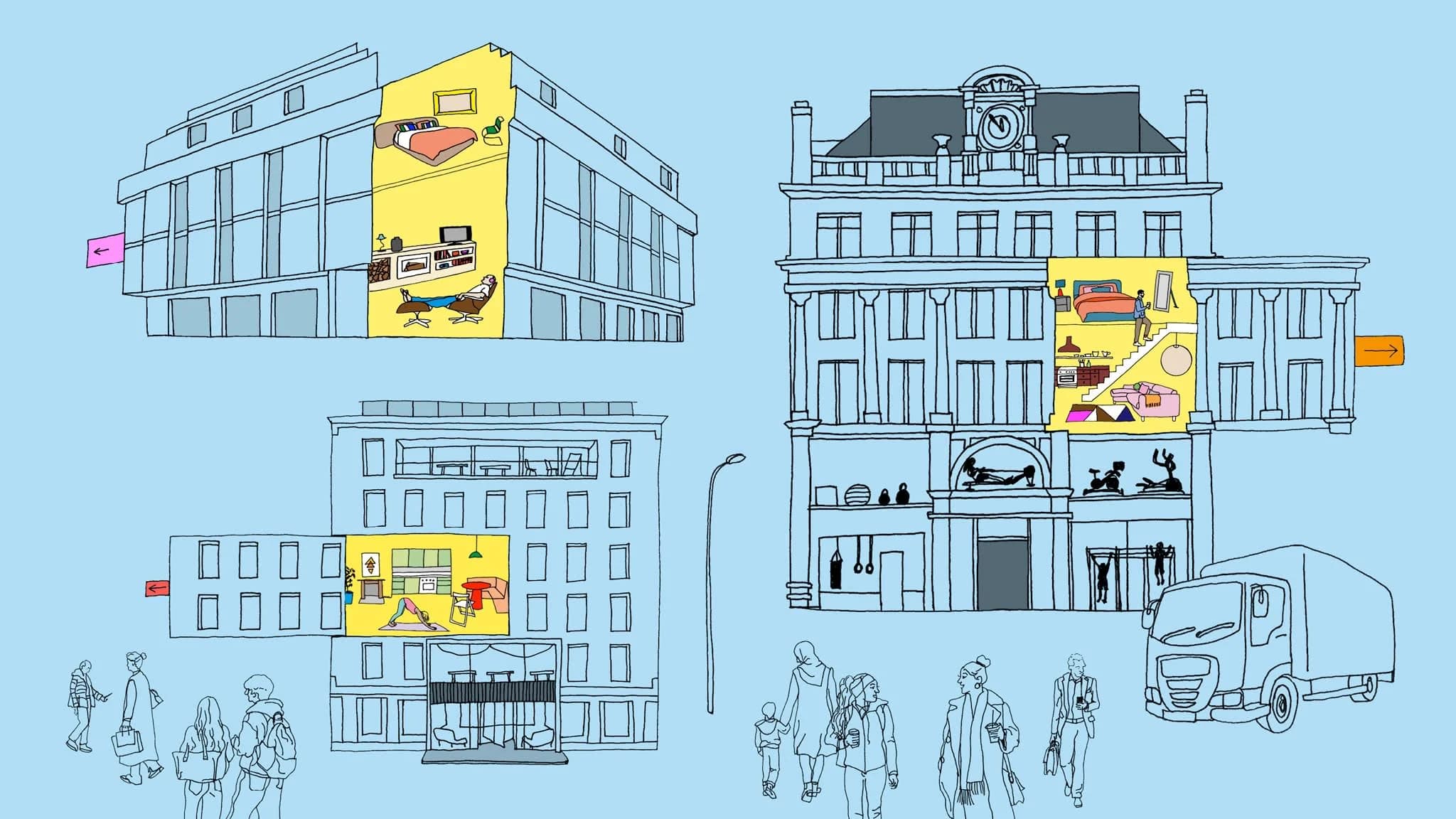
Overview of the Article
The piece “Office‑to‑residential conversions are in decline — but is that so bad?” is published by the Financial Times and authored by Mark Ellwood, a journalist covering property and housing issues. It examines the evolution of UK planning policy that permits the conversion of under‑used office buildings into homes, the recent slowdown in such conversions, and the implications for the housing shortage and sustainability goals across Europe.
Policy Background and PDR Origin
In May 2013 the coalition government introduced new Permitted Development Rights (PDR), removing the need for full planning permission to change office use to residential. The aim was to unlock vacant office stock to address the chronic housing shortage, estimated at around four million homes nationwide. PDR was intended to simplify redevelopment, reduce red tape, and promote more efficient use of existing built fabric.
Conversion Numbers and Recent Decline
Between 2015 and 2023 almost 103,000 new homes were created through change‑of‑use, with 86.7 % coming from office conversions. The peak occurred in 2016‑2017, delivering roughly 18,000 homes (≈6,000 in London). By 2024‑2025 only 5,154 former offices yielded new dwellings, a sharp drop from the earlier peak. In the year to April 2023 the annual conversion tally fell to just under 8,000 units.
Market Drivers and Constraints
Developers still see PDR as attractive because conversions avoid affordable‑housing quotas and can achieve higher margins. However, enthusiasm is dampened by several factors:
- Local authority resistance and the use of Article 4 to withdraw automatic PDR in targeted areas.
- Physical limitations of office buildings (poor insulation, small single‑aspect flats).
- Mortgage‑lending caution toward converted units, leading many to remain in the private‑rented sector.
- Recent policy tweaks in March 2024 that relaxed some rules but also reinstated size thresholds (offices >1,500 m²).
Sustainability Implications
Reusing existing office structures reduces the need for new construction material, lowers embodied carbon, and aligns with pan‑European sustainable housing objectives. Yet the shift toward high‑end luxury conversions—often large‑footprint, premium developments—means the social sustainability impact is limited, as these units do not address the bulk of the housing shortage.
Economic Context and Price Shifts
In commuter towns such as Reading, residential price per square foot rose from £373 (June 2020) to £446 (June 2022), while office prices fell from £409 to £225, highlighting a revaluation of built stock. Premium office rents in central London remain strong, with leases like 2 Finsbury Avenue commanding £100 per ft², a £30 premium over previous levels.
Types of Conversions Emerging
Developers are focusing on:
- Luxury flats and penthouses in prime locations (e.g., The OWO in Whitehall, 85 branded residences).
- Co‑living rental schemes that bypass mortgage constraints.
- Large‑scale projects where planning limits on new builds (200 m² per unit) do not apply to conversions, making them attractive to wealthy investors.
European Relevance
The UK experience illustrates how regulatory flexibility can unlock dormant urban stock, a lesson for other European cities facing office vacancy post‑pandemic. However, the balance between market‑driven luxury conversions and socially sustainable housing remains a key policy challenge across the continent.
Future Outlook
Experts predict that the “low‑hanging fruit” of easily convertible offices has largely been taken, but substantial opportunities remain in larger, less‑suitable buildings that may require additional planning interventions. Continued monitoring of PDR adjustments, local authority actions, and financing conditions will shape the trajectory of office‑to‑residential conversions and their contribution to Europe’s sustainable housing agenda.