Overview of the Policy Initiative
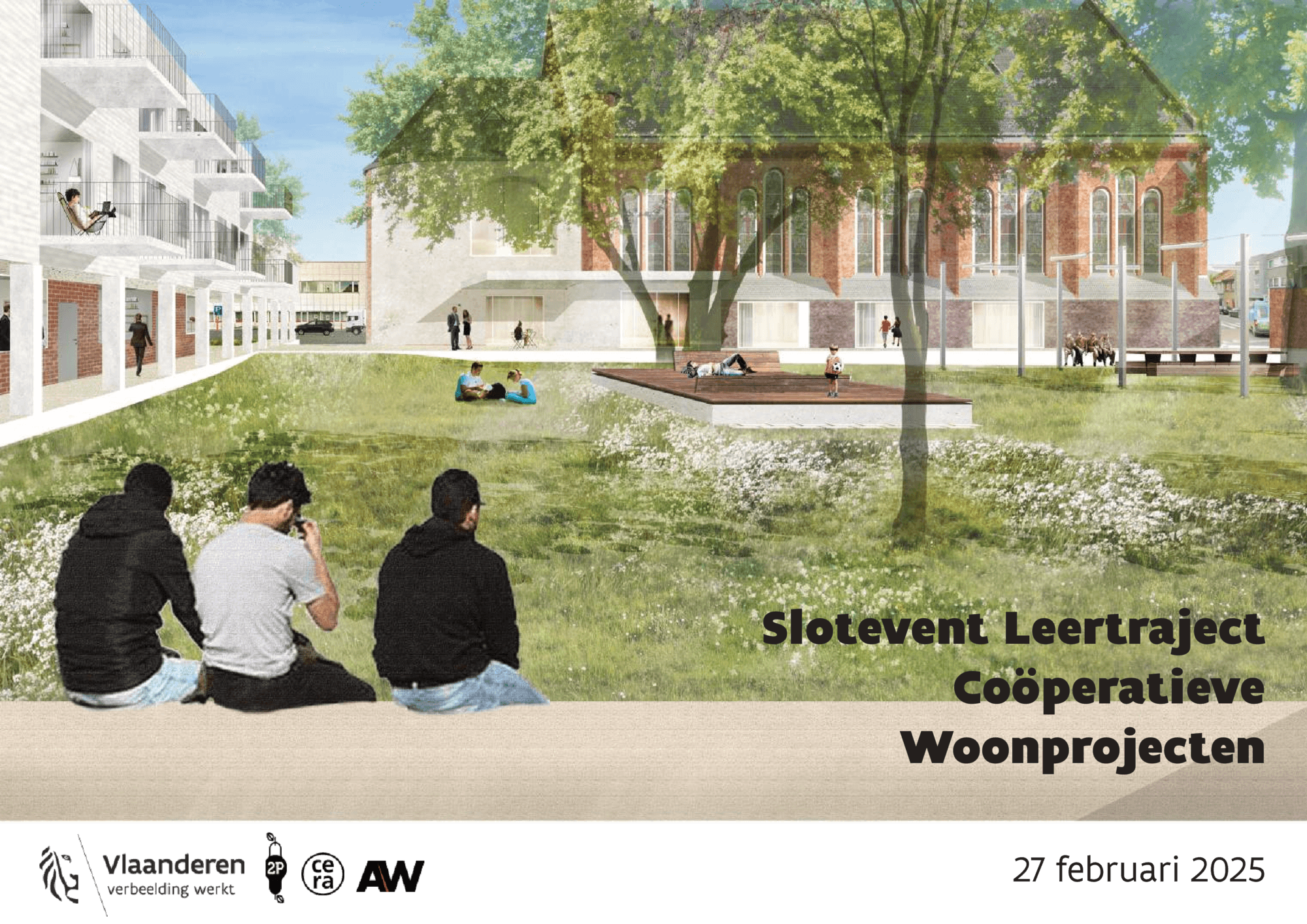
The document “Leertraject Coöperatieve Woonprojecten: Van proeftuin naar opschaling” is a policy framework produced by the Departement Omgeving of the Flemish Government. It is authored by a multidisciplinary team—Peggy Totté, Nele Smets, Lieve Jacobs, Sofie Houvenaghel, Francoise Vermeersch and Julie Mabilde—who combine expertise in architecture, urban planning and housing policy. The resource outlines how municipalities can transform public sites into affordable cooperative housing, leveraging heritage assets and municipal land.
Institutional Context and Publication
The publication originates from the Flemish Department of Environment (Departement Omgeving) and was released in February 2025. It is part of a broader Flemish strategy to increase the share of cooperative housing to 10 % of the total housing stock by 2045, equivalent to 40 000 units. The document is publicly accessible and was submitted to a central database on 19 August 2026.
Core Policy Targets and Numbers
Key quantitative targets include:
- 13 pilot locations between 2020‑2024 delivering 7 000 units.
- A long‑term goal of 40 000 cooperative‑tenure units by 2045.
- Financial limits of €15 000 per unit for planning and €35 000 per unit for construction, with a maximum interest rate of 1.5 % over 15 years.
- A dedicated cooperative fund of €50 million, of which €20 million was allocated in 2021.
Three Levers for Scaling Cooperative Housing
The framework identifies three primary levers for municipal action:
- Land – provision of perpetual leaseholds (eternal land‑lease) at low cost.
- Financing – creation of a €30 million urban fund offering low‑interest subordinated loans, and the use of roll‑over funds such as the Amsterdam model.
- Expertise – support from specialised bodies like the Flemish Heritage Agency and the Flemish Master‑Builder team to guide project development and regulatory compliance.
Examples of Existing Cooperative Projects
The document lists several operational cooperatives that illustrate the model:
- Abtshof, Gingelom – founded 2017, single group, single project.
- Gent Cooperative (wooncoop) – founded 2017, now the largest Flemish cooperative with about 25 projects.
- LIVEZ, Leuven – established 2022, targeting residents with care needs. These cases demonstrate diverse typologies, from heritage‑sensitive renovations to new builds for vulnerable groups.
Key Design and Sustainability Principles
Co‑operative housing projects emphasise:
- High‑quality, compact apartments with ample natural light, private outdoor space and shared facilities.
- Sustainable construction techniques, passive‑house standards and efficient use of limited urban land.
- Flexibility for “woonmobiliteit”, allowing residents to adapt housing to changing life circumstances.
Financial Modelling Insights
The text provides a detailed cost‑recovery table showing typical capital structures:
- Resident equity contributions ranging from 5 % to 30 % of unit cost.
- Bank loans covering 50 % to 65 % of total investment.
- Public or roll‑over funds contributing 10 % to 20 %. For a hypothetical 50‑unit project costing €20 million, resident equity could be €6 million (30 %), bank financing €13 million (65 %), and public fund €1 million (5 %). This mix directly influences monthly contribution levels for occupants.
Implementation Challenges Highlighted
The authors note persistent obstacles: high upfront capital requirements, limited municipal expertise, and the need to align heritage preservation with modern housing standards. They also stress that while the cooperative model is robust, scaling requires coordinated policy instruments, such as amended zoning regulations, streamlined loan guarantees and long‑term land‑lease agreements.
Outlook and Recommendations
The final sections propose concrete actions: broaden public land availability, expand the cooperative financing fund, and intensify knowledge‑sharing networks across municipalities. The authors conclude that cooperative housing can significantly contribute to affordable, sustainable urban development across Europe, provided the three levers are systematically deployed and supported by long‑term political commitment.