Context and Publication Background
The article, authored by Stewart Paterson for the Glasgow Times, examines the city’s response to a rapidly escalating homelessness crisis, intensified by recent UK asylum‑policy changes. Paterson, a journalist covering local social issues, draws on data extracted from official council reports and recent referrals to homelessness services, presenting a factual overview of emergency housing measures under consideration.
Empty Offices as Emergency Housing
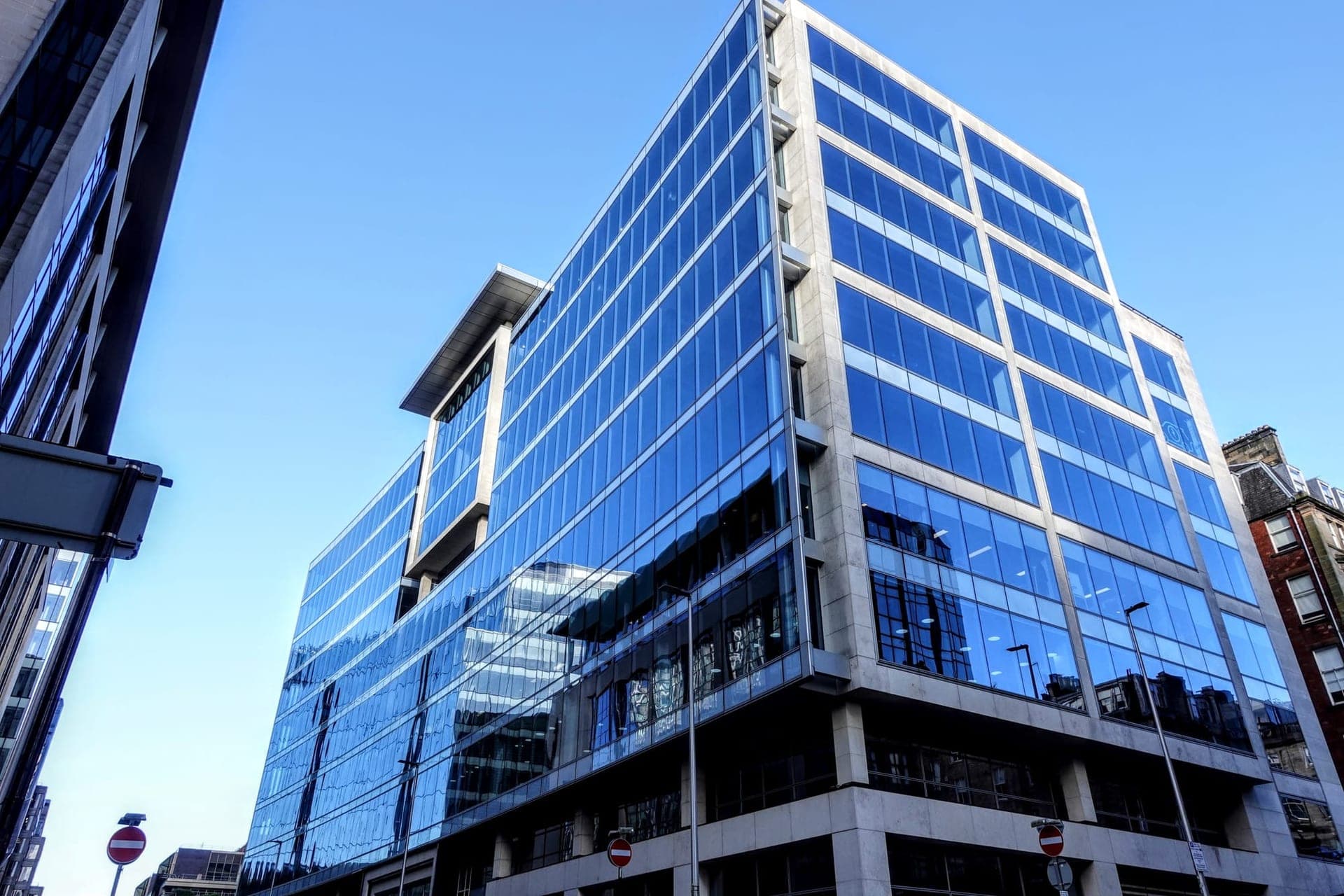
Glasgow is evaluating the conversion of vacant office blocks into temporary accommodation. This strategy aims to quickly repurpose existing commercial spaces, reducing the need for new construction and minimising environmental impact. Converting offices leverages existing infrastructure—heating, plumbing, and electricity—thereby lowering the carbon footprint compared with building fresh facilities.
Commercial Hotels and B&Bs: Immediate Relief
The council plans to take over additional commercial hotels to address the immediate surge in demand. Although a previous policy sought to phase out hotel and B&B use for homeless accommodation, the current surge—driven by asylum‑related arrivals—has prompted a temporary reversal. This approach provides ready‑made rooms, facilitating rapid deployment of shelter while longer‑term solutions are developed.
Refurbishing Unused Care Homes
Unused care homes are being earmarked for emergency use. Refurbishment of these structures offers a swift, cost‑effective method to increase capacity, reusing buildings that would otherwise remain dormant. This reuse aligns with sustainable principles by extending the lifecycle of existing assets and avoiding new construction waste.
Modular and Prefabricated Construction
City officials are also exploring modular construction techniques, including prefabricated and pop‑up homes. Such methods can deliver housing units faster than traditional builds and with reduced material waste. Modular solutions support scalability, allowing Glasgow to adjust capacity in line with fluctuating demand while maintaining lower environmental impacts.
Key Data on Homelessness Surge
- In 2023, the city recorded 1,000 referrals to homelessness services from asylum‑seeking households.
- Monthly referrals rose sharply, from 45 in January to 176 in October.
- Single asylum‑derived homeless individuals numbered 128 in September and 137 in October; families affected were 28 and 39 respectively in the same months. These figures illustrate the rapid escalation of need and underscore the urgency of the council’s emergency measures.
Stakeholder Calls for Resources and Policy Change
Allan Casey, City Convener for Workforce, Homelessness and Addiction, highlighted the emergency nature of the situation, urging the Scottish Government to allocate additional budget resources and the UK Government to pause its accelerated asylum‑batching policy. He stresses that coordinated funding and policy adjustments are essential to sustain the proposed housing interventions.
Sustainable Housing Implications for Europe
Glasgow’s multi‑pronged approach—repurposing existing buildings, leveraging modular construction, and seeking rapid policy support—offers a template for other European cities confronting similar pressures. By prioritising the reuse of vacant commercial spaces and low‑impact construction methods, the city aligns emergency response with broader sustainability goals, demonstrating how urban centres can address acute social needs without compromising environmental commitments.