Overview of the Study and Its Origins
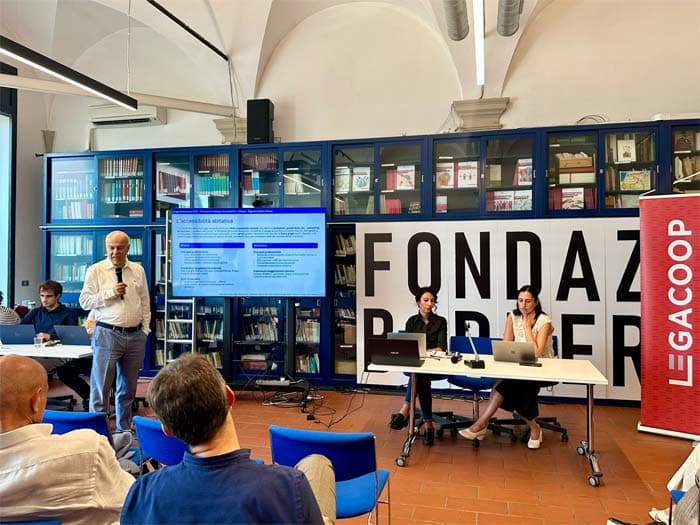
The report “Emergenza casa: dalla ricerca Legacoop Bologna – SURLAB Bocconi cinque leve per l’accessibilità abitativa” is published by Bologna 2000 and presents findings of a research project coordinated by the SURLAB research centre of Università Bocconi. The study was led scientifically by Prof Edoardo Croci and commissioned by Legacoop Bologna. It synthesises data on Bologna’s housing market tension, drawing on ten European and national case studies and interviews with ten key local stakeholders, including municipal authorities, foundations, the university, and business organisations.
Key Housing Pressures in Bologna
Bologna faces a pronounced shortage of affordable housing: approximately 40 000 students live off‑site, 13 000 private dwellings remain vacant, 3 383 applications were received for the 2025 Rental Grant, 6 668 families are on the 2024 ERP waiting list, and 2 827 eviction procedures have been recorded. Metropolitan‑level estimates indicate a need for 7 500 new ERS (social residential) units to ease current tension, rising to 10 000 new rental units to meet future demand.
The Five Cross‑Cutting Levers for Accessibility
The research identifies five strategic levers that, when combined, can enhance equitable and sustainable housing access:
- Terreni e immobili – public concessions, surface rights and the reuse of under‑utilised assets to lower initial costs.
- Capitale – subsidised public loans, revolving funds, state guarantees and patient capital to reduce financing expenses.
- Produzione edilizia – industrialised construction, prefabrication and bulk procurement to shorten build times and cut costs.
- Garanzie e intermediazione – insurance against rent arrears and social mediation agencies to bring vacant units back to market at moderated rents.
- Servizi integrati – incorporation of commercial spaces, energy solutions and community services to generate additional revenue that stabilises rent levels.
Impact of Cooperative Housing
Co‑operative housing plays a pivotal role in cost‑containment. The Dozza and Risanamento cooperatives, with over 18 000 members, manage 2 919 permanent rental units in Bologna, representing roughly 5 % of the city’s rental market. Their average rent is 60 % lower than market rates, delivering an estimated saving of more than €7 000 per family annually and contributing about €20 million in total rent moderation each year. The Ansaloni cooperative, overseeing 7 800 housing units in the metropolitan area, is the main driver of price moderation in the sales segment.
Legacoop Bologna’s Three Policy Proposals
Based on the evidence, Legacoop Bologna submits three proposals to the municipal authorities:
- Urban‑planning incentives – recognise and reward the social and rent‑moderating value of ERS through favourable zoning and planning tools within the General Urban Plan.
- Non‑speculative public‑private governance – establish a governance model for the ERS fund that attracts socially and environmentally responsible investors, avoiding speculative practices.
- Administrative fast‑tracking – introduce streamlined procedures, guaranteed timelines and priority processing for ERS projects, acknowledging their higher public benefit.
Projected Outcomes and Sustainable Housing Vision
If implemented, the proposals could enable the creation of up to 1 000 additional moderated‑price homes over the next decade, reinforcing cooperative participation in Bologna’s urban fabric. The report frames ERS as “circular residential economy”: permanent rental stock that can be renewed across generations without consuming new land, and affordable‑price sales that secure long‑term economic stability for families. The study underscores a collaborative, non‑speculative approach that aligns public, private and cooperative sectors to address the housing emergency not only for vulnerable groups but also for workers, youth and the broader “grey” population.