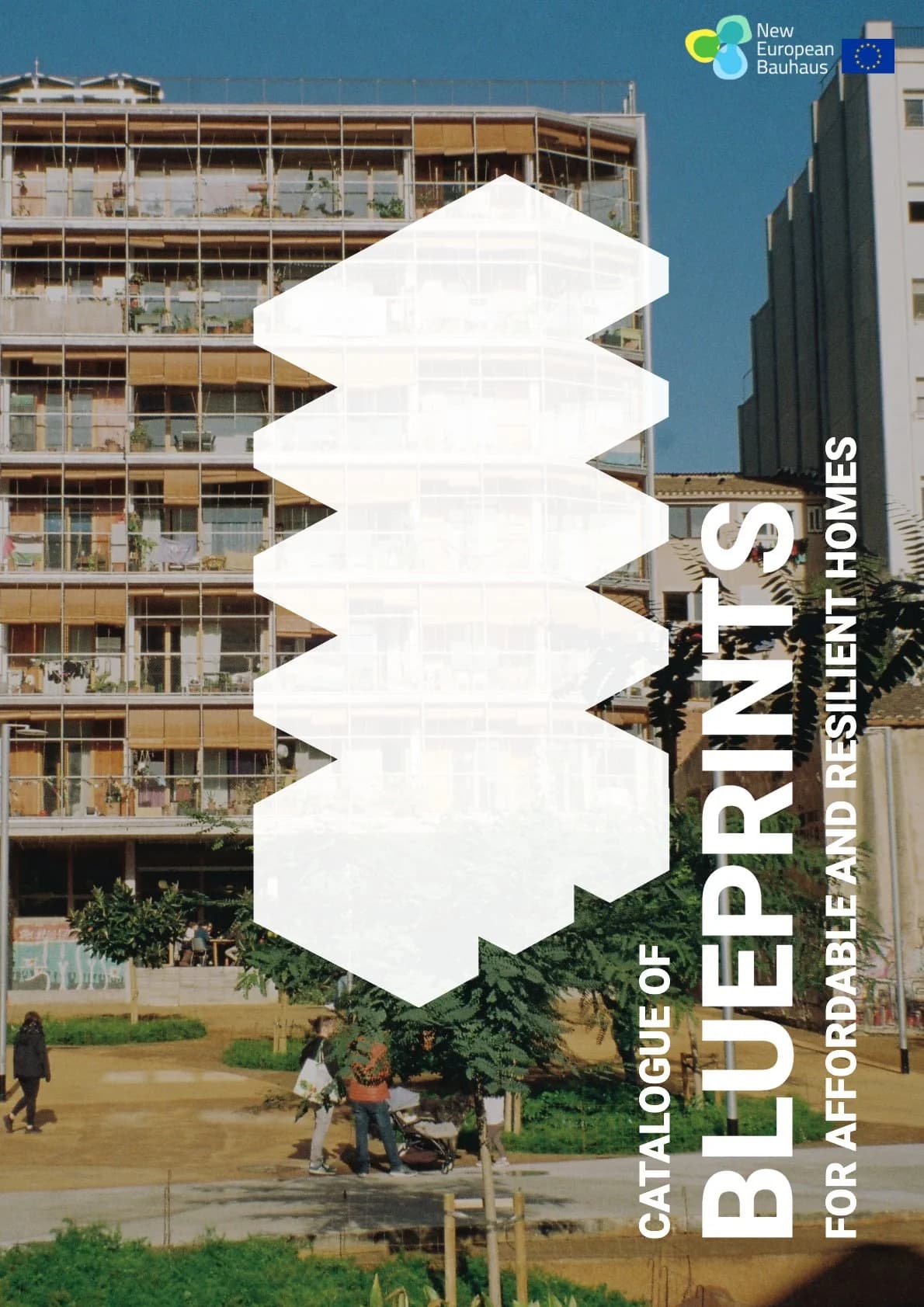
Overview of the Catalogue
The “Catalogue of Blueprints: For Affordable and Resilient Homes” is a publicly available guide produced under the New European Bauhaus initiative. It brings together a collection of architectural designs, construction methods and material specifications aimed at delivering affordable, climate‑responsive dwellings across Europe. The resource is hosted on the official New European Bauhaus website and reflects the EU’s commitment to sustainable, inclusive housing solutions.
Scope and Purpose
The guide offers a comprehensive set of blueprints that address energy efficiency, low‑carbon construction, and adaptability to local climates. It targets architects, builders, policy makers and community groups seeking proven models for housing that can be replicated or adapted in diverse European contexts. Each blueprint includes performance data, cost estimates and guidance on material sourcing.
Technical Features Highlighted
Key technical data include the use of timber frame structures, prefabricated wall panels, and passive solar design principles. Energy performance targets are set at near‑zero operational emissions, with many designs achieving up to 90 % reduction in heating demand compared to conventional housing. Insulation levels are specified to meet or exceed the EU’s Energy Performance of Buildings Directive, and renewable energy integration—such as photovoltaic roofs and heat pumps—is standardised across the models.
Cost and Affordability Insights
The catalogue provides detailed budgeting information, showing typical construction costs ranging from €1,200 to €1,800 per square metre, depending on region and material choices. Cost‑saving strategies include modular construction, local material utilisation and streamlined supply chains. The guide demonstrates how economies of scale can be achieved without compromising quality or sustainability.
Environmental Impact Data
Life‑cycle assessments are included for each blueprint, indicating reductions in embodied carbon of up to 40 % relative to traditional building methods. The resource promotes the use of recycled or bio‑based materials, such as reclaimed brick, hempcrete and cross‑laminated timber, contributing to circular economy objectives. Water‑efficiency measures, including rainwater harvesting and low‑flow fixtures, are also detailed.
Educational and Support Resources
Accompanying the blueprints are instructional manuals, case studies and best‑practice guidelines. These materials are designed to support training programmes for construction workers and to facilitate community‑led housing projects. Links to webinars, workshops and technical assistance services offered by the New European Bauhaus network are provided.
Collaborative Framework
The catalogue reflects a collaborative effort between European research institutions, municipal authorities and industry partners. It aligns with the EU’s Green Deal targets and the Sustainable Development Goals, particularly Goal 11 (Sustainable Cities and Communities). The guide encourages cross‑border knowledge exchange and the adoption of common standards for resilient housing.
Access and Further Information
The resource is publicly accessible through the New European Bauhaus website, where users can download the full guide and explore related tools and resources. The website also hosts a searchable database of the blueprints, allowing users to filter designs by climate zone, building type and budget range.