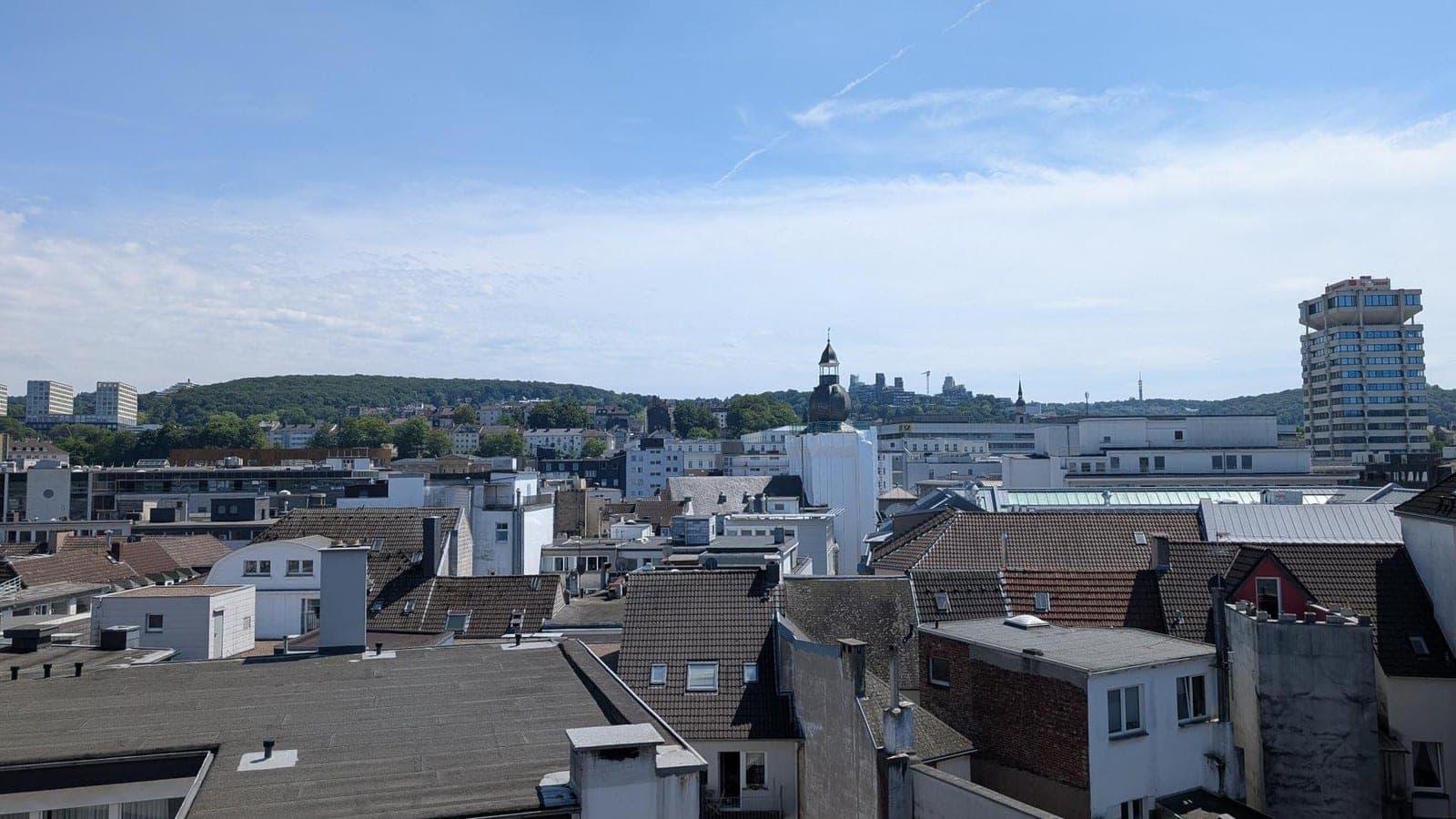
Overview of Wuppertal’s Urban‑Development Initiative
Wuppertal’s city council has approved the creation of a municipal urban‑development company aimed at revitalising brownfield sites, acquiring problem properties and directly managing residential and commercial space. The move seeks to address vacant land and deteriorating buildings that the private market has failed to develop, thereby supporting sustainable urban growth and housing provision.
Purpose and Tools of the New Society
The company will intervene where voluntary incentives—such as façade‑improvement programmes and investment subsidies—have proved insufficient, and where coercive measures—like pre‑emptive purchase rights, redevelopment zones or anti‑vacancy statutes—have been ineffective. By purchasing and redeveloping “scrap” properties, the society intends to ensure that land is used for socially beneficial housing and mixed‑use projects.
Planned Funding and Governance Concerns
Council members stress the need for adequate financing to allow the society to act decisively. Critics warn against duplicating existing structures such as the housing‑construction company GWG or the economic‑development agency. Calls have been made for the society to operate under democratic oversight and to maintain social justice in its housing strategies.
Political Support and Reservations
All parties except the AfD support the initiative. SPD councilor Alexander Hobusch highlighted the lack of effective tools for dealing with deliberately neglected buildings, while emphasising the need for sufficient capital. Deborah Wolf (The Left) demanded that the society’s actions remain socially equitable and democratically controlled. Green party member Anja Liebert expressed scepticism about prioritising new building sites over the reactivation of sealed parcels.
Implementation Timeline and Next Steps
The administration is now drafting the organisational structure and the society’s charter. The council will later decide on the specific mandates, with interim reports planned to allow early stakeholder input. The initiative aligns with broader municipal objectives to curb urban sprawl, reduce vacant land, and promote sustainable, affordable housing.
Relevance for Sustainable Housing Across Europe
Wuppertal’s approach exemplifies a municipal‑level response to urban decay, combining public acquisition with targeted redevelopment to create greener, denser neighbourhoods. By converting brownfields into energy‑efficient housing and mixed‑use areas, the city contributes to EU goals of reducing land consumption, lowering carbon footprints and improving housing affordability. The model offers a potential template for other European cities confronting similar challenges of vacant sites and housing shortages.