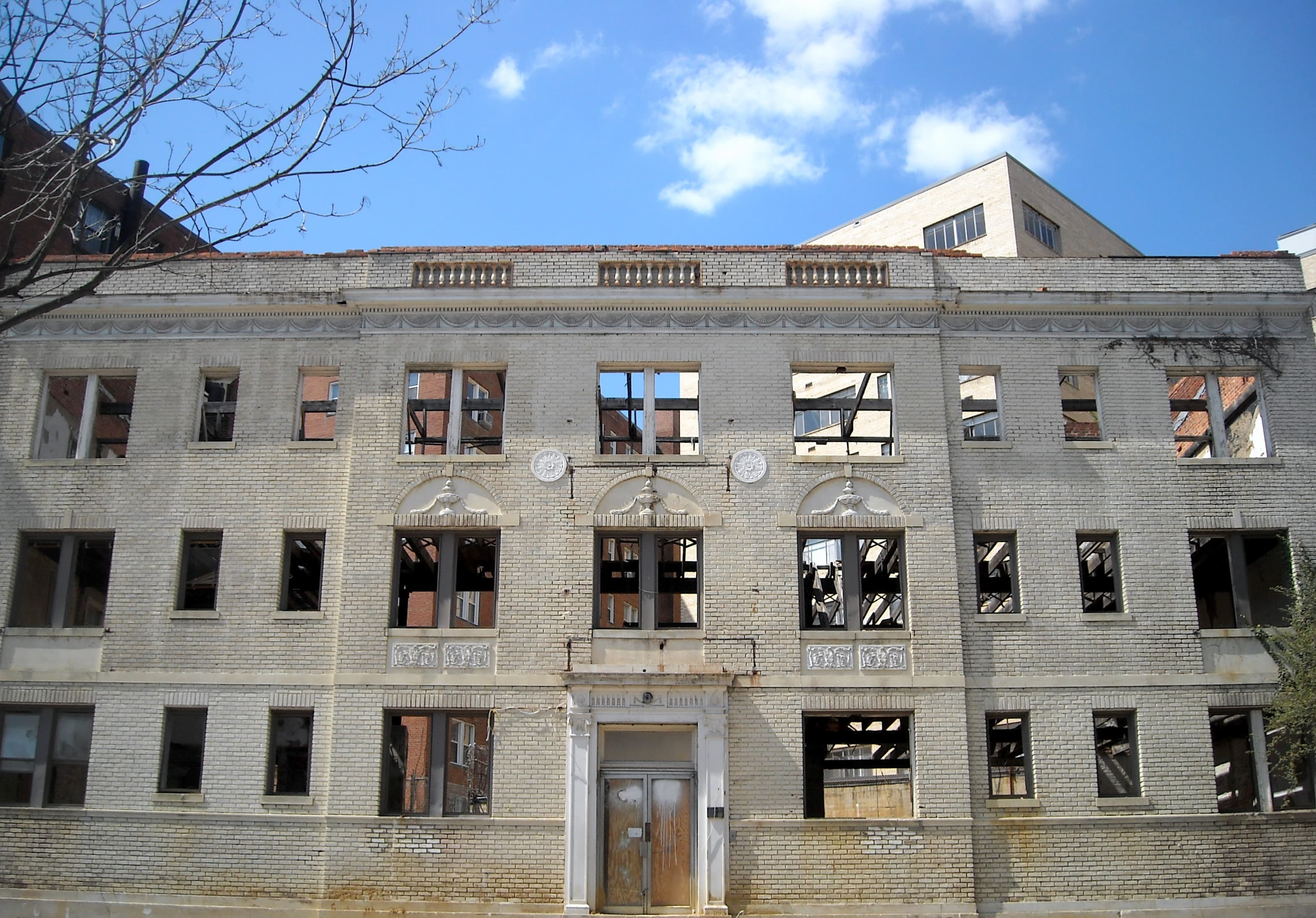
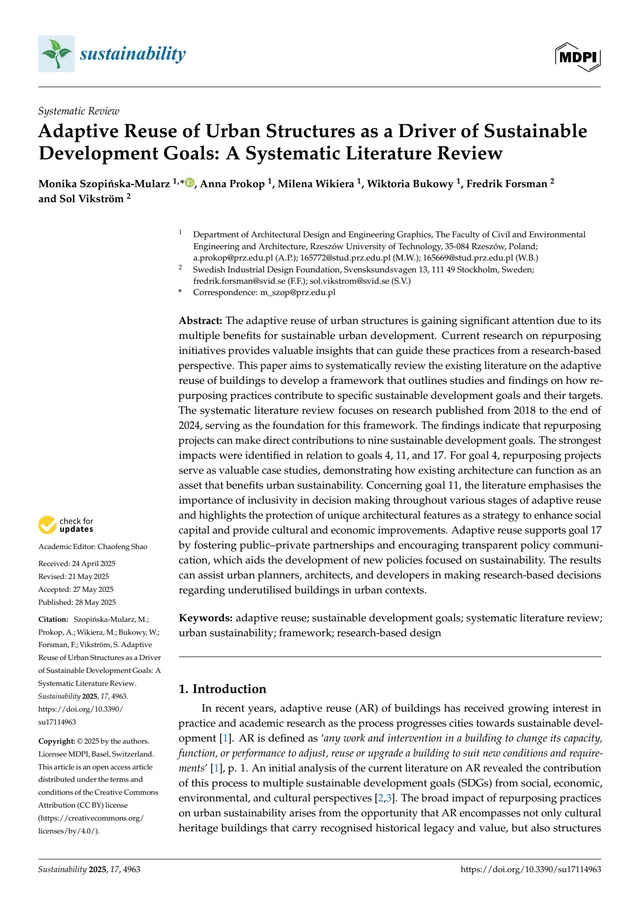
Overview of Adaptive Reuse and Sustainable Development
The article, published by MDPI, presents a systematic literature review examining how the adaptive reuse of urban structures can advance the Sustainable Development Goals (SDGs). It collates evidence from a wide range of studies to assess the environmental, social and economic impacts of re‑using existing buildings rather than constructing new ones. The review is positioned as a resource for policymakers, urban planners and housing professionals across Europe seeking evidence‑based strategies for sustainable housing development.
Key Findings on Natural Landscapes and Vulnerable Groups
A central finding highlighted in the synopsis is the importance of integrating natural landscapes within reused urban structures. The study demonstrates that access to green spaces significantly improves outcomes for vulnerable populations, including the elderly, low‑income households and people with disabilities. By embedding natural elements such as parks, gardens and green roofs into repurposed buildings, the research indicates measurable gains in health, well‑being and social cohesion, aligning with SDG 3 (Good Health and Well‑being) and SDG 11 (Sustainable Cities and Communities).
Implications for Sustainable Housing Policy
The review underscores that adaptive reuse can reduce the carbon footprint associated with new construction, contributing to SDG 13 (Climate Action). By preserving embodied energy in existing structures, the approach cuts down on material extraction, manufacturing emissions and construction waste. The authors argue that European housing policies should incentivise retrofitting programmes, tax reliefs and streamlined planning permissions to accelerate the transition from demolition to refurbishment.
Evidence Base and Scope of the Review
Although the specific number of articles analysed is not disclosed in the available metadata, the work is characterised as a “systematic literature review”, implying a comprehensive and methodical search across multiple academic databases. The review synthesises quantitative and qualitative data, offering a meta‑analysis of outcomes related to energy efficiency, resource utilisation, social equity and economic viability of adaptive reuse projects.
Economic Benefits Highlighted
The research points to cost savings for municipalities and developers when re‑using existing structures. By avoiding the high capital costs of new builds, cities can allocate resources to complementary initiatives such as affordable housing schemes, public transportation upgrades and community services. The study cites examples where adaptive reuse projects have generated employment opportunities and stimulated local economies, supporting SDG 8 (Decent Work and Economic Growth).
Environmental Performance Metrics
Key environmental metrics discussed include reductions in greenhouse‑gas emissions, lower energy consumption per square metre and decreased construction waste volumes. The review notes that buildings undergoing adaptive reuse often achieve higher energy‑efficiency ratings after retrofitting, especially when combined with renewable energy installations and smart‑building technologies.
Social Equity and Community Resilience
The authors stress that adaptive reuse can preserve cultural heritage and maintain neighbourhood identity, fostering a sense of belonging among residents. By prioritising inclusive design and accessibility, refurbished buildings can accommodate diverse user groups, thereby enhancing community resilience to social and environmental challenges.
Recommendations for European Stakeholders
The paper concludes with a set of recommendations for European governments, urban authorities and the private sector:
- Develop clear regulatory frameworks that facilitate adaptive reuse projects.
- Provide financial incentives, such as grants or low‑interest loans, to support retrofitting.
- Encourage interdisciplinary collaboration between architects, engineers, sociologists and environmental scientists.
- Integrate green infrastructure into redevelopment plans to maximise health and ecological benefits. These actions aim to mainstream adaptive reuse as a cornerstone of sustainable housing strategies, helping Europe achieve its climate targets while delivering equitable, resilient urban environments.