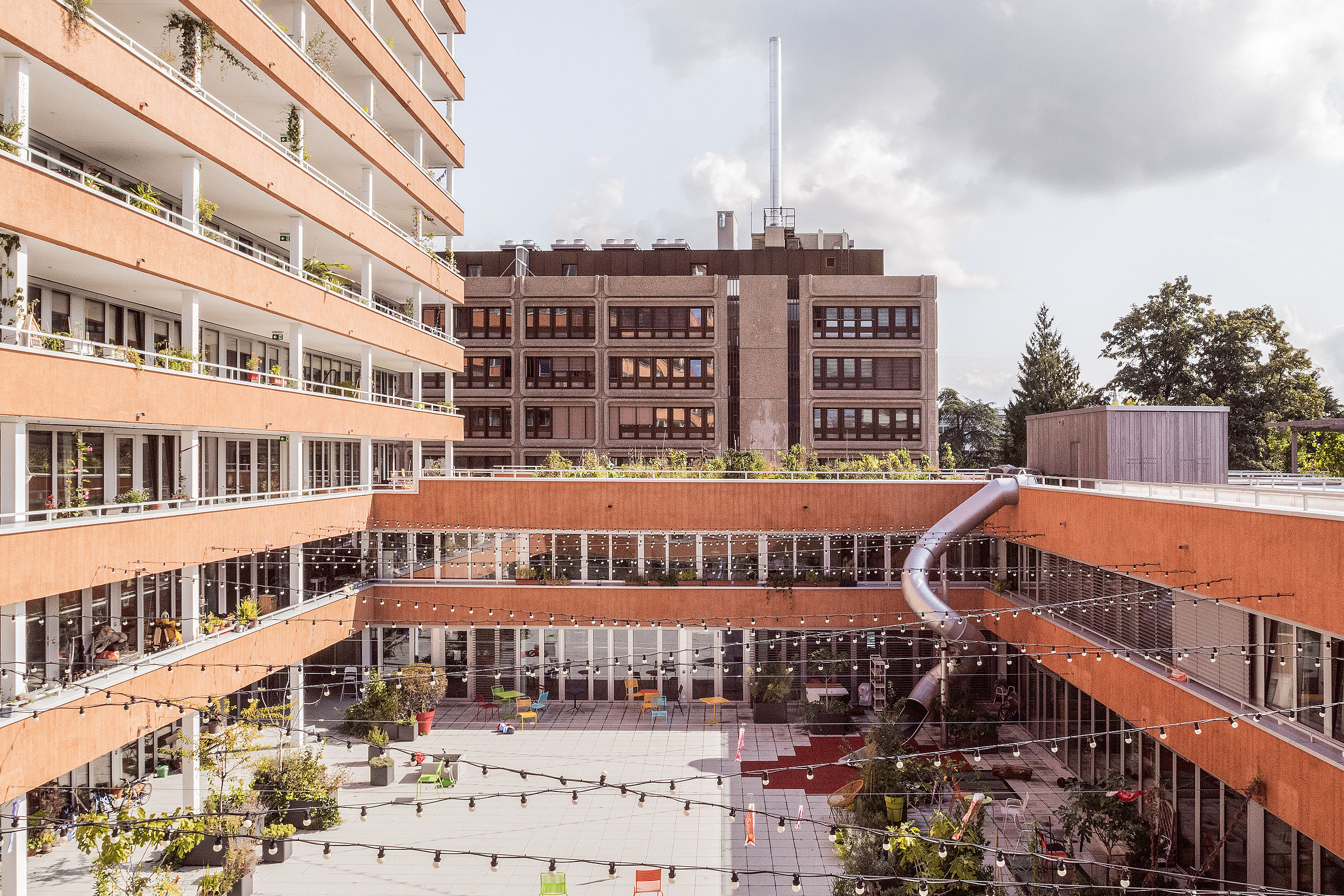
Switzerland is Europe’s most tenant-heavy country, yet one resident in five of Zürich — and barely one in twenty nationally — lives in a cooperative. Can the model that works in one city work for the country?
Read the profile
A nation that rents, with almost no social housing behind it
Switzerland is the country where home ownership never won. Roughly two in three households rent, and only 36.2% own the place they live in — the lowest owner-occupation rate in Europe. That is not a story of poverty but of choice and price: renting is normal across every income band, mortgages demand large deposits, and the cantons run a tax and tenancy system that has long made a long lease as secure as a deed. The result is a republic of renters that, unusually, built almost no state social housing to sit underneath it.
The tenure mix shows how thin the public floor is. About 63.8% of residents are tenants. Within that, just 1.5% of dwellings are public or municipal rental, and 4.3% are cooperative — 199,000 apartments across roughly 1,500 societies. That leaves 58.0% in private rental, the dominant tenure by far. The non-market tier — cooperative plus public — comes to only 5.8% of all dwellings. Switzerland never built a large social-housing sector; the cooperative is, in effect, the whole of its non-market housing, which is why so much weight rests on so small a slice.
Switzerland's national tenure mix
Cooperative members pay a monthly usage fee, so cooperatives are grouped with renters in national statistics.
Owners
Owner-occupier36.2%
Renters
Public & non-profit rental1.5%
Cooperative4.3%
Private rental58.0%
Public and non-profit rental beyond the cooperative slice is unusually thin here — about 1.5% of stock. Switzerland never built a large state-owned social-housing tier; the cooperative is, in effect, the country’s non-market housing tier, which is why the 2020 federal vote on a 10% non-profit minimum mattered so much to it.
Share of national dwellings by tenure, resolved live from the geographic catalogue. Switzerland is the most tenant-heavy country in Europe — barely a third of households own — yet its cooperatives are concentrated, not nationwide: a fifth of Zürich lives in one, against 4.3% of the country.
There is no Sozialbindung-style covenant tier here, and no broad means-tested social stock. What regulation exists works on the open rental market instead. Rents are tied to a national Referenzzinssatz, a reference mortgage rate the Federal Housing Office sets; when it falls, tenants can demand a cut. The cantons cap how fast a sitting rent can rise. But only about 4% of stock is genuinely cost-rent and reserved, and an estimated quarter of households would qualify on income for subsidised housing that mostly does not exist — so the cooperative waiting lists in Zürich and Geneva run for years.
Price separates the tiers sharply. A cooperative flat lets at about €14.80 per square metre on cost-rent; municipal stock at €15; the all-stock average at €17.20; a newly-signed private contract at €22.90; and a furnished, serviced let at €32 all-in. The cooperative floor sits roughly a third below a new market lease — the Federal Statistical Office puts the urban gap near 20% — which is the entire reason the cities keep trying to grow the form rather than treat it as heritage.
The national rent ladder in Switzerland
Cooperative (Kostenmiete)
Public / municipal
All-stock average
New contracts
Furnished / serviced (gross)
Net monthly rent per m² by tier (cooperative and public are cost-rent; furnished is gross, all-in). The cooperative floor sits roughly a third below a newly-signed private contract — the gap the Federal Statistical Office puts at around 20% in the cities, and the structural reason Zürich keeps expanding the model.
Empty homes barely exist. The national vacancy rate is 1.9%, and rental vacancy just 1.31% — well under the 2% that lets a market breathe, and falling. Underused office floor is a different matter: office vacancy runs at 4.8%, some 2.16 million square metres, concentrated in exactly the cities where flats are scarcest. Short-stay platforms remove more on top: across the two Swiss cities the catalogue tracks, full-time Airbnb-style lets account for at least 1,223 dwellings — a city-level floor, not a national figure, but a visible bite out of the long-term pool in Geneva and elsewhere.
Net inward migration is the engine, and construction has stopped keeping up with it. Switzerland takes in about 168,000 newcomers a year, one of the highest per-capita inflows in Europe, against roughly 40,000 residential permits — and the population just passed 9 million across a stock of 4.62 million dwellings. The shortage that used to belong to Zürich and Geneva now reaches Lucerne, Lausanne and the commuter belts.
The pressure no longer spares the middle, and the numbers behind that are stark. Rents rose 23.7% between 2009 and 2023 while incomes lagged, and the renter cohort now spends about a quarter of household income on housing against single figures for owners. Court-ordered evictions run near 3,500 a year and have been climbing as the reference-rate cuts feed through unevenly. A tenant signing a fresh urban lease pays more than half again what a long-standing one pays for the same flat — the so-called two-tier rent gap that locks people into homes they have outgrown. Affordability is now, by the government’s own account, among the country’s most-named domestic worries, which is what pushed it back onto the federal ballot.
The Genossenschaft: a third of Zürich, a twentieth of the country
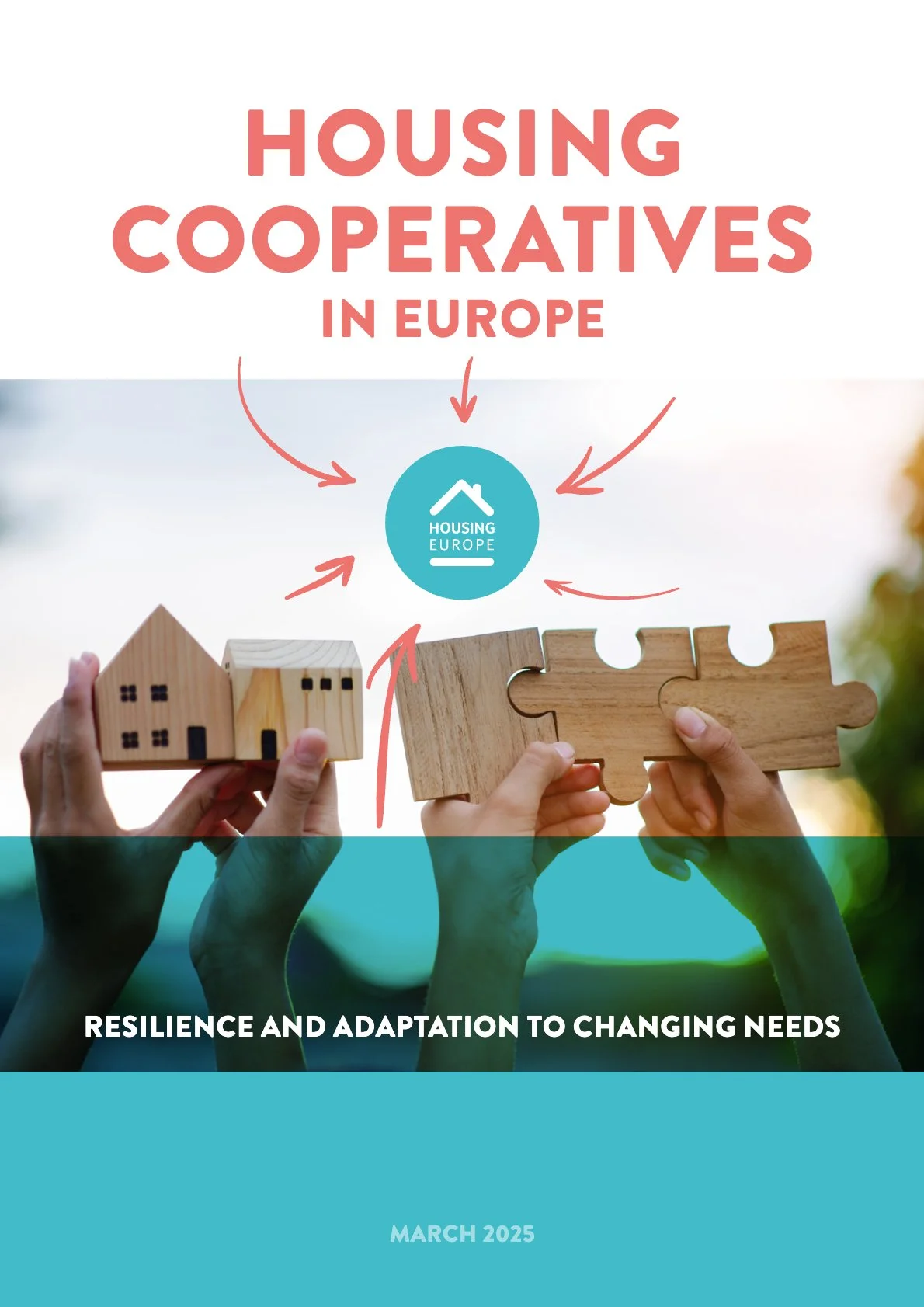
The Swiss cooperative is a rental form, not an ownership one — and that distinction is the whole model. A member buys an Anteilschein, a share worth a few thousand francs, and gains a near-permanent right to occupy a flat at Kostenmiete: cost-rent, set to cover the building’s actual outgoings and nothing more. The share is returned at face value on leaving, never at a market price, so there is no capital gain to chase and no flat that can be sold out from under its tenant. About 7.9% of Swiss residents live on this basis. The Housing Europe survey of European cooperative housing, Housing Cooperatives in Europe - Resilience and Adaption to Changing Need, places Switzerland among the continent’s most durable rental-cooperative traditions precisely because the form forecloses speculation by design.
The tradition is over a century old and unbroken. Zürich’s Waidberg settlement founded the form in 1907; the Freidorf garden colony near Basel followed in 1919, financed through a wartime excess-profits tax steered toward public-benefit building. Post-war reconstruction and the cantonal land-lease compacts deepened it. The continuity is the point: the Allgemeine Baugenossenschaft Zürich, founded in 1916, still houses over 12,000 people at cost-rent today, because nothing in the legal form ever let its buildings be repriced.
But the national 4.3% hides an extreme geography, and this is where Switzerland differs from every other cooperative country. The sector is overwhelmingly urban and overwhelmingly Zürich. The Housing Europe report’s Switzerland chapter records cooperatives at about 20% of the housing stock in Zürich, 14% in Biel, 12% in Lucerne and 11% in Winterthur — against 4.3% across the country as a whole. One in five Zürchers lives in a cooperative home; most rural cantons have almost none. The form is a metropolitan institution that the federal numbers flatten into invisibility.
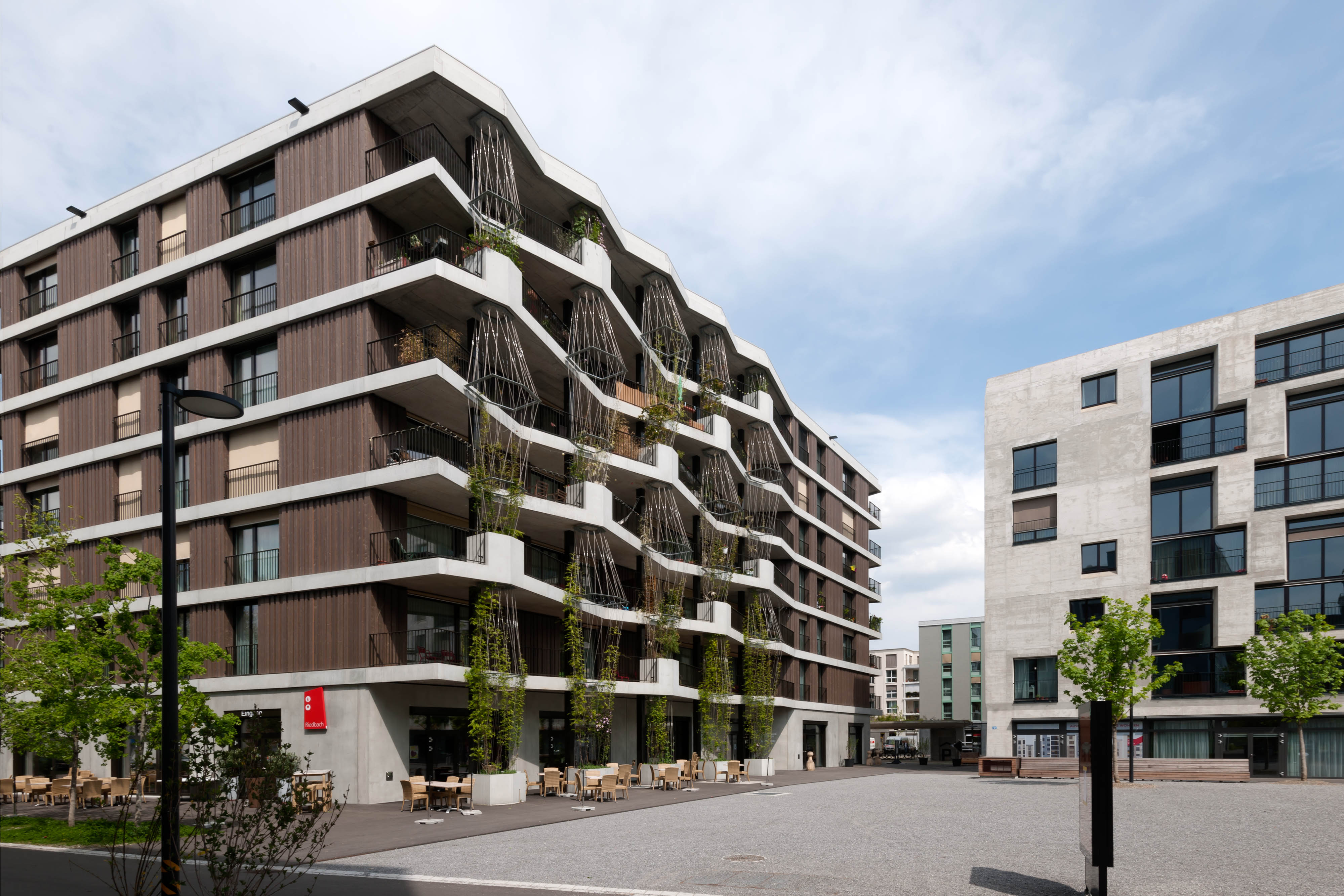
Within that urban concentration the sector clusters into recognisable kinds. Most of the 1,500 societies are small — the average society holds around 138 flats and seven in ten run fewer than 100, often on voluntary boards in a tradition of local self-help the Housing Europe survey traces to the early twentieth century. A handful are very large: the biggest single cooperative in Zürich holds roughly 5,000 units. Then there is the post-2000 wave of ambitious project cooperatives that rewrote what the form could look like — Baugenossenschaft mehr als wohnen, Genossenschaft Kalkbreite and Bau- und Wohngenossenschaft Kraftwerk1 in Zürich, WOGENO Zürich as a smaller acquirer of existing buildings, and LA CODHA carrying the participatory Habitat associatif model in French-speaking Geneva. The newer cooperatives are known internationally for pioneering architecture and ecological design, not just affordable rent.
They federate nationally through Wohnbaugenossenschaften Schweiz, the umbrella body for over 1,200 non-profitWohnbaugenossenschaften and other gemeinnützig builders. Its toolkit is concrete: it runs a financing market that pools loan tenders so small societies reach a wide range of lenders, a training programme of roughly fifty courses, and a recurring forum on rethinking construction — circular building, heat reduction, cost discipline — that drew over 520 participants. It has also stood up Solinvest, a land foundation that buys plots and hands them to non-profit builders under Baurecht ground leases, the sector’s answer to being outbid on the open market. After decades of running quietly on voluntary boards, the federation has, as the Housing Europe chapter puts it, returned to politicisation.
Honesty about scale matters here. Cooperatives are a national rounding error and a metropolitan institution at the same time, and they know their binding constraint is no longer how to build well but how to get land at all. With little undeveloped land left and densification now mandatory, the federation’s own stated challenge has shifted from greenfield expansion to a metropolitan renewal of the stock it already holds — replacing and densifying ageing estates without pricing out the members living in them. That is a narrower, harder game than the one the form was invented to play.
A federal nudge, a cantonal engine, and a rejected 10% target
It would be easy to read Switzerland’s housing politics as quiet, given how little the federal state does directly — but the calm is deceptive, because the real action sits one or two levels down. The Bund’s instrument is narrow and old. The Wohnraumförderungsgesetz of 2003 channels federal help through the Fonds de Roulement, a revolving fund that lends to cooperatives and other non-profit builders at favourable rates, plus loan guarantees, both run by the Bundesamt für Wohnungswesen. There is no federal rent cap and no construction ministry pushing volume. The framework rests on a constitutional article that commits the Confederation to encouraging non-profit housing — a nudge, not a programme.
That fund is now the live federal question, and the numbers explain the argument. The revolving fund brings roughly 1,400 non-profit homes to market a year, against the 5,000 to 6,000 the country needs annually. The Federal Council’s answer is to add CHF 150 million from 2030. The cooperative federation and the public-benefit builders call that half-measure: they want CHF 300 million and a far larger guarantee envelope, arguing demand for the fund’s loans has doubled. Alongside it, the Federal Housing Office’s 2025 cut in the Referenzzinssatz to 1.50% opened a legal rent reduction of about 2.91% for sitting tenants — a market-wide lever that does more, faster, than the building subsidy.
“
This measure will let us meet the demand for loans to non-profit builders, which has doubled in recent years.
The cantonal and municipal layer is where housing is actually delivered, and it runs ahead of the Bund. Switzerland governs across three tiers: the Bund sets the tenancy framework and the revolving fund; the 26 Kantone write their own housing-promotion laws and tax rules; and the Gemeinden — the cities — own land, set development quotas and run the funds that put cooperatives on it. Basel-Landschaft’s new housing-promotion law took effect in January 2024. The City of Zürich runs a housing fund that buys land for cooperatives before real-estate funds can outbid them, backed by a 2011 city-charter target of a third non-profit housing by 2050. Geneva ties development permits to non-profit quotas. A federal franc only becomes an affordable flat once a canton has matched it and a city has found the site — which is exactly why Zürich has 20% cooperative housing and most cantons have almost none.
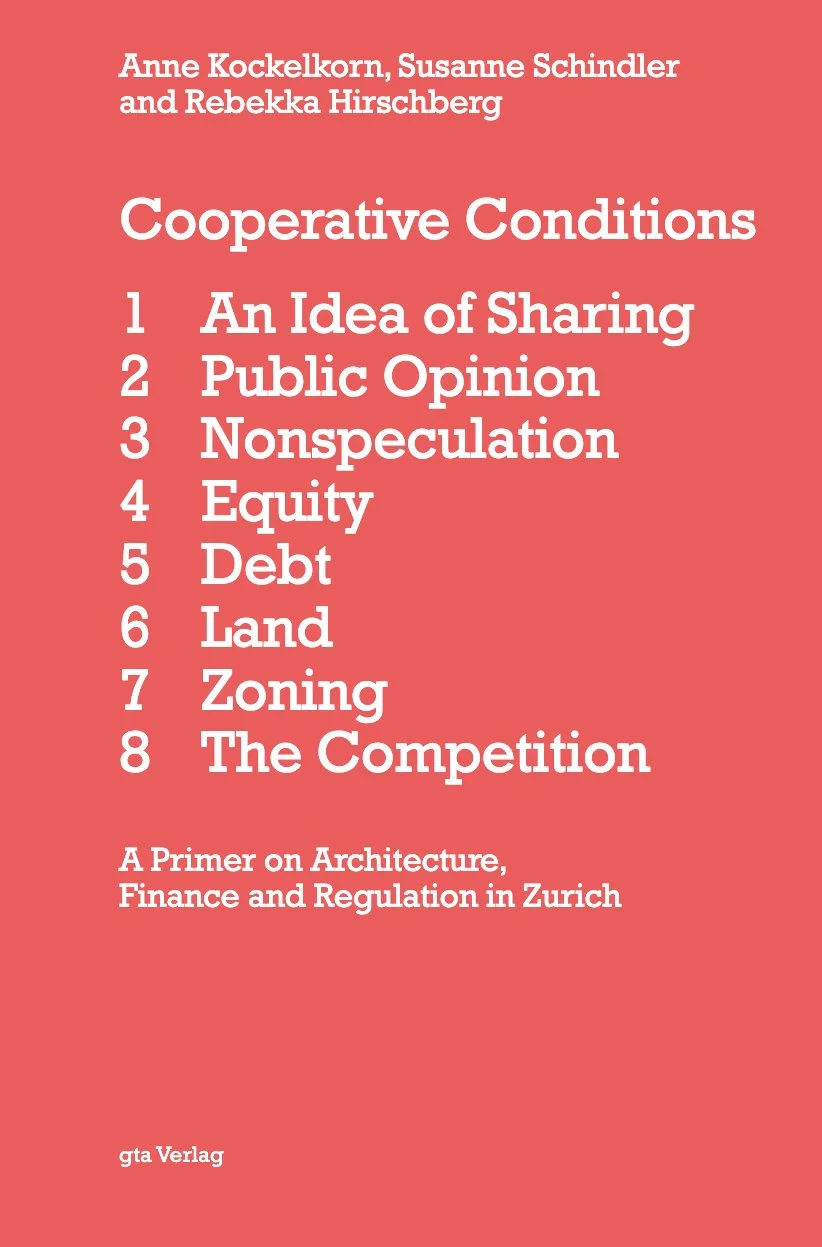
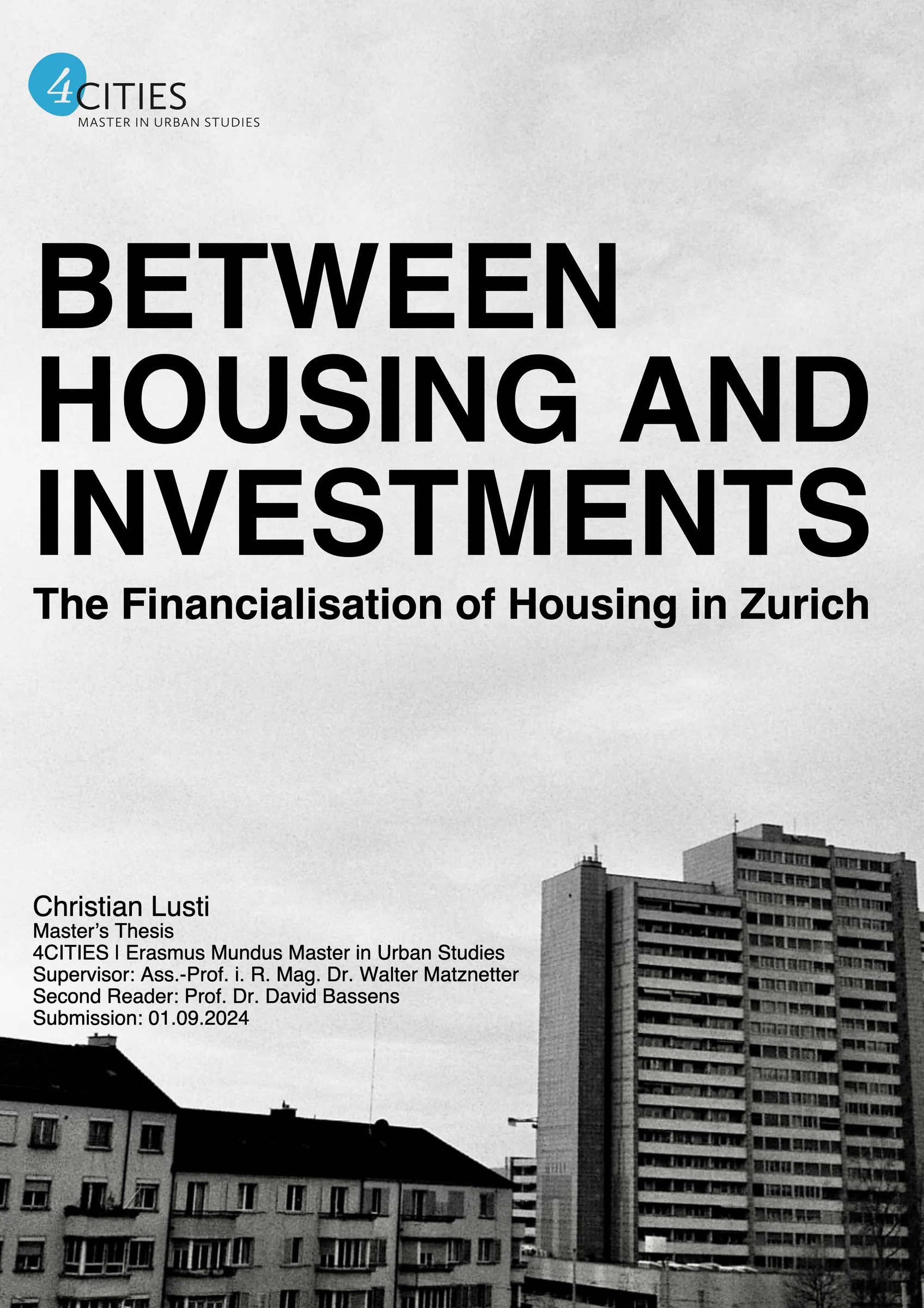
For cooperatives specifically, the support is land and finance rather than rhetoric. The Fonds de Roulement lends below market; cantonal laws and city funds route public plots to non-profit builders under Baurecht ground leases that keep the land in public hands; and Solinvest assembles plots the sector could not win at auction. Research from the University of Bern frames the model as a genuine third way between market and state — durable, cost-rent, member-governed — while a Zürich-grounded study of how the city’s cooperatives actually finance and regulate themselves, Cooperative Conditions - A Primer on Architecture, Finance and Regulation in Zurich, sets out the machinery other European cities now study. A parallel financialisation study, Between Housing And Investments - The financialisation of housing in zurich, documents the investor pressure the cooperative land funds were built to resist.
Sustainability has folded into the same fight over land. With almost no greenfield left and a federal spatial-planning regime that now mandates building inward rather than outward, densification has become the only way to add homes — and replacing a low-rise 1960s cooperative estate with a denser, better-insulated one is now the sector’s central project. The cooperatives, with their long horizons and no resale pressure, are the natural vehicle for it; the federation’s rethinking-construction forum exists to spread circular and low-carbon methods across societies too small to develop them alone. The catch is that demolition-and-densification displaces sitting members during construction, which is its own affordability problem.
The two camps are clearest where the franchise reaches them. On one side, the Mieterinnen- und Mieterverband and its Romandy counterpart Asloca argue that the market cannot self-correct: in 2020 they put a federal initiative to the country requiring at least 10% of new homes be non-profit, and in 2025 Asloca launched a fresh national initiative for cost-based rent-setting and regular rent monitoring. On the other, the property-owners’ lobby and most of the centre-right read rent caps and quotas as deterrents to the investment new supply needs. The voters split the difference: the 2020 initiative lost 57% to 43%, carrying only Geneva, Basel-City and French-speaking cantons, while parliament topped up the cooperative fund anyway as a counter-offer. The argument was not settled by that vote so much as deferred — which is why Asloca has put rents back on the ballot.
Zürich’s Waidberg settlement, the first Swiss housing cooperative, founds the model during the early-century urban housing crisis — the start of the city’s lasting lead in the form.
The Freidorf garden settlement is financed largely through a wartime excess-profits tax channelled to public-benefit building — an early template for the public-land-plus-favourable-finance compact cooperatives still rely on.
The Wohnbau- und Eigentumsförderungsgesetz (the housing- and ownership-promotion act) puts federal support for non-profit builders on a statutory footing, with low-interest loans and guarantees.
The current housing-promotion act consolidates federal support around the Fonds de Roulement — a revolving fund that lends to cooperatives and other non-profit builders at favourable terms — and loan guarantees, run by the Bundesamt für Wohnungswesen.
A tenant-association federal initiative to require at least 10% of new homes be non-profit — roughly double today’s share — is rejected by 57% of voters, though it carried Geneva, Basel-City and French-speaking western Switzerland. Parliament had already pledged CHF 250 million more to the revolving fund as a counter-offer.
Basel-Landschaft’s new housing-promotion law takes effect on 1 January; the City of Zürich runs a housing fund that helps cooperatives buy land before real-estate funds outbid them — the cantonal and municipal layer doing what the federal one does not.
In March the Federal Housing Office cuts the reference interest rate to 1.50%, opening a legal rent reduction of about 2.91%; in May the tenants’ association Asloca launches a national initiative for cost-based rent-setting and regular rent monitoring.
The Federal Council’s plan adds CHF 150 million to the revolving fund from 2030 — the fund currently brings about 1,400 non-profit homes to market a year, against the 5,000–6,000 the country needs, which is why the cooperative federation calls the top-up half of what is required.
From Zürich’s first cooperative settlement through the 2003 housing-promotion act and the rejected 2020 affordability initiative to the 2030 revolving-fund top-up and the densification mandate now reshaping the cities.
Hunziker, Kalkbreite, Kraftwerk1: the Zürich model, built
The Swiss case is argued in buildings more than in statutes, and almost all of them stand in Zürich. The city’s land funds, its century-old societies and its post-2000 project cooperatives have produced a run of estates that planners from across Europe now visit — not as affordable housing in the apologetic sense, but as some of the most admired urban architecture the cooperative form has produced anywhere.
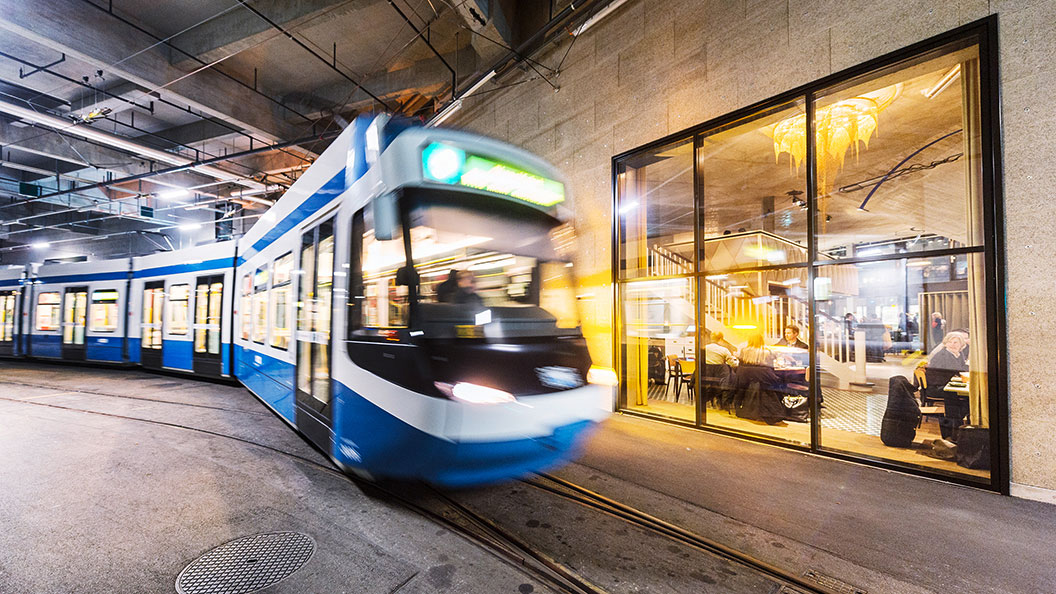
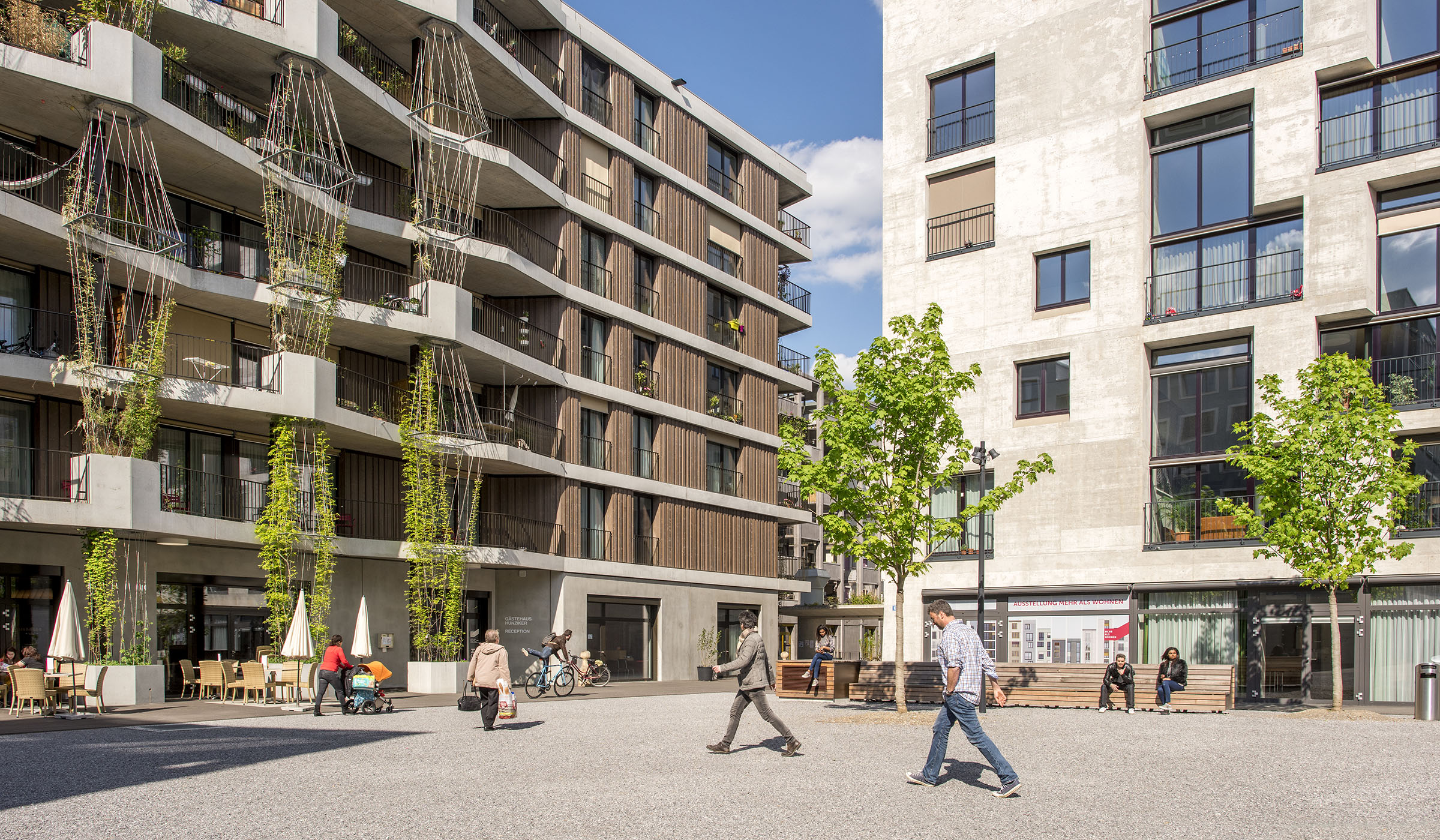
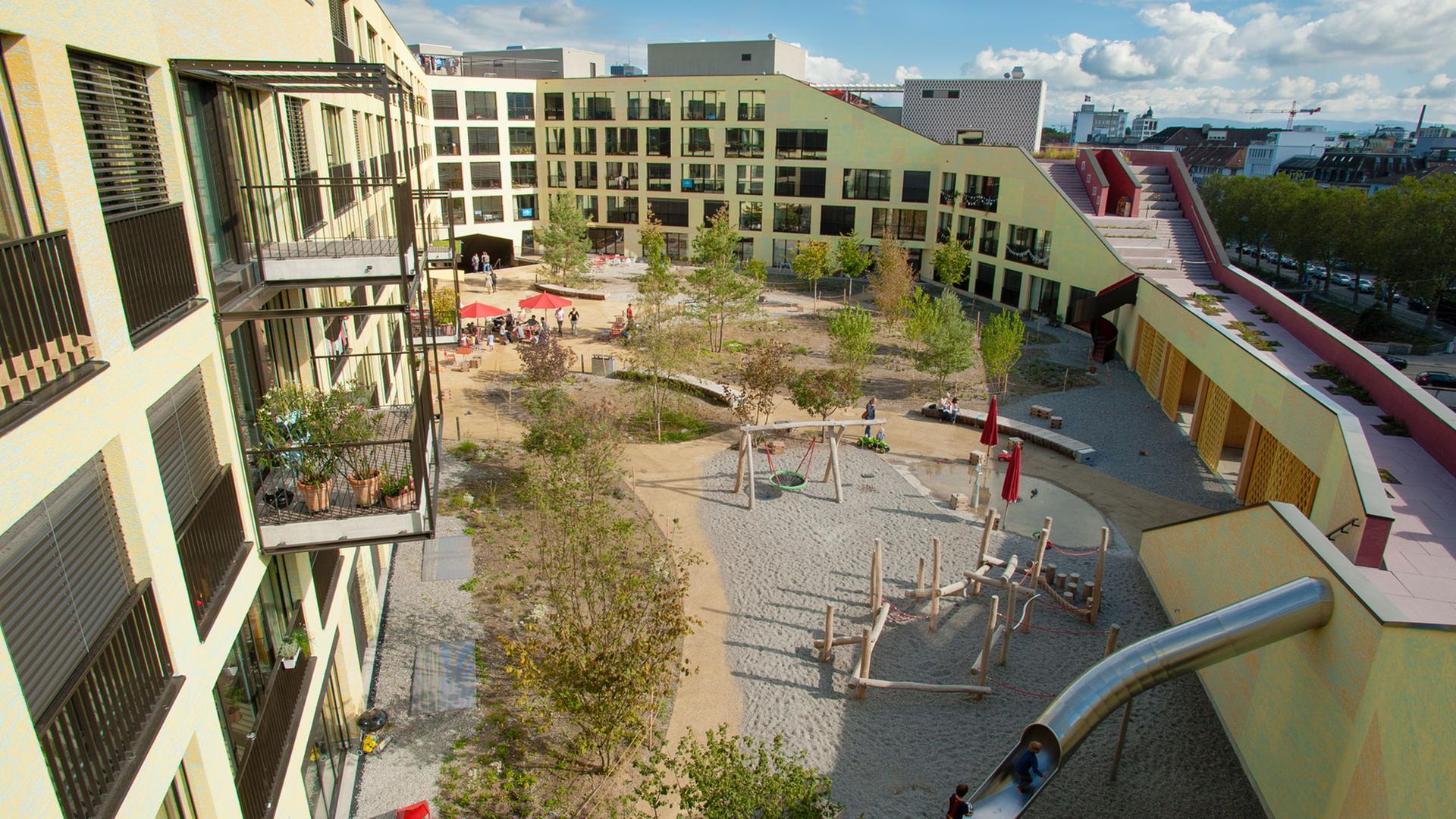
The Hunziker Areal | Mehr als Wohnen is the one most often held up as proof the model can scale and innovate at once: a 13-building, car-free district for around 1,200 residents on a former industrial site, built by the Baugenossenschaft mehr als wohnen as a deliberate laboratory for low-carbon construction, shared space and new household forms. Kalkbreite, by Genossenschaft Kalkbreite, wraps housing for some 250 people, workspaces and a cinema around a working tram depot in the dense inner city — a building that proved cooperatives could develop the hardest urban sites, not just the cheap edges.
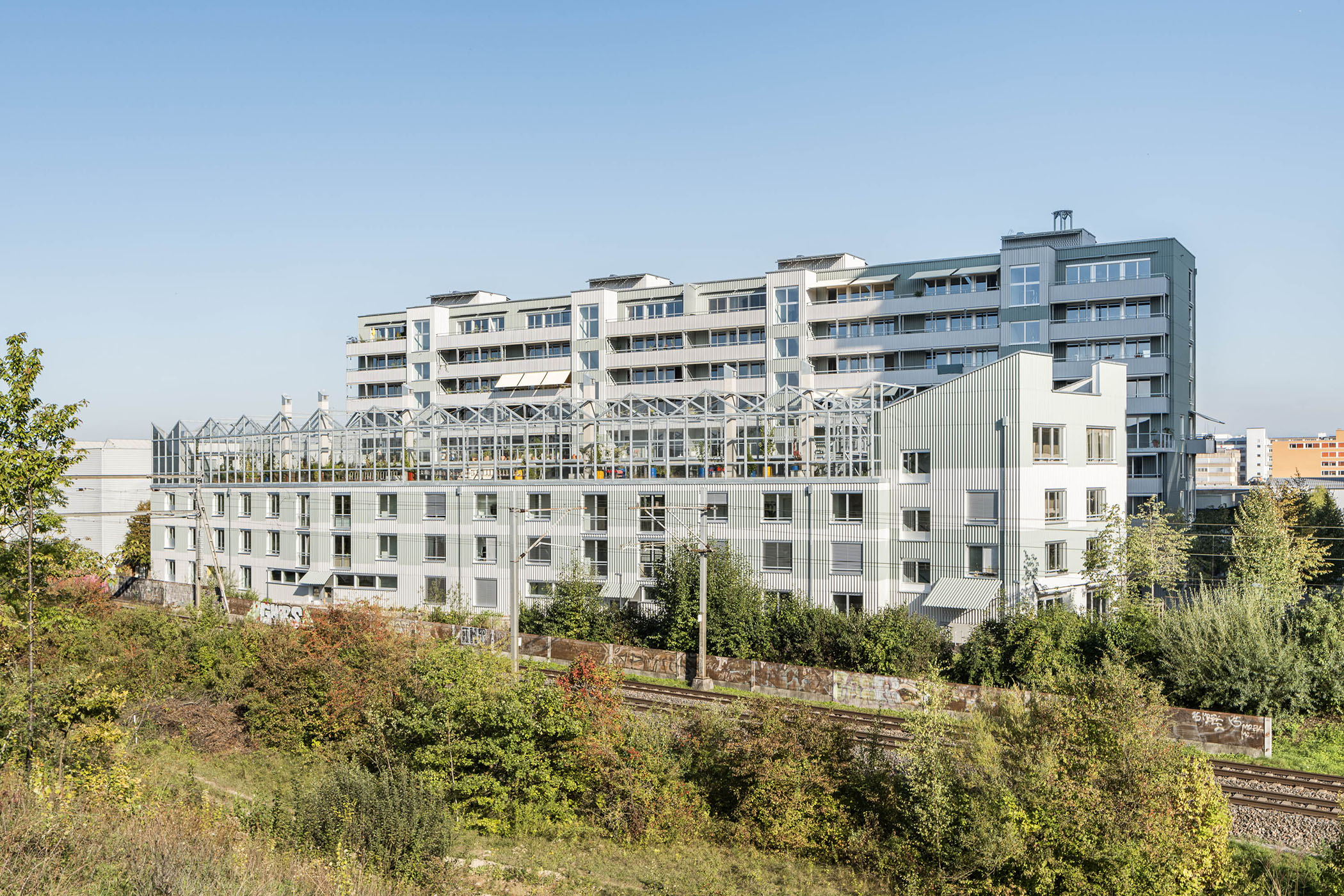
Bau- und Wohngenossenschaft Kraftwerk1 pioneered the large self-organised cluster flat and the deliberately low per-person footprint, and its later estates carried the idea outward from the centre. Kraftwerk1 Zwicky Süd straddles a municipal boundary on a former industrial parcel, mixing dense housing with commercial space along a tram line; Kraftwerk1 Heizenholz reworked two existing buildings into a shared-living cooperative rather than demolishing them — the renewal-not-replacement instinct the whole sector is now leaning on. The Allgemeine Baugenossenschaft Zürich keeps the older tradition running at scale, including new high-density work such as the ABZ Tower im Koch-Quartier on a redeveloped city site.
The connective tissue that makes the buildings repeatable is the federation and the funds behind them. Wohnbaugenossenschaften Schweiz pools finance and training; Solinvest secures the land; the city housing funds put cooperatives on plots they could never win at auction; and outside Zürich, WOGENO Zürich shows the quieter acquisition route — buying and de-commodifying existing tenement buildings rather than building anew — while LA CODHA carries the participatory model into Geneva. One question hangs over the whole portfolio, and a catalogue essay asks it directly: could Zurich's housing cooperatives be the solution to the rest of Europe's housing crisis? The honest answer the Swiss case offers is that the buildings travel more easily than the land politics that produced them.