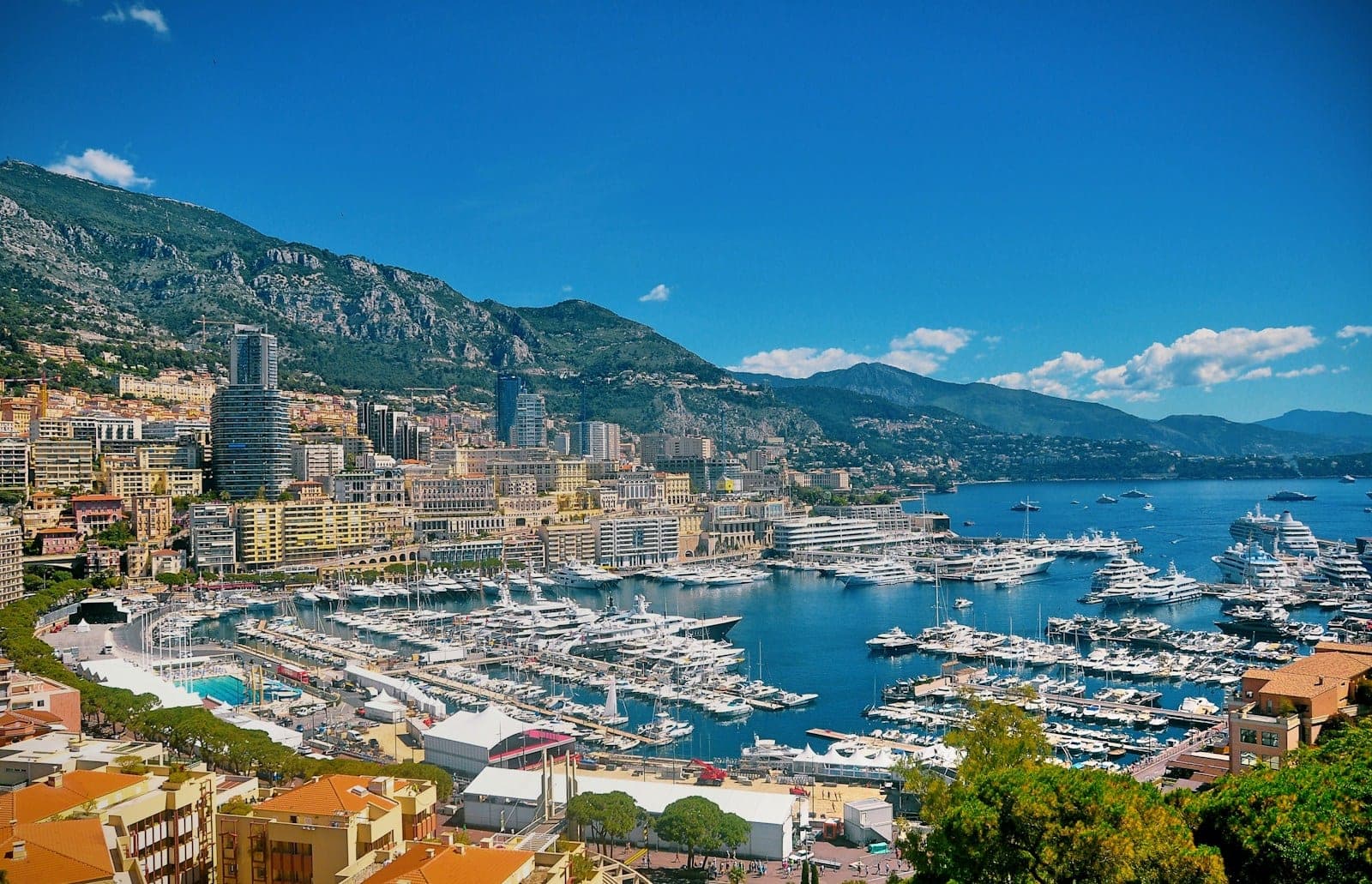
A country measured in square metres
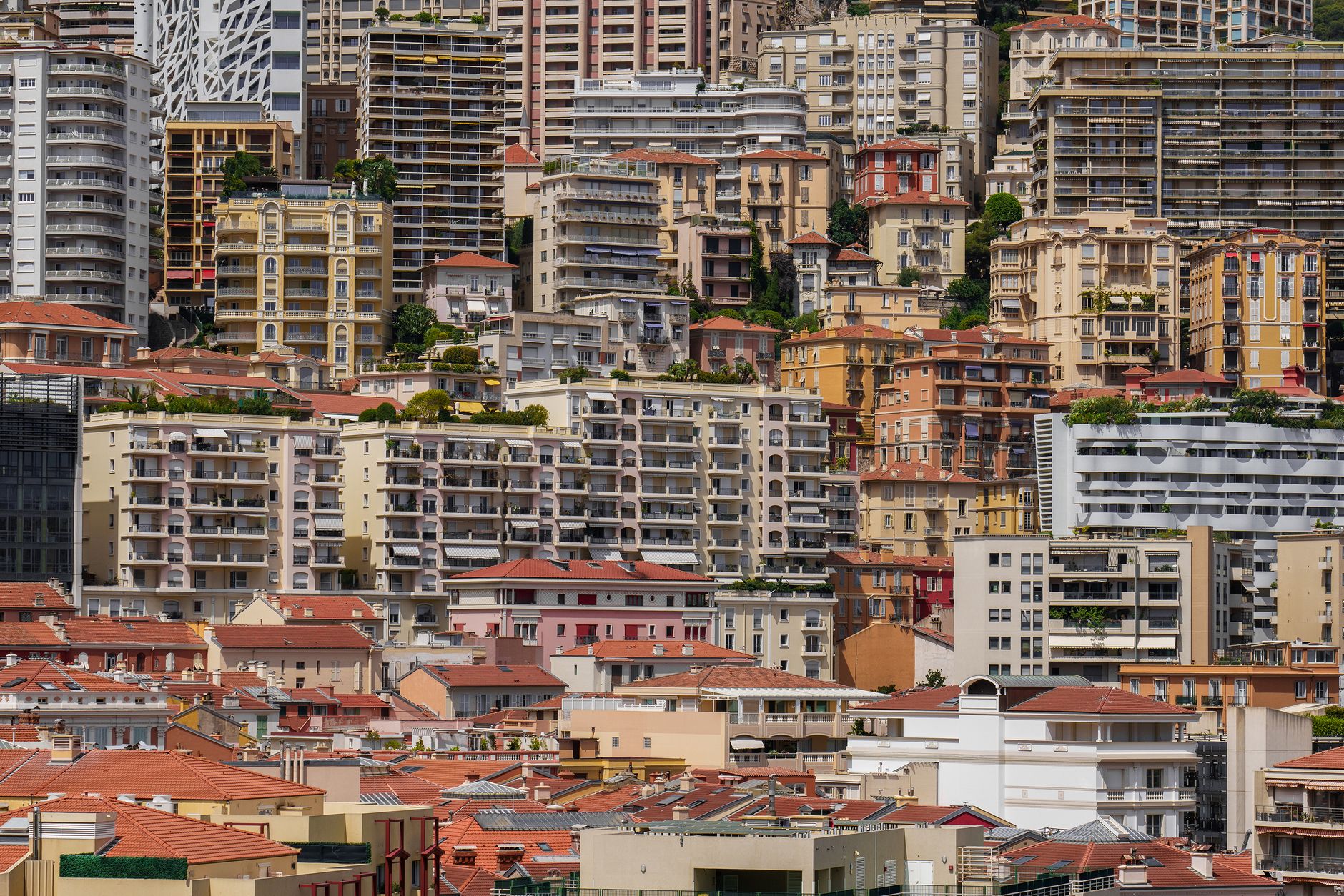
Monaco counts its people with rare care. Its first census dates from 1757, and since 2023 it has been refreshed every year from administrative registers. The latest count finds 38,857 residents from 144 nationalities on about 2 km² of rock and reclaimed shore. At that density every housing question becomes a question about land.
The most expensive and the rarest thing in the Principality is the square metre. That square metre must therefore earn its keep.Jean Castellini, then Government Counsellor-Minister for Finance and the Economy, interviewed in 2019
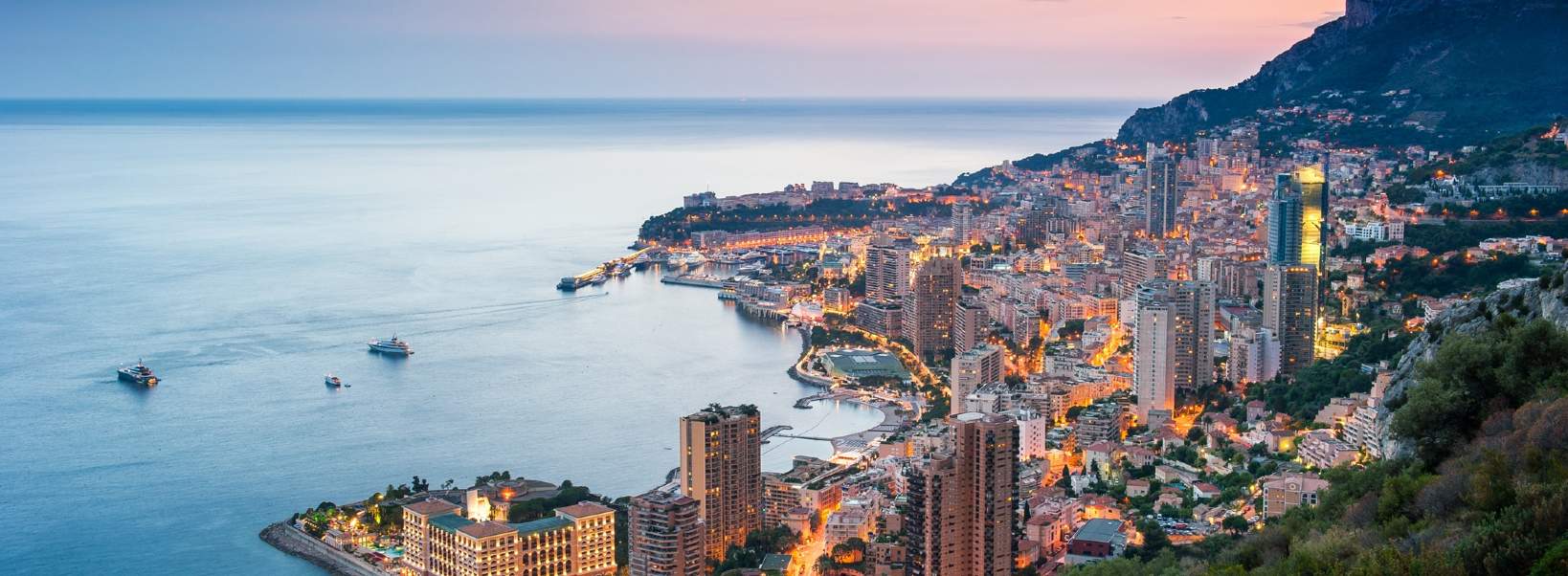
The 2025 census counts 22,577 dwellings. Monaco sorts them by owner rather than by tenure. 80.6% are privately owned, whether lived in by their owner, let or kept as second homes. The other 19.4%, or 4,380 homes, belong to the State. This is the domanial stock (logements domaniaux), Monaco’s public housing, let only to Monégasque nationals. The census does not split private homes into owner-occupied and rented, so no reliable owner-occupier share exists. Cooperative housing does not appear at all, because there is no cooperative sector. State homes cluster in the newer districts: 37.9% of dwellings in Fontvieille are domanial, against 2.9% in Monte-Carlo.
- Privately owned (owner-occupied, let or second homes)80.6%
- State-owned (domanial) public housing19.4%
Social housing here is a set of rules layered over ownership, not a slice of its own. The main layer is the secteur protégé (the protected sector). It covers private flats in buildings finished before 1 September 1947, governed by Law 1.235 of 28 December 2000. Owners must let them at regulated rents to "protected persons": Monégasques first, then enfants du pays (literally "children of the country", long-settled residents born or raised in Monaco). The layer is shrinking. A 2021 account of the sector put the loss at at least 50 flats a year, through demolition or owners taking flats back. A second layer is cash. The Aide Nationale au Logement (the national housing allowance) helps Monégasques renting privately, and its reference rent for a two-room flat is €5,580 a month from 2026.
The rent ladder has unusually official rungs. New lets in the protected sector averaged €39.93 per m² a month in 2025. Free-market lets in the same pre-1947 buildings averaged €66.52. The State pays owners the difference, €26.59 per m² a month, as an allocation compensatoire de loyer (compensatory rent allowance). At the top, Savills puts prime rents at €114.50 per m² a month in 2024, and €142.30 for three-bedroom flats. Buying costs €57,569 per m² on average according to the 2025 property observatory, and more than €70,000 in Larvotto. Rents in the State’s own homes are not published per square metre.
- Protected sector, new lets
- Free market, pre-1947 buildings
- Prime rents, all sizes
- Prime rents, three-bedroom flats
Monthly rents per square metre, from the regulated protected sector to the prime market. Domanial rents are not published per m².
Monaco publishes no residential or office vacancy rate. The emptiness that can be measured sits inside the State’s own stock, in flats waiting between tenants. At the allocation round of March 2026, 156 homes went to 349 applications. Each round reshuffles households, and flats stand empty until the next one. Supply outside the State barely moves: just over 100 new private homes were delivered in 2025, while the resident population grew by 434 people. The free market has no rent cap, and prices answer to global wealth rather than local wages.
The strain lands hardest on people who work in Monaco but cannot live there. Employers in the Principality count more than 65,000 employees, and nearly 9 in 10 of them live outside it. Many commute from the French communes along the coast, where rents are a fraction of Monaco’s. Beausoleil, just across the border, averaged €25.10 per m² including charges. For nationals the pressure is the wait for a State flat. In 2022 the National Council warned of a new shortage by 2026 after two planned operations were cancelled, and housing became a central issue of the 2023 election. For the enfants du pays and middle earners without citizenship, the private market is often the only option left.
With no cooperatives and a State that already houses 62% of its nationals, almost all of Monaco’s non-market housing is public. The interesting question is how the State shares ownership with those it houses.
No cooperatives, but a right to stay for sale
Monaco has no housing cooperatives, no cooperative law for housing and no federation. The nearest relative is a State product. The contrat habitation-capitalisation (habitation-capitalisation contract, CHC) was created by Law 1.357 of 19 February 2009. A Monégasque tenant of a domanial flat pays a capital sum for a 75-year right to live there, instead of rent. The price follows the building’s average rent per m², adjusted for floor and position. Buyers put down at least 10% and can borrow the rest from the State at a rate capped at 3%. The right cannot be sold on. Heirs of Monégasque nationality inherit it, or recover the capital paid in.
That is close to a limited-equity cooperative share. Members build equity in their home, yet cannot profit from its scarcity. The difference is the landlord. In Zurich or Copenhagen the building belongs to a member-owned association. In Monaco it belongs to the State, and the resident is a contract-holder, not a member.
The history explains why. After the Second World War, housing for Monégasques was an emergency. Monaco answered by freezing rents in the older private stock, which became the protected sector. Where Vienna or Geneva handed the gap to member-owned associations, Monaco first regulated private landlords and then built for its citizens itself. Cooperative self-help never had space to grow. Stéphane Valeri, a leading figure of that shift, summed up the goal as building domanial flats "so that it is the State that houses them".
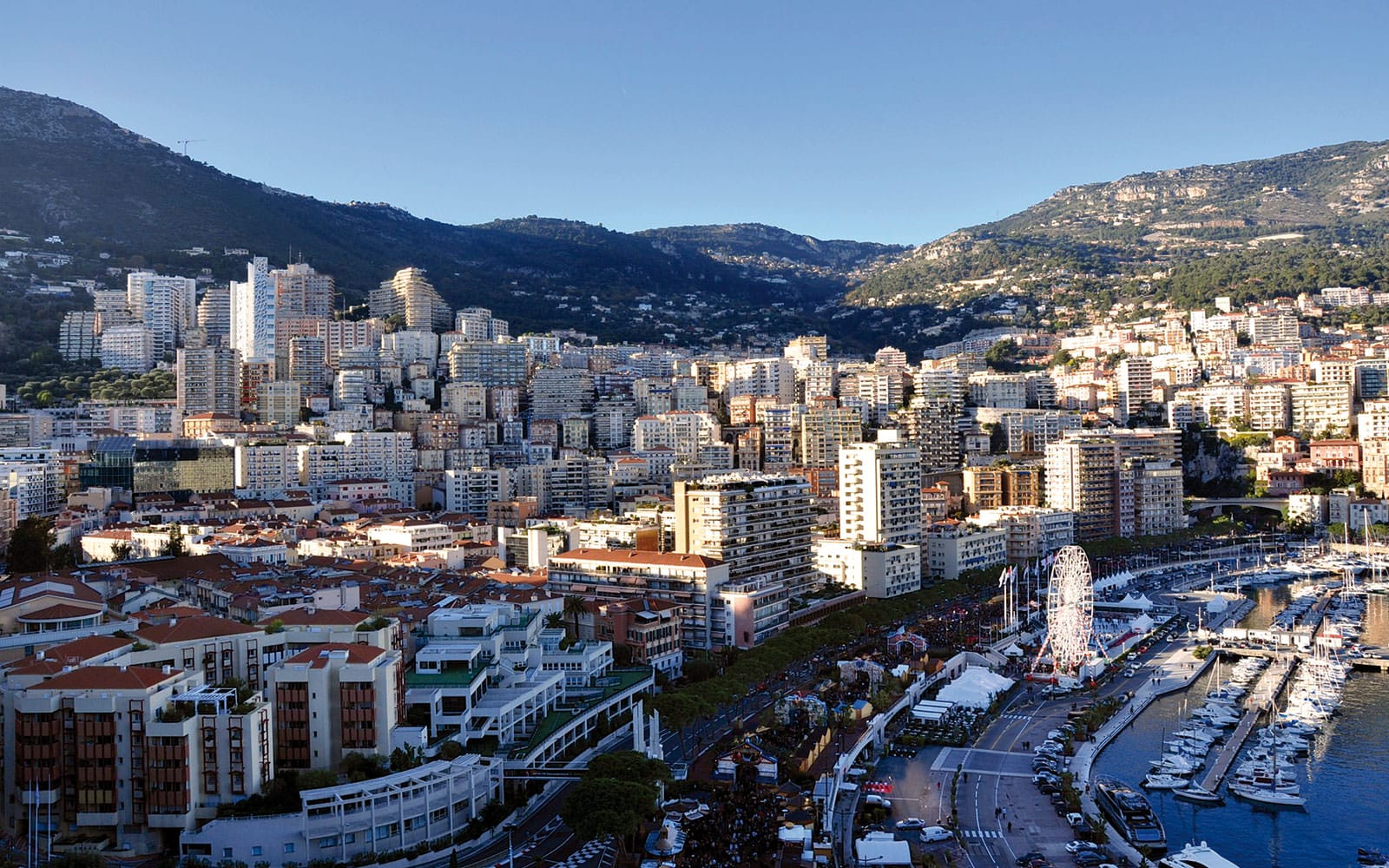
Today the non-market side clusters into three groups, each with its own problem. The State, through the Administration des Domaines (the state property office), builds and lets domanial homes. Its constraint is time: parliament has heard that State-led projects take 5 to 7 years against 3 for a private developer. Small owners of protected flats, represented by the Association des Propriétaires de Monaco, face ageing buildings and regulated income. Their tenants, represented by the Association des Locataires de Monaco, face eviction when a building is demolished or reclaimed. The three share one scarce input, land, but pull in opposite directions over it.
Government therefore treats affordable housing as something the State delivers, sometimes by paying private landowners in flats. At the Bel Air operation, 223 homes become 135 net once the share owed to landowners who were paid in kind is deducted. That bargain, land for floor space, is where housing politics now plays out.
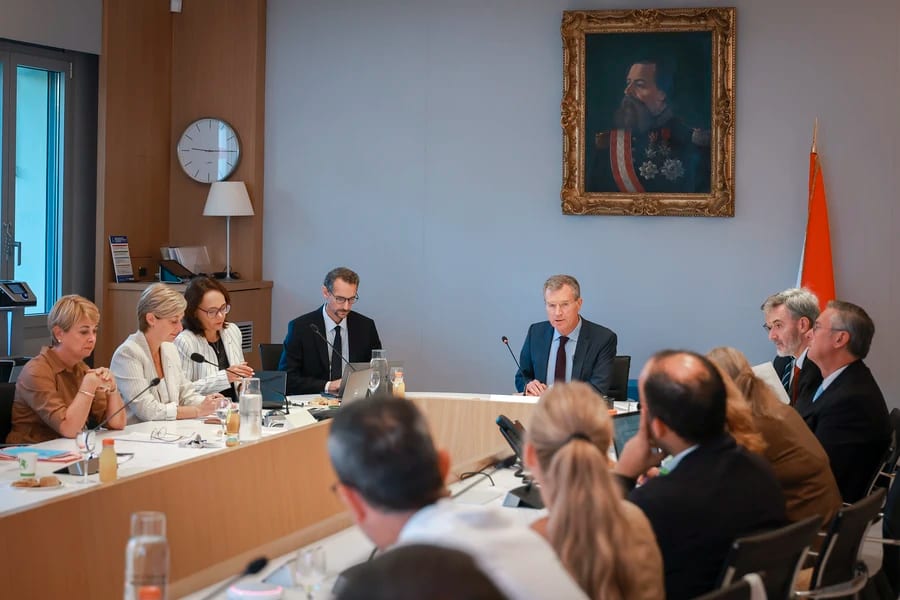
One small state, nearly every lever
The government’s answer is the plan national pour le logement (national housing plan), launched in 2019. By the end of 2024 it had delivered 633 domanial flats for €1.5 billion. A second phase, announced in 2025, adds 385 homes across five operations by 2029. In September 2026 Christophe Mirmand, the Minister of State (head of the Prince’s government), set out the bill. By the end of 2025, €1.32 billion had been spent. The total is about €2.11 billion for roughly 990 homes. That is €2.14 million per home. The 2027 budget carries nearly €280 million for housing. The stated target has also moved. In 2025 it was to house nearly three quarters of Monégasques by 2029; in 2026 the aim is to lift the share from 62% to 65%.
The first of them, if only in terms of the volume of credits devoted to it in the budget, is housing.In most of Europe the levers sit with separate tiers. In Monaco one small state holds nearly all of them. The Prince’s government proposes, builds and lets. The National Council (the elected parliament) votes the budget and the housing laws, and its housing commission presses for more flats. The one outside tier is France: its coastal communes house most of Monaco’s workforce, and residence rules still rest on the Franco-Monegasque neighbourhood convention of 1963.
The support instruments are all public. The habitation-capitalisation contract lets nationals build equity. The housing allowance tops up private rents. Two laws of 2021 tackled the protected sector: one compensates owners with an allowance, and the other requires any rebuilt pre-1947 building to replace its protected flats one for one. Another law of 2021 formally recognised the enfants du pays. A new method for allocating State flats is due before the end of 2026. None of these tools involves a cooperative or a member-owned body.
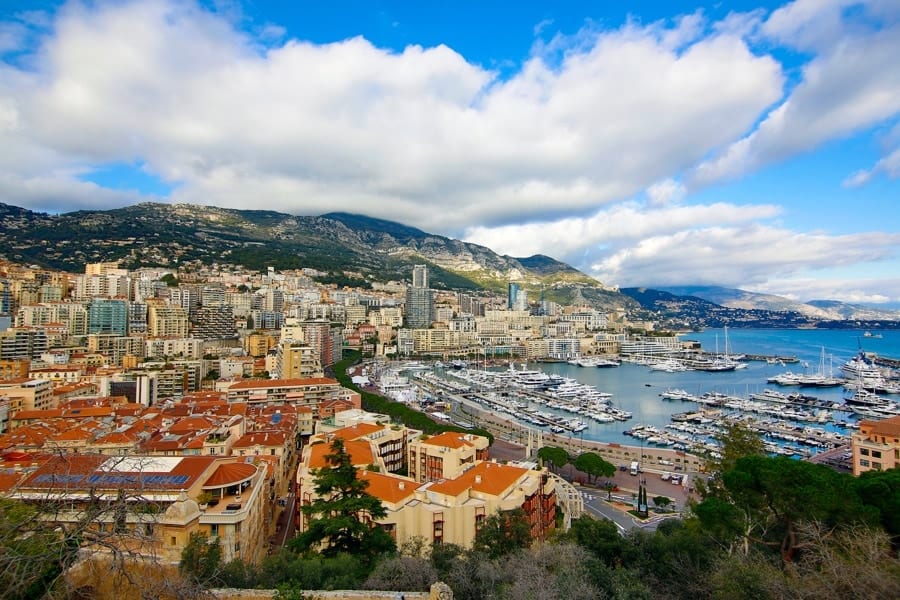
The vacancy answer is administrative. A new information system is meant to raise allocation rounds from 1 a year to 3 by 2028. A €3 million renovation budget should return 200 flats to use. Households in flats too big for them are offered a swap, with a €10,000 bonus to cover the move. No programme yet targets empty private homes or offices.
The climate goals point the same way. Monaco aims to halve its greenhouse gas emissions by 2030 against 1990 and reach carbon neutrality by 2050, and buildings are one of three priority sectors. The State is the only actor that builds at scale, so its domanial programme is also the main vehicle for low-energy homes.
The protected sector is where opinion divides most sharply. Franck Lobono, then chair of the National Council’s housing commission, called it "historic, and if I dared, hysterical" in 2021. Owners argue that the rules make them fund a social policy that belongs to the State. Their association’s president put it this way.
The discrimination between properties in the free sector and those in the so-called "protected" sector is flagrant. Today’s reality no longer matches the reality of the war years.Gisèle Hugues, President of the Association des Propriétaires de Monaco (the property owners’ association), quoted in 2018
Without this strong political choice, more than 1,000 families of Monégasques and enfants du pays, deeply attached to the Principality and many of them present for several generations, would have been forced to leave it for good.Stéphane Valeri, then head of the Primo! list and a former President of the National Council, defending in 2018 a choice he made on the protected sector in 2003
- 1947[source]
The protected-sector cut-off
Buildings finished before 1 September 1947 later form the rent-controlled protected sector.
- 2000[source]
Law 1.235
The law of 28 December 2000 sets the letting conditions for protected-sector homes.
- 2009[source]
Habitation-capitalisation contract
Law 1.357 lets Monégasque tenants buy a long right of habitation in their domanial flat.
- 2019[source]
National housing plan launched
The Prince announces the plan national pour le logement for Monégasque families.
- 2021[source]
Compensatory rent allowance
Law 1.507 of 5 July 2021 compensates protected-sector owners from 1 January 2022.
- 2022[source]
Testimonio II allocated
All 181 flats in the first Testimonio II tower go to Monégasque households.
- 2025[source]
Second phase of the plan
633 homes delivered for €1.5bn by end-2024; 385 more planned across five operations to 2029.
- 2026[source]
Housing named the first priority
Nearly €280 million for housing in the 2027 budget, about 15% of public funding.
- 2028[source]
Three allocation rounds a year
Target to move from 1 to 3 allocation commissions a year to cut time flats stand empty.
- 2029[source]
Phase-two deliveries
Bel Air, Larvotto Supérieur, La Luciole and Hector Otto due within the second phase.
- 2030[source]
Halve greenhouse gas emissions
National target of a 50% cut against 1990, with buildings one of three priority sectors.
- 2050[source]
Carbon neutrality
Monaco’s long-term climate goal.
From post-war rent control to the national housing plan and its climate horizon.
Towers on the last plot, land from the sea
Testimonio II is the plan’s flagship, built on the last large building plot in the Principality, between boulevard d’Italie and avenue Princesse Grace. The contractor Caroli built two domanial towers. All 181 flats in the first went to Monégasque households in June 2022. The second was to be raised by five floors to hold 197. The complex also houses the International School of Monaco for 700 pupils and a crèche. It shows the State stacking public services and homes on a single scarce site.
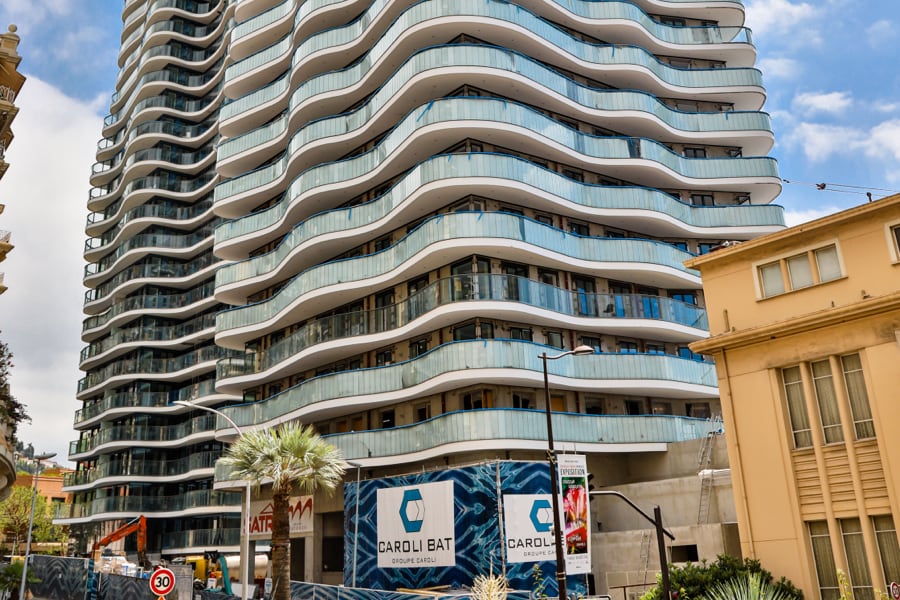
Ida, in the Colle district, is the more instructive case. The State bought and reassembled a patchwork of plots, a role it had never played so actively. The result mixes 160 domanial and 55 private homes with a crèche, shops, offices and a home for adults with disabilities run by AMAPEI. The architect Emmanuel Deverini designed one of its buildings, an L-shaped block partly on stilts. Mixing tenures and uses in one block is the closest Monaco has come to a neighbourhood built around residents rather than buyers.
Bel Air, the largest operation of the second phase, will deliver 223 homes. It was first due in 2023 and slipped by several years, which is why parliament feared a shortage. The same land-for-flats bargain applies at Villas Les Lierres and Nathalie, where 60 homes yield 48 net.
Hector Otto, named after the avenue where it will stand, is the operation to watch. The government plans 76 to 90 homes there. It is also the kind of site where Monaco could test who counts as local. Opening a share of such homes to the enfants du pays or to key workers would widen the circle the State houses.
Mareterra is the other answer to scarcity: make new land. The six-hectare extension off Larvotto was masterplanned by Valode & Pistre, with a residential building by Renzo Piano. It opened in December 2024, six months early. Its heating and cooling run 80% on renewable energy, and its caissons are grooved to invite marine life. Every home in it is private and priced for the global market.
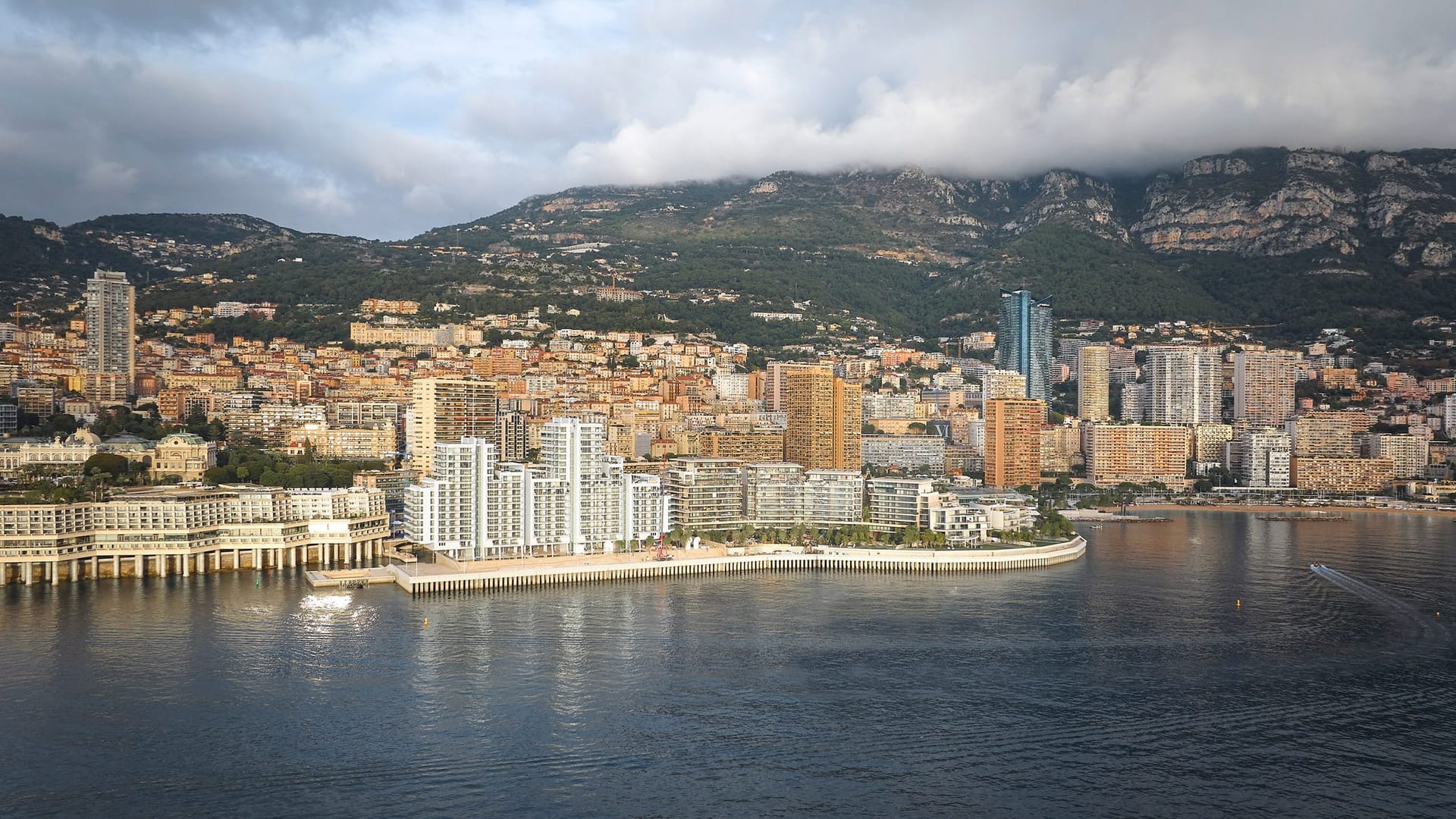
So the question in the headline has two answers on the table. Monaco can build new land for the few, or stack State homes for its citizens on the plots it can assemble. What it has not yet tried is letting residents own and run homes together. The habitation-capitalisation contract already gives nationals equity without speculation. Extending that logic to the people who keep the Principality running is the step still missing.
References
Statistics2Click on any number to see the source
Housing market
Population & migration
From our library11
- Recensement de la population 2025 — Knowledge
- Secteur protégé : deux lois « historiques » — Knowledge
- Spotlight: Monaco – 2025 — Knowledge
- Observatoire de l'immobilier 2025 — Knowledge
- Logements domaniaux : le Conseil national craint une pénurie en 2026 — Knowledge
- Secteur protégé – Association des propriétaires de Monaco : « Notre problème, c'est le gouvernement ! » — Knowledge
- Rentrée du gouvernement : « Le logement est notre priorité numéro 1 » — Knowledge
- Suite du plan national pour le logement : loger près de trois quarts des Monégasques dans le secteur domanial fin 2029 — Knowledge
- Tour Testimonio : 181 appartements ont été attribués à des familles monégasques — Knowledge
- Ida : l'opération emblématique du Plan logement — Knowledge
- Monaco's six-hectare land extension Mareterra reaches completion — Knowledge
Further sources9
- Arrêté ministériel n° 2026-67 relatif au loyer moyen au mètre carré (secteur protégé) — Legimonaco · 2026-02-17
- Secteur protégé : prix des loyers moyens au mètre carré — Legimonaco · 2025-02-13
- Aide Nationale au Logement (reference rents) — Journal de Monaco · 2025
- Habitation-capitalisation contract — MonServicePublic (Government of Monaco)
- Loi n° 1.357 du 19 février 2009 définissant le contrat « habitation-capitalisation » — Journal de Monaco · 2009-02-19
- Monaco dévoile la deuxième phase de son ambitieux plan logement — Monaco Tribune · 2025-06-07
- Combien coûte le loyer d’un appartement près de Monaco ? — Monaco Tribune · 2023-01-13
- « Il y a un "prix à payer" pour vivre en Principauté » — L’Observateur de Monaco · 2019-04-04
- Transition énergétique : les objectifs à horizons 2030 et 2050 — L’Observateur de Monaco
Funding & land tenure
What a housing cooperative could actually build on hereLand tenure has not been assessed for Monaco yet — that is a gap in the research, not a finding.