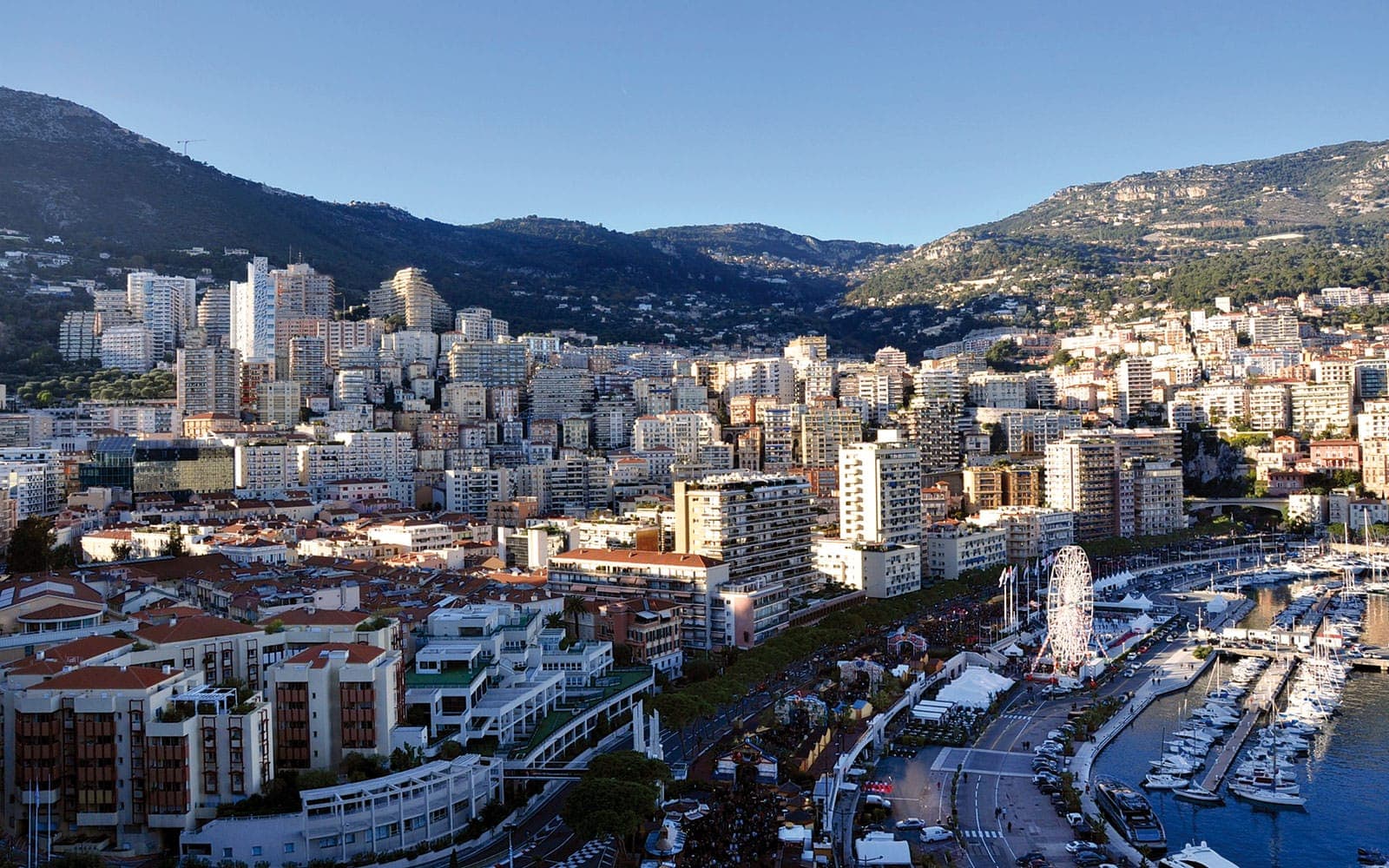
Overview of the Article
The article, published by Monaco Hebdo and authored by journalist Raphaël Brun, examines the long‑standing “secteur protégé” in Monaco – a housing regime that limits rents for apartments built before 1 September 1947. It details the positions of the Association of Monaco Property Owners (APM) and the Association of Monaco Tenants (ALM), highlighting the APM’s demand for compensation for 72 years of perceived financial loss and its call for the abolition of the protected sector.
APM’s Claims and Proposals
The APM argues that the protected sector’s rent controls constitute a “legal monster” that forces small owners to subsidise state‑led social policies. It seeks indemnisation for “charges financières indues” accrued over 72 years and proposes several reforms: partial liberalisation of rents based on national averages, a tripartite commission to study compensation, removal of pre‑emptive rights on pre‑1947 apartments, and a new public‑utility‑based ownership model. Additionally, the APM suggests granting private developers a construction‑size exemption, with half of the added floor area reverting to the state for social housing.
ALM’s Counter‑Arguments
The ALM rejects the APM’s narrative, contending that the protected sector protects vulnerable tenants and that the APM offers no broader social vision. It criticises the proposed allocation compensatoire de loyer (ACL) as insufficient and opaque, warning that aligning rents to neighbourhood averages would inevitably raise costs. The ALM also stresses the need for guarantees that displaced tenants be rehoused during reconstruction and that any new housing remain affordable.
Political Context and Legislative History
The piece references Law 1235, enacted in 2003 under then‑National Council President Stéphane Valeri, which cemented rent controls. Subsequent proposals, notably Law 233 (adopted October 2017), introduced the ACL and aimed to balance owner compensation with tenant protection. Various political groups—Nouvelle Majorité, Union Monégasque, Horizon Monaco—have voiced support for liberalisation coupled with state‑funded compensation mechanisms, while stressing fiscal prudence.
Economic Impact and Data Gaps
According to the APM, the protected sector has caused a “manque à gagner” (loss of earnings) for owners over seven decades, though precise monetary figures are not disclosed. The ALM notes a lack of recent official statistics on the number of protected apartments, citing the last report from February 2013. Both sides agree that the sector’s share of housing stock is declining as new developments replace older buildings.
Proposed Solutions for Sustainable Housing
For a pan‑European audience interested in sustainable housing, the article outlines several policy ideas that could enhance long‑term viability:
- Introducing a differentiated rent allocation funded by the state to ease transitions.
- Allowing controlled densification (additional floor area) with a portion earmarked for affordable housing, aligning with urban sustainability goals.
- Establishing a tripartite commission to transparently assess compensation, ensuring equitable outcomes for owners and tenants.
Broader Implications
Monaco’s debate reflects wider European challenges of balancing heritage‑preserving rent controls with the need for affordable, sustainable housing. The tension between protecting small property owners and ensuring tenant security mirrors discussions in other high‑density cities, offering a case study of how legal frameworks, political negotiations, and stakeholder advocacy intersect in the pursuit of socially and environmentally responsible housing policies.