Mortebeek Cooperative is a historic housing association founded in 1921 in Cureghem, a neighborhood in or near Brussels. The cooperative was established by a group of members in response to the acute housing needs of the early 20th century, adopting models from Germany to form a tenant-led organization where residents act as shareholders. Early financing combined contributions from members with support from the state, the province, and the national government.
The original Mortebeek development took the form of a garden suburb, with the architectural design emphasizing the existing topography and a social infrastructure that included not only housing but also facilities such as a cooperative shop, medical center, and meeting space. The project was shaped by the work of young architect Jean-François Houben, whose plans included small dwellings with clear lines and modern decorative influences. Subsequent expansions in the mid-20th century saw urban architects like René Bragard and the Mouton brothers contribute further apartment blocks, adapting the area to new housing needs.
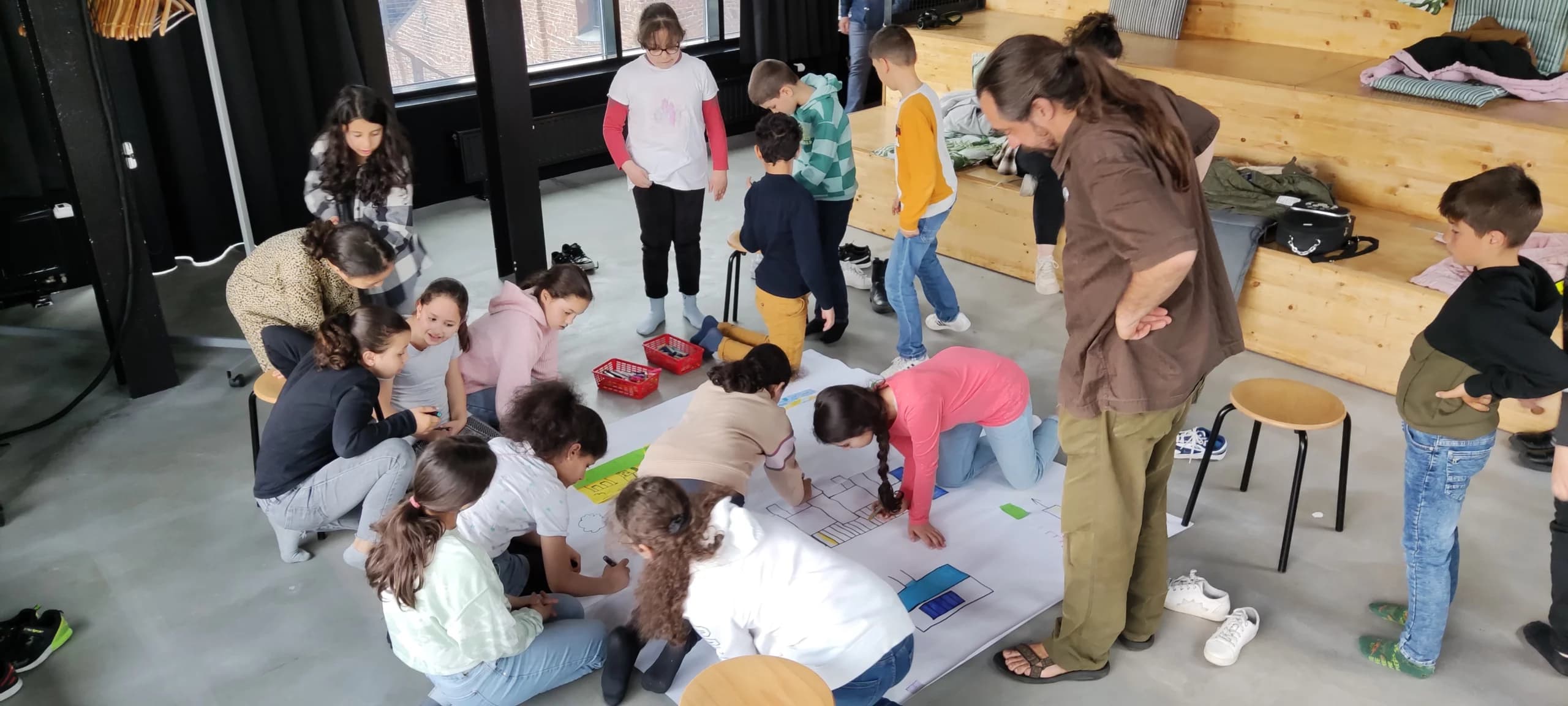
The scope of Mortebeek Cooperative’s activities extends beyond housing provision; it has sought to strengthen community through initiatives such as advisory councils and participation projects that foster dialogue between residents and management. Today, Mortebeek is recognized as one of Brussels’ notable garden suburbs, with a legacy of balancing quality housing, architectural character, and social infrastructure. The cooperative remains a case study in urban housing and resident participation, illustrating both historical roots and ongoing adaptation to social challenges.