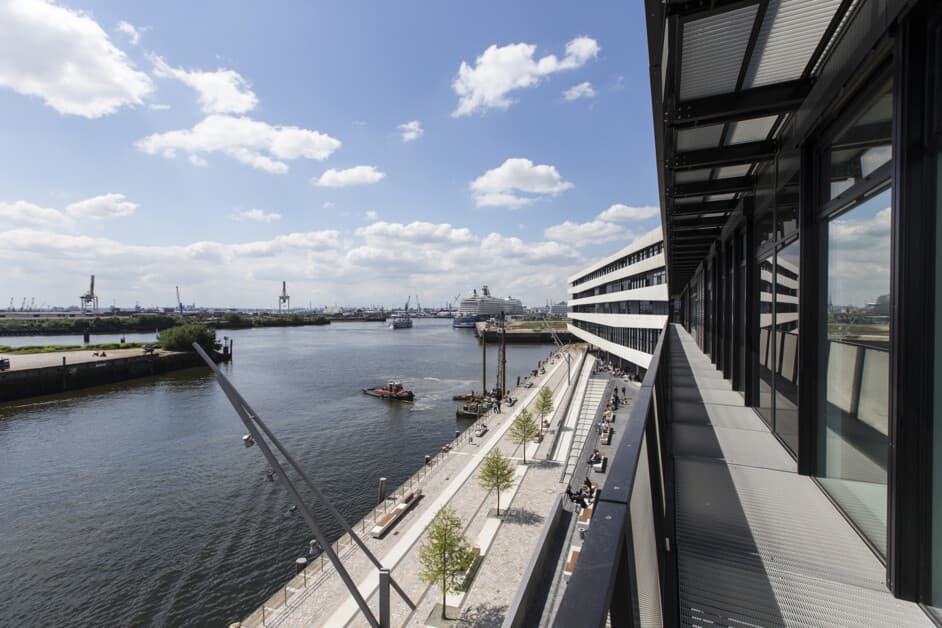
HafenCity University Hamburg (HCU) is a unique institution dedicated to the study and research of the built environment and metropolitan development. Founded in 2006, it is located in the heart of Hamburg's HafenCity, a vibrant urban area undergoing significant transformation. The university's focus on architecture, civil engineering, geomatics, and urban planning reflects its commitment to understanding and shaping the future of metropolitan areas.
HCU offers a range of academic programs, including bachelor's and master's degrees in architecture, civil engineering, geomatics, and urban planning. Interdisciplinary master's degrees in urban design and resource efficiency in architecture and planning (REAP) are also available. The university's research is characterized by a systematic interdisciplinary and transdisciplinary approach, addressing the complex challenges facing urban environments.
Notable partnerships include collaborations with the Massachusetts Institute of Technology (MIT) through the CityScienceLab, which explores urban and regional strategies for adapting to climate change. HCU's research initiatives foster dialogue between science, politics, civil society, and business, aiming to shape the future of urban development.
With a student population of around 3,000, HCU provides a dynamic learning environment that combines theoretical knowledge with practical applications. The university's location in HafenCity offers students a unique opportunity to engage with real-world urban challenges, making it an attractive choice for those interested in sustainable urban development and metropolitan culture.