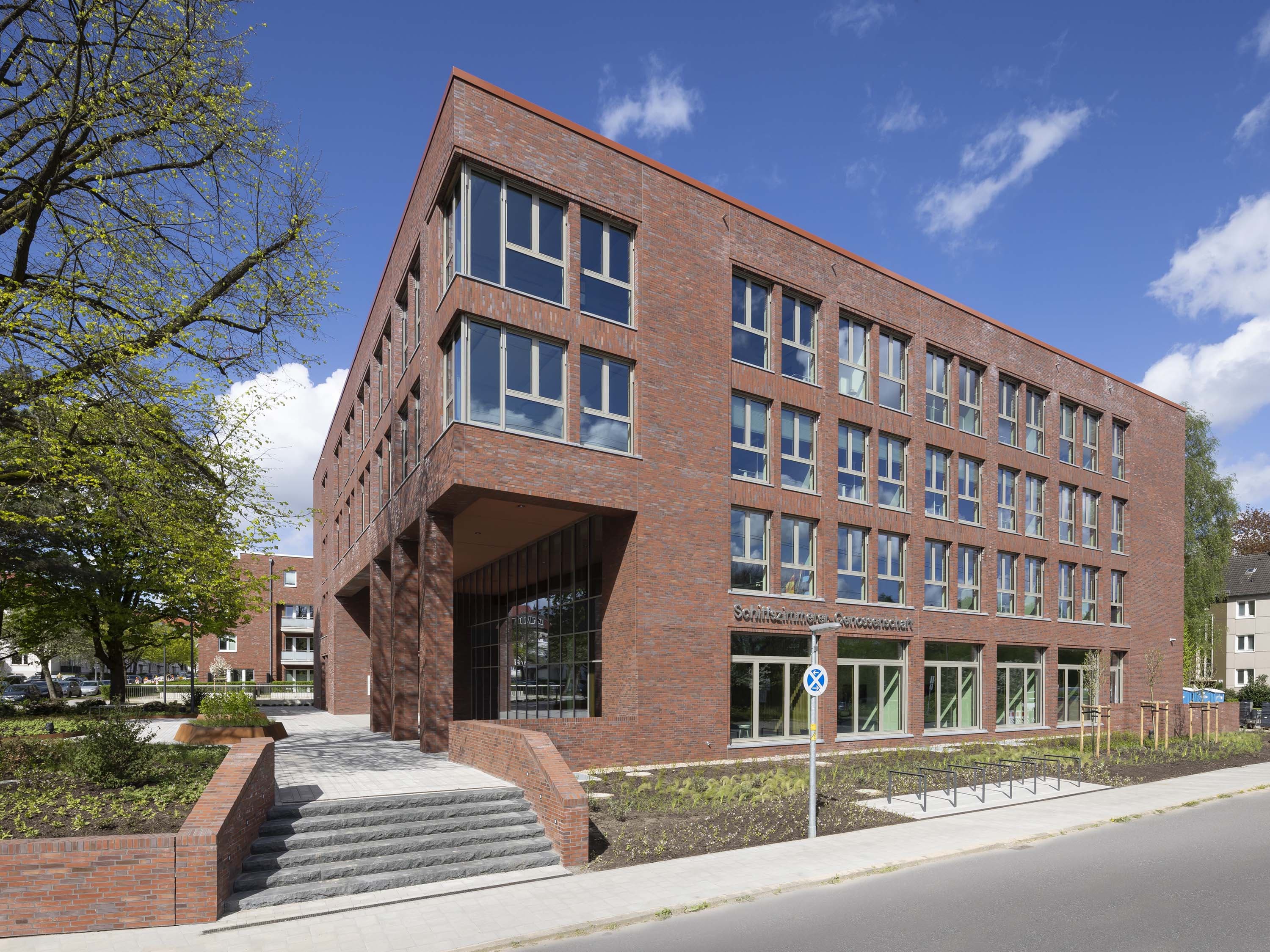
The Allgemeine Deutsche Schiffszimmerer-Genossenschaft eG stands as Hamburg's oldest housing cooperative, tracing its origins to November 18, 1875, when ship carpenters organized by Heinrich Grosz established it to combat wage dumping in the shipbuilding industry. Initially focused on purchasing and operating shipyards for wooden shipbuilding, the cooperative shifted direction in 1889 when steel construction rendered their original business model obsolete.
The organization redirected its purpose toward addressing the dire housing conditions faced by harbor workers, who lived in overcrowded quarters that contributed to the 1892 cholera epidemic claiming over 8,000 lives. In 1900, the cooperative constructed its first building with 136 apartments in Neustadt, nicknamed the "Arbeiterschloss" for offering workers affordable housing with then-luxurious amenities like balconies and bathrooms.
Throughout the 20th century, the cooperative survived two world wars, losing approximately 50 percent of its 1,822 apartments during World War II, and navigated economic crises while maintaining its commitment to affordable housing. Today, the organization manages roughly 9,000 apartments and 4,000 additional properties including parking spaces and commercial units across approximately 90 residential complexes in Hamburg and surrounding areas, serving nearly 15,000 members.
Recent initiatives reflect demographic shifts, with the cooperative developing barrier-free housing, residential care communities, and specialized accommodations for dementia patients in neighborhoods like Ohlsdorf, Stellingen, and Sasel. The organization has also returned to its historical roots through two projects in HafenCity, once again providing cooperative housing near the harbor where its story began 150 years ago.