Overview of the Seestadt Project
The article, published by the German weekly Meine Woche, examines the first built phase of the Seestadt residential development in Mönchengladbach. The development, launched in late 2020 by the city and investor Catella, promised sustainable, energy‑efficient housing with direct access to a new lake. It now comprises 248 barrier‑free apartments ranging from one‑ and a half to four rooms, a central playground, a underground car park and other eco‑friendly features.
Current Living Conditions
Tenants of the southern block, adjacent to Lürriper Straße, report severe shortcomings. Residents describe persistent dirt, foul odours, overflowing waste bins and rodent infestations. Cleaning intervals have stretched to five weeks or more, far exceeding the weekly service stipulated in contracts. The on‑site caretaker, now the fifth or sixth in succession, is unable to manage the workload alone, according to tenant testimonies.
Noise and Disturbance Issues
Noise levels around the playground regularly exceed acceptable limits, with one measurement reaching 91 dB. Residents also cite frequent quad‑bike races on the neighbouring undeveloped site, creating late‑night disturbances. Additional concerns involve homeless encampments and drug‑related activity near a sand mound on the premises.
Impact on Vulnerable Residents
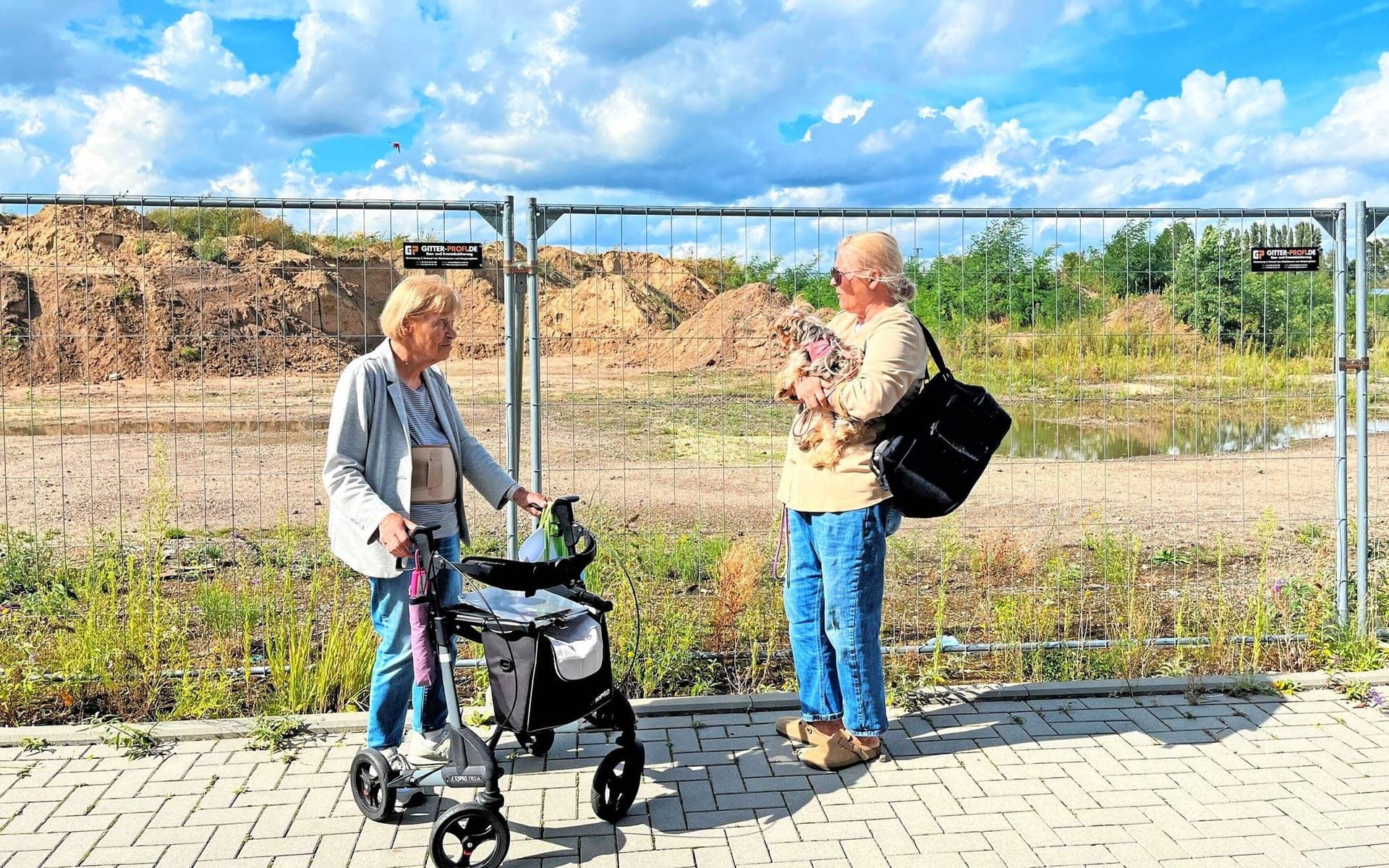
The development includes a significant proportion of residents with mobility challenges. One tenant, a Parkinson’s patient, and her partially impaired mother rely on barrier‑free apartments, yet the lack of cleanliness and safety compromises their wellbeing. The scarcity of similarly accessible homes forces them to remain in the problematic block.
Management Response and Planned Improvements
Catella’s German project‑management director, Klaus Franken, announced that a new service provider will take over housekeeping from 1 October, aiming to improve cleanliness in communal and basement areas. Noise mitigation remains difficult; the municipal building plan mandates playground facilities in inner courtyards, limiting the ability to curb child‑generated sound. Authorities have been notified about the quad‑bike races, and the police will be involved if necessary.
Tenant Turnover and Market Demand
Despite the complaints, the article notes that vacancy rates align with comparable housing estates, and the high demand for the modern, sustainable apartments ensures rapid re‑letting of vacated units. Catella asserts that the overall project continues to attract interest due to its eco‑friendly design and energy‑saving concepts.
Future Lake Development Uncertainty
The promised lake, a central element of the Seestadt’s sustainable vision, remains unbuilt. Discussions between Catella and the city are ongoing, but no definitive timeline has been disclosed. The municipal press office confirms that the planning amendment allowing lake construction was approved last year, leaving the project’s next phase pending further coordination.
Conclusion for Sustainable‑Housing Stakeholders
The Seestadt initiative illustrates both the potential and challenges of large‑scale sustainable housing. While the architectural design meets high environmental standards and provides accessible living spaces, operational shortcomings in maintenance and community management have led to tenant dissatisfaction. Ongoing efforts to appoint a new cleaning contractor and address noise complaints are positive steps, yet the delayed lake construction highlights the importance of aligning infrastructural promises with realistic delivery schedules in future pan‑European housing projects.