Overview of Wuppertal’s Housing Situation
The article, published by the Westdeutsche Zeitung and authored by Sophie Oehus, analyses recent trends in new‑build housing in Wuppertal, Germany. It highlights a sharp decline in completed apartments in 2025, contextualising the data within broader municipal housing pressures, construction costs and demographic shifts. The piece is part of a local‑reporting series that monitors housing market dynamics for policymakers, tenant organisations and the general public.
Decline in Completed New‑Build Units
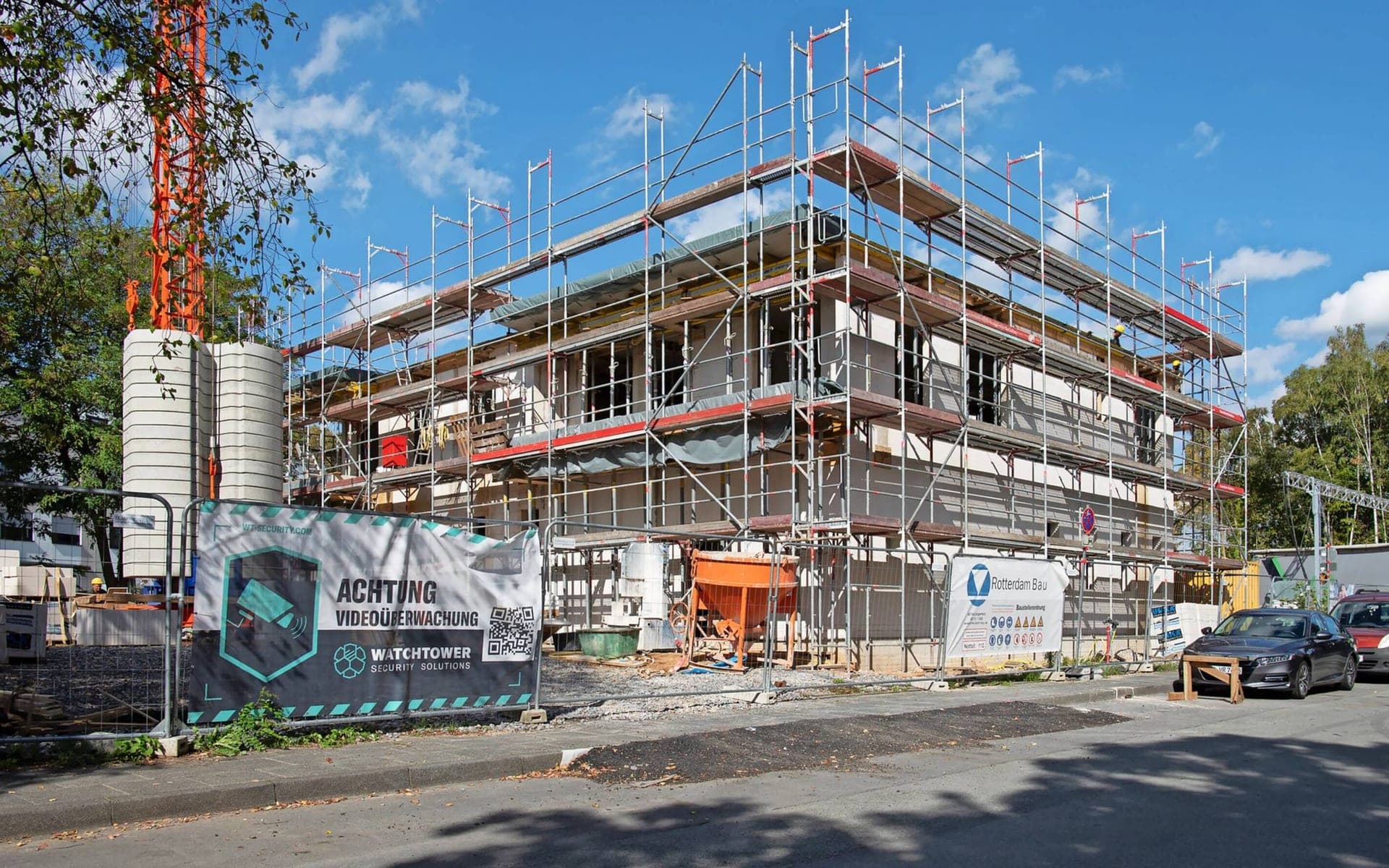
In 2025 only 360 apartments were finished, a reduction of 205 units compared with 565 completed in 2024. Of the 360, 259 resulted from new‑building projects, 60 from conversions of existing structures and 41 from changes of use. The drop is attributed to rising construction costs, tighter financing conditions and a growing “construction backlog” where approved projects remain unstarted.
Annual Permit and Completion Figures
The city approved 398 new‑build permits in 2025, a level similar to previous years (398 in 2025, 423 in 2024, 415 in 2023). However, the number of completions fell sharply, underscoring the gap between planning and delivery. The 2022 peak of 634 completions has not been matched since, illustrating a longer‑term downward trend.
Spatial Distribution of Finished Units
Neighbourhood‑level data show Barmen leading with 86 finished apartments, followed by Oberbarmen (69), Elberfeld (57) and Uellendahl‑Katernberg (44). Smaller districts such as Vohwinkel (17), Ronsdorf (15) and Langerfeld‑Beyenburg (8) contributed far fewer units, revealing uneven development across the city.
Population Change vs. Housing Supply
Population figures indicate that increased housing does not automatically translate into population growth. Barmen added 86 apartments and saw a modest rise of 211 residents, while districts like Elberfeld and Oberbarmen experienced population declines despite new construction. This decoupling suggests that other factors, such as migration patterns and household formation, influence demographic trends.
Large‑Scale Development Potential
Significant future capacity exists on several sites: the Lokschuppen area in Vohwinkel (≈450 units), the Heubruch station area in Barmen (≈427 units), and the Oberdüsseler / Nevigeser corridor in Uellendahl‑Katernberg (≈340 units). Cumulatively, projects with more than 30 planned units could provide roughly 2 900 additional apartments, though many are still in planning or stalled phases.
Vacancy Rate and Social Housing Gap
The city reports about 11 400 vacant apartments for 2024/25, corresponding to a 5.5 % vacancy rate. High vacancy coexists with a shortage of affordable and social housing, a concern voiced by the German Tenants’ Association (DMB) and the owners’ federation Haus & Grund. Both organisations call for targeted measures to increase social‑housing quotas and to repurpose empty units for long‑term residents.
Funding and Policy Measures
Wuppertal has exhausted its regular housing‑promotion budget for 2025 and 2026, allocating roughly €21 million to seven specific projects in 2026, plus an additional €20 million from state sources for neighbourhood initiatives. Stakeholders advocate for faster permitting (targeting a three‑month maximum) and the release of municipal land to accelerate construction and improve affordability.
Sustainable Housing Implications
The article underscores the tension between high construction costs, regulatory burdens and the need for sustainable, affordable housing. While large development sites offer potential for energy‑efficient building, the current slowdown in completions signals that policy reforms, streamlined approvals and dedicated funding are essential to meet both environmental standards and social housing demands across Wuppertal.