Overview of UNECE Country Profile
The United Nations Economic Commission for Europe (UNECE) prepared a Country Profile on Urban Development, Housing and Land Management for Montenegro. The report, commissioned by the Montenegrin government and supported by the Slovak Inclusive Growth Account of the Council of Europe Development Bank, combines input from international consultants, national and local authorities, and civil‑society stakeholders. It offers an independent assessment of current trends, challenges and policy recommendations aimed at improving sustainable housing and urban planning across the country.
Housing Affordability Crisis
Montenegro faces severe housing affordability issues, with a house‑price‑to‑income ratio of 8.6 : 1—more than twice the UN‑Habitat benchmark. Homeownership dominates the market while social and affordable rental units represent only 0.6 % of the total stock (2 331 units in 24 municipalities). The profile recommends enacting a dedicated law on social and affordable housing, establishing clear eligibility criteria, and expanding the rental sector through regulatory reforms and incentive schemes to increase supply.
Prevalence of Illegal Construction
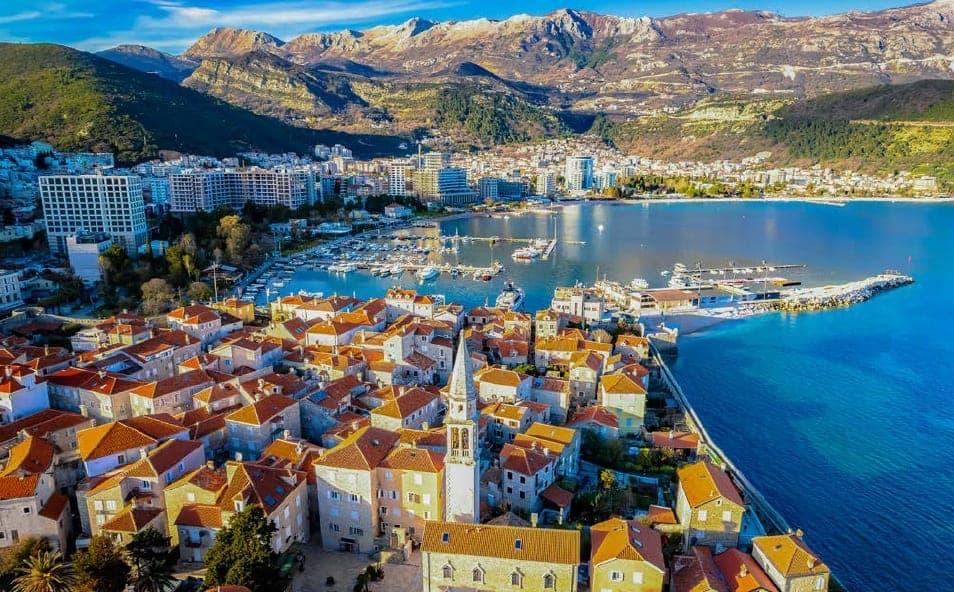
Informal and illegal building practices affect up to one‑third of Montenegro’s housing stock. Since the 2017 legalisation programme, only 3 397 out of 62 000 applications have been processed. The report urges accelerated legalisation reforms, secondary legislation and technical standards to embed sustainability, climate resilience and liveability into planning and design, and calls for stronger enforcement to curb speculative “Budvanisation” on the coast.
Sustainable Mobility and Polycentric Development
To support balanced urban growth, the profile highlights the need for railway modernisation, enhanced public transport and green mobility solutions. These measures aim to promote polycentric development, improve connectivity within Montenegro and with neighbouring countries, and reduce reliance on private car use, thereby contributing to lower emissions and more livable cities.
Land Administration and Legal Certainty
Montenegro’s land administration remains fragmented, with 93 cadastral municipalities still incomplete and restitution claims exceeding €240 million. The absence of a transaction‑price register further hampers market transparency. Recommendations include a dedicated law to transform usage rights into ownership, a unified framework for land and building legalisation, and the completion of the Real Estate Cadastre to improve legal certainty and data quality.
Municipal Finance and Equalisation Fund Reform
Local governments rely heavily on central transfers, limiting fiscal autonomy and long‑term investment planning. While the Equalisation Fund has expanded and municipal debt has fallen since 2022, disparities persist between wealthier coastal municipalities and poorer northern areas. The profile advises reforming the Equalisation Fund, strengthening municipal fiscal capacities, and improving project preparation to enable more effective local development.
Key Recommendations for Sustainable Housing
- Accelerate legalisation of informal settlements and illegal buildings.
- Enact a comprehensive social and affordable housing law with measurable targets.
- Expand affordable rental supply through incentives and regulatory change.
- Promote railway and green‑mobility projects to support polycentric growth.
- Complete cadastral coverage and establish a transaction‑price register.
- Reform the Equalisation Fund and build municipal fiscal capacity. These evidence‑based recommendations aim to help Montenegro achieve a more sustainable, inclusive and resilient housing sector, aligning national policies with European standards and supporting the country’s EU accession objectives.