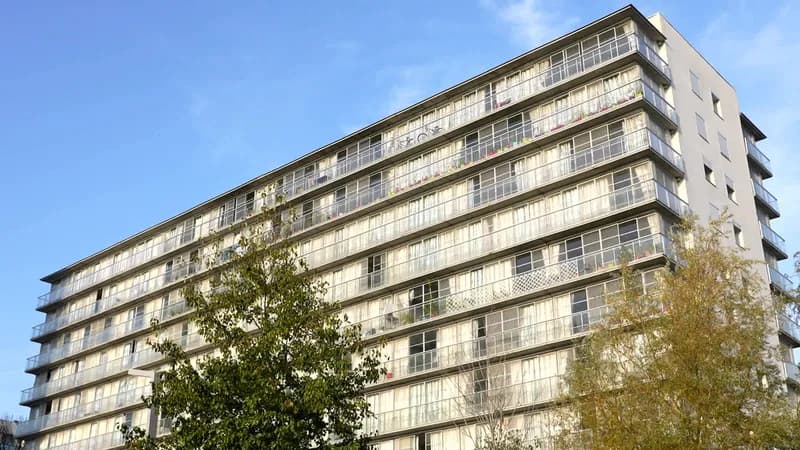
Overview of the Report
The article, authored by journalist Candice Olivari and published by France 3 Nouvelle‑Aquitaine, presents findings from the Union régionale des HLM (URHLM) of Nouvelle‑Aquitaine. It highlights a historic surge in demand for social housing in the French region, with particular pressure in the Bordeaux metropolitan area and along the Atlantic coast.
Growth in Housing Demand
URHLM reports a 24 % increase in social‑housing requests over the past three years, reaching a record 188 362 households in 2025. The demand‑to‑supply ratio is now close to seven applications per one allocation, indicating a severe imbalance.
Lengthening Waiting Times
The average waiting period for a social‑housing allocation has extended to 15 months in 2025. This reflects both the rising number of applicants and a slowdown in the turnover of existing social‑housing stock.
Declining Turnover Rates
Turnover in the social‑housing sector fell from 10.4 % in 2018 to 7.8 % in 2023. Reduced turnover, combined with a contraction in the private‑rental market, limits opportunities for households to move out of the social‑housing pool.
Profile of Applicants
In 2025, 72 % of applications came from first‑time buyers transitioning from the private sector. Approximately three‑quarters of applicants are either single persons (49 %) or single‑parent families (25 %). About 90 % earn less than the regional median salary of €1 900 per month.
Housing Preferences and Mobility
Nearly half of the applicants seek social housing within their current commune, driven by the fact that around 50 % of requesters are employed. Their primary objectives are to obtain larger or more affordable dwellings.
Financial Context and Policy Proposals
The regional council of Gironde faces a deficit exceeding €100 million, underscoring fiscal pressures. The French government is considering a unified social‑benefit scheme, consolidating aids such as the RSA, activity bonus, and housing allowances, aimed at administrative savings. Additionally, the Réduction de Loyer de Solidarité (RLS), introduced in 2018, continues to provide rent reductions based on location, income, and household size, with recent revisions under budgetary discussion.
Implications for Sustainable Housing
The sharp rise in demand and extended waiting times highlight the need for increased social‑housing provision and efficient turnover mechanisms. Sustainable housing strategies in the region must address affordability, resource efficiency, and the integration of vulnerable households, aligning with broader European objectives for inclusive and environmentally responsible urban development.