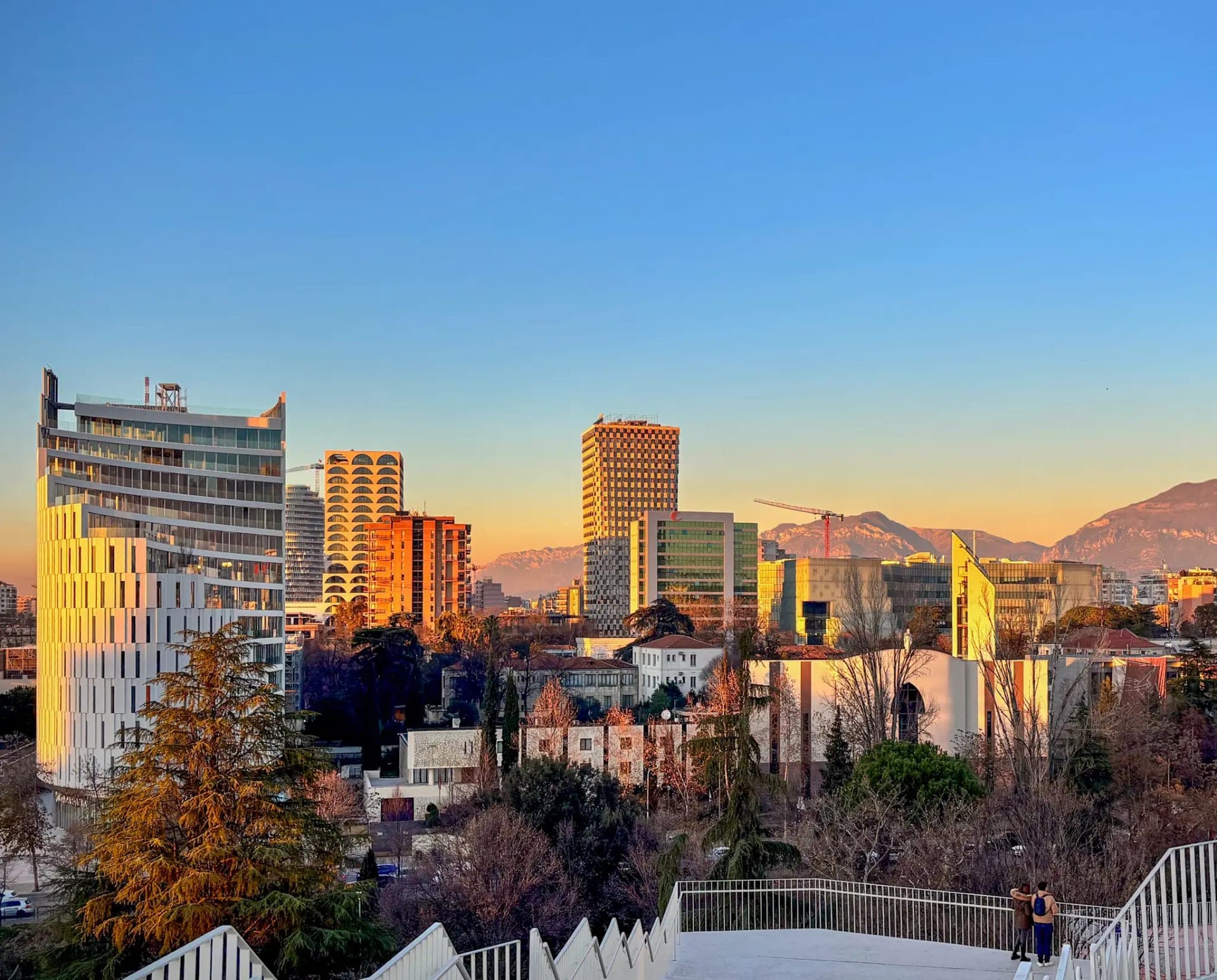
Overview of the Report and Publisher
The article “Tirana, the city of empty towers” is an OBCT‑produced feature, automatically submitted through the EHC profile routine. OBCT (Office of Borderless Cultural Transmission) is a European journalistic initiative that collaborates with outlets such as Il Sole 24 Ore, Voxeurop and El Confidencial. The piece is part of the PULSE programme, which funds cross‑border reporting on peripheral urban areas. The authorial team includes journalists Francesca Barca (photographer), Federico Caruso (photographer), and reporters Erblin Vukaj and Elira Kadriu, who gathered testimonies from architects, activists and scholars such as Dorina Pllumbi and Armen Sula.
Scale of Construction and Empty Housing
Since 2015, residential building permits in Albania have risen dramatically, from 50 km² to 2 071 km² in 2022 – a more than 40‑fold increase. Yet the country faces a severe vacancy problem: in 2023 one‑third of apartments were unoccupied, rising from 21.6 % in the 2011 census. In the province of Tirana, over 85 000 homes are empty, 52 000 of which are in the capital. At current population trends, filling these flats would take roughly 45 years. The tallest completed tower, Downtown One (40 storeys), sits alongside approved projects exceeding 70 storeys, illustrating the rapid vertical expansion.
Housing Prices vs. Wages
Data from the Bank of Albania show house prices rose 5.1 % in the first half of 2025 and 32.6 % year‑on‑year. Price per square metre in central districts has shifted from €700‑€2 500 in 2011 to €2 500‑€4 500 today. Despite the surge in supply, prices continue climbing while wages stagnate, indicating a market distortion rather than a conventional supply‑demand balance.
Sustainability Claims and Reality
Developers such as Stefano Boeri, Marco Casamonti, MVRDV and 51N4E market their projects as environmentally conscious. The 2017 Tirana 2030 urban plan, designed by Boeri Architetti, promotes vertical development to free ground space for squares, green areas and improved public transport. However, the article notes a lack of actual green infrastructure: there are few parks, cycle paths or water‑saving measures despite visible water‑collection tanks on façades, signalling persistent resource challenges.
Social Impact and Community Response
Interviews reveal local resistance. Activist Armen Sula of the Tek Bunkeri association warns that their lease may end as taller buildings encroach on their space. Journalists report rare protests, partly due to a cultural aversion to dissent. The demolition of the National Theatre in 2020 and the limited mobilisation in universities (2018‑19) illustrate constrained civic engagement. Scholars such as Dorina Pllumbi describe the urban transformation as a “coloniality of power,” eroding collective memory and historic fabric.
Corruption, Money Laundering and Economic Consequences
A Friedrich Ebert Foundation report estimates that corruption and tax evasion in the construction sector generated at least €8.168 billion between 2015 and 2024. The report links inflated real‑estate prices to illicit financial flows, arguing that market dynamics are being distorted by powerful, non‑transparent actors.
Outlook for European Sustainable Housing
For a pan‑European audience, the Tirana case illustrates how rapid, high‑rise construction can coexist with severe vacancy, price inflation and limited sustainability outcomes. The data underscore the importance of coupling vertical growth with genuine green infrastructure, transparent financing and community participation to achieve truly sustainable urban housing.