Overview of the Interview and Its Context
The interview is conducted by VOX News, a regional news outlet covering Albanian business and social issues. It features Doris Andoni, an independent consultant and recognised expert on housing policy, who has worked with international institutions on urban development. The discussion focuses on the rapid, profit‑driven expansion of Tirana’s residential sector and its impact on low‑ and middle‑income residents.
Unsustainable Urban Development in Tirana
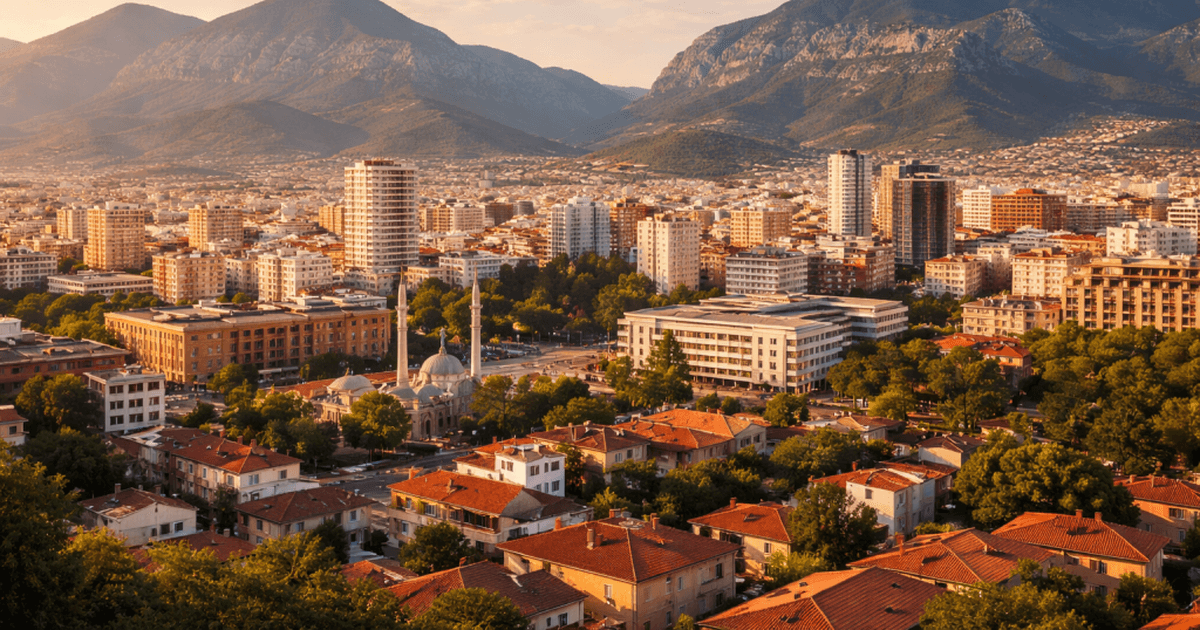
Andoni highlights that new construction is heavily concentrated in central Tirana and within the Second Ring Road, prioritising short‑term profit over long‑term planning. This pattern has led to the displacement of the middle class and poorer households, creating an increasingly unaffordable housing market. The urban fabric is being altered by large‑scale projects that consume green and recreational spaces, strain infrastructure, and reduce overall quality of life.
Key Housing Statistics and Social Gaps
According to the 2023 Albanian Census, the country provides 470 dwellings per 1,000 inhabitants, below the EU average of 517. Despite a high construction volume, about one‑third of the housing stock is empty, often owned by investors or used as seasonal accommodation. This mismatch between supply and genuine residential need exacerbates social segregation and limits access for those with modest incomes.
The 3 % Social‑Housing Provision
Albanian housing law mandates that 3 % of the total constructed area be allocated to municipalities for social housing. Andoni argues that keeping these units under municipal ownership, rather than selling them, is essential for achieving a balanced social mix and preventing the creation of isolated ghetto‑like developments.
Tourism, Short‑Term Rentals, and Market Distortion
The rise of tourism and investment in short‑term rentals, such as Airbnb, intensifies pressure on the housing market. Buildings approved as apartments are frequently repurposed for holiday lets, inflating the official count of dwellings while reducing the number of homes available to permanent residents. This practice contributes to a distorted housing‑per‑capita indicator that can mislead policymakers.
Governance Challenges and Centralisation
Andoni notes that permitting authority has shifted from local municipalities to the central government, weakening the link between urban planning and community needs. This centralisation, combined with corruption concerns, hampers municipalities’ ability to gather accurate data on household composition and to implement targeted housing interventions.
Policy Recommendations for Sustainable Housing
The interview outlines several concrete measures: enforce the 3 % social‑housing rule with municipal ownership; introduce fiscal tools to discourage speculative accumulation of multiple apartments; improve the housing register to reflect actual usage; and align building permits with the provision of essential infrastructure (sewerage, electricity, roads). Additionally, a clear regulatory framework for short‑term rentals is suggested to ensure they are registered as businesses rather than residential units.
Towards a More Inclusive Urban Future
Andoni stresses that housing is not merely an economic commodity but a cornerstone of social justice. Sustainable urban development requires integrating affordable homes within mixed‑income neighbourhoods, preserving community cohesion, and protecting the “genius loci” – the spirit of place – that defines Albanian cities. By implementing the outlined legal instruments and planning strategies, the state can promote equitable growth and safeguard the right to the city for all residents.