Resource context
This resource is an open-access review article in Public Health Reviews (BioMed Central/Springer Nature). It was authored by Juli Carrere, Alexia Reyes, Laura Oliveras, Anna Fernández, Andrés Peralta, Ana M. Novoa, Katherine Pérez, and Carme Borrell, and it synthesises evidence on how cohousing relates to health and wellbeing.
What the review set out to do
The paper uses a scoping-review approach to gather and summarise all available research on relationships between cohousing and (1) direct health outcomes (physical/mental health, quality of life, wellbeing) and (2) psychosocial determinants of health (such as social support, social isolation, sense of community, and security). The authors frame housing as a major social determinant of health and assess cohousing as an intentional housing typology combining private dwellings with shared, self-managed common spaces and facilities.
Methods and evidence base
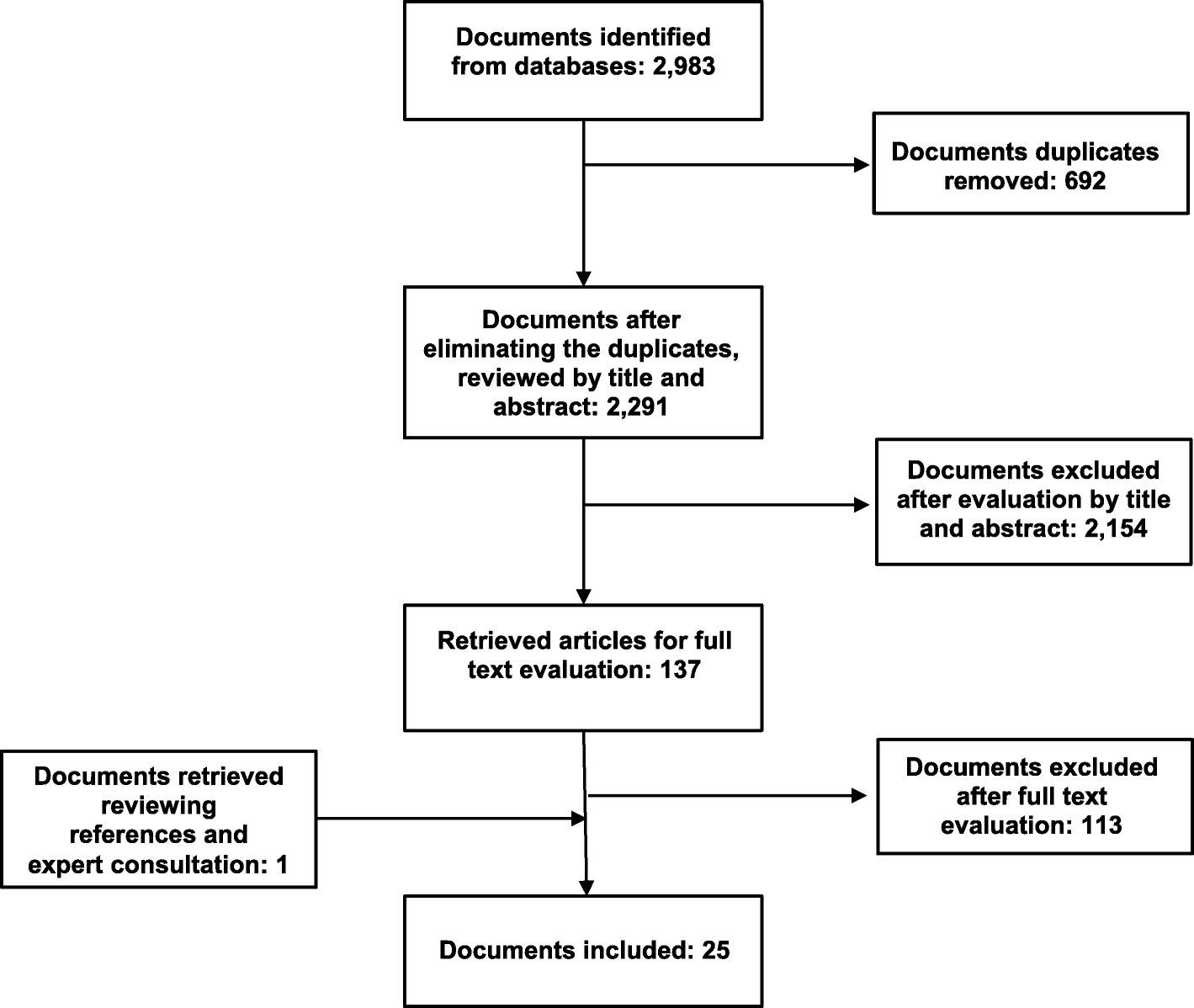
The authors searched multiple databases (PubMed, ProQuest, Scopus, Web of Science, Science Direct, JSTOR) in May 2019, with publications from 1960 onwards, no geographical limits, and no design restrictions. After a three-phase screening process plus reference checking and expert consultation, they included 25 full-text articles covering 77 cohousing experiences. All included studies were conducted in high-income countries.
Core quantitative takeaways
Across the 25 studies, 10 examined physical/mental health or quality of life/wellbeing outcomes; 8 of these 10 reported a positive association between cohousing and the outcomes assessed. A much larger share of the evidence focused on psychosocial determinants: 22 studies analysed at least one psychosocial determinant (e.g., social support or sense of community) and most reported positive associations. The authors also note that the overall quality of evidence was low, since many studies were cross-sectional or qualitative and therefore limited in supporting causal conclusions.
Who cohousing serves (in the evidence)
The review reports that 62% of the cohousing projects studied targeted intergenerational populations, while many others focused on older adults. Cohousing was often described as reducing loneliness among older residents and strengthening mutual support and community ties. Most projects in the evidence base were located in Europe (53%, mainly northern European countries), with additional projects in the USA (23%) and Canada (23%).
How cohousing may influence health
The paper’s synthesis suggests that potential health benefits are mediated primarily through psychosocial pathways: increased instrumental, emotional, and recreational social support; reduced social isolation; stronger sense of community; and increased feelings of physical, emotional, and sometimes economic security. Architectural and spatial features (shared indoor/outdoor common areas and design that facilitates encounters) are described as contributors to social interaction, while self-management and participation in community governance are described as mechanisms that build connection and autonomy.
Limitations, equity considerations, and research gaps
The authors highlight limited use of comparable, validated health measures across studies and a lack of objective health indicators. They call for more robust methodologies (including longitudinal designs) to clarify effects and mechanisms. They also raise a caution relevant to social inclusion: unequal access to cohousing could mean that promoting cohousing might inadvertently increase social and health inequalities if disadvantaged groups are less able to participate. The review identifies additional gaps around material pathways (including affordability and stability) and how environmental sustainability or economic arrangements within cohousing interact with health outcomes.
Relevance for sustainable housing in Europe
The review positions cohousing as a community-based housing model that can create social networks and supportive environments, with evidence most consistent for psychosocial benefits—especially for older adults—while also underlining the need for stronger, more comparable evidence to guide policy and inclusive scaling.