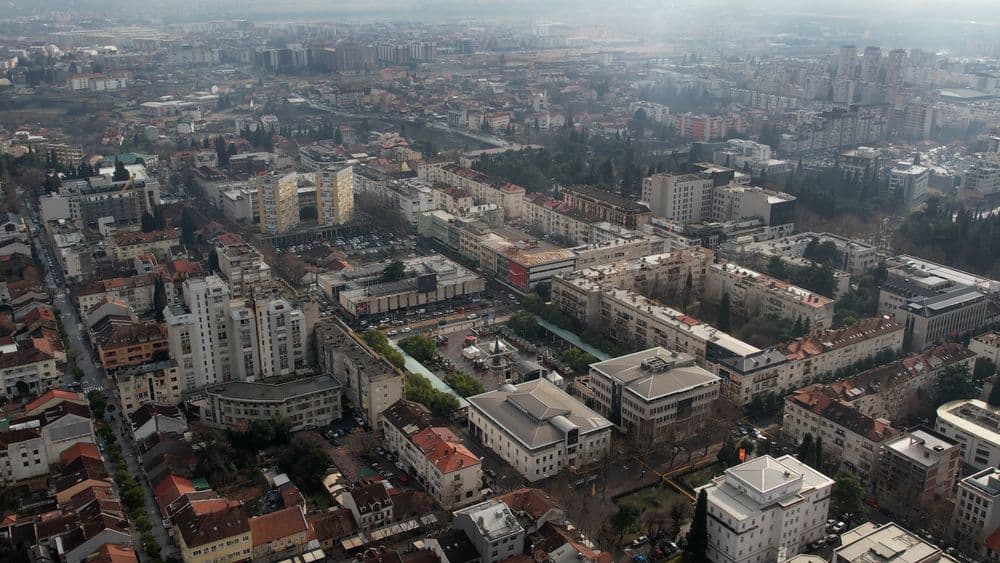
Overview of Montenegro’s New Housing Strategy
The document is a detailed report published by Radio‑Televizija Nikšić (RTNK), Montenegro’s regional public broadcaster, authored by journalist Danijela Simanić. It presents the government’s “Strategija stambene politike do 2034. godine”, a comprehensive plan to reform national housing policy through the creation of a National Housing Fund and substantial public investment.
Vision and Core Objectives
The strategy aims to eradicate homelessness and deliver affordable, energy‑efficient homes for all citizens, with particular emphasis on low‑income and vulnerable groups. Four strategic goals are defined: improving the regulatory framework, enhancing housing quality, increasing the supply of affordable dwellings, and advancing rental‑market policy. Implementation is to be overseen by a newly established National Housing Fund, responsible for construction, management and maintenance of state‑owned housing stock.
Funding and Budget Allocation
The total cost for the 2025‑2026 implementation phase is €54.7 million, split into €24.8 million for 2025 and €29.9 million for 2026. Funding combines state budget allocations, donor contributions, local government resources and other partners. A notable earmark is €10 million from the state budget for a major project on Velji Brdo in 2025. The strategy also proposes a “user‑pays” principle, levying taxes and fees on real property to generate additional revenue for the fund.
Construction Targets and Scale
According to the 2023 census, Montenegro has 396,873 housing units, an increase of roughly 82,000 since 2011. The plan targets the construction of approximately 3,423 new homes per year, achieved through fiscal incentives and subsidies for socially disadvantaged categories. This annual output is intended to keep pace with demographic growth and the need for modern, energy‑saving dwellings.
European and International Support
The strategy foresees co‑financing from European Union funds and international financial institutions, aligning Montenegro’s housing reforms with broader EU sustainability and social‑justice standards. Emphasis is placed on solidary financing models reminiscent of former Yugoslav practices, aiming to expand the publicly owned housing stock beyond the current half‑share.
Regulatory and Rental‑Market Reforms
Key regulatory measures include strengthening building standards, streamlining legalisation of informal constructions and revising rental‑market legislation to ensure long‑term affordability. These reforms are designed to create a stable environment for both public and private investment in housing, while protecting tenants’ rights.
Sustainability and Energy Efficiency
Energy efficiency is a central pillar: new constructions must meet modern performance criteria, and existing buildings are to be retrofitted where feasible. The strategy links sustainable housing with climate‑change mitigation goals, positioning Montenegro’s housing sector as a contributor to the nation’s overall environmental agenda.
Expected Outcomes for 2034
By 2034, the government anticipates a significant reduction in homelessness, broader access to affordable homes, and a more resilient, energy‑efficient housing stock. The National Housing Fund will serve as a permanent institutional mechanism to manage assets, fund new projects and respond to future demographic shifts.
Conclusion
The 2034 housing strategy presents a data‑driven, financially anchored roadmap for Montenegro’s transition to sustainable, inclusive housing. With €54.7 million earmarked for the initial two years, clear construction targets, and alignment with EU funding frameworks, the plan offers a concrete model for other European nations seeking to balance affordability, quality and environmental stewardship in the housing sector.