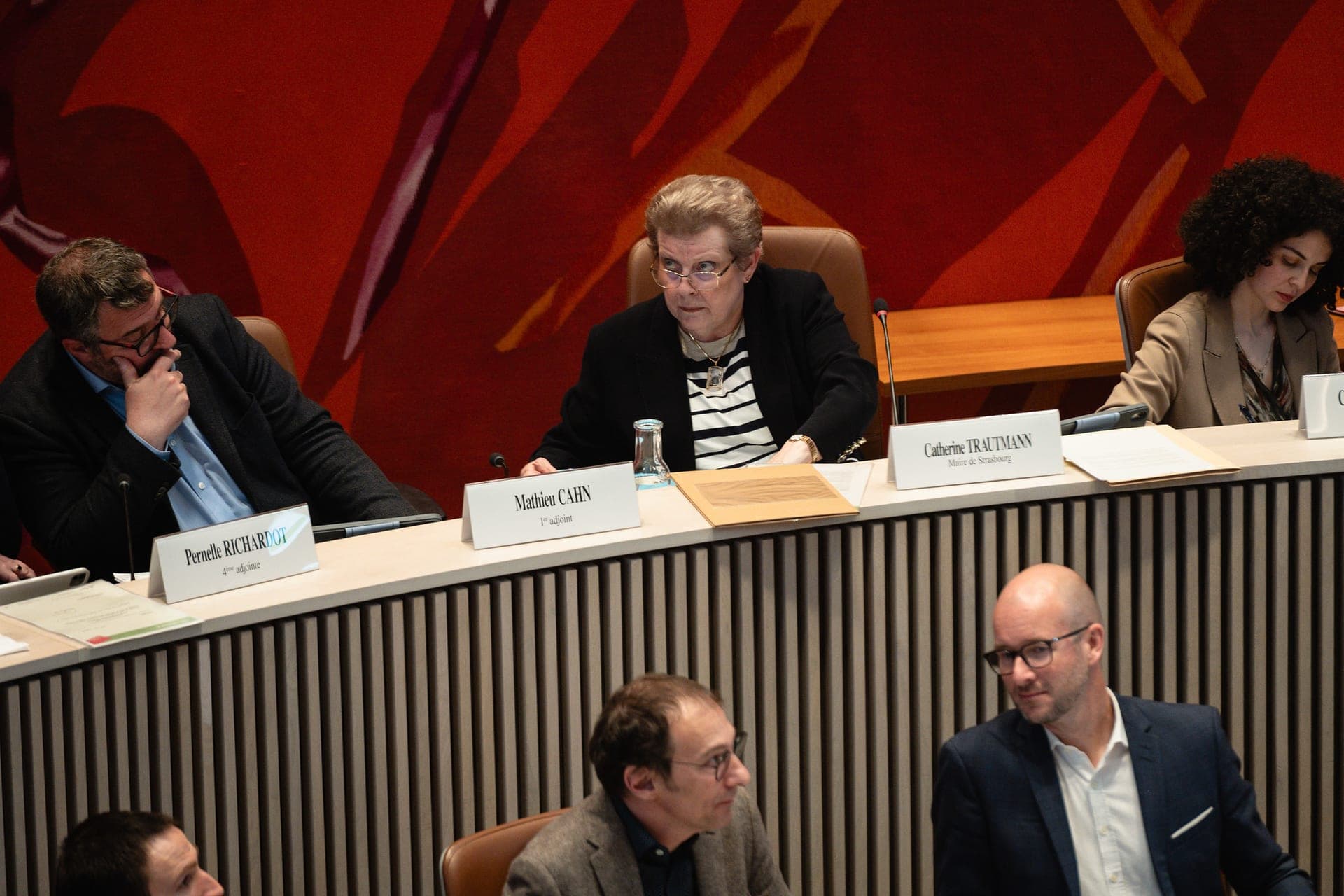
Context and Publication
The article “Stationnement, encadrement des loyers : les principaux points débattus au conseil municipal” was authored by Eva Chibane and published by Rue89 Strasbourg, a digital news outlet covering local politics in Strasbourg, France. It reports on the June 2026 municipal council debate concerning new measures on residential parking fees and rent control, reflecting the city’s broader social‑housing agenda.
Parking Fee Reductions
From 1 July, residential parking subscriptions are cut by two‑thirds for low‑income households (from €15 to €5 per month) and by two‑thirds for middle‑income families (from €30 to €10). The highest tier falls from €40 to €20. Approximately 15 000 Strasbourg residents will benefit, saving between €120 and €240 annually. Critics argue the reductions favour wealthier households, noting that the most generous €20 cut applies to higher earners while the poorest receive only €10.
Political Reactions to Parking Policy
Opposition voices—from La France insoumise, the Greens, and the Republicans—question the priority of parking cuts over bicycle, tram or safety initiatives, and highlight the lack of free parking for the most precarious families. Some argue the measure could forfeit over €2 million in annual revenue, equivalent to the city’s entire early‑childhood budget.
Rent‑Control Debate
The council revisited the national rent‑control experiment, which Strasbourg missed. While the previous majority had rejected participation, the current administration is exploring re‑engagement with the Fondation pour le logement. Opposition parties stress the urgency of addressing over 30 000 pending social‑housing requests and demand concrete timelines for rent‑control implementation.
Financial Outlook and Debt Concerns
Debate intensified over the city’s finances: expenditures are reportedly rising twice as fast as revenues, with a projected deficit of €5 million upon the new administration’s start. Opponents cite a +16 % rise in operating costs (2021‑2025) and an additional €100 000 of debt accrued each day, suggesting a repayment horizon of roughly 12 years. Pro‑majority officials counter that recent investments—€124 million in infrastructure and a focus on school renovation and energy retrofits—remain manageable.
Early‑Childhood Support Measures
The council approved free places in leisure centres for children aged 3‑11 from severely disadvantaged families, covering midday meals. However, the decision not to renew funding for the “Les Bons Amis” Waldorf‑Steiner preschool sparked controversy, with concerns about sectarian oversight and the inability to finance the school using public funds.
Ring Cyclist‑Pedestrian Project
The majority supports completing the Ring, a cyclist and pedestrian corridor designed to bypass the Grande Île, improving traffic flow and safety. While acknowledged as beneficial, opposition groups call for refinements to existing infrastructure before further expansion.
Urban Health Centre Plans
A proposed urban health centre in the Laiterie district is slated for completion within two years, aiming to address local healthcare gaps. Critics warn that shifting the project into a broader mixed‑use scheme may delay delivery, with the council vote showing strong opposition (45 against, 17 for).
Social Cohesion and Memorial Motions
The council unanimously adopted a motion honouring Noahm, a young man killed in Metz, underscoring Strasbourg’s commitment to LGBTQIA+ rights and anti‑discrimination efforts. The motion received cross‑party support despite underlying tensions about broader cultural policies. Overall, the council’s June 2026 debate highlights Strasbourg’s attempts to balance affordable housing, sustainable transport, and fiscal responsibility, while navigating divergent political viewpoints and the needs of vulnerable residents.