Overview of the Pinqua Funding Challenge
The article, authored by journalist Fortunato Marino for the Italian daily La Sicilia, examines the imminent risk that several public‑housing projects in Messina, funded through the national Pinqua programme, may lose financing if they miss strict reporting deadlines. The piece highlights the broader context of Italy’s utilisation of PNRR (National Recovery and Resilience Plan) resources for housing quality and urban regeneration.
Bisconte Project Status and Funding
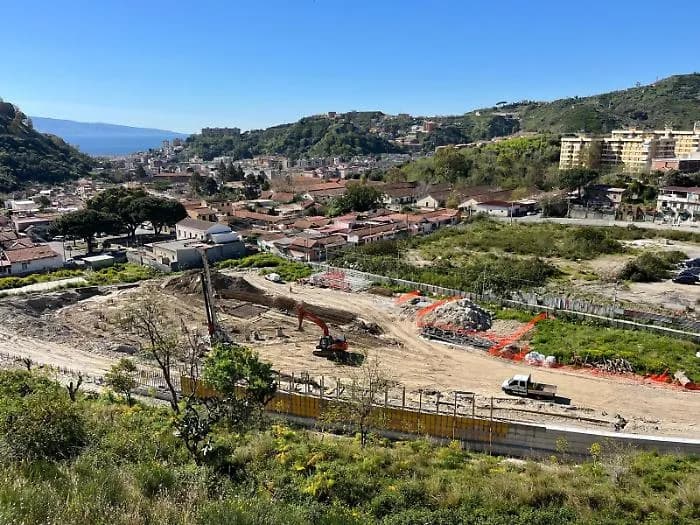
The Bisconte development, aimed at delivering 40 new affordable apartments, has already completed foundations and a retaining wall. Despite delays caused by site remediation and legal disputes over land ownership, the project benefits from nearly €20 million in funding. Contractor Cosedil is tasked with finishing the work by year‑end, though the deadline for final PNRR reporting is June, after a recent extension from March.
Other Ongoing Pinqua Initiatives in Messina
Several other schemes face similar time pressures:
- Ex‑Caserma Sabato: 56 units, total cost €9.316 million.
- Ex‑Caserma Nervesa: 94 units, €12 million, involving demolition and rebuilding of three blocks.
- Ex‑Baraccata Annunziata area: 27 units, €6.270 million, still pending start.
- Fondo Fucile (also by Cosedil): three new buildings with 50 units, including green spaces and services. These projects collectively illustrate the scale of Pinqua‑supported housing renewal across Messina’s southern districts.
Financial Safeguards and Government Measures
To prevent loss of funds, the central government is reviewing project allocations, considering the diversion of resources to the Fund for Development and Cohesion or the National Urban Regeneration Fund. Such re‑routing would allow interventions that miss the PNRR deadline to be financed through less time‑bound sources, preserving nearly €20 million earmarked for the Bisconte site and additional millions for the other schemes.
Ancillary Acquisitions and Strategic Moves
Palazzo Zanca, the municipal body overseeing the programmes, has also secured assets for conversion, including former Ferrotel and Gife structures. Recent technical meetings in the Prefecture discussed further acquisitions, such as the former Carabinieri barracks on Via Gesù e Maria in San Leone, reinforcing the municipality’s broader strategy to expand affordable housing stock.
Relevance for Sustainable Housing in Europe
The Messina case exemplifies challenges common to large‑scale sustainable housing initiatives: tight reporting timelines tied to EU recovery funds, the need for flexible financing mechanisms, and the integration of remediation, construction, and community services. The projects aim to enhance urban livability, reduce informal settlements, and promote energy‑efficient building practices, aligning with pan‑European goals for resilient and inclusive housing.